Friday, January 30, 2026
Home Blog Page 11

The Symphony of Science: Parkinson’s Patient Plays Clarinet During Brain Surgery, Hearing Music Return

0

LONDON—In an operating theatre at King’s College Hospital, a four-hour brain surgery on Monday transformed a medical procedure into a unique, real-time performance, offering a powerful testament to the precision of modern neuroscience and the resilience of the human spirit.

Denise Bacon, a 65-year-old retired speech and language therapist and a devoted clarinettist, played her beloved instrument while undergoing Deep Brain Stimulation (DBS) to alleviate her Parkinson’s disease symptoms. The music served as the ultimate test, providing the surgical team with an immediate, audible confirmation of their success.


An Immediate, Audible Cure

Ms. Bacon was diagnosed with Parkinson’s in 2014, and over the years, the disease’s slowness of movement and muscle stiffness (bradykinesia and rigidity) had forced her to give up cherished hobbies, including playing with the East Grinstead Concert Band five years ago.

The procedure, Deep Brain Stimulation, involves implanting electrodes into targeted areas of the brain to deliver electrical impulses, helping to modulate abnormal brain activity and reduce motor symptoms. Crucially, the operation must be performed while the patient is awake to allow surgeons to monitor their physical responses in real time.

Led by Professor Keyoumars Ashkan, the neurosurgery team made tiny holes in Ms. Bacon’s skull to implant the electrodes, using a specialized navigational frame for absolute precision.

“As a keen clarinettist, it was suggested Denise bring her clarinet into the operating theatre to see whether the procedure would improve her ability to play, which was one of Denise’s main goals for the surgery,” Professor Ashkan explained.

The moment the electrical current was switched on, the results were instantaneous.

“We were delighted to see an instant improvement in her hand movements, and therefore her ability to play,” Ashkan said. Ms. Bacon’s fingers, previously stiff and unresponsive, moved with greater ease across the clarinet keys as she began to play a melody, filling the sterile room with sound and proving the electrode placement was correct.


Reclaiming the Music

For Ms. Bacon, the experience was profound. “I remember my right hand being able to move with much more ease once the stimulation was applied, and and this in turn improved my ability to play the clarinet, which I was delighted with,” she shared following the procedure.

DBS is a long-established, highly effective therapy for controlling the motor symptoms of advanced Parkinson’s disease, but Ms. Bacon’s case illustrates the deeply personal stakes for patients. Restoring the ability to perform a complex, beloved task like playing a musical instrument represents a significant reclaiming of quality of life, moving beyond simply managing a tremor.

With the pulse generator now implanted in her chest, providing continuous and auto-adjusting stimulation to her brain, Ms. Bacon is already noticing improvements in her ability to walk. The amateur musician is now eager to return to her other passions, stating, “I’m keen to get back in the swimming pool, and on the dance floor to see if my abilities have improved there.” Her story highlights the intersection of medical ingenuity and the persistent, life-affirming power of art.

Trump-Putin Summit in Budapest Shelved Amid Russia’s Firm Stance

A high-stakes summit between President Donald Trump and Russian President Vladimir Putin in Budapest, proposed just days ago, has been shelved, signaling a significant roadblock in the latest diplomatic push to end the war in Ukraine. The White House confirmed there are now “no plans” for the two leaders to meet “in the immediate future,” after a flurry of diplomatic activity failed to bridge the gap between Moscow’s maximalist demands and the unified position of Kyiv and its European allies.


The Diplomatic Whirlwind and its Collapse

The idea for the Budapest summit emerged last Thursday following a phone call between Trump and Putin. The US President then announced plans to meet his Russian counterpart in the Hungarian capital within two weeks to discuss peace. This move was immediately followed by an apparently tense meeting in Washington between Trump and Ukrainian President Volodymyr Zelensky on Friday.

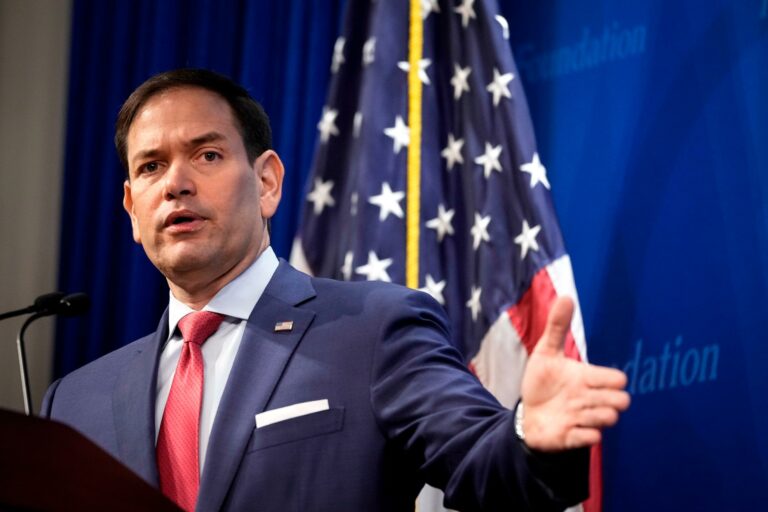
Initial reports suggested the two envoys, U.S. Secretary of State Marco Rubio and Russian Foreign Minister Sergei Lavrov, would hold a preparatory meeting this week. However, following a phone call between the two top diplomats on Monday, the White House declared the contact “productive” but stated a physical meeting was no longer “necessary,” effectively putting the brakes on the summit.

The core reason for the stall appears to be Russia’s unwavering negotiating position. Minister Lavrov publicly confirmed that Russia’s stance remained unchanged from previous talks, indicating Moscow is not interested in a simple ceasefire along the current front lines, a position recently endorsed by a joint statement from Zelenskyy and several European leaders.


Trump Putin Ukraine peace talks

Territorial Tangle Undermines Talks

Russia’s maximalist approach—which calls for addressing the “root causes of the conflict,” Kremlin shorthand for recognizing full Russian sovereignty over the annexed Donbas region and the demilitarization of Ukraine—is a non-starter for Kyiv.

The diplomatic collapse was further cemented by a brief but telling shift in President Trump’s own position over the weekend. Following the call with Putin, who reportedly floated a proposal to swap some occupied territory for control over all of Donetsk, Trump initially seemed to consider the possibility of Ukraine making territorial concessions. However, by Sunday, he publicly rejected the idea of complex swaps, stating the conflict should simply “cut the way it is” at the battle line—a position closer to Ukraine’s desire for a ceasefire along the current contact line.

This short-lived diplomatic cycle highlighted the key pressure point for Moscow: the potential supply of long-range Tomahawk missiles to Kyiv. Ukrainian President Zelensky noted that the possibility of these powerful weapons, capable of striking deep into Russia, was the only thing that forced Putin to engage in last week’s unscheduled call with Trump. With the missile issue still unresolved, Russia seemingly felt little need to rush to the negotiating table.


Relief in Europe, Uncertainty in Kyiv

The decision to shelf the summit is likely to be met with relief by European leaders, who had expressed serious reservations about a major peace agreement being decided in a meeting where Ukraine’s interests risked being sidelined. Many European capitals had publicly rejected any push for Ukraine to surrender land captured by Russian forces.

For Ukraine, however, the shelving of the summit leaves the path to a broader peace deal unclear. While the focus has shifted back to a ceasefire along the current contact line, the fundamental disagreements remain: Kyiv will not relinquish its sovereign territory, and Moscow will not agree to a peace that does not meet its core, imperialistic demands. The postponement is a stark indicator that the path to peace remains a marathon of entrenched positions, not a short sprint to a summit.

AWS: Amazon Fixes Core Problem, But Residual ‘Significant Errors’ Linger After Mass Outage

SEATTLE— Amazon Web Services (AWS) engineers have successfully identified and mitigated the underlying problem that triggered a massive, global outage, but the company is still grappling with “significant API errors and connectivity issues” for a number of services across its vast cloud infrastructure. The disruption, which effectively crippled large swathes of the internet—from social media to financial apps—yesterday, underscores the precarious global reliance on a handful of cloud giants.


The Technical Root Cause: A Digital Phonebook Error

The crisis, which centered on AWS’s largest data center region, US-EAST-1 in Northern Virginia, was traced to a failure in an internal subsystem responsible for monitoring the health of network load balancers. Initial investigations also pointed to issues with the DNS (Domain Name System) resolution of the DynamoDB API endpoint. DNS is essentially the “phone book” of the internet, directing requests to the correct servers; when this failed, thousands of dependent systems lost their digital roadmap.

AWS confirmed that the core technical fault has been addressed and that it is seeing “significant signs of recovery.” However, the hours-long disruption created a massive backlog of queued requests and residual network connectivity problems that are taking time to clear. Experts warn that a “slow and bumpy recovery process” is typical after an outage of this scale, often triggering smaller, intermittent glitches as fixes propagate across the network.


Domino Effect: A Global Digital Blackout

The cascading impact of the AWS outage was immediate and far-reaching, striking major platforms across multiple industries:

  • Social Media & Communication: Snapchat, Signal, and Reddit all reported outages or issues.
  • Gaming: Services for popular titles like Fortnite and Roblox were disrupted.
  • Finance & Retail: Financial apps like Venmo and Coinbase, as well as Amazon’s own retail platform, experienced connectivity problems.
  • Airlines and Transport: Several major airlines, including United Airlines and Delta, saw their reservation and check-in systems compromised.

The sheer scale of the disruption has reignited critical debates over the vulnerability of modern digital infrastructure. With AWS commanding a massive share of the global cloud market, an internal glitch at one company can translate into a worldwide digital blackout, leaving countless businesses and consumers at the mercy of a single point of failure.

While engineers work to iron out the remaining connectivity issues, the incident serves as a stark and costly reminder that digital resilience is not merely about defense, but about strategic preparedness for inevitable—and now seemingly more frequent—disruptions.

Apocalyptic Airport Blaze Threatens to Inflict $1 Billion Blow to Bangladesh Economy

DHAKA, Bangladesh— A catastrophic inferno that raged through the main cargo complex of Hazrat Shahjalal International Airport (HSIA) in Dhaka has sent shockwaves through Bangladesh’s economy, with industry experts now warning that the total cost of the disaster could exceed $1 billion. The massive blaze, which took a staggering 27 hours to fully extinguish, decimated a critical logistics hub, destroying millions of dollars’ worth of exports just as the country enters its peak shipment season.


Cargo Village Gutted: A Blow to the Garment Industry

The fire, which erupted on Saturday afternoon, tore through the airport’s cargo import and export sections, reducing the facility to ashes. The affected area is the primary air freight hub for Bangladesh, a nation heavily reliant on its garment sector, which generates approximately $40 billion annually and is the world’s second-largest apparel exporter.

The financial damage is two-fold, according to leading industry associations:

  • Direct Losses: Finished garments, high-value imported raw materials, pharmaceuticals, and crucial product samples were all incinerated.
  • Indirect Losses: The destruction of product samples is a particularly devastating blow, as these are essential for securing new international buyers and expanding future orders. “Losing them could seriously impact our future prospects,” warned Inamul Haq Khan, Senior Vice-President of the Bangladesh Garment Manufacturers and Exporters Association (BGMEA).

The estimated $1 billion loss, shared by the BGMEA and other trade bodies, accounts for the direct value of the burnt goods as well as the immediate and long-term disruption to a supply chain that handles hundreds of tons of dry cargo daily.


Government Vows Investigation Amid Sabotage Fears

The crisis comes as the third major fire incident in Bangladesh in a single week, adding a layer of political and social concern to the tragedy. Following a deadly fire at a garment factory and another at a seven-story clothing factory days earlier, public speculation about the causes of the blaze has intensified.

The interim government has acknowledged these concerns, assuring the public that the security services are investigating all incidents thoroughly. Authorities have established a seven-member investigation committee to determine the cause of the airport fire, with an official statement warning that “any credible evidence of sabotage or arson will be met with a swift and resolute response.”

Although flight operations at HSIA were temporarily suspended, they resumed later on Saturday evening. However, the operational capacity of the critical cargo complex remains severely compromised. As smoke continues to rise from the charred remains of the facility, business leaders are scrambling to assess the final count, fearing major shipment delays and an inability to meet strict international delivery deadlines just weeks before the crucial Western holiday season.

Jewel Heist Shuts Down the Louvre: Napoleon’s Treasures Stolen in Audacious Daytime Robbery

PARIS— The world-renowned Louvre Museum was shut down today after an audacious robbery saw criminals make off with several pieces of historic jewelry from the Napoleon and Empress Josephine collection, stunning authorities and tourists alike at the heart of the French capital.

France’s Culture Minister, Rachida Dati, confirmed the incident on social media, announcing, “A robbery took place this morning at the opening of the Louvre Museum.” She stressed that no injuries had been reported and confirmed she was on site with police and museum teams as an urgent investigation was launched.

The museum itself posted a brief note, stating it would remain closed for the day “for exceptional reasons.”


Louvre museum

Inside the Heist: A Daring Daylight Raid

While official details remain sparse, police sources provided key information on how the highly organized criminals managed to breach the security of the world’s most-visited museum.

The theft occurred around the time the museum opened its doors to the public. Reports indicate that the perpetrators exploited an ongoing construction site on the Seine River embankment side of the massive complex. The thieves reportedly gained access via this breach, utilizing a freight elevator that led directly to the targeted exhibition hall.

Once inside, two of the men reportedly smashed display cases and seized at least nine pieces of imperial jewelry, including a necklace, a brooch, and a tiara, all part of the priceless collection amassed by Napoleon and Empress Josephine Bonaparte. The suspects then fled the scene on a motorcycle, heading toward a major highway.


Security Breach at a Global Icon

The successful robbery at the home of masterpieces like the Mona Lisa and the Venus de Milo immediately raises serious questions about the security protocols at the landmark institution. The use of construction work as a point of entry highlights a critical vulnerability that authorities will now have to address.

The loss of the imperial jewels is not just a financial blow, but a devastating cultural one, robbing the French national collection of items linked to one of its most transformative historical periods.

The investigation is now fully underway, with police desperately searching for the thieves who pulled off a heist that will undoubtedly go down as one of the most brazen art crimes in recent European history.

US Alleges ‘Imminent’ Hamas Attack on Gaza Civilians Threatens Fragile Truce

The fragile ceasefire in Gaza, already strained by disputes over aid and the return of deceased hostages, faces an unprecedented and dire threat after the United States issued a stunning warning of an “imminent” attack by Hamas targeting Palestinian civilians within the strip.

The extraordinary allegation, released by the US Department of State, raises the specter of a total collapse of the hard-won truce brokered to end the two-year conflict between Israel and Hamas.


Intelligence Alarms Sound in Washington

In a statement delivered over the weekend, the State Department declared that it had received “credible reports” suggesting Hamas, the militant group controlling Gaza, was planning a deliberate assault on its own population.

“The United States has informed the guarantor nations of the Gaza peace agreement of credible reports indicating an imminent ceasefire violation by Hamas against the people of Gaza,” the statement read. It went on to warn that such a planned attack against Palestinian civilians “would constitute a direct and grave violation” of the ceasefire agreement and severely undermine international mediation efforts.

While the US did not disclose the specific nature of the planned attack or the source of its intelligence, the warning follows a period of heightened internal security crackdowns in Gaza, with reports of Hamas executing rivals and alleged collaborators in the areas vacated by Israeli forces.


Gaza evacuation

The Breach of Terms and International Response

The US has pointedly informed the key guarantor nations of the truce, including Egypt and Qatar, emphasizing the gravity of the potential violation. The statement also carried a threat of intervention, warning that “Should Hamas proceed with this attack, measures will be taken to protect the people of Gaza and preserve the integrity of the ceasefire.”

This is a significant escalation from the US, whose involvement has been central to maintaining the delicate balance of the truce. President Donald Trump has previously signaled a zero-tolerance policy for internal violence that contravenes the spirit of the deal.

Hamas Rejects Allegations Amidst Blame Game

Hamas has vehemently rejected the accusations as “groundless,” asserting that their police forces are merely dealing with rival militias and collaborators “according to clear laws” to protect residents and property. They also accused the US warning of being “consistent with Israeli propaganda” designed to cover for Israel’s own alleged violations.

Indeed, the ceasefire’s stability has been precarious since it took effect:

  • Hostage Dispute: Israel has accused Hamas of deliberately delaying the handover of all deceased Israeli hostages, a key provision of the deal. Hamas counters that the retrieval of remains is hampered by the widespread destruction and unexploded ordnance.
  • Rafah Crossing: Israel has kept the crucial Rafah border crossing with Egypt closed, demanding the swift return of all hostage remains, a move Hamas has labeled a “blatant breach” of the agreement.
  • Targeting Civilians: Authorities in Gaza have accused the Israeli military of multiple ceasefire violations, including a deadly incident where a Palestinian family was killed by Israeli fire near a withdrawal boundary known as the “Yellow Line.”

As accusations fly and the details of the US intelligence remain classified, the immediate safety of Gaza’s battered civilian population—and the fate of the entire ceasefire—hangs precariously in the balance. The world watches to see if the fragile diplomatic framework can withstand this latest, and potentially most destructive, internal pressure.

Celeste Rivas Hernandez: Mystery Deepens Around Missing Teen Found Dead in Pop Star D4vd’s Tesla

Weeks after the decomposed remains of a missing California teenager, Celeste Rivas Hernandez, were discovered in a Tesla registered to viral pop singer D4vd (David Anthony Burke), the case remains shrouded in a chilling veil of unanswered questions. What began as a report of a foul odor from an abandoned car has spiraled into a homicide investigation that ensnares a rising music star, leaving police, media, and a grieving family seeking clarity.


The Grisly Discovery in Hollywood

The tragic discovery was made on September 8th after authorities were called to an impound lot in Los Angeles. The Tesla, which had reportedly been abandoned in the Hollywood Hills for weeks and subsequently towed, was the source of a strong, disturbing smell. Inside the vehicle, specifically in the front trunk (frunk), officers found the remains of a female.

Forensic examination later confirmed the body belonged to 15-year-old Celeste Rivas Hernandez, who had been reported missing from her Lake Elsinore home in 2024. The car was found to be registered to the 20-year-old singer-songwriter D4vd, known for hits like “Romantic Homicide” and “Here with Me.”


A Timeline of Ominous Gaps

The timeline of events has only deepened the mystery. LAPD officials have stated that the state of the remains suggests Rivas Hernandez was likely dead for several weeks before her body was discovered. This timeframe is crucial: the singer was reportedly out on tour when the car was found, and the vehicle had been ticketed and abandoned for an extended period in the Hollywood Hills neighborhood where D4vd was staying.

Investigators served a search warrant at a residence reportedly associated with the singer near where the car was towed, seizing several items of evidence. Despite this, the Los Angeles County Medical Examiner’s Office has yet to determine the official cause or manner of death, listing it as “deferred” pending further investigation. This critical missing piece means authorities have not been able to definitively classify the death or name any suspects in the case, though the investigation is being handled by the Robbery-Homicide Division.


The Star and the Missing Girl

D4vd, whose real name is David Anthony Burke, has had his rapidly ascending music career overshadowed by the macabre incident, leading him to cancel remaining tour dates. A representative for the singer has publicly stated that he is “fully cooperating” with authorities, a claim the LAPD has not officially confirmed.

Adding a layer of unsettling speculation are various reports linking the two individuals. The teen had a distinctive “Shhh…” tattoo on her index finger, and unverified fan speculation has surfaced, alleging an unconfirmed relationship and suggesting the singer referenced a person named “Celeste” in leaked music and social media posts.

For now, the legal and criminal narrative remains focused on the location of the body and the concealment of the remains, as the actual circumstances of Celeste Rivas Hernandez’s death remain a terrible, unsolved puzzle at the intersection of fame and tragedy.

Yellow Wave Washes Over America: Millions Rally in ‘No Kings’ Protests Against Authoritarianism

In a stunning, nationwide rebuke of the current administration, millions of Americans took to the streets on Saturday in a massive, coordinated demonstration dubbed the “No Kings” protests. From the National Mall to small-town squares in all 50 states, demonstrators—many clad in the signature yellow of the movement—mobilized across more than 2,700 locations to send an unequivocal message: the American republic has no sovereign ruler.

The outpouring of dissent, organized by a broad coalition of over 200 progressive groups including Indivisible and the ACLU, is one of the largest single-day protests in U.S. history. Organizers say the movement is a response to what they view as a pattern of “authoritarian power grabs” by the Trump administration since the start of its second term.

A Message Against Executive Overreach

The unifying slogan, “No Kings,” is a direct repudiation of what critics see as President Trump’s increasing consolidation of power, defiance of judicial constraints, and deployment of federal forces into American cities—moves that organizers argue are a violation of core democratic principles.

In a display of striking geographic diversity, the protests transcended traditional urban hubs. While massive crowds clogged Times Square in New York and filled Grant Park in Chicago, equally passionate demonstrations were held in rural communities from Bozeman, Montana, to East Glacier Ridge. This distributed model of resistance emphasizes that discontent with the administration is not confined to the coasts, but runs deep across the American heartland.

“This moment is not just about one man’s greed, corruption or contempt for the Constitution,” Senator Bernie Sanders told a thunderous crowd in Washington D.C., forcefully dismissing Republican criticism that the rallies were “Hate America” events. “Millions of us are here not because we hate America, but because we love America.”

TOPSHOT – Demonstrators take part in a protest against the Trump administration during the “No Kings” national rally in downtown Los Angeles, California, on June 14, 2025, on the same day as President Trump’s military parade in Washington, DC. Tens of thousands of protesters rallied nationwide Saturday against Donald Trump ahead of a huge military parade on the US president’s 79th birthday — as the killing of a Democratic lawmaker underscored the deep divisions in American politics. “No Kings” demonstrators took to the streets in New York, Los Angeles, Chicago, Philadelphia, Houston, Atlanta and hundreds of other cities across the United States to condemn what they call Trump’s dictatorial overreach. (Photo by RINGO CHIU / AFP) (Photo by RINGO CHIU/AFP via Getty Images)

Key Flashpoints and Concerns

The protests are fueled by a convergence of major policy concerns:

  • Militarization of Cities: The administration’s move to federalize and deploy the National Guard and federal agents to combat crime and enforce immigration policy in Democratic-led cities has been a primary catalyst, with demonstrators denouncing the move as an attempt to suppress political dissent.
  • Immigration Crackdown: Sweeping, aggressive immigration enforcement actions have galvanized human rights and civil liberties organizations, which participated heavily in the rallies.
  • Democratic Norms: Underlying the specific policy grievances is a fundamental rejection of what protesters describe as an assault on the checks and balances of U.S. governance, citing the President’s public claims of absolute authority and his rhetoric against political opponents.

The use of the color yellow, chosen by organizers to signify unity and alignment with pro-democracy movements worldwide, created a vivid spectacle across the American landscape, an optical protest impossible for the administration to ignore.

In a muted response, the White House has largely dismissed the gatherings, with one spokeswoman stating simply, “Who cares?” However, Republican governors in states like Texas and Virginia preemptively mobilized National Guard troops, citing concerns over potential violence—a move quickly criticized by Democrats as a “dictatorial” escalation designed to intimidate peaceful assembly.

As the sun sets on this momentous day of defiance, the “No Kings” movement has successfully injected a powerful new strain of civic activism into the national conversation, firmly declaring that in America, the ultimate power still rests not with the executive, but with the mobilized will of its people.

Kyiv Reels as Zelensky’s White House Visit Ends in Disarray

KYIV, UKRAINE— A sense of profound dismay has settled over the Ukrainian capital following President Volodymyr Zelensky’s dramatic and ultimately fruitless meeting with U.S. President Donald Trump, which concluded abruptly with no new aid package, no long-range missiles, and the collapse of a key economic agreement.

What was billed as a pivotal moment to secure advanced weaponry and a firm security guarantee against Russian aggression dissolved into a highly contentious, public confrontation in the Oval Office, leaving Kyiv’s delegation departing the White House empty-handed.

The critical disappointment centers on President Trump’s apparent unwillingness to commit to supplying the long-coveted Tomahawk cruise missiles—a weapon Zelenskyy’s government views as essential for a major counteroffensive. Trump instead appeared intent on pressuring Ukraine into an “immediate ceasefire” along the current battle lines, a position that many in Kyiv believe would reward Russian aggression.

The Missile Mirage

Zelensky had arrived in Washington with hopes buoyed by recent, though vague, signals that the Trump administration might finally agree to send the long-range missiles. Yet, during the two-hour discussion, Trump reportedly adopted a cautionary tone, suggesting the U.S. may need the missiles for its own future conflicts.

“We’d much rather have them not need Tomahawks,” Trump told reporters as he departed for Florida, even as he urged both sides to “stop the war immediately” and “go home.”

The Ukrainian leader, speaking frankly to reporters after the meeting, was forced to acknowledge the U.S. hesitation. “We don’t have Tomahawks, that’s why we need Tomahawks,” he said, but conceded he was “realistic” about his chances of securing them, effectively admitting defeat on his primary objective.

The Minerals Deal Collapse

Compounding the failure was the sudden cancellation of the planned signing of the Ukraine-United States Mineral Resources Agreement. The deal, which would have granted the U.S. access to Ukraine’s significant rare-earth mineral deposits in exchange for investment and reconstruction funds, was seen as a vital strategic and financial lifeline for Kyiv.

White House sources indicated that the meeting soured after a heated exchange between the two presidents and Vice President J.D. Vance, who reportedly chastised Zelenskyy for a perceived lack of gratitude toward the scale of past American aid. Trump later took to social media to accuse the Ukrainian President of having “disrespected the United States” and stated he was “not ready for Peace.”

The acrimonious atmosphere, described by media outlets as an “unprecedented public confrontation,” resulted in the cancellation of a scheduled joint press conference and the immediate departure of the Ukrainian delegation.

Gloom on the Dnipro

In Kyiv, the outcome of the visit has been met with a mixture of anger and weariness. For three years, Ukrainian citizens and soldiers have fought on the promise of unwavering Western support. The public clash and the failure to secure new, tangible support for the war effort has left the government’s European allies scrambling to reaffirm their solidarity.

Veteran Ukrainian analysts have taken a pessimistic view. Valeriy Chaliy, a former Ukrainian Ambassador to the U.S., noted the stark reality: “The substantive story is that… we have no mechanisms for obtaining [new] weapons from the U.S.”

The White House meeting, intended to stabilize and re-energize the relationship, has instead introduced a new level of volatility, raising profound concerns across the continent that Washington is now prioritizing a fast, and potentially unfavorable, end to the conflict over the restoration of Ukraine’s territorial integrity. For the moment, President Zelenskyy’s best diplomatic efforts appear to have been overruled by a new and uncompromising American calculus.

Trump Orders Immediate Release of ‘Serial Fabulist’ George Santos

In a stunning exercise of executive clemency that immediately reignited the national debate over the use of presidential power, President Donald Trump on Friday ordered the commutation of the prison sentence for disgraced former U.S. Representative George Santos.

Santos, a New York Republican who was expelled from Congress in 2023 for a pattern of breathtaking fraud and fabrication, was serving a sentence of more than seven years. He had been behind bars for less than three months when the President’s order was announced.

In a late-day post on his social media platform, President Trump declared the commutation, stating that Santos had been “horribly mistreated” in prison and that his sentence was disproportionate.

“George Santos was somewhat of a ‘rogue,’ but there are many rogues throughout our Country that aren’t forced to serve seven years in prison,” the President wrote. “Therefore, I just signed a Commutation, releasing George Santos from prison, IMMEDIATELY.”

Santos was released from the Federal Correctional Institution in Fairton, New Jersey, late Friday evening, according to his legal team.

From Capitol Hill to Clemency

The former lawmaker’s spectacular fall from grace began almost immediately after his 2022 election victory, as reports revealed he had fabricated large swaths of his personal and professional biography—from his education and employment history to claims about his family fleeing the Holocaust.

The scandal culminated in a conviction after he pleaded guilty to federal charges, including wire fraud and aggravated identity theft. Prosecutors successfully argued that Santos had systematically deceived donors, misused campaign funds, and stolen the identities of multiple individuals to facilitate his criminal schemes.

At his sentencing in April, the judge had imposed a tough 87-month term, noting Santos’s consistent lack of genuine remorse.

The commutation follows a handwritten letter Santos reportedly sent to the President this week, in which he appealed to Trump’s “sense of justice and humanity” and reaffirmed his loyalty to the “America First” agenda.

Outcry on Both Sides

The clemency decision drew immediate and sharp criticism from across the political spectrum, with many viewing it as a clear reward for political fealty rather than a principled correction of judicial error.

Democrats decried the move as further evidence of an executive branch unmoored from the rule of law. House Minority Leader Hakeem Jeffries (D-NY) referred to Santos as a “serial fraudster” whose crimes warranted the punishment.

Even some Republicans who had supported Santos’s expulsion from Congress voiced their disapproval. Former Republican Congressman Adam Kinzinger called the commutation “a feature of corruption,” warning that it sends a message that “if you like me you can get away with anything.”

Conversely, Republican allies of Santos, including Rep. Marjorie Taylor Greene, who had publicly campaigned for his release, hailed the President’s action, claiming the former lawmaker had been “unfairly treated” and subjected to judicial overreach.

While a commutation shortens the prison sentence, it does not wipe away the underlying conviction, meaning Santos remains a convicted felon, obligated to pay the restitution ordered in his case. However, the order is seen as a potent demonstration of presidential authority and the administration’s continued use of clemency to benefit political allies, regardless of the severity or non-political nature of their federal crimes.

Architect of Modern Physics and Nobel Laureate Chen Ning Yang Dies at 103

BEIJING— The world of physics is mourning the loss of one of its true giants. Chen Ning Yang, the pioneering Chinese-American theoretical physicist whose work fundamentally reshaped our understanding of the universe’s most basic forces, has died in Beijing at the age of 103.

Tsinghua University, where Yang served as a professor in his later years, confirmed his passing on Saturday, calling his century-long life an “immortal legend” that forever changed global science and education.

The Cornerstones of Quantum Theory

Dr. Yang’s monumental career is defined by two breakthroughs that stand as cornerstones of modern physics, placing him in the pantheon alongside figures like Einstein and Maxwell.

1. The Violation of Parity (1957 Nobel Prize)

In 1957, Chen Ning Yang and his colleague Tsung-Dao Lee were jointly awarded the Nobel Prize in Physics for their revolutionary work that overturned a long-held fundamental law: the Conservation of Parity.

Physicists had long assumed that the laws of nature were perfectly symmetrical—that a phenomenon and its mirror image would behave identically. Yang and Lee mathematically challenged this assumption regarding the weak interaction, one of nature’s four fundamental forces. Their theory, which proposed that weak interactions violate this left-right symmetry, was quickly confirmed by the Wu experiment, sending shockwaves through the scientific community. At 35, Yang became one of the youngest Nobel laureates in history and, with Lee, the first Chinese-born scientist to receive the award.

2. The Yang-Mills Theory (1954)

Perhaps Yang’s most enduring legacy is the Yang-Mills theory, which he co-authored with Robert Mills in 1954. This set of mathematical equations created the framework for non-abelian gauge theory, which describes how three of the four fundamental forces—the electromagnetic, weak, and strong interactions—operate. The Yang-Mills theory would later become the essential mathematical foundation for the Standard Model of particle physics, the reigning theoretical model that unifies these forces and classifies all known elementary particles.


A Life Bridging Cultures and Inspiring China

Born in Hefei, China, in 1922, Yang’s academic journey took him to the United States in the 1940s, where he earned his Ph.D. from the University of Chicago and later spent years at Princeton’s Institute for Advanced Study and Stony Brook University.

His personal life was a powerful reflection of his dual heritage. As he accepted his Nobel Prize, he expressed his profound awareness of being “a product of both the Chinese and Western cultures, in harmony and in conflict.”

After the thaw in US-China relations, Yang returned to the mainland in 1971—the first high-profile visit by an overseas Chinese scholar—and became a tireless advocate for rebuilding and advancing basic scientific research in his homeland. In his later years, he dedicated himself to nurturing talent at Tsinghua University, profoundly impacting a new generation of Chinese physicists.

Chen Ning Yang’s influence stretched far beyond particle physics, with seminal contributions to statistical mechanics, including the famous Yang-Baxter equation. His passing closes a historic chapter in the development of modern science, leaving behind a profound intellectual legacy that continues to inform and inspire physicists around the globe.

64 South Koreans Repatriated from Cambodia to Face Scam Charges

SEOUL— In a dramatic and sweeping operation, South Korea repatriated 64 of its nationals from Cambodia this weekend, most of whom are suspected of involvement in massive, organized online fraud and scam rings based in Southeast Asia. The large-scale return, executed via a chartered flight, marks Seoul’s largest single-country criminal repatriation and signifies an urgent escalation in the government’s crackdown on a transnational crime crisis.

The returnees, who arrived at Incheon International Airport on Saturday morning, were immediately arrested upon landing and escorted by more than 190 police officers to face criminal investigations across the country.

From Victims to Suspects: The Scammer Dilemma

The move follows a month of intense public outrage in South Korea, sparked by the torture and death of a young South Korean college student who had been lured to Cambodia with a fake job offer and then allegedly forced into a scam center.

The repatriation involves two categories of individuals: those who were rescued after being lured, trafficked, and confined against their will, and a much larger group who are now considered criminal suspects in fraud schemes such as voice phishing, romance scams, and illegal investment ploys. Authorities have issued arrest warrants for the majority of the repatriated individuals.

Crucially, authorities face the complex task of distinguishing between genuine victims and willing participants. Officials estimate that as many as 1,000 South Koreans may be working in Cambodia’s burgeoning scam industry, which generates billions of dollars annually for international criminal organizations.

Police officers escort repatriated South Koreans, who were detained by authorities in Cambodia over alleged cyberscam operations, upon their arrival at Incheon international airport, west of Seoul, on October 18, 2025. Sixty-four South Koreans who had been detained in Cambodia for alleged involvement in cyberscam operations returned home on October 18, and were under arrest, a police official told AFP. (Photo by YONHAP / AFP) / – South Korea OUT / NO ARCHIVES – RESTRICTED TO SUBSCRIPTION USE

High-Level Response and Diplomatic Action

The operation was the result of a high-level joint task force dispatched by the South Korean government, which met with Cambodian Prime Minister Hun Manet to secure cooperation.

  • Bilateral Cooperation: The two countries agreed to institutionalize a Joint Scam Crime Response Task Force and commit to a swift exchange of information and evidence for future cases.
  • Travel Ban: In response to the crisis, Seoul issued its highest “code-black” travel ban for parts of Cambodia, including the region where the student’s body was discovered.

South Korean President Lee Jae Myung has ordered the urgent removal of all illegal online job advertisements across Southeast Asia to stop citizens from falling into the trap of lucrative but bogus job offers that lead to confinement and forced labor in these criminal compounds.

Investigators will now work to dismantle the structure, scale, and networks behind these elaborate scams, a process that is expected to reveal the full extent of South Korean involvement—both as victims and perpetrators—in the dark underbelly of transnational cybercrime.

Xi Jinping Purges No. 2 General and Eight Top Military Commanders in Sweeping Anti-Graft Crackdown

BEIJING— The Chinese Communist Party (CCP) delivered a resounding political earthquake today, announcing the expulsion of its second-highest-ranking general and eight other senior military commanders on suspicion of “serious misconduct” linked to corruption. The unprecedented purge, targeting a cross-section of the People’s Liberation Army (PLA) elite, is the most sweeping public crackdown on the country’s military leadership in decades.

The Defense Ministry confirmed the removal of General He Weidong, Vice-Chairman of the powerful Central Military Commission (CMC)—the top military body chaired by President Xi Jinping—and a member of the elite 24-member Politburo. His expulsion, alongside Admiral Miao Hua, a former top political officer on the CMC, marks the latest and most dramatic phase of Xi Jinping’s decade-long anti-corruption drive, which analysts suggest is as much about enforcing absolute loyalty as rooting out graft.

The Scale of the Purge

The nine officials have been stripped of their posts, expelled from the CCP, and their cases referred to military prosecutors for review. The Defense Ministry statement, citing offenses “of a grave nature, with extremely detrimental consequences,” did not specify the exact crimes but alleged they involved “exceptionally large sums of money.”

The ousted officers include key figures from nearly every vital branch of the PLA:

  • He Weidong: Vice-Chairman of the Central Military Commission (CMC).
  • Miao Hua: Director of the CMC’s Political Work Department.
  • Lin Xiangyang: Former Commander of the Eastern Theater Command, responsible for Taiwan-related operations.
  • Wang Houbin: Commander of the Rocket Force (which controls China’s nuclear and ballistic missiles).
  • Wang Chunning: Commander of the Armed Police Force.

The removal of General He, who had not been seen in public since March, is particularly significant. As the number two figure on the CMC, his ousting is a symbolic display of force, demonstrating that no one, regardless of rank or past association with President Xi, is immune.

Consolidating Power Ahead of the Plenum

The timing of the announcement—just days before the CCP’s Central Committee is set to hold its crucial Fourth Plenum meeting in Beijing—underscores the political motives at play. Expelling these officials clears the way for President Xi to appoint his own loyalists to key vacant positions, further tightening his personal grip on the military apparatus.

This purge follows a steady drumbeat of dismissals over the past two years, including two former defense ministers, Li Shangfu and Wei Fenghe, and several senior officers from the PLA Rocket Force.

While the campaign is widely popular with the Chinese public, analysts say the recurring purges carry a profound cost. For an armed force tasked with transforming into a “world-class military” by mid-century, the constant turnover and climate of fear risk breeding paranoia, stifling initiative, and prioritizing political conformity over professional competence at a crucial moment of technological and strategic modernization.

The relentless crackdown is a clear signal: President Xi is prioritizing absolute ideological and political control over the world’s largest standing army, believing that an obedient force is the only reliable foundation for realizing his long-term strategic ambitions, including the goal of absorbing Taiwan.

Baek Se-hee, South Korean Author of the ‘Tteokbokki’ Memoir, Dies at 35

SEOUL— Baek Se-hee, the South Korean author who gave voice to a generation’s quiet struggle with mental health through her internationally beloved memoir, I Want To Die But I Want To Eat Tteokbokki, has died at the age of 35. Her passing, the cause of which has not been disclosed, has sent shockwaves across the global literary community that had embraced her raw honesty and vulnerability.

In a poignant final act mirroring the compassion of her writing, the Korean Organ Donation Agency confirmed that Ms. Baek saved five lives through the donation of her heart, lungs, liver, and both kidneys.

The Paradoxical Truth of Dysthymia

Published in Korea in 2018, the book quickly became a cultural phenomenon, selling over a million copies worldwide and being translated into more than 25 languages. It was a fusion of memoir and self-help, chronicling her candid conversations with her psychiatrist about dysthymia, a persistent, mild form of depression that she battled for over a decade.

Baek’s genius lay in capturing the paradoxical nature of emotional pain through her instantly recognizable title. The book’s central theme is summarized in a line that resonated with millions: “The human heart, even when it wants to die, quite often wants at the same time to eat some tteokbokki, too.”

Tteokbokki, a beloved Korean comfort food of spicy rice cakes, served as a simple, powerful metaphor for the persistence of small, life-affirming joys even in the darkest periods of depression.

A Generation’s Mirror

Ms. Baek’s work was lauded for pulling the often-silenced subject of mental illness, particularly high-functioning depression, into the mainstream. She articulated the dissonance between her outwardly successful life and the gnawing inner reality of self-doubt and emotional numbness.

Her translator, Anton Hur, who brought the book’s intimate style to English readers, wrote of her passing, “But her readers will know she touched yet millions of lives more with her writing.”

In a statement shared by the organ donation agency, Ms. Baek’s younger sister described her wish to connect with others: “She wanted to write, to share her heart with others through her work, and to inspire hope. Knowing her gentle nature, incapable of harbouring hatred, I hope she can now rest peacefully.”

A creative writing graduate who spent five years working in publishing before finding her own voice, Baek Se-hee’s legacy is one of brave authenticity. Her words remain a powerful reminder that being broken doesn’t mean being unreadable, and that sometimes, a simple, delicious desire is reason enough to keep going.

John Bolton Indicted in Classified Documents Case

The escalating legal drama surrounding former Trump administration officials reached a critical flashpoint yesterday as a federal grand jury indicted former National Security Advisor John Bolton on 18 criminal counts related to the alleged unlawful retention and transmission of classified information. The charges, filed under the Espionage Act, carry a maximum sentence of up to 10 years in prison for each count.

Bolton, a longtime fixture of Republican foreign policy who became one of President Donald Trump’s most vocal critics, surrendered to authorities yesterday to face the charges in Maryland federal court.

The Scope of the Indictment

The 26-page indictment details a sprawling alleged pattern of mishandling national defense information that spanned Bolton’s tenure and the years following his 2019 departure from the White House. The key charges are:

  • 8 counts of Unlawful Transmission of National Defense Information.
  • 10 counts of Unlawful Retention of National Defense Information.

Prosecutors allege that Bolton used personal, non-governmental email accounts (including AOL and Google) and a messaging group to share over 1,000 pages of “diary-like” entries with two relatives who were assisting him with his memoir, The Room Where It Happened. This material allegedly included sensitive compartmented information (SCI) and data classified as high as Top Secret, detailing meetings with foreign leaders, intelligence briefings, and covert U.S. government plans.

Furthermore, the indictment notes that a foreign entity, believed to be linked to the Iranian government, hacked Bolton’s personal email account in 2021, gaining access to the sensitive material he had allegedly shared. Prosecutors contend that while a representative for Bolton alerted the FBI to the hack, they failed to disclose that classified information had been sent through the compromised account.

A Weaponized Justice Department?

The indictment arrives at an exceptionally politically charged moment, marking the third time in recent weeks that the Justice Department has secured criminal charges against a prominent critic of the President. Bolton immediately issued a defiant statement, arguing that he is the latest target in an “intensive effort” by the President to “intimidate his opponents” and “weaponize the Justice Department.”

The Justice Department, however, defended the action, with Attorney General Pam Bondi stating, “There is one tier of justice for all Americans. Anyone who abuses a position of power and jeopardizes our national security will be held accountable. No one is above the law.

The case is unique: the criminal probe initially gained momentum during the Biden administration after intelligence officials grew concerned over the details of Bolton’s emails revealed through a foreign spy service. Nevertheless, the recent wave of prosecutions against political adversaries of the White House ensures the case will be viewed through the lens of political retribution.

The former National Security Advisor vowed to vigorously defend his conduct in court, setting the stage for one of the most high-profile and politically sensitive national security trials in recent history.

The ‘Wonder Material’ Perovskite Heralds a New Era of Ultra-Efficient Solar Power

OXFORD, UK— For decades, silicon has reigned supreme in the solar energy market. But a new, unassuming class of crystal material called perovskite is rapidly emerging from research labs, threatening to upend the industry with its unprecedented efficiency and game-changing low-cost production potential. Dubbed a “wonder material” by researchers, perovskite is quickly rewriting the rules for how solar energy can be captured, promising to dramatically accelerate the global transition to clean power.

The Efficiency Revolution: Tandem Cells Break Records

Perovskite’s greatest immediate impact is its ability to boost the output of conventional panels by forming a tandem solar cell. By stacking an ultra-thin perovskite layer on top of a standard silicon cell, researchers can capture a broader spectrum of sunlight, which neither material can do alone.

The results are staggering:

  • Record Efficiency: The certified efficiency of perovskite-silicon tandem cells has soared, with a world record currently standing at 34.85%—comfortably surpassing the theoretical efficiency limit of a single-junction silicon cell (around 32%).
  • Commercial Viability: Companies like Oxford PV have already demonstrated solar panels in an industrial format achieving a certified 25% efficiency, pushing commercial products well beyond the typical 21-23% for silicon modules.

The theoretical maximum efficiency for such a tandem cell is over 43%, suggesting there is still immense room for improvement.


June 21, 2021 – NREL researcher Mengjin Yang holds a PET perovskite module. (Photo by Dennis Schroeder / NREL)

The Lure of Low-Cost Manufacturing

What truly distinguishes perovskite from its silicon counterpart is its cost-effective manufacturing process. While silicon production requires high-energy, high-temperature fabrication in pristine cleanrooms, perovskite films can be solution-processed—essentially, painted, sprayed, or printed onto substrates at low temperatures.

This “ink-based” production method could drastically lower both the energy required to make the panels and the capital expenditure needed for manufacturing facilities. Furthermore, because the perovskite layer is incredibly thin—150 times thinner than a silicon wafer—it opens the door to revolutionary applications:

  • Flexible and Transparent: Perovskite films can be applied to almost any surface, from car roofs and backpacks to mobile phone screens and, most significantly, the windows of skyscrapers to create “power-generating glass.”
  • Widespread Accessibility: The low production cost promises to make solar energy cheaper and more accessible for consumers and utility-scale projects worldwide.

The Hurdles to Commercial Mainstream

Despite the dazzling lab results, perovskite has not yet replaced silicon on rooftops, primarily due to two major challenges:

  1. Stability and Longevity: This is the most critical hurdle. Perovskite materials are highly susceptible to degradation from moisture, heat, oxygen, and UV light. While conventional silicon panels are guaranteed to last 20–25 years, early perovskite cells failed in hours or days. Significant material engineering has improved projected lifespans to over 10 years in some pilot projects, but researchers must reliably reach the 25-year mark to compete for mass market adoption.
  2. Lead Toxicity: The most efficient perovskite formulations contain small amounts of lead. Although the amount is tiny compared to lead in coal-fired power production, concerns about potential environmental contamination and disposal must be addressed. Research is ongoing to develop non-lead or encapsulated alternatives to mitigate this risk.

The Race to ‘Fab’

The global race is now on to transition this lab-based marvel to a mass-manufacturing reality. Addressing stability and scalability will dictate the timeline for the solar revolution. If researchers can crack the durability code, perovskite will not just be another incremental improvement—it will be the disruptive technology that finally pushes solar energy past its current limits, defining the next generation of renewable power.

Budapest Summit Looms: Trump, Putin Agree to Meet After ‘Productive’ Ukraine Call

President Donald Trump announced late Thursday that he and Russian President Vladimir Putin plan to meet in Budapest, Hungary, for talks aimed at ending the protracted war in Ukraine, following a phone call that the US leader characterized as “very productive.”

The surprise announcement, shared via a post on Truth Social, injects fresh, if uncertain, momentum into diplomatic efforts to resolve the nearly four-year-old conflict. It comes just one day before President Trump is set to host Ukrainian President Volodymyr Zelenskyy at the White House for a high-stakes discussion on military aid, specifically Kyiv’s request for long-range Tomahawk missiles.

Setting the Stage for Negotiations

According to President Trump’s statements, the lengthy phone conversation with Putin yielded immediate plans for lower-level preparatory talks. He indicated that a delegation of senior advisors, led by Secretary of State Marco Rubio, will convene next week to lay the groundwork for the eventual presidential summit in the Hungarian capital.
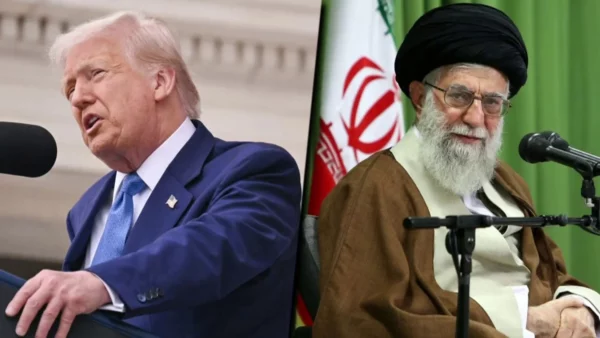
“President Putin and I will then meet in an agreed upon location, Budapest, Hungary, to see if we can bring this ‘inglorious’ War, between Russia and Ukraine, to an end,” Trump wrote, adding, “I believe great progress was made with today’s telephone conversation.”

The Kremlin’s account confirmed the call was “frank and trusting” and stated that preparations for the summit would “immediately” begin. Hungarian Prime Minister Viktor Orbán, who maintains cordial ties with Moscow and has frequently clashed with Kyiv, publicly welcomed the news, posting “We are ready!”

Image NBC News

Middle East Success as a Precedent

The President suggested his recent diplomatic success in brokering a ceasefire between Israel and Hamas has created a favorable atmosphere for the Russia-Ukraine negotiations.

“President Putin congratulated me and the United States on the Great Accomplishment of Peace in the Middle East,” Trump shared. “I actually believe that the Success in the Middle East will help in our negotiation in attaining an end to the War with Russia/Ukraine.”

However, the path to a lasting settlement remains fraught. While buoyed by the Middle East breakthrough, Trump has struggled previously to compel Putin into a serious, lasting dialogue with Kyiv. Their last face-to-face meeting in Alaska did not produce a significant diplomatic breakthrough.


The Tomahawk Gambit

The timing of the Putin-Trump call—immediately preceding the White House meeting with President Zelenskyy—is particularly significant, as missile support is expected to dominate the talks with the Ukrainian leader.

Zelenskyy has been urgently pressing Washington to approve the sale of Tomahawk cruise missiles, a major escalation that would grant Kyiv the ability to strike deep into Russian territory. Ukrainian officials argue that this threat is the only leverage that will force Putin to genuinely negotiate an end to the invasion.

President Trump has publicly floated the idea of using the Tomahawks as a bargaining chip. “Do they want to have Tomahawks going in that direction? I don’t think so,” he said previously. Yet, the Kremlin’s readout of the call suggests Putin directly cautioned Trump against the move, warning that supplying the long-range weapons would “significantly damage” relations and undermine peace prospects. The Budapest meeting, therefore, appears positioned between Ukraine’s request for maximum military pressure and Russia’s demand for de-escalation.

The US President’s high-stakes personal diplomacy will now shift from the Middle East to Eastern Europe, with the world watching to see if his unique negotiating style can succeed in bringing two entrenched adversaries to a peace table in Budapest.

Netanyahu Vows Unrelenting Pressure on Hamas in ‘Sacred Mission’ to Recover the Fallen

With the last of the surviving hostages now home, Israel’s attention has pivoted to a somber and politically charged objective: the recovery of the bodies of the fallen still held by Hamas in the ruins of the Gaza Strip.

Prime Minister Benjamin Netanyahu has vowed to exert “unrelenting pressure” on the militant group, signaling a new and delicate phase in the ceasefire agreement. While the release of the living captives brought national euphoria, the perceived slow pace and alleged deceit in returning the deceased have triggered widespread anger and put the truce to an immediate, fragile test.


The Price of Closure

The deal, brokered by international mediators, stipulated the return of all living and deceased hostages. While the living were eventually repatriated, the handover of the deceased has been halting and fraught with controversy. Of the 28 bodies Israel believes were held in Gaza when the ceasefire took effect, only a handful have been returned.

Netanyahu and senior Israeli officials have accused Hamas of a “fundamental breach of the agreement,” claiming the group is deliberately slow-walking the process despite possessing the capability to return more remains.

“We know, as a matter of fact, they can easily bring back a significant number of dead hostages and give them back according to the agreement,” Foreign Minister Gideon Sa’ar stated, dismissing Hamas’s claims of logistical difficulty.

The Prime Minister has convened high-level security meetings to discuss potential responses, with options ranging from an explicit ultimatum to the immediate restriction of humanitarian aid into Gaza. Israel has already shared precise intelligence and coordinates on burial locations with mediators, underscoring its determination to leave no doubt as to the scope of Hamas’s responsibility.


Trump Netanyahy Gaza war

A Massive and Morbid Challenge

Hamas, through mediators, maintains that the unprecedented destruction in Gaza presents a “massive challenge” to the recovery effort. The group claims some bodies are lost beneath tons of rubble, in collapsed tunnels, or in areas too dangerous to access without heavy equipment and specialized teams.

The International Committee of the Red Cross has echoed this assessment, cautioning that finding all the remains could take weeks, or in some cases, may prove impossible. The complexity was tragically underscored when one of the bodies recently handed over by Hamas was later identified by Israeli forensics as not belonging to a missing hostage.

For the bereaved families, the agonizing wait is compounded by this diplomatic and logistical limbo. They have made impassioned pleas to international envoys, urging them to “pull out every stop and leave no stone unturned” to bring their loved ones home for a proper burial. For many Israelis, the return of the fallen is not merely a technicality of the deal, but a “moral, national and Jewish duty.”

The pressure point has quickly become humanitarian aid. Following the slow return, Israel’s response has included delaying the opening of the crucial Rafah crossing and halving the number of aid trucks permitted into the Strip—a move that places the survival of the ceasefire in jeopardy.

As the remains of the initially returned hostages are laid to rest, the national trauma remains an open wound. Prime Minister Netanyahu’s pledge to bring home the remaining fallen is now the focal point of the nation’s demand for closure, transforming a humanitarian operation into a high-stakes diplomatic confrontation that will define the durability of the truce.

Catastrophe on the Corn Belt: Why Illinois’ Grain Silos Keep Collapsing

MARTINTON, Ill.—The heart of the American corn belt, Illinois, is routinely shaken by a disaster unique to its landscape: the catastrophic failure of its massive grain silos. These towering structures, which are essential to the state’s multi-billion-dollar agriculture industry, have become sites of sudden structural collapse and deadly worker entrapment, exposing a persistent crisis of aging infrastructure and hazardous operational practices.

A recent, dramatic example saw a concrete grain bin full of soybeans collapse in Martinton, Illinois, forcing emergency crews to flee moments before the structure snapped in half. This incident, which took out power lines and caused a widespread outage, is just one in a recurring pattern of failures across the state.


The Invisible Threats to a Visible Landmark

Grain silos and elevators, once heralded as the “skyscrapers” of the prairies, are subject to immense internal and external forces that can lead to sudden, total failure. Experts and investigators point to a lethal combination of factors:

1. Structural Aging and Corrosion

Many of Illinois’ grain storage facilities are decades old. Over time, exposure to moisture, chemicals, and extreme weather causes corrosion that thins the steel around seams and joints. Even minor foundation shifts or cracks can create catastrophic structural instability. As facilities strive to increase their handling capacity, older structures are often forced to handle heavier-than-designed loads, accelerating wear.

2. Uneven Loading and Unloading

The most critical stressor often comes from inside the silo itself. Grain behaves like a pressurized fluid; its weight is tremendous and must be distributed evenly.

  • Asymmetric Pressure: Collapses often occur during the unloading process. If grain is drawn out from an off-center spout, or if blockages create an uneven distribution, the resulting asymmetrical pressure on the silo wall can cause it to buckle and tear.
  • Over-Loading: Exceeding a bin’s peak load capacity, especially on older bins, puts dangerous stress on the roof and supporting infrastructure.

3. Dust Explosions and Fires

In facilities like the ethanol plant in Peoria, Illinois, where an explosion caused massive silo damage, the danger is combustible grain dust. Grain dust is highly flammable. A small spark from static electricity, a metal-on-metal strike, or faulty wiring can trigger a dust explosion that blows the silo apart, causing structural collapse and severe burns.


The Human Cost: A Matter of Life and Death

Beyond the material damage, silo failures are inextricably linked to the ongoing tragedy of grain entrapment. Illinois has seen a number of recent, high-profile entrapment cases, some resulting in fatalities.

These deaths are often the result of dangerously inadequate safety protocols:

  • The “Quicksand” Effect: A worker standing on moving or flowing grain will be trapped within five seconds and completely covered in under thirty seconds. Moving grain creates a vortex with a compression force likened to an 80,000-pound truck on a person’s chest.
  • The Bridge Collapse: Damp or clumped grain can form a “bridge” over an empty space created by unloading. When a worker walks onto this seemingly stable surface, the bridge can collapse instantly, burying them.
  • OSHA Violations: Following a deadly 2010 incident in Mount Carroll where two teenagers were killed, federal investigations revealed that employers had willfully violated safety laws, including directing workers to “walk down the grain” and failing to shut down mechanical equipment—a stark reminder that many incidents are preventable.

Federal agencies have repeatedly cited Illinois grain operators for serious violations, pushing for greater adherence to the lockout/tagout standards and requiring safety harnesses.

For a state built on farming, the risks associated with the grain silo—a necessity of the trade—remain a harsh, persistent reality, demanding greater vigilance, maintenance, and adherence to safety protocols to protect both infrastructure and human lives.

India Cools on Trump’s Claim That Modi Pledged to Halt Russian Oil

India has cast immediate and significant doubt on President Donald Trump’s dramatic claim that he has secured a promise from Prime Minister Narendra Modi to halt all purchases of Russian oil, signaling a geopolitical disconnect over one of the world’s most contentious energy deals.

Hours after President Trump told reporters at the White House that Mr. Modi had “assured me today that they will not be buying oil from Russia,” New Delhi responded with a calibrated but firm statement that avoided direct confirmation or denial, instead refocusing on its core principle of energy independence.

The official response from the Ministry of External Affairs (MEA) spokesperson Randhir Jaiswal emphasized that India’s oil policies are guided “entirely by the objective” of safeguarding Indian consumers’ interests in a volatile market. The statement stressed the “twin goals” of the nation’s energy policy: stable prices and secure supplies.

Crucially, when pressed on the specifics of the alleged conversation, the MEA spokesperson stated he was “not aware of any conversation yesterday” between the two leaders, appearing to directly contradict the timeline of the President’s public announcement.

The Price of Independence

The diplomatic kerfuffle highlights the intense pressure Washington has been exerting on New Delhi to sever its energy ties with Moscow, which the U.S. views as indirectly funding Russia’s war in Ukraine. India, however, has consistently defended its actions on the grounds of national economic security.

Since the beginning of the Ukraine conflict, India has become the largest buyer of discounted Russian seaborne crude after China, taking advantage of steep price cuts. This discounted supply has been a key factor in shielding India’s consumers from global energy inflation.

President Trump has made his displeasure clear, previously imposing 50% tariffs on Indian exports—a penalty that New Delhi has deemed “unfair” and “unjustified.” His latest public declaration was seen as a major breakthrough in ongoing, fraught trade negotiations.

The Economic Reality vs. The Political Claim

While the political rhetoric heats up, the economic reality on the ground remains complex. Sources in the Indian refining sector indicated that an immediate or sudden halt to Russian crude purchases would be logistically and economically disastrous, potentially triggering a major inflationary spiral at home.

However, amidst the heightened pressure, there are signals that India is looking to broaden its sourcing options:

  • Diversification: The MEA statement confirmed that New Delhi is looking to “broad-base” its energy sourcing, and Trade Secretary Rajesh Agrawal recently indicated a willingness to significantly increase purchases of U.S. oil and gas, suggesting a potential $15 billion “headroom” for procurement from America.
  • Market Dynamics: Separately, market data suggests that the deep discounts on Russian crude have begun to narrow, causing a recent, minor dip in imports as refiners seek out alternative sources in the Middle East and elsewhere based purely on cost-competitiveness.

The diplomatic tightrope walk has not gone unnoticed by the opposition in India, with Congress leaders quick to use the President’s claim to accuse Prime Minister Modi of having “outsourced key decisions to America.”

For now, India’s public posture remains one of defiant independence: its energy policy is dictated by the needs of its 1.4 billion people, not by the demands of a strategic partner. The global energy market, it seems, is still ruled by price, not political pledges.

How Your Hormones Are Controlling Your Thoughts, Mood, and Memory

0

Forget the simple stereotype of hormones just governing puberty and periods. A quiet but powerful system of chemical messengers circulating in your blood is, in fact, the chief conductor of your mind’s entire orchestra—dictating your stress levels, sparking your motivation, and even shaping your memories. This is the realm of neuroendocrinology, and its discoveries are forcing us to redefine what truly controls our mental and emotional lives.

The truth is, your brain is not merely a collection of neurons; it is a sensitive, hormone-reactive organ, and the slightest fluctuation in its chemical environment can be the difference between a day of focused productivity and a spiral of anxiety.


The Big Four That Dictate Your Day

While dozens of hormones influence your brain, four key players stand out as the primary architects of your mood and cognition:

1. Cortisol: The Double-Edged Sword of Stress

Known as the “stress hormone,” cortisol is secreted by the adrenal glands to trigger your body’s essential “fight-or-flight” response. A sudden spike can save you in an emergency. But chronic, elevated levels—a hallmark of modern life—are toxic to the brain.

  • The Mind Impact: Sustained high cortisol levels have been repeatedly linked to anxiety disorders, irritability, and even depression. More alarmingly, they are known to impair the hippocampus, the brain region essential for memory formation and concentration, leading to the common experience of “brain fog” under pressure.

2. Serotonin and Dopamine: The Axis of Happiness

These two neurotransmitters, which also act as hormones, form the core of your emotional well-being.

  • Serotonin: Often called the “feel-good” chemical, it is critical for stabilizing mood, sleep, and appetite. Low levels are famously associated with clinical depression and anxiety.
  • Dopamine: This is the “reward hormone.” It’s responsible for feelings of pleasure, but its main job is to drive motivation and focus. It creates the urge to seek a reward, whether it’s checking your phone, earning a promotion, or finishing a workout. A deficiency can lead to apathy and a profound lack of enthusiasm.

3. Sex Hormones: The Cognitive Protectors

Estrogen and Testosterone are not just about reproduction; they are vital for maintaining brain structure and function in both sexes.

  • Estrogen: Particularly in women, estrogen has a neuroprotective effect. It supports neuron growth and regulates other neurotransmitters. The rapid decline during menopause is why many women experience symptoms like memory lapses, brain fog, and mood instability.
  • Testosterone: While primarily a male hormone, it impacts mood and overall well-being in women, too. Low levels in both men and women have been associated with fatigue, low motivation, and an increased risk of depression.

The Critical Window for Intervention

The most profound effects of hormonal control are seen when the system shifts. Researchers have identified critical periods in life—such as puberty, pregnancy, and the transition to menopause—where dramatic hormonal fluctuations make the brain most vulnerable to mood and cognitive changes.

For instance, studies have shown that women may be at a higher risk for cognitive decline due to the significant drop in estrogen, which affects the brain’s energy levels and protective functions. The ongoing research suggests that understanding these hormonal shifts is key to early intervention, whether through lifestyle changes or targeted therapies.


Reclaiming Control: Working With Your Biochemistry

The science of neuroendocrinology offers a powerful takeaway: our internal state is not purely a matter of will or character, but a tangible, physical process we can influence. You can’t stop the flow of hormones, but you can manage the environmental cues that trigger them.

Top journalists always advise on actionability, and here the prescription from science is clear:

  • Target Cortisol: Practices like mindfulness, deep breathing, and meditation are scientifically proven to reduce circulating cortisol levels, directly promoting emotional resilience.
  • Boost the Happy Hormones: Regular exercise is a potent trigger for both dopamine and endorphins. Exposure to natural sunlight helps boost serotonin production.
  • Prioritize Sleep: Quality sleep is non-negotiable for hormonal reset. Consistent sleep hygiene helps restore the delicate balance, particularly for dopamine and the body’s entire stress system.

The mind is deeply connected to the body’s chemistry. By recognizing our hormones as the chemical puppet masters, we gain the necessary insight to pull the strings ourselves and build a more stable, motivated, and resilient mind.

Mindful Mondays: How Teenagers Are Hacking Mental Health Stigma with a Groundbreaking App

STAFFORDSHIRE, UK—In a compelling demonstration of youth leadership, a group of high school students has not waited for adult institutions to solve the burgeoning teen mental health crisis, but instead has engineered their own solution: a revolutionary app designed to dismantle the very stigma that silences their peers.

The six students from Blythe Bridge High School—Sophie Hodgkinson, Anneliese Costain, Tilly Hyatt, Lucie Woodworth, Paris Bell, and Lydia Booth—have not only won a prestigious competition organized by the suicide prevention charity, the Oli Leigh Trust, but are now seeing their winning concept, “Mindful Mondays,” move into development.

The app’s design is a direct, intuitive response to the invisible pressures of adolescence, a space the creators feel adults often fail to fully grasp.

“A lot of people struggle with it silently and don’t feel like it’s okay to talk about it,” says 15-year-old Sophie Hodgkinson. “There’s a lot of negative stigma around it.”

Built for Teens, by Teens

The team’s key insight is the need for a solution born from within the peer group itself. Tilly Hyatt emphasized the strategic advantage of this perspective, noting, “We know what causes the stress and how to help it.”

Unlike many clinically-driven mental wellness tools, Mindful Mondays is focused on creating a non-judgmental, anonymous digital sanctuary. The app is set to offer students a safe space to share their mental health struggles without fear of identification, and it will incorporate positive, incremental challenges aimed at gradually improving well-being.

“It will build towards having the positive foundation, so people can be happier, focus better in school, and help in small increments to have better mental health in the future,” explained team member Anneliese Costain.

The app directly tackles one of the biggest barriers to help-seeking for young people: the fear of being labeled or misunderstood. By keeping the conversations anonymous and peer-focused, the teens are leveraging the power of shared experience—the understanding that you are not alone—to shatter the wall of isolation.

A Critical Gap in Support

The project underscores a growing recognition of the strains on the educational system, where dedicated teachers are increasingly tasked with a crisis beyond their training. Kristopher Knight, a science teacher at the school who backed the initiative, pointed to the widespread impact of mental health issues in schools.

“We are seeing students not attending lessons, and a lot of this is about a lack of provisions in and out of schools,” Mr. Knight commented. He stressed that while educators are there to support students, their primary role is teaching, creating a provision gap the students’ app is positioned to fill.

Mr. Knight expressed immense pride in the ingenuity of his students, calling their effort “a positive thing.”

The launch of Mindful Mondays represents a hopeful new chapter in the digital mental health landscape. It is a powerful example of Gen Z utilizing technology not just for social connection, but as a tool for collective healing—a peer-to-peer prescription for a generation that desperately needs to feel heard. The success of this student-led innovation may not just improve life at one high school, but could serve as a blueprint for grassroots mental health intervention across the country and beyond.

ChatGPT: OpenAI to Unleash Erotica for Verified Adults in Major Policy Shift

The strict content guardrails of ChatGPT are set to fall for adult users, as OpenAI CEO Sam Altman announced a dramatic policy reversal that will allow the platform to generate “erotica for verified adults” starting in December. The move, framed by the company as a step to “treat adult users like adults,” marks a significant evolution for the world’s most famous generative AI tool, pivoting from cautious utility toward creative freedom and, potentially, massive new user engagement.

Altman revealed the change in a post on X (formerly Twitter) on Tuesday, signaling the end of the strict censorship that has long frustrated users seeking to create fiction, poetry, or other mature content.

“We made ChatGPT pretty restrictive to make sure we were being careful with mental health issues,” Altman wrote, referencing the company’s heightened safety posture following a high-profile lawsuit concerning a minor’s suicide. “We realize this made it less useful/enjoyable to many users who had no mental health problems… Now that we have been able to mitigate the serious mental health issues and have new tools, we are going to be able to safely relax the restrictions in most cases.”

The key to this loosening of controls is a new, more robust age-verification system, or “age-gating,” which OpenAI plans to roll out more fully in the coming weeks and months. This technological firewall is intended to create a two-tiered experience, ensuring that users under the age of 18 remain protected by stricter filters while verified adults are granted access to a wider range of content.

The Race for Personalization

The move into mature content—a domain that rival chatbot platforms, most notably Elon Musk’s Grok, have already begun to explore—underscores the heated competition in the AI sector. However, the policy shift goes beyond just adult themes.

OpenAI is simultaneously introducing an update that will allow users unprecedented control over the chatbot’s personality and tone. “If you want your ChatGPT to respond in a very human-like way, or use a ton of emoji, or act like a friend, ChatGPT should do it,” Altman stated, emphasizing that this personalization will be user-dictated, not an automatic feature to maximize usage.

This new level of expressiveness, combined with the allowance of erotica, positions ChatGPT not just as an information tool, but as a customizable companion and creative partner, catering to a deeper emotional and imaginative connection for millions of users.

Regulatory and Ethical Minefield

The decision has immediately drawn fire from advocacy groups and raised red flags among regulators. Critics argue that even the most robust age-verification systems are susceptible to workarounds, creating a persistent risk of exposing minors to inappropriate content.

“Sexualized AI chatbots are inherently risky, generating real mental health harms from synthetic intimacy,” warned one conservative advocacy group, urging OpenAI to reverse its plan and focus on the company’s stated mission of building positive AI for humanity.

Furthermore, legal experts are scrutinizing the potential for AI-generated erotica to be misused for non-consensual content or the creation of deepfakes, pushing the boundaries of ethical AI development into a fraught new territory.

As the December deadline approaches, the pressure is mounting on OpenAI to demonstrate that its technical safeguards can match the company’s philosophical commitment to user freedom without sacrificing safety. The success or failure of this experiment will set a crucial precedent for how future AI platforms manage the complex and often contradictory demands of personal expression and public safety.

US Revokes Visas Over ‘Celebration’ of Charlie Kirk’s Assassination

In an unprecedented move that is sending shockwaves through international diplomatic and civil liberties circles, the US State Department has announced the revocation of visas for at least six foreign nationals, citing their “derisive” or “celebratory” comments on social media following the assassination of conservative activist Charlie Kirk.

The action, revealed late Tuesday—coinciding with what would have been Kirk’s 32nd birthday and the day President Donald Trump posthumously awarded him the Presidential Medal of Freedom—escalates the administration’s aggressive crackdown on speech deemed disrespectful or hateful toward the slain figure.

‘No Obligation to Host’

In a blunt statement posted on X, the State Department declared that the United States has “no obligation to host foreigners who wish death on Americans” and warned that “Aliens who take advantage of America’s hospitality while celebrating the assassination of our citizens will be removed.”

The department then publicly cataloged screenshots of posts made by individuals identified only by their nationality—from Argentina, Brazil, Germany, Mexico, Paraguay, and South Africa—detailing the content that led to the revocations. Examples included an Argentine national who allegedly said Kirk “deserves to burn in hell” and a German national whose comment translated to, “when fascists die, democrats don’t complain.”

The move marks the most visible step yet in a campaign initiated just hours after Kirk’s death in September, when Deputy Secretary of State Christopher Landau instructed consular officials to begin monitoring social media for posts “praising, rationalizing, or making light of the event,” and inviting the public to report such comments.

Free Speech Concerns Clash with Government Authority

The revocations have instantly ignited a fierce debate over the limits of free speech and the government’s power to penalize foreigners for expression made outside of the US. While the First Amendment primarily restricts government censorship of speech within the country, legal experts are divided on whether this standard applies fully to visa holders whose residency is a privilege, not a right.

Critics, including former State Department legal advisers, have condemned the action as a “First Amendment violation” in principle and an act of political retaliation. “This goes against all the values that one has known about America,” stated Nhlamulo Baloyi, a South African national whose business visa was revoked, confirming his identity to The Washington Post after seeing his post displayed online by the State Department.

The US government, however, is standing firm. Secretary of State Marco Rubio and other administration figures have framed the action as a matter of national security and cultural defense.

Charlie Kirk memorial

The Wider Reprisal

The visa revocations are part of a broader, chilling wave of reprisals across the US in the aftermath of Kirk’s assassination. Hundreds of individuals, including professors, journalists, and Defense Department employees, have faced termination, suspension, or investigation for making critical or flippant comments online about the conservative firebrand.

The decision to target foreigners now signals an expansion of this punitive campaign beyond domestic workplaces, effectively establishing a new ideological boundary for entry into the United States—one where critical political speech against a figures deemed a “martyr” can be grounds for expulsion or denial of access.

As the White House formally canonizes Charlie Kirk’s legacy, the State Department’s “Digital Purge” is setting a perilous precedent, transforming the monitoring of global political sentiment into a new tool of US immigration and foreign policy. The ultimate question now rests on whether this administrative power grab will withstand legal challenge, or if a global chilling effect on political commentary is here to stay.

US and UK Seize Record $15 Billion in Bitcoin from Forced-Labour Scam Empire

In a landmark action against transnational cybercrime and human trafficking, US and UK authorities have executed a coordinated crackdown that resulted in the seizure of approximately 127,000 Bitcoin, valued at an estimated $15 billion, and the indictment of the alleged mastermind behind a sprawling Southeast Asian fraud network.

The colossal haul, which the US Department of Justice (DOJ) confirmed as the largest financial forfeiture action in its history, is linked to a sophisticated criminal enterprise that allegedly used forced-labour compounds in Cambodia to run massive online scams, including “pig butchering” crypto-investment fraud.

The Fugitive Conglomerate Chairman

Federal prosecutors in Brooklyn unsealed an indictment on Tuesday charging Chen Zhi, the 38-year-old chairman of the multibillion-dollar Cambodian conglomerate Prince Holding Group, with wire fraud conspiracy and money laundering conspiracy. Chen, a dual UK and Cambodian national, remains at large.

The indictment paints a chilling picture of an operation built on deception and cruelty. Prosecutors allege that Chen’s organization trafficked hundreds of workers, holding them captive in prison-like compounds in Cambodia, surrounded by high walls and barbed wire. These workers were allegedly forced to execute the scams on an industrial scale, cultivating online relationships with victims across the globe before convincing them to transfer life savings into fraudulent cryptocurrency platforms.

“The rapid rise of transnational fraud has cost American citizens billions of dollars, with life savings wiped out in minutes,” said Treasury Secretary Scott Bessent in a statement. The US Treasury Department estimates that Americans lost over $10 billion to Southeast Asian scammers in 2024 alone.

Sanctions and Seized Luxury Assets

The coordinated effort saw the US Treasury Department’s Office of Foreign Assets Control (OFAC) and the UK’s Foreign, Commonwealth, and Development Office (FCDO) impose sweeping sanctions on the Prince Group, which the Treasury has formally designated a transnational criminal organization.

In London, British officials announced the freezing of several high-value assets belonging to Chen and his associates. These are believed to include an opulent mansion on Avenue Road—one of the city’s most exclusive addresses—and a major office block in the heart of the City of London’s financial district.

US prosecutors detailed the lavish lifestyle funded by the fraud, stating that Chen and his co-conspirators spent stolen funds on luxury travel, yachts, private jets, high-end collectibles, and a Picasso painting acquired through a New York auction house. The massive Bitcoin seizure represents the digital lifeblood of this empire.

A Blow Against ‘Pig Butchering’

The “pig butchering” scams, so-named because the criminals “fatten” the victim with romantic or friendly conversation before the financial “butchery,” are a growing global threat. The scale of the forfeiture—$15 billion—sends a clear signal that law enforcement is dramatically increasing its capability to trace and seize illicit digital assets.

FBI Director Kash Patel hailed the operation as one of the largest financial fraud takedowns in history, underscoring the severity of the alleged crimes, which include documented evidence of violence against the trafficked workers.

With Chen Zhi remaining a fugitive, the focus now shifts to an international manhunt and the potential use of the seized Bitcoin to compensate the thousands of victims defrauded by one of Asia’s largest alleged criminal syndicates. The coordinated strike by the US and UK is being hailed by analysts as a pivotal moment in the global fight against crypto-enabled organized crime.