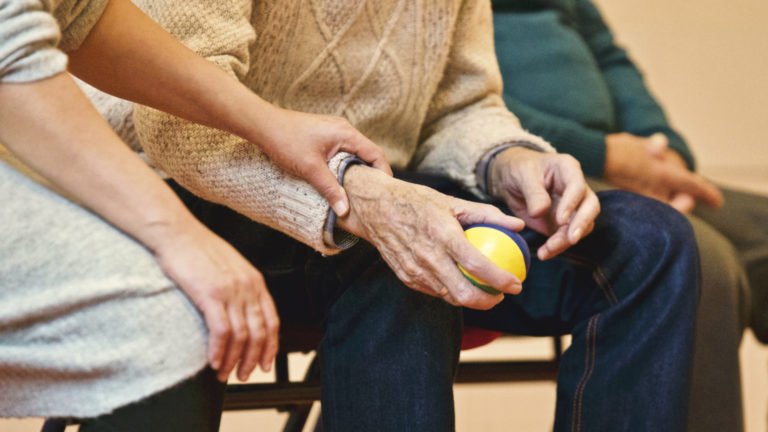

Governments from around the world have asked people to stay at home to help preventing and slowing down the spread of coronavirus.
Self-isolating means cutting
yourself off from the rest of the world.
From now on, if one person in a
household starts to display flu-like symptoms – defined as a fever of above 100F
(37.8C) or a persistent cough – everyone living there must stay at home for 14
days.
The person with the symptoms should stay in a well-ventilated room with a
window that can be opened, and keep away from other people in the home.
They should ask for help for groceries, other shopping or medication, which
can be dropped off on the doorstep by friends, family or delivery drivers.
The Covid-19 disease can cause a fever, cough and breathing problems. It
takes five days on average for people to start showing the symptoms.
What if someone self-isolating shares a home?
If someone is self-isolating and shares a kitchen, they should try to avoid
using it when other people are there and take meals back to their room to eat.
Clean all the surfaces at home with household cleaning products daily.
Although they might not be able to entirely separate themselves from family
members or flat-mates, the advice is to limit contact as much as possible.
If possible, stay at least 6ft from other people they live with and sleep
alone. Keep away from vulnerable people.
People living with someone in isolation should wash their hands often, using
soap and water for at least 20 seconds – especially after coming into contact
with them.
Other people shouldn’t share towels, toiletries or other household items
with someone in isolation, who should have a separate bathroom. If that is not
possible, the isolated person should use the bathroom last, cleaning it
thoroughly afterwards if they are able.
Any rubbish that the isolated person has been in contact with should be double-bagged and kept.
Authorities in most of the coronavirus affected countries
have asked people to stop non-essential contact with others and avoid all
unnecessary travel. This is known as social distancing.
Social distancing means trying to
avoid contact with other people.
It means spending less time in
public places, where a lot of people are around.
Usually, governments want:
People to start working from home wherever possible
All unnecessary travel stopped
Restaurants, pubs, clubs, theatres and other such social venues to be avoided
Stay at least 6ft from other people
Keep away from vulnerable people
Anyone living with someone who has a cough or a temperature to stay at home for 14 days.
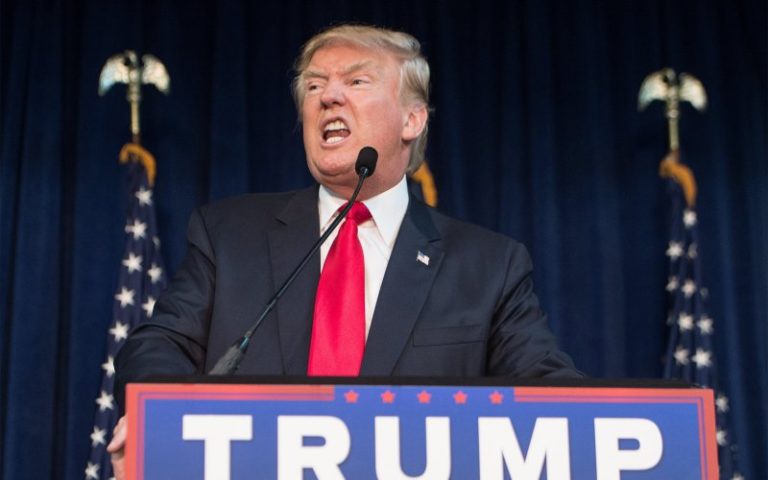
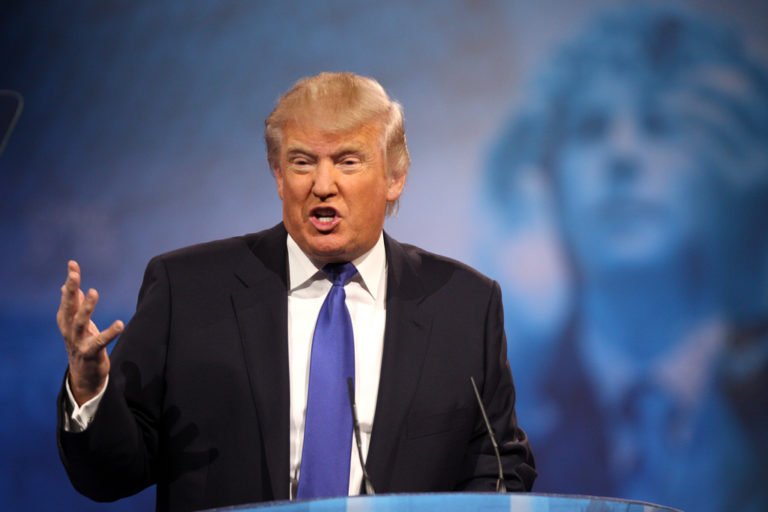
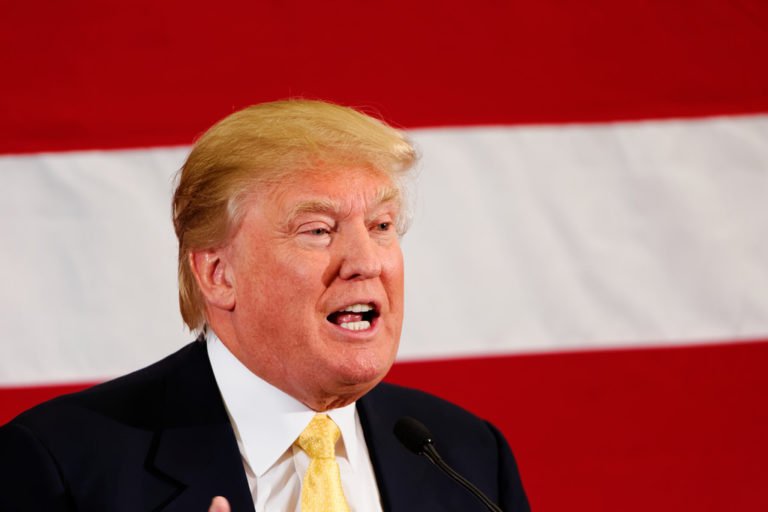
The US coronavirus emergency could
last until the end of the summer or even longer, President Donald Trump told reporters
at the White House on March 16.
The US has so far had 4,100 cases of
the virus and 71 deaths.
The president said over the next 15
days, Americans should not gather in groups of more than 10 people and avoid
bars, restaurants, food courts and crowds.
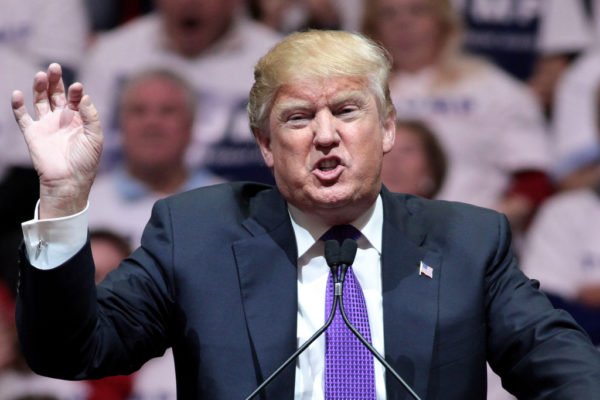
Donald Trump said the US is facing
“an invisible enemy” that is “so contagious”.
According to a tally from Johns
Hopkins University, there have been more than 174,000 confirmed cases of
coronavirus globally and over 6,700 deaths.
Under the US coronavirus task
force’s new guidelines, President Trump urged all older Americans to stay home.
Work and schooling should be at home.
Discretionary travel, shopping trips
and social visits should be avoided.
Anyone in a household who tests
positive for the virus should stay at home along with everyone who lives there.
Asked how long the emergency will
last, President Trump said: “People
are talking about July, August, something like that, so it could be right in
that period of time where I say, it washes through.”
The president continued: “They think August, could be July,
could be longer than that.”
He said he was not considering a
national curfew or lockdown, though added:
“We may look at certain areas, certain hot spots as they call them.”
President Trump said he had not yet
decided to close the US-Canada border, but told reporters it was something the
administration was considering.
He also addressed issues of testing,
as the US has been criticized for lagging far behind smaller countries in
getting tests out to the states.
Officials said on March 16 that a
million tests were currently available and more would be coming this week.
“A lot of testing has been going on,” President Trump said, though he also noted that those
without symptoms should not get the test.
“Not everybody should run out and get the test, but
we’re able to handle tremendous numbers.”
Health officials also said they are
due to add 30 million masks to the US supply and are shipping out gear and
health workers to bolster local testing efforts.
Asked how he would score his
administration’s response to the crisis on a scale of one to 10, President
Trump said: “I’d rate it a 10. I
think we’ve done a great job.”
White House coronavirus response coordinator
Dr. Deborah Birx, who joined the president, issued an appeal directly to
millennials, asking them to limit social contact.
She said: “They are the core people that will stop this virus.
“We really want people to be separated.”
Dr. Birx also warned against
socializing even if people feel well.
She said: “We know that there is a large group of infected people who are
asymptomatic, who continue to spread the virus.”
VP Mike Pence, who is leading the
coronavirus taskforce, told reporters he had not been tested yet.
He said: “I’m in regular consultation with the White House physician and he said I’ve not been exposed to anyone for any period of time that has had the coronavirus and that my wife and I have had no symptoms.”
Global stocks have plunged again despite
central banks around the world announcing a coordinated effort to ease the effects
of the new coronavirus.
The Dow Jones index closed 12.9% down after President Donald Trump said the
economy “may be” heading for recession.
Meanwhile, London’s FTSE 100 ended 4% lower, and other major European
markets saw similar slides.
On March 15, the Fed cut its interest rates by 100 basis points to a target
range of 0% to 0.25% and said it would offer at least $700 billion for support
to the markets in the coming weeks.
The move was part of coordinated action announced alongside the eurozone,
the UK, Japan, Canada, and Switzerland.
It comes as local officials across the US shut schools, restaurants and
bars, sports leagues cancel tournaments, and retailers such as Urban
Outfitters, Nike, and Gap announce hundreds of temporary store closures.
Speaking after the announcement, Fed chairman Jerome Powell said: “The virus is having a profound
effect.”
Investors are worried that central banks now have few options left to combat
the impact of the pandemic.
In New York, steep falls as markets opened triggered another automatic halt
to trading, which is meant to curb panic selling. Before last week, such halts,
known as circuit breakers, had not been used in more than two decades.
However, the sell-off continued after the 15-minute suspension, with the Dow
losing nearly 3,000 points or 12.9%, its worst percentage drop since 1987.
The wider S&P 500 dropped 11.9%, while NASDAQ dropped 12.3%. All three
indexes are now down more than 25% from their highs.
In London, companies in the travel sector saw big falls. Share in holiday
company Tui sank more than 27% after it said it would suspend the
“majority” of its operations. BA-owner IAG fell more than 25% after
it said it would cut its flight capacity by at least 75% in April and May.
The FTSE 250, which includes a number of well-known UK-focused companies,
ended down about 7.8%.
All the main European share indexes fell sharply, though they later regained
some ground. France’s Cac 40 index fell more than 5.7% and Germany’s Dax
dropped more than 5.3%.
In Asia, Japan’s benchmark Nikkei 225 closed down 2.5% and the Shanghai
Composite in China ended the day 3.3% lower.
Oil prices, which have been shaken by a price war between exporters, fell again. Brent crude dropped by more than 10% to less than $32 a barrel while West Texas International crude fell more than 8% to less than $30 a barrel.
According to recent reports, the first human
trial of a vaccine to protect against pandemic coronavirus is starting in the
US on March 16.
Forty five healthy volunteers will have the jab, at the Kaiser Permanente
research facility, in Seattle.
According to experts, the vaccine cannot cause Covid-19 but contains a
harmless genetic code copied from the virus that causes the disease.
It will still take many months to know if this vaccine, or others also in
research, will work, experts say.
Scientists around the world are fast-tracking research.
This first human trial, funded by the National Institutes of Health,
sidesteps a check that would normally be conducted – making sure the vaccine
can trigger an immune response in animals.
However, the biotechnology company behind the work, Moderna Therapeutics, says the vaccine has been made using a tried and tested process.
Don’t learn the hard way that your home insurance doesn’t cover the damage a hurricane or flood causes. If you just moved to a hurricane-prone area then you need to research the types of insurance that cover damage if one affects your property. In 2019, 18 named storms hit the USA, from which six became hurricanes and three reached Category 3 or higher intensity. Statistics show that a typical year has 12 named storms, six hurricanes, and 3 major hurricanes, so chances are your house to experience damage every year. If you lack comprehensive coverage, you’ll find difficult to handle the repairs, even if you have a high-paid job. And what’s the point of spending thousands of dollars annually when you can buy the insurance and have all the damage covered.
Most of the homeowners located in hurricane-prone areas buy flood insurance because it offers the greatest benefits. Here is what you should know.
Why should you get flood insurance?
Even if the local authorities don’t establish flood insurance mandatory for homes in your area, you should consider getting it. The hurricanes that move slowly often cause rains that generate damage by flooding. So, not only aggressive hurricanes destroy houses.
If
you have a mortgage on the house, the lender will ask you to purchase flood
insurance when the property is located in a flood hazard area. Do you still
have doubts? Here are some reasons to consider buying comprehensive coverage.
It saves you money
It’s wise to be prepared for natural disasters, no matter if you live in a flood-prone area or not. If one damages your house you can spend thousands or even hundreds of dollars to repair it, if you lack insurance. FEMA states that 3 inches of floodwater can generate $8000 costs when you have no insurance. Only 3 inches of water require replacement of floors, carpets, furniture, baseboards, hardwood, and drywalls. It destroys everything that touches the floors.
An
average storm or rain can cause 12 inches of water in a flood-prone area, so
you’ll need to pay for more than floors and carpets, you need to repair the
electrical system, buy new appliances, and install a new heating and cooling
system. A serious flood can cost more than $30,000.
Your standard insurance doesn’t protect you from flood
It
may be surprising to find out that regular insurance doesn’t cover for
hurricanes and flood, but usually homeowner’s insurance only protects you
against water pouring from the sky.
This
means that your insurance doesn’t cover floodwaters and you need to purchase
one created for this specific damage.
Floods are the most common natural disaster
It’s terrifying to find out that floods are the most common natural disaster because it’s pricey to repair the damages they create. Americans pay annually $8.2 million to fix flood damages. And the bad news is that flooding doesn’t come alone, it’s often accompanied by other forms of natural disasters like hurricanes, tornadoes, storms and earthquakes.
Buying
a comprehensive policy protects your house not only from flooding but also if
your neighbour overflows your house.
Where to find it?
You
need to contact the local insurance brokers to find out their offers and
compare services. Run an Internet search to identify the most reliable brokers
from your area. You can also find an agent through the National Flood Insurance
Program managed by the Federal Emergency Management Agency. Flood insurance is
available to all homeowners located in a hurricane-prone area.
Each
insurance provider offers different flood insurances, but most of them don’t
include the following services in the flood policy.
Water from inside the house
To
use the coverage to pay for flood damage the water must come from outside your
home. If something breaks inside the house (a pipe for example) and it
inundates one of the rooms, the flood coverage doesn’t pay for the repairs. You
need to use the homeowner policy for these expenses.
It doesn’t cover landscaping and swimming pools
If
your swimming pool breaks and drowns your property, you cannot use the
insurance to repair the damage. And even if water outside your house destroys
your property, the broker won’t reimburse for gardens, trees, and other
landscaping elements.
It only covers big floods
Some
companies cover only big floods that cover more than two acres or that affect
at least two properties in the same area. Also, if your house experiences mould
or mildew damage you could have prevented, it may not pay for the
deterioration.
It doesn’t include money and important papers
Most
policies don’t pay for the value of precious metals and stones, stock
certificates, currency, and other valuable papers you may keep inside the
house. It’s advisable to keep them in a safe place where natural disasters
cannot destroy them.
It doesn’t pay for improvements made to below-ground areas
You may want to transform your basement in a man cave, but before doing it you should know that flood insurance doesn’t cover the improvements. When living in a hurricane-prone area it’s recommended to remove all personal property from the basement because water can inundate it. Store in the basement only items you can spare.
Buying home insurance
Before
you purchase flood insurance, speak to your local broker to find out how much
insurance you need and what it covers. Most companies have a waiting period
before the policy is in force, so you shouldn’t wait until the first signs of a
storm appear.
When
your current provider doesn’t sell flood insurance you can buy a separate one
from another one. But before contacting them, document all improvements you
brought to your property. Last but not least, ask the broker what costs does
the policy cover because the majority of them don’t pay all replacement costs.
They usually focus on reimbursing your home’s structure and contents.
When you’re looking at a whole heap of debt, anything promising to make it easier to manage is a good thing — right?
Well, yes and no.
Sometimes different isn’t good, bad, better — nor worse.
Different can be just different.
With that said, consolidating all your eligible debts into a single loan will make your situation different. That goes without question. However, whether that difference will be beneficial depends upon a number of circumstances.
Long story short, if you’re wondering if debt consolidation is a bad thing, the answer is — it depends.
Let’s look.
Image source Flickr
How Debt Consolidation Works
As the term implies, debt consolidation is the process of combining as many of your outstanding debts as possible into a single loan. The oft-touted advantages include the opportunity for a lower interest rate, a lower monthly payment, a more easily managed situation and the potential to raise your credit score.
“OK,” you say, “sounds good so far, so what’s there to consider?”
How’s Your Credit?
If you have a strong credit score, you’ll qualify for a debt consolidation loan at a lower interest rate than if you’re currently having credit issues. That lower interest rate will typically be the difference between making a consolidation loan a good deal and a bad deal.
After all, the goal is to reduce the amount of interest you must pay and ideally, your monthly payment as well. If you allow yourself to get locked into a high-interest loan because your credit score is low, you could make your situation worse — even with a lower monthly payment. You’ll have to accept a longer repayment term to make the payments reasonable, which means you’ll pay more.
What Kind of Loan Are We Talking About?
Some people refinance their homes or use home equity lines of credit to pay off debt. Most financial experts advise against this, as it’s effectively trading unsecured debt for secured debt. In other words, you’ll be putting your home at risk to pay off debt for which the worst consequence would otherwise be a negative mark on your credit report.
Credit card debt is the type most often consolidated, along with medical debt and student loans. These obligations are secured only by your promise to repay. If you trade them for debt secured by an interest in your home, you could be forced to sell your house to pay off the lender if you hit a rough patch and can’t make your payments.
Do You Have Self-Control?
Let’s say you have five credit card accounts, each one at or near its limit. The minimum payments on them are adding up to more than you will soon be able to continue to comfortably manage each month. However, your credit score is still pretty good.
You take a consolidation loan at a good interest rate with a reasonable term and things ease up considerably. The monthly payment is easy to manage. The interest rate is lower and you’re on track to come out ahead of the game.
Breathing a sigh of relief, you go back to spending the way you did before, falling back into the habits that loaded those cards up in the first place. You rationalize it as being no big deal because of all the money you’re saving each month, thanks to the consolidation loan.
Before you know it, all those cards that had zero balances are at or near their limits again and you have a consolidation loan to service each month too.
Simply put, a debt consolidation loan will only enable you to go farther into debt if you can’t stop charging.
The Verdict?
Is debt consolidation a bad thing? Well, like so many other things in life, it depends. Debt consolidation can be the solution you’ve been seeking if you choose your loan and lender carefully, your credit score is still strong, and you manage your money well. On the other hand, it could be the worst possible thing you could do for your finances if any of those parameters are unmet.
France has ordered the closure of all
non-essential places used by the public from March 14 midnight as the
coronavirus outbreak spreads.
Prime Minister Edouard Philippe said the number of people in intensive care
was growing and earlier guidelines for the public were being ignored.
The measure applies to restaurants,
cafes, cinemas and nightclubs as well as non-essential businesses.
It would not, the prime minister
said, affect essential businesses which he listed as food shops, chemists,
banks, tobacco shops and petrol stations.
Edouard Philippe also asked people
to reduce their travel, especially between towns.
“The best way to slow down the epidemic is social
distancing,” he said.
“I say this gravely – we must all together show greater
discipline in the application of these measures,” the prime minister added.
However, local elections due on
March 15 would also still go ahead, he said. Religious buildings would remain
open but gatherings and ceremonies should be postponed.
France reported a sharp rise in
cases on March 14, from 3,661 to 4,499. It recorded 12 more deaths, bringing
the toll to 79.
Meanwhile, Spain has confirmed a 15-day lockdown as part of emergency
measures.
There will also be a reduction in
medium-distance rail traffic to stem the spread of people around the country,
and economic measures to support businesses and workers.
After a lengthy meeting of the
country’s government cabinet, Spanish PM Pedro Sánchez said a partial lockdown
would be in place across the country, with the armed forces on standby to
assist with relief efforts.
All stores will be forced to close,
except for those selling food and other basic necessities.
Pedro Sánchez said the state of
emergency could be extended with congressional approval.
Authorities recorded 1,800 more
cases since March 13 – many in the capital Madrid.
This will be the second state of
emergency in the country since the transition to democracy began in 1975, the
first being a 2010 air traffic controllers’ strike.
With 191 deaths and 6,046 infections, Spain is the worst-hit European
country after Italy.
Rome declared a nationwide lockdown on March 16. More than 1,440 people have
died in Italy.
Meanwhile, the US is extending its
European coronavirus travel ban to include the UK and Republic of Ireland. The
ban will begin at midnight EST on March 16, VP Mike Pence announced.
On March 13, the World Health
Organization (WHO) said Europe was now the “epicenter” of the pandemic.
The WHO Director General, Dr. Tedros Adhanom Ghebreyesus, urged countries to use aggressive measures, community mobilization and social distancing to save lives.
The Tokyo Olympic Games will go ahead as
planned in July, despite coronavirus concerns resulting in the postponement of
sporting events, Japan PM Shinzo Abe said.
The prime minister added the International Olympic Committee (IOC) would
have the final decision whether Tokyo 2020 goes ahead.
He said: “We will overcome the
spread of the infection and host the Olympics without problem, as planned.”
Japan has had more than 1,400 cases and 28 deaths resulting from
coronavirus.
According to organizers, the Tokyo Games is expected to cost about 1.35
trillion yen.
The Japan section of the Olympic Torch relay is due to start in Fukushima on
March 26. The recent torch-lighting ceremony in ancient Olympia was held
without spectators, before the rest of the relay in Greece was suspended to
avoid attracting crowds.
Tokyo governor Yuriko Koike said:
“We’re taking thorough infection measures with regards to the torch relay
domestically.”
Several Olympic trials events in the US have been postponed, including wrestling, rowing and diving.
The Tokyo Olympic Games will go ahead as
planned in July, despite coronavirus concerns resulting in the postponement of
sporting events, Japan PM Shinzo Abe said.
The prime minister added the International Olympic Committee (IOC) would
have the final decision whether Tokyo 2020 goes ahead.
He said: “We will overcome the
spread of the infection and host the Olympics without problem, as planned.”
Japan has had more than 1,400 cases and 28 deaths resulting from
coronavirus.
According to organizers, the Tokyo Games is expected to cost about 1.35
trillion yen.
The Japan section of the Olympic Torch relay is due to start in Fukushima on
March 26. The recent torch-lighting ceremony in ancient Olympia was held
without spectators, before the rest of the relay in Greece was suspended to
avoid attracting crowds.
Tokyo governor Yuriko Koike said:
“We’re taking thorough infection measures with regards to the torch relay
domestically.”
Several Olympic trials events in the US have been postponed, including
wrestling, rowing and diving.
President Donald Trump has declared a national
emergency to help handle the growing outbreak of COVID-19.
The move allows the federal government to tap up to $50 billion in emergency
relief funds.
It loosens regulations on the provision of healthcare and could speed up
testing – the slow pace of which has been criticized widely.
There are 1,701 confirmed cases of Covid-19 in the US, and 41 deaths.
Several states have taken measures to stem the infections rate, including
banning large gatherings, sporting events and closing schools.
The new coronavirus originated in China last December, but Europe is now the
“epicenter” of the global pandemic, the head of the World Health
Organization (WHO) said on March 13, as several European countries reported
steep rises in infections and deaths.
Italy has recorded its highest daily toll yet – 250 over the past 24 hours,
taking the total to 1,266, with 17,660 infections overall.
The Trump administration has come
under recent scrutiny over its failure to provide Americans with widespread
coronavirus testing.
The decision on the state of
emergency was announced by President Trump in a live address from the White
House Rose Garden.
The “next eight weeks are
critical,” President Trump said.
What are the measures envisaged as part of the emergency
response?
The US Health Secretary Alex Azar
and health officials can waive certain laws and license requirements, giving
more flexibility to healthcare providers.
Hospitals have been asked to
activate their emergency preparedness plans.
Up to 500,000 additional coronavirus
tests will be available by early next week, though authorities are not
recommending tests without clear need; private labs and vaccine developers will
be able to provide five million coronavirus tests within the month, though
authorities are not recommending tests for those without symptoms.
Interest on all student loans is to
be waived until further notice as a measure to ease the burden for students as
universities and colleges across the country shut their doors.
Democrats in Congress and heavily-affected
states had been urging President Trump to issue the order, which will also
allow more people to qualify for government health insurance.
Urged again to explain why he hasn’t
taken a coronavirus test following reports that he has been in the company of
people who have tested positive recently, President Trump said he had no
symptoms and there was no need for a test. But he added that he was likely to
have one “fairly soon”, anyway.
President Trump’s travel ban on 26 European countries, which was met with
anger and confusion this week, will go into effect on March 13 at midnight EDT.
The 1988 Stafford Act gives the president alone the ability to direct the
Federal Emergency Management Agency (FEMA) to co-ordinate a national response
to “natural catastrophes” within the US.
There are currently more than 30 national emergencies in effect.
President Trump has declared several national emergencies in his presidency, including one last year to redirect military funds to build a southern border wall to prevent illegal immigration.
The EU will pay €2,000 ($2,225) each to refugees
in overcrowded camps on the Greek islands willing to go back to their home
countries.
EU Home Affairs Commissioner Ylva Johansson announced the scheme in Athens
on March 12.
The scheme was agreed with the Greek government.
Ylva Johansson said it was temporary – open for one month only – and only for
refugees who arrived before January 1.
The commissioner said 5,000 migrants would be eligible for the
“voluntary return”.
This month, hundreds of immigrants and refugees have reached Greek islands near Turkey by boat, increasing the pressure on struggling reception centers. The camps on those islands already have nearly 42,000 asylum seekers, though they were designed for about 6,000.
Aid agency Medecins Sans Frontieres (MSF), which is working on the Greek islands,
says more than 14,000 of the refugees are children.
Ylva Johansson said seven EU member states had agreed to take in at least
1,600 unaccompanied children from the camps, seen as especially vulnerable.
Many of the refugees are Syrians
fleeing the civil war, but there are also Afghans, Pakistanis and West
Africans. It is not clear how many would qualify for refugee status.
Aid agencies consider Syria too
dangerous for refugees to be sent back there, but some other countries of
origin, such as Pakistan, are considered safe enough.
Greece has temporarily suspended its
processing of new asylum applications – a move condemned by aid groups.
The latest surge in numbers at the Greek border came after Turkey announced
that it would no longer stop them trying to enter Greece. Turkey, which is
hosting 3.7 million Syrian refugees already, accuses the EU of not doing enough
to help.
Ylva Johansson said repatriation of refugees from the islands would be
coordinated with the UN’s International Organization for Migration (IOM) and
the EU border force Frontex.
The situation is also acute on the Greece-Turkey land border, where Greek police have used tear gas and water cannon to keep immigrants out.
Italy is now facing its biggest crisis since World War Two. The government
has pledged to spend €25 billion ($28 billion) to tackle it – three times more
than it estimated it would need just a week ago. The economy is now expected to
slide into deep recession.
However, the foreign minister sounded a note of optimism, with a message to
the international community that “Italy will make it and Europe will make
it – I’m sure”.
He offered to share the experience and knowledge that the Italian government
had built up since the outbreak began with any country that needed it.
Italy has now seen 1,016 deaths, amid a total number 15,113 infections.
Civil protection officials say 1,258 have recovered, although the number of cases
has gone up by 2,651 since March 11. Italy is the world’s worst-hit country
after China.
Countries across the world have grounded flights to Italy or banned entry to
Italians or anyone travelling from Italy. Austria and Slovenia are placing
restrictions on their borders with Italy.
Italian nationals living in other countries have also reported individual
acts of hostility towards them, deplored by the foreign minister as
“unacceptable discrimination”, prompting “interventions”
from his government.
A handful of politicians here have been infected with the virus or are in
preventative self-isolation, including the leader of the Democratic Party, part
of the governing coalition.
Italian authorities say it could take two weeks for the impact of the
restrictions to be seen on the coronavirus outbreak nationwide, which is still
surging in towns and cities outside the initial red zone.
It is placing exceptional strain on Italy’s healthcare system – one of the
best in Europe.
The government has named a new commissioner to deal with the virus, Domenico Arcuri. He will co-ordinate the program to resupply hospitals with equipment they urgently need.
Canadian PM Justin Trudeau and his wife Sophie
Gregoire-Trudeau are self-isolating after she came down with flu-like symptoms
and was tested for the new coronavirus, according to an official statement on
March 12.
Sophie Gregoire-Trudeau began to show mild symptoms of illness late on March
11 after a speaking engagement in the UK.
Justin Trudeau is not exhibiting any symptoms.
There are currently approximately 103 confirmed cases of the
coronavirus in Canada, in the provinces of British Columbia, Ontario, Alberta,
Quebec, and Manitoba. There has been one death linked to the disease.
Under his doctor’s advice, the prime minister is continuing daily activities
while monitoring his health but “out of an abundance of caution” he
is working from home, the statement said.
A number of politicians around the globe have been self-isolating in recent
days after coming into possible contact with the virus, including five senior
US Republicans and a Canadian cabinet minister.
PM Trudeau is among the first world leaders to take the precautionary step.
Mongolia’s president recently returned to work following a 14-day quarantine
after a visit to China in February.
Justin Trudeau was scheduled to hold meetings over the next two days in
Ottawa with provincial premiers and First Nations leaders.
Those meetings have been postponed.
The prime minister will now be speaking with those provincial counterparts
over the phone, with the topic focusing on Canada’s response to the pandemic,
said his office in a statement on March 12.
“The prime minister will spend
the day in briefings, phone calls and virtual meetings from home including
speaking with other world leaders and joining the special Covid-19 cabinet committee
discussion,” Justin Trudeau’s office said.
Another federal party leader, the NDP’s Jagmeet Singh, said on March 12 he
was also staying at home because he was feeling unwell, though doctors have
told him that his symptoms are not consistent with the coronavirus.
He tweeted: “Their advice is for
me to limit contact with the public until I am feeling better.”
There are currently approximately 103 confirmed cases of the
coronavirus in Canada,
On March 11, Canada announced on a C$1 billion ($728 million) coronavirus
response fund to deal with the pandemic.
The funding package will help Canada address the domestic impact of the
virus and to support further research, including vaccine development.
PM Justin Trudeau said his government was ready to do more if the situation
warranted.
Speaking to reporters on March 11, Justin Trudeau urged Canadians to follow the recommendations of public health officials in order to help slow the spread of the disease and to avoid overburdening the health care system.
President Donald Trump has announced travel
restrictions on 26 European countries in a bid to combat the spread of the
coronavirus.
The travel ban applies to travelers from countries which are members of the
Schengen border-free travel area.
The UK, Ireland and other non-Schengen countries (e.g. Bulgaria, Croatia and
Romania) are unaffected. US citizens are also exempt.
The European Union condemned the measures, which it said were taken
“unilaterally and without consultation”.
The new rules go into effect on March 13 at midnight EDT and mark a major
escalation from President Trump, who has been accused of inaction over
coronavirus.
There are 1,135 confirmed cases of the virus across the US, with 38 deaths
so far.
President Trump said: “This is
the most aggressive and comprehensive effort to confront a foreign virus in
modern history.”
Justifying the travel restrictions, Donald Trump accused the EU of failing
to take “the same precautions” as the US in fighting the virus.
The president’s speech said all travel from Europe would be suspended but a
presidential proclamation later said it would only apply to anyone who had been
in the EU’s Schengen border-free area in the 14 days before their arrival in
the US.
President Trump also said the suspension would also apply to cargo coming
from Europe into the US. He later tweeted to say that trade would “in no
way be affected”.
The speech included plans to provide billions of dollars in loans to small
businesses and the president urged Congress to free up more funds.
He said for most Americans the risk was “very, very low” adding
“no nation is more prepared or more resilient than the United
States”.
In its response, the EU said the coronavirus was “a global crisis, not
limited to any continent and it requires cooperation rather than unilateral
action.
European Commission President Ursula Von der Leyen and European Council
President Charles Michel said in a statement: “The EU disapproves of the fact that the US decision to impose a
travel ban was taken unilaterally and without consultation.”
Senior Democrats said it was “alarming” that President Trump did
not address a shortage of coronavirus testing kits in the US.
House Speaker Nancy Pelosi and Senate Minority Leader Chuck Schumer said in
a statement: “The best way to help
keep the American people safe and ensure their economic security is for the
president to focus on fighting the spread of the coronavirus itself.”
On the travel ban, Lawrence Gostin, a public health expert at Georgetown
University, tweeted: “Most of Europe
is as safe as US. This will have no impact on US … germs don’t respect
borders.”
Concern over the coronavirus outbreak rose after a number of new cases were
confirmed earlier this month.
Containment efforts have begun in earnest. Troops have been deployed to New
Rochelle, just north of NYC, where one outbreak is believed to have originated.
The National Guard will deliver food to some individuals who have been told
to self-isolate there.
The governor of Washington state has
also banned large gatherings in several counties. The north-western state is
the focal point of the outbreak in the US, accounting for 24 of at least 38
deaths across the country.
In an unprecedented move, the NBA
announced that it would suspend the season after the March 11 games. The
decision came after one player for the Utah Jazz tested positive for the virus.
Dr. Anthony Fauci, director the National Institute of Allergy and Infectious
Diseases, told Congress that the outbreak is “going to get worse”,
and that depended on the ability to contain those infected.
High medical costs make the virus particularly problematic – many Americans
avoid visiting their doctor because of unaffordable charges. A lack of paid
sick leave is another concern, as are fears about the number of available
tests.
Vice-President Mike Pence, who is in charge of the task force co-ordinating the response to the crisis, has said that “any American can be tested, no restrictions, subject to doctor’s orders”, and that insurers had promised to offset the charges.
Tom Hanks has revealed that he and wife Rita
Wilson have tested positive for the new coronavirus in Australia.
Tom Hanks and Rita Wilson, both 63, sought medical advice after experiencing
the symptoms of a cold in Queensland, the actor wrote on Instagram.
The Hollywood star and his wife are now isolated in stable condition at an
Australian hospital, officials said.
Tom Hanks and Rita Wilson were on the Gold Coast as the actor made a film
about Elvis Presley.
Their diagnosis came shortly after the WHO officially declared the
coronavirus outbreak to be a pandemic.
Tom Hanks wrote on Instagram: “We
felt a bit tired, like we had colds, and some body aches. Rita had some chills
that came and went. Slight fevers too.
“To play things right, as is needed
in the world right now, we were tested for the coronavirus, and were found to
be positive.”
Tom Hanks, whose films include Forrest
Gump and Saving Private Ryan,
said he and his wife would keep the world “posted and updated”.
“We Hanks’ will be tested,
observed, and isolated for as long as public health and safety requires. Not
much more to it than a one-day-at-a-time approach, no?”
In 2013, Tom Hanks revealed he had been diagnosed with type 2 diabetes, the
more common form.
Work on Tom Hanks’ latest, untitled
movie has been temporarily suspended.
Gold Coast Mayor Tom Tate said: “All the people who were on set have
gone home and self-quarantined.”
The studio behind the film, Warner Bros, said it was “working closely with the appropriate Australian health agencies to identify and contact anyone” who may have come into direct contact with Tom Hanks.
In an effort to halt the coronavirus spread, India
has announced that all visas, barring a select few categories, will be
suspended for a month.
Visa free travel afforded to overseas citizens of the country has also been
suspended until April 15.
The move is expected to impact tourism, hotel and aviation industries in
what will be more bad news for the slowing economy.
According to the health ministry, India has 73 confirmed cases of the virus.
This number is expected to grow in coming days, as the results for tests
conducted earlier become available.
The advisory, issued on March 11, says that only diplomatic, official,
employment and project visas will be exempt from the current restrictions,
which take effect on March 13 and will be reviewed again in a month.
However, it has said that even those allowed in could be subject to 14 days
of quarantine and has warned against “non-essential travel”.
The health ministry says India was among the first countries in the world to
prepare for an outbreak of the respiratory illness.
However, there are concerns about whether India will be fully equipped to
prevent and treat an outbreak.
Officials in the southern state of Karnataka have invoked the provisions of
a 123-year-old legislation to ensure that patients suspected to have shown
symptoms of Covid-19 do not run away from being treated at hospitals or violate
home quarantine norms.
The provision that has been invoked under the Epidemic Diseases Act 1897
says that any person or organization or institution that violates the
regulations will be prosecuted.
Karnataka was prompted to enact the legislation after a passenger from
Dubai, who was tested at the Mangalore airport and was found to have mild
fever, ran away from a government hospital where he was taken for observation.
The travel restrictions are also expected to badly hit several key sectors
of India’s economy.
India’s leading domestic airline, IndiGo, has already said that it expects
its quarterly earnings to be materially impacted because of the virus.
The car industry, which is a key economic indicator, has also warned that
production could be badly hit as 10% of its raw materials come from China.
Moody’s also downgraded India’s expected growth to 5.3%.
The World Health Organization (WHO) has labeled
the coronavirus outbreak as a pandemic.
WHO chief Dr. Tedros Adhanom Ghebreyesus said the number of cases outside
China had increased 13-fold over the past two weeks.
A pandemic is a disease that is spreading in multiple countries around the
world at the same time.
However, the WHO chief said that calling the outbreak a pandemic did not
mean it was changing its advice about what countries should do.
Dr. Tedros called on governments to change the course of the outbreak by
taking “urgent and aggressive action”.
He said: “Several countries have
demonstrated that this virus can be suppressed and controlled.
“The challenge for many countries
who are now dealing with large clusters or community transmission is not
whether they can do the same – it’s whether they will.”
Governments had to “strike a fine balance between protecting health,
minimizing disruption and respecting human rights”.
He added: “We’re in this together
to do the right things with calm and protect the citizens of the world. It’s
doable.”
Earlier, Germany’s Chancellor Angela Merkel warned that up to 70% of the
country’s population – some 58 million people – could contract the coronavirus.
Angela Merkel said since there was no known cure, the focus would fall on
slowing the spread of the virus.
Some German virologists dispute the high figure. Former federal government adviser
on disease control, Prof. Alexander Kekulé, told German media he saw a worst
case scenario of 40,000 cases.
The number of confirmed cases in Germany has risen to 1,567 from 1,296, the
Koch institute for infectious diseases said.
In Italy, where there are 12,447 confirmed cases, PM Giuseppe Conte has
announced the closure of schools, gyms, museums, nightclubs and other venues
across the country.
On March 11, Italian health officials said the death toll there had risen to
827 from 631. Nearly 900 people with the virus in Italy were in intensive care,
the WHO’s emergencies head Michael Ryan said.
Dr. Ryan said the situation in Iran – where there were 354 deaths among
9,000 cases – was “very serious”. The WHO had sent 40,000 testing
kits to Iran but there was still a shortage of ventilators and oxygen.
He said: “Iran and Italy are
suffering now but I guarantee you other countries will be in that situation
very soon.”
France said there had been 48 deaths in the country, an increase of 15 from
March 10. There are 2,281 confirmed cases. Coronavirus-linked restrictions have
been extended to two more areas, France’s health minister said.
In the western US, Washington state is banning some large gatherings in
certain areas and has told all school districts to prepare for possible
closures in the coming days. The governor of Seattle’s King County said he
expected a serious coronavirus outbreak within weeks.
In the eastern US, New York’s governor announced that troops would be sent
into New Rochelle, in an attempt to contain an outbreak of the virus, as the
total number of US cases passed 1,000 on March 11.
A one-mile containment zone was in force around the town north of Manhattan.
Some individuals have been quarantined.
A number of countries have imposed sweeping travel restrictions. India has
suspended most visas for foreigners until April 15. Guatemala is banning
European citizens from entering from March 12.
Music festivals and other major events in the US, including Coachella
festival in California, have been canceled or postponed. The E3 gaming show set
for Los Angeles in June is among those canceled.
Thousands of flights have been canceled worldwide as airlines struggle to
cope with a slump in demand.
UK health minister Nadine Dorries announced she had tested positive for
coronavirus and was self-isolating at home.
Several countries – including Sweden and Bulgaria, as well as the Republic
of Ireland – have recorded their first deaths, while the number of confirmed
cases in Qatar jumped from 24 to 262.
China – where the virus was first detected – has seen a total of 80,754
confirmed cases and 3,136 deaths. However, China recorded its lowest number of
new infections, just 19, on March 10.
Harvey Weinstein has been sentenced to 23 years
in prison for rape and assault.
The disgraced Hollywood producer was found guilty in a trial in New York
last month.
Hervey Weinstein, 67, appeared in court on March 11 in a wheelchair.
The producer’s lawyers had appealed for leniency, saying even the minimum
sentence of five years could be a “life sentence”.
However, prosecutors argued Harvey Weinstein should be given the maximum
possible sentence given his “lifetime of abuse” towards women and
“lack of remorse” for his actions.
Harvey Weinstein addressed the court for the first time on March 11, saying
he had “deep remorse” but described him and other men as
“totally confused” by events in comments seen as critical to the
#MeToo movement.
Dozens of women have come forward
with allegations of misconduct, including rape, against Harvey Weinstein since
October 2017.
He has consistently denied
wrongdoing and these were the first charges to make it to trial.
Harvey Weinstein still faces further
criminal charges, for rape and assault, in Los Angeles.
His lawyers have vowed to appeal
against his conviction.
Harvey Weinstein was found guilty of
committing a first-degree criminal sexual act against production assistant
Miriam Haley in 2006 and of the third-degree rape of aspiring actress Jessica
Mann in 2013.
New York jurors acquitted Weinstein
of the most serious charges, of predatory sexual assault, which could have seen
him given an even longer jail term.
All six women who testified against
him during his trial sat together as he was sentenced and told to register as a
sex offender.
The two women he was convicted of assaulting both read out victim impact
statements in court.
Manhattan District Attorney Cyrus Vance Jr. thanked the court for the tough
sentence, saying it put “predators and abusive partners” elsewhere in
society “on notice”.
Speaking outside court, Gloria Allred, who represents three of the accusers,
held up a sign with the words: “This
is what justice looks like.”
“For all those who are still
preying on women, who want to engage in the high risk-taking of harming women
and thinking you’ll get away with it, that gamble is likely not to pay off for
you anymore,” she added.
“And if you’re a high-profile
figure, don’t expect anything but equal justice.”
The US Rape, Abuse & Incest National Network (RAINN) praised the significant prison term Harvey Weinstein was given.
UK’s health minister Nadine Dorries has been
diagnosed with coronavirus.
She showed symptoms on the day she attended an
event with PM Boris Johnson.
Nadine Dorries, 62, said she has been self-isolating at home.
The Department of Health said the minister first showed symptoms on March 5
– the same day she attended an event hosted by the prime minister.
Six people with the virus have died in the UK, which has a total of 382
cases.
The latest person to die was a man in his early 80s who had underlying
health conditions.
The Bank of England earlier announced an emergency cut in interest rates
from 0.75% to 0.25% in response to the economic impact of the coronavirus
outbreak
It is not known how many meetings Nadine Dorries had attended at Westminster
or in her constituency in recent days, but she was at an event at Downing
Street on March 5 to mark International Women’s Day.
She also held a surgery in her constituency on March 6 which was attended by
up to 12 people, according to Steven Dixon, chair of the Mid Bedfordshire
Conservative Association.
Steven Dixon said the details of all those who attended the surgery have
been passed to the NHS.
The Flitwick Club, where the surgery took place, is undergoing a deep clean
as a precaution.
The Department of Health said ministers – including the prime minister –
would not need to undergo testing as Public Health England (PHE) has assessed
the risk of Nadine Dorries’ close contacts and only those with symptoms needed
to self-isolate.
Nadine Dorries added she was worried about her 84-year-old mother who was
staying with her and began to cough on March 10.
The number of total cases for the UK include 324 cases in England, 27 in
Scotland, 16 in Northern Ireland and 15 in Wales.
There are 91 in London, with the next highest infected area being the south-east,
with 51 cases. The latest person to die, on March 9, was a man in his 80s, with
underlying health conditions, who was being treated at Watford General
Hospital.
The man caught the virus in the UK and officials are trying to trace who he had been in contact with.
Joe Biden has strengthened his position as
front-runner in the Democratic race to take on President Donald Trump in
November’s White House election.
On March 10, he won Michigan, the biggest prize of primary voting, extending
his lead over main rival Senator Bernie Sanders.
Five other states – Washington, Missouri, Mississippi, Idaho and North
Dakota – voted on March 10.
The former vice-president also swept aside Bernie Sanders in Missouri,
Mississippi and Idaho.
The Vermont senator won North Dakota, with results from Washington state
still outstanding on March 11.
It is unclear if Bernie Sanders would fight on until the party convention in
July.
The Democrats’ next big election milestone is in a week’s time when 577
delegates are up for grabs.
To secure the nomination, a candidate needs the support of 1,991 delegates.
Before March 10 vote, Joe Biden had 648 to Bernie Sanders’ 563.
Joe Biden had lagged behind his Democratic rivals in early voting states,
but rebounded after big wins on Super Tuesday and endorsements from several
former nomination rivals.
His campaign looked all but lost at
the start of the primary season in February. The 77-year-old finished a poor
fourth in the Iowa caucuses and fifth in the New Hampshire primary.
However, the turn came with South Carolina – where he won due to the support of the large African-American community – and on the Super Tuesday he won 10 out of 14 states at stake, establishing a sizeable lead over Bernie Sanders.
Thanking supporters from
Philadelphia on March 10, Joe Biden said Democrats, including supporters of
Bernie Sanders, could beat Donald Trump.
Bernie Sanders, 78, enjoys
widespread support among young voters, but has so far failed to turn that into
electoral success.
The Democratic Party has been involved in a lengthy internal debate aimed at
deciding which candidate has the best chance of denying President Trump a
second term in office this autumn.
Once a crowded field of more than two dozen, celebrated for its women and
candidates of color, the Democratic contest is now a race between two white
male septuagenarians.
Joe Biden, a moderate, and Bernie Sanders, a staunch left-winger, offer starkly different visions for America’s future.
You are thinking of buying a trailer, but you are overwhelmed with all the choices. Well, you aren’t the first one to feel like this, and the following tips should help ensure that you invest in the right trailer.
What do You Need?
The first thing you want to do is figure out what kind of trailer you need. There are several options for you, such as refrigerator trailers that have electrical wiring within to help you cool down the interior so that items stay cool. If you are going to be transporting things like grain, then maybe you need a hopper bottom trailer that will make this task a little easier. Start by asking yourself what you need before you move on.
Photo Wikipedia
Going for Used or Not?
You should decide to purchase a used or new trailer early on. Used trailers come with a lot of perks. The most obvious perk is that you get to spend less on it. If you are strapped for cash or are hoping to use some of that extra money to invest in something else, then a used trailer may be the best option.
Now, any used trailer you’re considering should be inspected by a professional before making your final decision. This person can tell you if there are issues with the trailer you need to know about, like if there are signs of floorboard softness, which could mean rot. It may cost a bit to hire someone to inspect the trailer, but it’ll be money well spent because it’ll protect you from investing in a trailer that will give you problems.
Think About Weight
Another thing you want to pay attention to before you purchase your trailer is the payload capacity. You would be surprised how many people don’t pay attention to this until it’s too late. Remember that your payload is not always going to be the same, so try to figure out how much your load will be. Choose a trailer that can surpass that amount.
The reason you are doing this is that if the load is heavier your trailer could end up getting damaged prematurely. You might see damage to the trailer’s axles or you might see cracks on your trailer’s frame. All of these issues could cause an accident or force you to deal with unnecessary repairs. Yes, it’s going to take a while to figure out all of this, but it’s better to be safe than sorry.
Consider Braking Power
Braking becomes a bigger issue if you are going to be hauling a trailer. Those who have already done this know how important braking is, but if you’re a new shopper, make sure you consider it. Braking becomes a harder task if you are hauling something heavy, so you need to at least consider a trailer with an electric braking system that connects to your vehicle’s braking system.
As your vehicle starts to brake, your trailer’s wheels are going to start braking, giving you a little more power to stop. This makes it easier to drive and helps protect the content within your trailer. Braking quickly and safely is even more important for those who are going to be hauling delicate items or liquids. Those who are going to be hauling lighter items or whose trailer is not too big may not have to worry about this as much, so just keep this in mind when purchasing your trailer.
These are some tips to keep in mind as you purchase your new or used trailer. Hopefully, you find the one you need without hitting too many hurdles along the way.
They will gather with the Queen – who is head of the Commonwealth – the
Prince of Wales, the Duchess of Cornwall and Prince William and Kate Middleton in
the central London cathedral.
It will be the first time Prince Harry and Meghan have appeared with other
members of the Royal Family since announcing their intention to “step
back” as senior royals in January.
After the service, they are expected to return to their current base in
Canada, where their son, Archie, has remained during the UK trip.
The couple are to begin their new life of personal independence, pursuing
private commercial deals and charity projects.
Prince Harry and Meghan will retain use of Frogmore Cottage, in Windsor, and
aides have said they will be in the UK regularly.
They will still attend some royal events but these will not be classed as
official duties.
The new arrangements will be reviewed next year.
Prince Harry and Meghan have conducted a farewell tour of the UK with
several appearances including the Endeavour Fund Awards and a military musical
festival at the Royal Albert Hall.
Meghan Markle made a surprise visit to a school in Dagenham, east
London, to celebrate International Women’s Day.
Meanwhile, Prince Harry joined Formula 1 driver Lewis Hamilton to visit a
new motor racing museum at the Silverstone Circuit.
In stepping down as working royals, Prince Harry will relinquish his role as
Commonwealth Youth Ambassador.
However, the duke will remain president of the Queen’s Commonwealth Trust and Meghan will still be the Trust’s vice-president.
London’s FTSE 100 index is facing its worst day
since the financial crisis after it fell 8% in early trade, wiping billions off
the value of major companies.
The UK’s top share index drop follows global falls as a row between Russia
and Saudi Arabia saw oil prices plunge by more than a fifth.
Shares were already reeling from fears of the impact of the coronavirus as
cases globally continue to rise.
March 9 has already been dubbed “Black Monday” by analysts who
described the market reaction as “utter carnage”.
The FTSE 100 index fell more than 8% in the first few minutes of trade,
before recovering slightly.
Oil prices are down more than 20%
with Brent crude trading at $35.98 a barrel.
Oil companies saw the biggest falls,
with shares in Shell and BP both down by about 15%, while Premier Oil saw its
shares more than halve in value.
The hefty falls were also seen
elsewhere in Europe, with stock markets in France and Germany also opening more
than 7% lower. Norway – a major oil exporter – saw its main stock exchange fall
12% in early trade.
The price of oil had already fallen
sharply this year as the coronavirus disease began to spread internationally,
with demand for fuel expected to decline.
Last week, oil exporters’ group OPEC
– which includes Saudi Arabia – agreed to cut production in order to support
prices.
However, it also wanted non-OPEC oil
producers such as Russia to agree to cuts, and on March 6 Russia rejected the
plans.
In response, Saudi Arabia has cut
its official selling prices for oil and plans to increase production. The move
is seen as Saudi Arabia flexing its muscles in the oil market to make Russia
fall into line.
Asian investors also reacted to a
slump in Chinese export figures and the shrinking of the Japanese economy.
In China, the benchmark Shanghai
Composite share index fell 3%, while in Hong Kong, the Hang Seng index sank
4.2%.
On March 7, China released import
and export figures for the first two months of the year. Exports fell by 17.2%
while imports dropped by 4%. This gave the Chinese economy a trade deficit of
$7.1 billion as it struggles with the economic impact of the coronavirus
outbreak.
Meanwhile, Japan’s economy shrank at
a faster rate than initially estimated in the final three months of 2019,
according to the latest official figures.
Italy’s coronavirus death toll has
soared to 366, with 133 deaths in just one, officials say.
According to the Civil Protection
agency, the total number of infections leapt 25% to 7,375 from 5,883.
The jump in figures comes as
millions adapt to radical measures introduced on March 8 in an attempt to
contain the outbreak.
Under new quarantine rules, up to 16
million people in Lombardy and 14 provinces need special permission to travel.
PM Giuseppe Conte also announced the
closure of schools, gyms, museums, nightclubs and other venues across the whole
country.
The restrictions will last until April
3.
The latest figures mean Italy now
has the highest number of confirmed infections outside China, where the outbreak
originated in December. The outbreak has overtaken South Korea, where the total
number of cases is 7,313.
Among the latest people to test positive
in Italy is the army’s chief of staff. Salvatore Farina said he felt well and
was self-isolating.
The strict new quarantine measures
affect a quarter of the Italian population and center on the rich northern part
of the country that powers its economy.
The health system is under immense
strain in Lombardy, a northern region of 10 million people, where people are
being treated in hospital corridors.
Prime Minister Conte said as he
announced the measures on March 8: “We
want to guarantee the health of our citizens. We understand that these measures
will impose sacrifices, sometimes small and sometimes very big.”
Under the new measures, people are not supposed to be able to enter or leave
Lombardy, where Milan is the main city.
The same restrictions apply to 14 provinces: Modena, Parma, Piacenza, Reggio
Emilia, Rimini, Pesaro and Urbino, Alessandria, Asti, Novara, Verbano Cusio
Ossola, Vercelli, Padua, Treviso and Venice.
Some transport in and out of the regions affected continued on March 8.
Flights still arrived at Milan’s Malpensa and Linate airports, though some
scheduled flights were canceled.
However, Italy’s national carrier Alitalia said it would suspend all operations
from Malpensa from March 9 and Linate would only serve domestic routes.
International flights would continue to and from Rome.
The
WHO chief Tedros Adhanom Ghebreyesus praised Italy for making “genuine
sacrifices” with the restrictions. Until March 8 only about 50,000 people
in northern Italy had been affected by quarantines.
The number of infections worldwide is more than 107,000, with about 3,600
deaths.
Most of the fatalities have been in China. However, the country reported on
March 8 its lowest number of new infections in a single day since January – an
indication that the virus’s spread there is slowing.
Iran, one of the worst hotspots outside China, has now confirmed 6,566
infections and 194 deaths.
However, the real figure is feared to be much higher. One report on March 8, quoting a government envoy, said there had been 200 deaths in the northern Gilan province alone – but the figures were later removed.