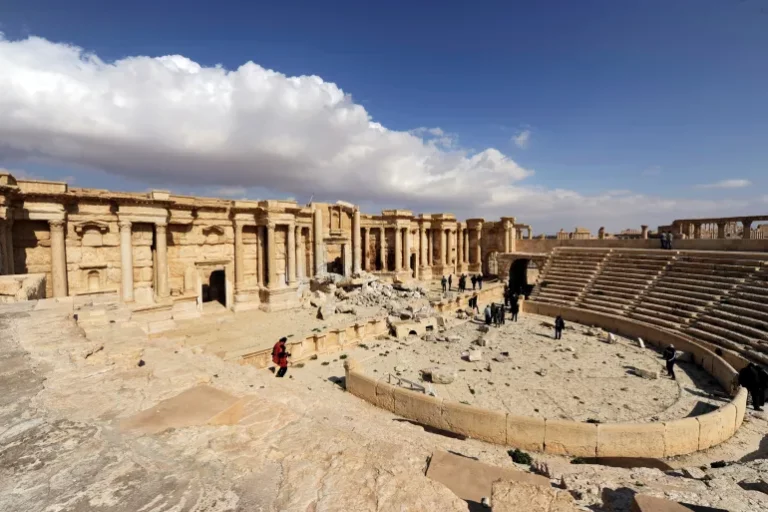
A deadly ambush in central Syria has shattered a period of relative calm for U.S. forces in the region, with the Pentagon confirming that two U.S. Army soldiers and one American civilian interpreter were killed Saturday. The attack, which took place near the historic city of Palmyra, was blamed on a “lone ISIS gunman.”
The incident marks the first American combat fatalities in Syria since the fall of the Assad regime and comes just weeks after the new Syrian government formally joined the global coalition against the Islamic State, highlighting the enduring and unpredictable threat posed by the militant group’s sleeper cells.
The Attack Near Palmyra
The ambush occurred while the soldiers were conducting a “key leader engagement” as part of ongoing counter-terrorism operations, according to Pentagon spokesman Sean Parnell.
The Incident: U.S. Central Command (CENTCOM) confirmed that the attack was an “ambush by a lone ISIS gunman in Syria.” The gunman was “engaged and killed” by partner forces following the assault.
The Victims: The three Americans—two soldiers and a civilian interpreter—were pronounced dead at the scene. Three other U.S. service members were also wounded in the attack and were evacuated by helicopter to the U.S. military base at Al-Tanf, near the border with Iraq and Jordan.
Cooperation Context: The patrol was reportedly a joint U.S.-Syrian security operation near Palmyra, a city once held by ISIS and a critical point in the Syrian desert where the remnants of the group continue to operate. Syrian state media also reported that two members of Syria’s security forces were wounded.
In accordance with Department of Defense policy, the identities of the service members are being withheld until 24 hours after their families have been notified.
The Vow of Retaliation
President Donald Trump addressed the attack from the White House before departing for the Army-Navy football game, confirming the casualties and issuing a stern warning to the perpetrators.
“This is an ISIS attack,” President Trump told reporters. He offered his condolences to the families of the three Americans killed and then added, “We will retaliate.”
Defense Secretary Pete Hegseth posted a more explicit threat on social media platform X:
“The savage who perpetrated this attack was killed by partner forces. Let it be known, if you target Americans—anywhere in the world—you will spend the rest of your brief, anxious life knowing the United States will hunt you, find you, and ruthlessly kill you.”
The fatalities underscore the dangers still faced by the approximately 900 U.S. troops remaining in eastern and central Syria, whose mission is to prevent the resurgence of ISIS and support local partner forces.
The ambush will undoubtedly renew questions about the scope and safety of the U.S. presence in the region, particularly as the political relationship with the new Syrian government—which recently joined the coalition against ISIS—continues to evolve. The focus now shifts to the U.S. response, with a retaliatory strike expected in the coming days.
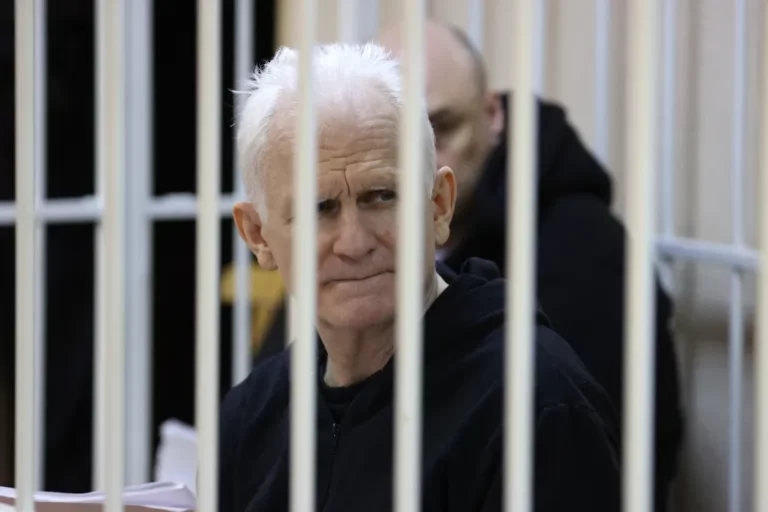
MINSK, BELARUS—In a dramatic breakthrough following weeks of intense diplomatic maneuvering, the authoritarian government of Belarus on Saturday released 123 prisoners, including Nobel Peace Prize laureate Ales Bialiatski and prominent opposition figure Maria Kalesnikava. The mass amnesty came directly in exchange for the United States lifting sanctions on the crucial Belarusian potash fertilizer sector, a move signaling a significant thaw in relations between Washington and the isolated, Russia-allied regime.
The prisoner release is the largest single humanitarian exchange since President Donald Trump’s administration opened a dialogue with Belarusian President Alexander Lukashenko earlier this year. The deal instantly restores a vital economic artery for Belarus, which is a major global producer of potash.
The Price of Freedom: Sanctions Relief
The agreement was sealed during two days of high-level talks in Minsk between President Lukashenko and U.S. Special Envoy for Belarus, John Coale.
The Exchange: President Lukashenko pardoned a total of 123 prisoners, many of whom were jailed following the crushing of pro-democracy protests in 2020. In return, the U.S. announced the immediate lifting of sanctions on Belarusian potash, a key fertilizer component and one of Belarus’s most important exports.
U.S. Rationale: “Per the instructions of President Trump, we, the United States, will be lifting sanctions on potash,” Coale told the state news agency Belta. He described the move as a “very good step by the U.S. for Belarus,” aimed at normalizing relations between the two countries.
Economic Boost: Sanctions imposed in 2021 had severely crippled the state-owned potash producer, Belaruskali, forcing Belarus to redirect its shipments via Russia and further tying Minsk to the Kremlin economically. The lifting of U.S. sanctions reopens major commercial pathways for the commodity.
The Most Prominent of the Released
The group of released prisoners included several of the world’s most recognizable political prisoners, their freedom hailed by human rights organizations worldwide:
Ales Bialiatski: The founder of the Viasna Human Rights Centre, Bialiatski was awarded the 2022 Nobel Peace Prize while serving a 10-year sentence on charges widely viewed as politically motivated.
Maria Kalesnikava: A central figure in the 2020 pro-democracy protests, Kalesnikava was jailed for 11 years after famously tearing up her passport to resist deportation.
Viktar Babaryka: A former banker who tried to challenge Lukashenko in the 2020 presidential election before being arrested and jailed.
Ukrainian military intelligence confirmed that the released group also included five Ukrainian nationals, along with citizens from the U.S., Poland, and other allied nations.
Exiled Belarusian opposition leader Sviatlana Tsikhanouskaya thanked the U.S. administration for its humanitarian efforts but cautioned against reading too much into the regime’s motivation. “Lukashenko will not release people because he somehow became humane. He wants to sell people as expensively as possible,” she stated, urging that European Union sanctions—which are considered more consequential—should remain to push for long-term democratic change.
The exchange is being viewed as a significant success for diplomacy, achieving the release of some of the most prominent victims of the crackdown, even as Western governments debate the wisdom of providing economic relief to the long-isolated autocrat.
KYIV, UKRAINE—A ferocious overnight barrage of more than 450 Iranian-made drones and 30 missiles launched by Russia has crippled Ukraine’s energy infrastructure, plunging at least one million households into darkness across seven regions as winter temperatures drop. The attack, described by Ukrainian officials as one of the largest against the power grid in recent months, focused its most destructive force on the country’s southern regions.
President Volodymyr Zelensky, writing on Telegram, confirmed the scale of the coordinated assault: “The brunt of the attack was on our energy system, on the south and Odesa region.” The blackouts have immediately cut off vital services, including water supply and heating, in an act Ukrainian and Western officials continue to condemn as a deliberate strategy to “weaponize winter.”
The Odesa-Mykolaiv Blackout
The primary target of the combined drone and missile attack was the densely populated Black Sea port city of Odesa and its surrounding oblast, which suffered “major blackouts.”
Regional Impact: The power grid operator, Ukrenergo, reported a “significant number” of households without power in the southern regions of Odesa and Mykolaiv. Furthermore, the Ukrainian-controlled part of the frontline Kherson region was reported to be totally without power.
Essential Services Cut: Prime Minister Yulia Svyrydenko stated that the assault knocked out both electricity and water supplies in Odesa, where emergency teams are now struggling to bring in supplies of non-drinking water.
Casualties: Ukraine’s Interior Minister Ihor Klymenko confirmed that more than a million households across the country were without electricity, and five people were wounded as a result of the attack.
The repeated, systematic targeting of energy facilities—including power generation, distribution, and transmission facilities—has severely degraded Ukraine’s ability to generate and distribute electricity. By mid-2024, the country was estimated to have only about a third of its pre-war electricity generating capacity.
The Looming Winter Crisis
The timing of the massive attack, as temperatures across Ukraine begin to fall below freezing, elevates the humanitarian risk. The deliberate destruction of heat and electricity infrastructure has been widely condemned as a war crime, with the UN Human Rights Monitoring Mission assessing the campaign as likely violating international humanitarian law due to its severe and widespread impact on civilians’ access to heating, water, and healthcare.
Humanitarian Fallout: With rolling blackouts already a common feature across Ukraine due to previous attacks, the latest disruption risks creating catastrophic failures in interconnected systems. Without electricity, heating pipelines and water pumping stations fail, posing an acute threat to the elderly, the disabled, and children.
The Global Response: Western allies have continued to provide air defense systems and funds for rebuilding, but repair teams are struggling to keep pace with the scale of the damage. Officials have warned that the long-term restoration of many damaged facilities will take years to fully complete.
Russia’s Ministry of Defence confirmed it had conducted strikes on Ukrainian energy and military-industrial facilities, continuing a strategy that aims to undermine civilian morale and place severe stress on Ukraine’s economy as the war enters its third winter.
PHNOM PENH, CAMBODIA—Cambodia announced Saturday it has ordered the immediate suspension of all entry and exit movements at its border crossings with Thailand, a drastic measure taken as fighting along the disputed 800-kilometer colonial-era demarcation line intensified despite U.S. President Donald Trump’s public claim that a ceasefire had been agreed.
The decision by Phnom Penh’s Interior Ministry effectively seals one of Southeast Asia’s most crucial land arteries, disrupting trade and movement between the two nations and confirming the failure of an earlier U.S.-brokered peace accord. The latest escalation has left at least 25 people dead this week, including four Thai soldiers killed on Saturday alone, and has displaced an estimated half a million civilians.
The Clash Over the Truce
The Cambodian move came just hours after Thai officials publicly and unequivocally rejected President Trump’s assertion, made via his Truth Social platform late Friday, that he had secured a fresh truce between Thai Prime Minister Anutin Charnvirakul and Cambodian Prime Minister Hun Manet.
Trump’s Claim: The U.S. President wrote that the leaders had agreed to “CEASE all shooting effective this evening, and go back to the original Peace Accord” brokered in July.
Bangkok’s Denial: Thai Prime Minister Anutin quickly refuted the claim, telling journalists that during their phone call, Trump “didn’t mention whether we should make a ceasefire” and that the two leaders “didn’t discuss” the issue.
Cambodian Action: Phnom Penh’s decision to seal the border served as a concrete rejection of the ceasefire claim. The Cambodian Defense Ministry stated separately that Thai forces, including fighter jets, had continued to bombard its territory throughout Saturday morning.
The renewed violence centers on a long-running dispute over the border’s demarcation, which dates back more than a century to the era of French Indochina, with both sides accusing the other of violating previous agreements, including the July ceasefire brokered by the U.S. and ASEAN.
Humanitarian Crisis and Economic Fallout
The fighting, which includes the use of heavy weapons, rocket barrages, and Thai airstrikes, has taken a heavy toll on civilian life and infrastructure.
Displaced Civilians: Hundreds of thousands of residents from both sides of the border have been forced to flee their homes, taking refuge in temporary shelters, schools, and pagodas. Cambodian officials reported that over 101,000 people have been evacuated in their country alone.
Civilian Casualties: Thailand reported six people were wounded Saturday by Cambodian rocket fire, while Cambodia’s Information Minister Neth Pheaktra accused Thai forces of expanding attacks to include civilian infrastructure.
Economic Blow: The closure of all border crossings—including the busy Poipet International Checkpoint—halts a significant volume of cross-border trade, travel, and tourism, threatening the livelihoods of thousands of people dependent on the flow of goods and labor.
The escalating military conflict has now prompted a regional response, with Malaysian Prime Minister Anwar Ibrahim, as Chair of the regional bloc ASEAN, urging both sides to cease all hostilities and announcing that a special meeting of ASEAN Foreign Ministers will be convened to assess the situation and support de-escalation measures.
The closure of the border marks the most severe diplomatic rupture between the two neighbors in recent years, transforming a localized territorial dispute into a major humanitarian and regional crisis.
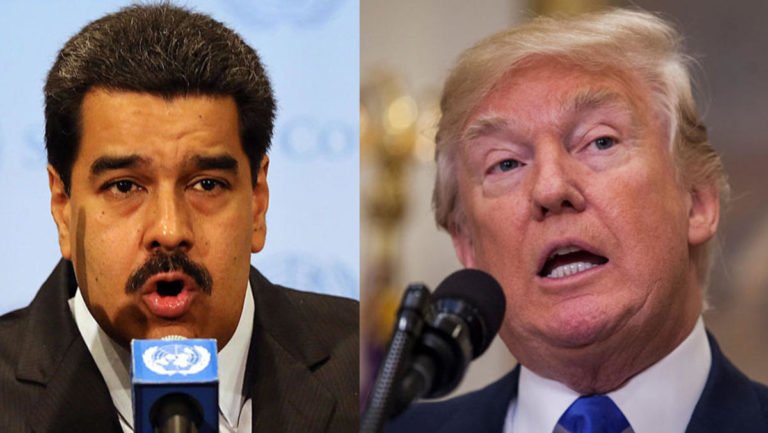
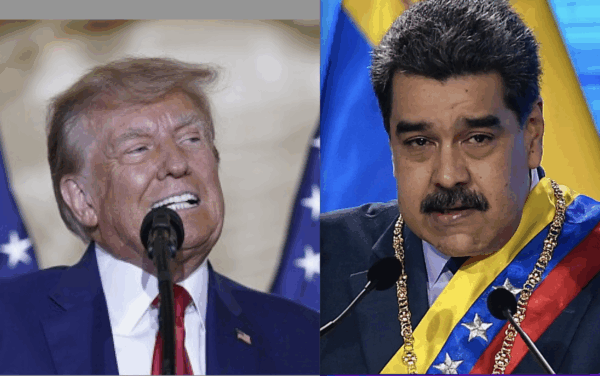
President Donald Trump announced Wednesday that U.S. forces have seized a massive oil tanker off the coast of Venezuela, a stunning escalation in the administration’s long-running campaign of economic and military pressure against the government of President Nicolás Maduro.
Speaking at the White House, the President offered few immediate details but confirmed the operation, describing the seized vessel as a “very large tanker, largest one ever seized, actually,” and adding that it was “seized for a very good reason.” The move is seen by analysts as a direct and aggressive tactic aimed at disrupting a vital financial lifeline for the embattled Venezuelan regime.
Targeting Maduro’s Oil Lifeline
The operation, reportedly led by the U.S. Coast Guard and supported by the Navy, marks a significant shift in U.S. tactics in the region. For months, the military presence—the largest in the area in decades—has primarily focused on lethal strikes against alleged drug-smuggling boats. Targeting an oil tanker, Venezuela’s main source of revenue, raises the stakes considerably.
Financial Impact: Venezuela, which boasts the world’s largest proven oil reserves, is locked out of major global markets by U.S. sanctions. Its state-owned oil company relies on covert transactions—often involving “ghost tankers” and shadowy intermediaries—to sell its crude at steep discounts, primarily to China. Disrupting this flow cuts directly into the regime’s already scarce hard currency reserves.
The Legal Justification: The U.S. official who confirmed the seizure said the operation was conducted under U.S. law enforcement authority. The precise legal mechanism for seizing a vessel carrying Venezuelan crude remains unclear, but it could relate to sanctions evasion or charges of narcoterrorism, which the U.S. has leveled against Maduro.
The President’s Comments: When asked what would happen to the oil aboard the vessel, President Trump simply replied, “Well, we keep it, I guess.”
A Campaign of Maximum Pressure
The seizure adds a new dimension to an already tense military standoff. Just a day prior, the U.S. military flew a pair of fighter jets over the Gulf of Venezuela, the closest such demonstration of force to Venezuelan airspace since the pressure campaign began.
Maduro, speaking to supporters in Caracas following the news, did not address the tanker seizure directly but issued a fierce warning to the U.S., stating that Venezuela is “prepared to break the teeth of the North American empire if necessary.”
The dramatic action follows a campaign that has seen intense scrutiny from U.S. lawmakers. The administration’s focus on military strikes against drug boats has killed dozens of people, prompting legal and ethical questions about the scope and justification of the deadly force used.
The seizure of a large oil tanker represents the boldest move yet in the U.S. effort to isolate and cripple the Maduro regime, escalating a maritime confrontation with major economic and geopolitical consequences.
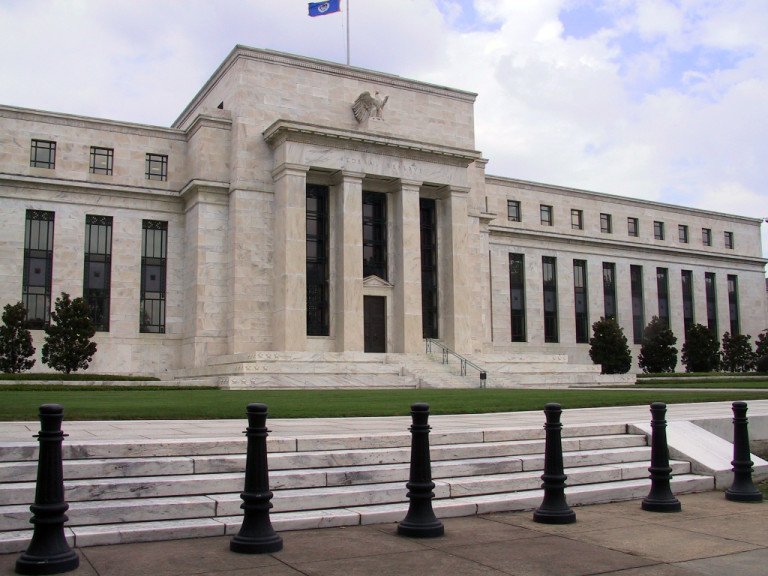
The U.S. Federal Reserve on Wednesday delivered a widely anticipated interest rate cut, trimming its benchmark federal funds rate by 25 basis points to a new target range of 3.50% to 3.75%. However, the move was swiftly met with a mixed reaction on Wall Street, as the central bank’s updated economic projections—the closely watched “dot plot”—signaled a much more cautious path for future easing than markets had priced in.
The decision, the third consecutive reduction in 2025 and the sixth overall since late 2024, came amid growing concern over a cooling labor market and persistent pockets of inflation fueled in part by new tariffs. The vote was notably divisive, underscoring the deep rift within the Federal Open Market Committee (FOMC).
The Cut: Addressing Employment Risks
The quarter-point reduction, led by Chair Jerome Powell, was primarily driven by the Fed’s concern over the “downside risks to employment” and recent stalling in U.S. job growth, issues exacerbated by the recent government shutdown which has clouded the availability of key economic data.
New Rate: The federal funds rate now stands in the range of 3.50% to 3.75%, the lowest level in nearly three years.
Borrower Relief: The cumulative effect of the recent cuts is beginning to filter through the economy, offering meaningful relief to borrowers. Mortgage rates and credit card Annual Percentage Rates (APRs) have slightly declined, providing relief to households feeling the pinch of high inflation in other areas like food and housing.
The Dissension: The vote was far from unanimous, with three officials dissenting. Chicago Fed President Austan Goolsbee and Kansas City Fed President Jeffrey Schmid voted to hold rates unchanged, arguing inflation remains too sticky. Conversely, Fed Governor Stephen Miran voted for a more aggressive half-percentage-point cut (50 basis points).
The ‘Hawkish Cut’: Pumping the Brakes on 2026
The market’s initial positive reaction to the rate cut faded quickly as investors digested the details of the FOMC’s updated projections for the coming year. The committee’s median forecast for the federal funds rate in 2026 was dramatically more restrained than market expectations:
Fed’s 2026 Forecast: The median projection among officials suggested only one additional 25 basis point rate cut in 2026, keeping the rate close to 3.25% by the end of the year.
Market Disappointment: Prior to the meeting, futures markets had priced in the expectation of at least two or more rate cuts next year.
Hawkish Tilt: The revised forecast, coupled with an upward revision to the 2026 GDP growth forecast (to 2.3% from 1.8%) and persistent concern over inflation remaining above the Fed’s 2% target, signaled a “hawkish cut”—a reduction now followed by a strong signal of future caution.
Chair Powell, in his post-meeting press conference, emphasized the Fed is “well positioned to wait and see how the economy evolves from here,” suggesting a high bar for further easing early next year. He specifically noted the “inflationary pressures” stemming from new tariffs as a key factor complicating the balancing act between its dual mandate of maximum employment and price stability.
The December decision ends a tumultuous year for the U.S. central bank, leaving borrowers with some immediate relief but forcing markets to recalibrate their expectations for a slower, more contested easing cycle in 2026.
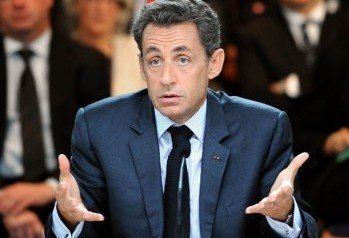
PARIS, FRANCE—Former French President Nicolas Sarkozy has broken his silence on his brief, unprecedented time behind bars, publishing a searing 216-page memoir that describes the prison as a harsh, “all-grey” world of “inhuman violence” and “deafening noise.”
The book, titled Diary of a Prisoner, was released Wednesday, drawing hundreds of fervent supporters who queued in an upscale Paris neighborhood for the former head of state’s first book signing. The memoir recounts the 70-year-old’s 20 days inside Paris’s infamous La Santé prison following his September conviction for criminal association related to the illegal financing of his 2007 presidential campaign with funds from Libya.
The Nightmare of Solitary Confinement
Sarkozy, who was granted release under judicial supervision on appeal, was held in solitary confinement for his security, strictly isolated from other inmates. The book provides a rare, intimate view of a former president stripped of all pomp and circumstance, describing conditions that were both physically austere and psychologically draining.
The Cell: He wrote that his cell was similar to a “cheap hotel, except for the armored door and the bars.” It featured a hard mattress (“a table would have been almost softer”), a thin shower that stopped quickly, a small desk, and a television.
The Sensory Assault: Sarkozy repeatedly emphasized the “deafening noise” that penetrated his isolation. Upon opening his window on the first day, he heard a neighboring inmate “relentlessly striking the bars of his cell with a metal object,” leading him to conclude: “The atmosphere was threatening. Welcome to hell!”
The Diet: The former president confessed he declined the meals served on small plastic trays with a “mushy, soggy baguette,” which made him nauseous. Instead, he subsisted primarily on dairy products, cereal bars, and mineral water.
Despite the difficult conditions, Sarkozy noted that the prison staff often addressed him respectfully as “President” and that two police officers were permanently stationed in the cell next door for his protection.
Photo Reuters
Political Reflections and the Far-Right
Beyond the visceral details of prison life, Sarkozy, who built his political career on tough-on-crime rhetoric, used the book to offer a critical self-reflection on France’s prison system and to deliver a strategic political message to his conservative party, The Republicans.
A Shift in View: He wrote that his time inside caused his “tough-on-crime stance” to take on a “new perspective.” He promised that upon his release, his public comments on the justice and prison system would be “more elaborate and nuanced.”
Advising the Right: Perhaps the most controversial political passage is his advice to his party on appealing to far-right voters. He revealed he spoke by phone from prison with far-right leader Marine Le Pen, and concluded that her National Rally party is “not a danger for the Republic.” This public softening on a party conservatives have shunned for decades has been described by analysts as a “thunderclap.”
Sarkozy served 20 days of a five-year sentence before his release pending appeal, which is scheduled to be heard between March and June 2026. The book is being hailed by supporters as a profound document of resilience and condemned by critics as a politically-timed memoir designed to paint him as a victim.
SUFFOLK, ENGLAND—For decades, the search for definitive proof that ancient humans could make fire—not just steal it from a lightning strike—was one of archaeology’s most frustrating quests. That quest reached its dazzling conclusion in a muddy excavation trench in Barnham, Suffolk, where scientists have uncovered the earliest known, irrefutable evidence of deliberate, human-made fire, pushing the timeline back an astounding 350,000 years.
The game-changing discovery, published in the journal Nature, confirms that a predecessor species to modern humans—likely early Neanderthals—had mastered the spark roughly 400,000 years ago, a technological leap that fundamentally altered human evolution.
The Clue That Changed History
Archaeologists from the British Museum and the Natural History Museum had been excavating the disused clay pit at Barnham for years, finding telltale signs of ancient human presence, including thousands of heat-cracked flint hand axes and reddish patches of clay. These patches showed evidence of being repeatedly heated to high temperatures (over 700C), suggesting a reused campfire, or hearth.
However, the “smoking gun” that distinguished a controlled hearth from a natural wildfire remained elusive until a moment Dr. Simon Parfitt, a senior researcher, described as “astounding.”
The Tiny Fragments: During a painstaking sifting process, researchers uncovered two tiny, distinct fragments of iron pyrite—often known as “fool’s gold.”
The Revelation: Pyrite is a mineral that, when struck against flint (a material abundant at the site), produces a shower of sparks hot enough to ignite tinder. Critically, geological analysis confirmed that pyrite is extremely rare in the local Barnham landscape.
Proof of Design: Its presence in close association with the hearths and the specialized flint tools strongly suggests that the early humans had not only used fire but had deliberately sought out and transported the pyrite to the site for the express purpose of creating fire on demand.
“As soon as we saw the pyrite, we realized we had found something remarkable,” Parfitt said. “The fact that there are the pyrites shows not just that they could maintain the fire, but they were making fire.”
Rewriting the Human Story
The significance of this discovery, made in what was once a thriving wetland ecosystem, is immense. Prior to this, the oldest accepted evidence of fire making was a much later Neanderthal site in northern France dating back only 50,000 years.
The ability to create fire at will—rather than waiting for a lightning strike—unlocked a suite of critical evolutionary advantages:
Survival in the North: It allowed early populations, thought to be related to Neanderthals, to expand their range into colder, northern climates like Britain.
Fueling the Brain: Cooking food made tough starches and meats more digestible, releasing far more energy to support the rapidly growing brains of these ancient humans.
The Social Bond: A controlled flame provided protection from predators and created a nightly gathering spot, which experts believe was crucial for the development of language, planning, and more complex social structures.
The find is considered by the British Museum’s curator of Palaeolithic collections, Professor Nick Ashton, to be “the most exciting discovery of my 40-year career,” demonstrating a level of cognitive and technological sophistication in our ancient relatives that was previously underestimated.
The silent, scorched clay of Barnham is now recognized as the backdrop for one of the most transformative moments in the long history of humankind—the moment we truly mastered the flame.
In a week defined by an urgent, coordinated effort to address the crippling political liability of high consumer prices, President Donald Trump has repeatedly veered off-message, delivering speeches heavy on personal grievances and xenophobic rhetoric that have done little to soothe nervous congressional Republicans facing the 2026 midterm elections.
The President’s recent appearances, including a rally-style speech in Pennsylvania meant to center on his economic achievements, quickly dissolved into lengthy, unscripted detours that have left Republican leaders scrambling to defend the administration while trying to maintain focus on the party’s core campaign message of affordability.
The Economic Message Derailed
The latest flashpoint came during a Tuesday appearance in Mount Pocono, Pennsylvania. The event was explicitly billed by the White House as the kick-off for a national tour designed to convince voters that the administration is “crushing” inflation and lowering the cost of living.
The Pivot: While the President began by touting his administration’s efforts to lower gas prices and touting new tariffs, the economic message lasted less than 20 minutes before he plunged into a 40-minute stream of consciousness that focused on immigration, electoral grievances, and attacking political opponents.
Recycling the Tropes: The President shocked many attendees by reviving his controversial 2018 remarks about “shithole countries,” questioning why the U.S. doesn’t receive more immigrants from countries like Norway and Sweden. He followed this with a xenophobic attack, describing countries like Afghanistan and Haiti as “hellholes,” “filthy, dirty, disgusting, ridden with crime.”
The comments immediately overshadowed the administration’s carefully crafted economic talking points and generated a fresh wave of negative headlines, precisely what Republican strategists had hoped to avoid.
Image source: Wikimedia Commons
Republicans’ Unsettled Nerves
The unscripted rhetoric is fueling internal Republican anxiety, particularly among those facing tough re-election battles next year. The concern is that the President’s rhetorical choices energize his base but alienate crucial swing voters who are currently focused on practical economic concerns, not cultural warfare.
Marjorie Taylor Greene’s Warning: The tension was underscored by comments from outgoing Congresswoman Marjorie Taylor Greene, who publicly claimed this week that most Republicans privately “mocked” the President before 2024 and are now “terrified” to criticize him for fear of retaliation on social media. She warned that the party’s constant political warfare is “not helping the American people.”
The Vulnerability: Recent off-cycle election losses for Republicans—which many blamed on a failure to address the cost of living—have given Democrats an opening to paint the GOP as out of touch. The President’s divisive detours only serve to distract from the economic case Republicans urgently need to make.
“Voters aren’t asking for partisan arguments—they’re asking for results,” said one congressional Republican facing a tough re-election, speaking anonymously to express frustration. The concern is that the President’s personal focus is making it harder for the party to demonstrate competence on the issues voters care most about.
As the President embarks on the rest of his economic tour, the struggle for the Republican Party will be to keep his focus on the financial pressures facing Americans, a task that has proven difficult for staff and congressional allies alike.
REYKJAVÍK, ICELAND—The political storm engulfing the Eurovision Song Contest deepened dramatically on Wednesday as Iceland’s national broadcaster, RÚV, announced its decision to boycott the 2026 event in Vienna. Iceland becomes the fifth European nation to withdraw from the pan-continental music competition in protest against the continued participation of Israel amidst the conflict in Gaza.
The withdrawal places immense pressure on the contest’s organizer, the European Broadcasting Union (EBU), which recently reaffirmed its decision to allow Israel’s state broadcaster, KAN, to compete, despite mounting calls from several member nations for its exclusion.
The Call for Peace Over Pop
RÚV’s announcement follows a tense board meeting and a fierce public debate in the North Atlantic nation, which is known for its high per capita viewing audience of the annual contest.
The RÚV Statement: “Given the public debate in this country and the reactions to the decision of the EBU that was taken last week, it is clear that neither joy nor peace will prevail regarding the participation of RÚV in Eurovision,” the broadcaster said. “The Song Contest and Eurovision have always had the aim of uniting the Icelandic nation, but it is now clear that this aim cannot be achieved.”
A Unified Front: Iceland joins the public broadcasters of Spain, Ireland, Slovenia, and the Netherlands in declining to send an entry or broadcast the event, citing the humanitarian crisis in Gaza and Israel’s military actions. Spain, a “Big Five” nation contributing significant funding to the contest, is seen as a particularly heavy blow to the EBU’s finances and prestige.
The Core Issue: The boycotting countries argue that the EBU has applied a blatant “double standard,” pointing out that Russia was immediately expelled from the contest following its full-scale invasion of Ukraine in 2022. The EBU has defended its decision, arguing that the contest is a non-political event between public service broadcasters, not governments.
A Contest in Crisis
The EBU’s General Assembly last week convened to address the growing controversy. While members did vote to adopt tougher rules on voting to address allegations that Israel manipulated the public vote in the 2025 contest, the EBU took no action to exclude the Israeli broadcaster. This decision failed to satisfy the now five boycotting nations.
The Political Stance: Several boycotting countries have been clear that their withdrawal is a matter of conscience. Ireland’s broadcaster, RTÉ, stated participation was “unconscionable given the appalling loss of lives in Gaza,” while Slovenia’s RTV SLO cited a stand “on behalf of the 20,000 children who died in Gaza.”
A Divided Europe: The deep political split in Europe is now visible on the cultural stage. Germany and Austria, the host nation for 2026, have publicly defended Israel’s participation, insisting that the contest must remain a space for music, not political disputes.
The collective walkout by five prominent Eurovision nations casts a heavy shadow over the competition, which is preparing to celebrate its 70th anniversary in Vienna next May. The ongoing withdrawals signal an existential crisis for the contest, testing its long-held but often fragile claim to be an apolitical platform for cultural unity.
In a sweeping expansion of border security measures, the Department of Homeland Security (DHS) is proposing a radical new policy that would require foreign nationals entering the United States under the Visa Waiver Program (VWP) to disclose up to five years of their social media history before being cleared for travel.
The proposed rule, aimed at enhancing security screening and detecting potential threats, would affect millions of tourists and business travelers from 41 participating VWP countries, including close allies in Europe, Asia, and Oceania. The move has already triggered a firestorm of criticism from civil liberties groups, who warn the measure constitutes an unprecedented invasion of privacy.
The New Digital Background Check
The proposed policy would integrate a request for social media account details into the Electronic System for Travel Authorization (ESTA) application—the mandatory online form that VWP travelers must complete before flying to the U.S.
The Requirement: Applicants would be asked to voluntarily provide their account names and handles used on major social media platforms, including Facebook, X (formerly Twitter), Instagram, YouTube, and LinkedIn, for the preceding five years. While the submission would initially be listed as “optional,” critics argue that applicants would feel compelled to comply to ensure a smooth entry process.
The Stated Goal: DHS Secretary Alexander Mayorkas stated the measure is a necessary tool for counter-terrorism and counter-intelligence efforts. “This is about having the necessary tools to more thoroughly vet individuals who seek to enter the United States and identify those who may pose a threat to our national security,” Mayorkas said.
The Scope: The VWP allows citizens of certain countries to travel to the U.S. for tourism or business for up to 90 days without obtaining a visa. This policy would affect approximately 20 million travelers annually.
Backlash: Privacy, Bias, and Free Speech
Civil liberties organizations immediately denounced the proposal as an overreach that violates the privacy rights of millions of visitors and risks infringing on protected free speech.
A ‘Digital Dragnet’: The American Civil Liberties Union (ACLU) called the proposal an “unacceptable digital dragnet,” arguing that the collection of such a vast amount of personal data could be used to create “political profiles” based on travelers’ associations, beliefs, and online expressions.
Risk of Bias: Privacy advocates warn that the opaque nature of the algorithm used to analyze the data could lead to profiling and discrimination against applicants based on their religion, ethnicity, or political views, especially those who express criticism of U.S. foreign policy or domestic issues.
International Reciprocity: Several European Union countries have quietly expressed concern, noting that the policy could invite reciprocal measures, forcing American citizens to disclose their own social media histories when traveling abroad.
The proposal has been formally published in the Federal Register, opening a 60-day period for public comment before DHS can finalize the rule. However, given the administration’s stated focus on border security and national defense, many experts expect the measure to move forward despite the widespread opposition.
The decision is set to fundamentally change the experience of international travel to the U.S., placing personal digital history under the direct scrutiny of federal government agencies.
ALTOONA, PENNSYLVANIA—The high-stakes, cross-country manhunt for the alleged killer of UnitedHealthcare CEO Brian Thompson ended not in a dramatic police siege, but in a mundane transaction at a Pennsylvania McDonald’s, as revealed by extraordinary police body camera footage shown this week at a pretrial evidence hearing.
The video documents the tense, low-key confrontation where two Altoona police officers approached the suspect, Luigi Mangione, with casual questions about his name and travel, carefully avoiding any mention of the murder that had gripped the nation.
The Tip and the Low-Key Approach
The Dec. 9, 2024, arrest came five days after Thompson was fatally shot in Manhattan. A crucial tip from a quick-thinking McDonald’s employee, who recognized a customer resembling the widely publicized suspect, brought officers Joseph Detwiler and Tyler Frye to the fast-food restaurant on East Plank Road.
The Confrontation: The officers initially adopted a low-key, non-accusatory tone, claiming only that someone had reported the customer—Mangione, wearing a medical mask—as looking “suspicious.”
The Lie: When asked for identification, the 27-year-old suspect provided a phony New Jersey driver’s license bearing the name “Mark Rosario,” a false identity the alleged gunman had used days earlier at a New York hostel.
The Question: In a key moment revealed in the footage, rookie Officer Frye attempted to engage Mangione with small talk, asking, “So what’s going on? What brings you up here from New Jersey?” Mangione reportedly mumbled that “he didn’t want to talk” but eventually claimed he was “just trying to use the Wi-Fi.”
Officer Detwiler testified he deliberately kept the conversation calm, even whistling over the holiday music playing in the McDonald’s, to prevent Mangione from realizing the true nature of their presence.
The Discovery and the Debate
The officers continued the interaction for roughly 20 minutes before informing Mangione of his right to remain silent, all while waiting for backup and attempting to verify the bogus ID.
A Nervous Subject: Officers testified they noticed Mangione’s fingers shaking and that he avoided eye contact, confirming their suspicion. Officer Detwiler, who had closely followed the news, told a supervisor he was “100% sure” they had the killer.
The Arrest: Once the “Mark Rosario” ID was determined to be fraudulent, officers confronted Mangione, who ultimately provided his real name. He was then arrested on forgery and false identification charges.
Crucial Evidence: The subsequent search of Mangione’s backpack yielded critical evidence, including a 9mm handgun prosecutors say matches the firearm used in the killing, a notebook detailing his disdain for health insurers and ideas about targeting an executive, and a loaded gun magazine wrapped in a pair of wet underwear.
Mangione’s defense team is currently arguing in court that the evidence seized from the backpack, as well as statements Mangione made before being read his Miranda rights, should be excluded from his state and federal murder trials because the officers’ continued questioning constituted an illegal interrogation.
The release of the body camera video provides the clearest view yet of the final, pivotal moments of a major manhunt that ended with a simple police request for a name in a busy restaurant.
OSLO, NORWAY—A cloak of intense geopolitical suspense has fallen over the Nobel Peace Prize ceremony in Oslo, with officials admitting they are “in the dark” regarding when, or if, the 2025 laureate, Venezuelan opposition leader María Corina Machado, will arrive for Wednesday’s award presentation.
The secrecy surrounding the Venezuelan democracy figure, who has been forced into hiding by the regime of President Nicolás Maduro, cast a somber shadow over the traditional lead-up events. A planned press conference by the laureate on Tuesday was abruptly cancelled, intensifying global focus on the security challenges involved in extracting a political dissident from a hostile regime.
The Canceled Appearance
María Corina Machado, who was awarded the prize for her “tireless work promoting democratic rights for the people of Venezuela,” was scheduled to make her first public appearance in 11 months on the eve of the ceremony. However, the Norwegian Nobel Institute first delayed, and then ultimately cancelled, the traditional Tuesday press conference.
Nobel Committee’s Statement: The institute’s director, Kristian Berg Harpviken, issued a statement confirming the cancellation and underscoring the severity of the situation: “María Corina Machado has herself stated in interviews how challenging the journey to Oslo, Norway, will be. We therefore cannot at this point provide any further information about when and how she will arrive for the Nobel Peace Prize ceremony.”
A High-Stakes Journey: Machado has been in hiding since the Venezuelan government intensified a political crackdown last year. Her travel to Oslo is believed to involve a highly sensitive, potentially covert operation to secure safe passage out of the country, likely with the assistance of a foreign power.
Venezuelan Attorney General Tarek William Saab has previously warned that Machado would be considered a “fugitive” if she traveled to Norway to accept the prize, a clear threat aimed at deterring her attendance and punishing any collaborators.
Family Arrives, Hope Lingers
The anticipation in Oslo remains immense, fueled by the arrival of the laureate’s immediate family. Machado’s mother, Corina Parisca de Machado, and her three children are already in the Norwegian capital to attend the ceremony.
Her daughter, Ana Corina Sosa, speaking to Norwegian media, expressed a mix of hope and profound longing: “I miss hugging her. I miss smelling her and seeing her in person. We’re going to make the most of the time we have with each other.” Her mother offered a poignant statement, saying, “Every day I pray… that we may have María Corina tomorrow. And if we don’t have her tomorrow, it is because that is God’s will.”
The Nobel Peace Prize ceremony is scheduled for 1:00 PM CET on Wednesday, December 10, 2025. It is expected to be attended by the heads of state of Argentina, Panama, Ecuador, and Paraguay—a gathering that further emphasizes the political resonance of the award.
As the clock counts down to the ceremony, the entire event has been transformed into a global act of solidarity, whether Machado can occupy the podium herself or if the empty chair will stand as the most powerful testament to her struggle.
MOUNT POCONO, PENNSYLVANIA—President Donald Trump kicked off a multi-state domestic tour Tuesday night in Mount Pocono, Pennsylvania, launching a concerted effort to sell his economic achievements and directly counter what he has repeatedly termed the “fake narrative” of the cost-of-living crisis afflicting American families.
The rally, held in a critical swing county, signals a major pivot by the White House to aggressively address voter concerns about persistently high prices—an issue that helped propel the President to victory in 2024 but now threatens congressional Republicans in the upcoming midterm elections.
From ‘Hoax’ to House-by-House Sale
For months, the President’s public rhetoric has swung between blaming his predecessor for “the worst inflation in history” and dismissing the ongoing affordability crisis as a “hoax” or “scam” manufactured by Democrats. However, Tuesday’s event marked a strategic shift toward a more empathetic and action-oriented message.
The Core Message: The President honed in on two key economic metrics: the recent drop in average gas prices below $3 nationwide and the reported rise in real wages. He insisted his administration’s policies, from deregulation to new domestic investments, are actively “fixing” the affordability problem.
The Political Pressure: The tour comes after a series of polls indicating widespread voter anxiety. A recent Politico poll showed nearly half of all voters, including 37% of his own 2024 voters, believe the cost of living is the worst they have ever experienced. This angst is cited by Republican strategists as a core factor behind recent lackluster GOP performances in off-year elections.
A New Tone: Acknowledging the political danger, the White House has reportedly been advised to adopt a more measured tone. Aides say the President plans to use this tour to articulate to struggling families that he “feels their pain” when they go to the grocery store, a departure from his previous dismissals.
Image source: rawpixel.com
Targeting Inflation’s Sticky Grip
Despite the President’s bullish economic pronouncements, data shows that costs for essentials—particularly groceries, housing, and medical care—remain elevated, creating a significant “affordability gap” for many middle-class Americans.
Recent analysis shows grocery items like beef, eggs, and non-alcoholic beverages have seen year-over-year price increases. The disconnect between White House declarations of economic success and the daily reality for consumers is the central challenge the President now faces on the road.
The administration is attempting to shift the public’s focus to long-term relief measures, including:
Tariff-backed relief: Highlighting the potential for tariff-funded rebate checks for Americans.
Regulatory rollback: Emphasizing new rules to lower the cost of vehicles by reversing certain fuel efficiency standards.
Prescription Drugs: Touting deals aimed at making prescription medicines cheaper.
The Pennsylvania rally is the first of several planned stops designed to personally reinforce the administration’s economic storyline and counter the Democratic focus on the persistent pain felt at the cash register. The success of this tour in convincing voters that economic relief is imminent will determine whether cost-of-living concerns remain a powerful political weapon through the 2026 midterms.
LONDON, U.K.—European leaders rallied around Ukrainian President Volodymyr Zelensky in London on Monday, urgently declaring that “now is a critical moment” to massively increase military and financial support for Kyiv. The commitment, made during crisis talks hosted by British Prime Minister Sir Keir Starmer, comes as European allies grapple with the immediate threat of a major financial shortfall and concerns over the direction of U.S.-led peace negotiations.
President Zelensky, French President Emmanuel Macron, and German Chancellor Friedrich Merz joined Sir Keir Starmer at 10 Downing Street, where the core message was one of unwavering European resolve as diplomatic pressure from Washington for a swift peace settlement mounts.
The Call for a ‘Ramp Up’
Following the private talks, Sir Keir convened a call with other European allies, urging a collective response to what appears to be a military and economic crunch point for Ukraine as winter sets in.
Joint Declaration: A Downing Street readout confirmed that the leaders agreed to “continue to ramp up support to Ukraine and economic pressure on Putin to bring an end to this barbaric war.”
The Context: The unified European front emerged just hours after U.S. President Donald Trump publicly criticized Zelensky, claiming the Ukrainian leader had failed to embrace the latest U.S. peace plan, a deal many critics view as significantly favoring Russian demands for territorial concession.
A Two-Track Strategy: The European leaders affirmed that, even as diplomatic efforts continue, Europe must simultaneously strengthen Ukraine’s defensive capability to withstand relentless Russian attacks that have left thousands without heat or light.
Unlocking the Russian Billions
The central challenge discussed was plugging the financial gap created by the stalled U.S. aid and the sheer cost of keeping Ukraine’s government and military operational. The focus immediately turned to the billions in immobilized Russian sovereign assets held in European financial institutions, primarily in Belgium.
‘Positive Progress’: Downing Street reported “positive progress” was made on proposals to use these frozen assets—estimated at over €210 billion—to support Ukraine’s reconstruction and secure vital long-term loans.
The Reparations Loan: Seven EU leaders, including those from Poland and the Baltic states, published a letter calling the proposed “reparations loan” secured against the assets the “most financially feasible and politically realistic solution.”
The Belgian Hurdle: The plan faces staunch opposition from Belgium, which worries about the legal and financial risks of using the funds as collateral. Despite these obstacles, the urgency of Ukraine’s financing needs, which could see Kyiv run out of cash by mid-2026 without a solution, means a decisive vote is expected at the upcoming EU summit on December 18-19.
Security Guarantees as the European Contribution
The talks also focused on finalizing Europe’s own contribution to Ukraine’s post-conflict security, an issue of growing importance given the U.S. administration’s reluctance to offer explicit, long-term security guarantees.
President Zelensky described the talks as “productive,” confirming that a refined, 20-point joint European and Ukrainian proposal for a peace framework—stripped of “obvious anti-Ukrainian points”—would be ready to share with the U.S. in the coming days.
The summit signals a major moment of European self-reliance and unity, with leaders determined to use their collective economic and military strength to ensure Ukraine can negotiate a peace agreement from a position of strength, not desperation.
The ink had barely dried on the agreement between Netflix and Warner Bros. Discovery (WBD) before a massive new challenge dramatically fractured the landscape of Hollywood consolidation. Paramount, now backed by Skydance Corporation, launched a hostile takeover bid late Monday valued at $108.4 billion, directly challenging Netflix’s recently accepted $72 billion offer.
Paramount’s audacious, all-cash proposal targets the entirety of WBD, setting up a high-stakes corporate showdown and creating immediate regulatory and political turmoil.
The Superior Value Proposition
The key differentiator in Paramount’s rival bid is both its price and its scope.
Price: Paramount is offering an all-cash consideration of $30.00 per share for all outstanding WBD stock. This represents a significant premium to Netflix’s accepted deal, which valued WBD at $27.75 per share, a mix of cash and stock that Paramount derided as “inferior and uncertain.” Paramount claims its bid offers shareholders approximately $18 billion more in cash.
Scope: Crucially, Paramount is seeking to acquire the entire WBD operation, including the film and streaming assets (HBO, HBO Max) and the Global Networks division (CNN, TBS, TNT, etc.). Netflix’s accepted proposal only covered the studio and streaming business, leaving WBD shareholders with a remaining interest in the debt-laden, spun-off cable networks business.
“WBD shareholders deserve an opportunity to consider our superior all-cash offer for their shares in the entire company,” said David Ellison, Chairman and CEO of Paramount, in a public statement. He accused the WBD Board of Directors of pursuing a deal that exposed shareholders to unnecessary risk and uncertainty.
Regulatory Nightmare vs. Political Favor
The bitter rivalry between the two media giants is now set to play out on two contentious fronts: corporate boardrooms and Washington’s regulatory offices.
Antitrust Concerns: Paramount’s public appeal hinged heavily on the belief that a Netflix-WBD merger—combining the world’s largest streaming service with the home of HBO Max—would face an insurmountable regulatory blockade. President Donald Trump, speaking over the weekend, hinted at this scrutiny, stating the combined market share “could be a problem” and that he would be involved in the approval decision.
Paramount’s Political Advantage: Conversely, Paramount is positioning itself as the “pro-competitive, pro-consumer” alternative. Its bid, financially backed by the family of Oracle co-founder Larry Ellison, and featuring investment from Affinity Partners, the firm founded by President Trump’s son-in-law, Jared Kushner, is widely perceived to have a more favorable path to regulatory approval within the current administration.
Netflix, which has an agreed-upon deal that includes a $5.8 billion breakup fee if regulators block the transaction, remains “highly confident” in its ability to win approval.
The WBD board now faces immense pressure from its shareholders to address the significantly higher all-cash tender offer. The board has indicated it will “carefully review and consider” the hostile bid and will provide a formal recommendation to stockholders within 10 business days.
The battle for Warner Bros. Discovery—and control over a priceless library that includes Harry Potter, Game of Thrones, and the DC universe—has officially entered a phase of high-stakes corporate warfare. The outcome will not only determine the future of one of Hollywood’s most storied studios but will redefine the competitive landscape of the entire global entertainment industry.
TOKYO, JAPAN—A powerful Magnitude 7.6 earthquake struck off the northern coast of Japan late Monday night, immediately triggering tsunami warnings and prompting mass evacuation orders across several prefectures. The tremor, strong enough to make it impossible to stand in some areas, brought back terrifying memories of the 2011 “triple disaster” that devastated the Tohoku region.
The massive quake, which hit at approximately 11:15 p.m. local time (14:15 GMT), was centered about 80 kilometers (50 miles) off the coast of Aomori Prefecture, the Japan Meteorological Agency (JMA) reported.
Tsunami Warning and Evacuation Orders
The JMA immediately issued a tsunami warning for the prefectures of Hokkaido, Aomori, and Iwate, cautioning that waves could reach heights of up to three meters (10 feet) in some coastal areas.
Waves Observed: Tsunami waves were confirmed to have reached the coast shortly after the quake. A 70-centimeter (27-inch) wave was recorded at Kuji port in Iwate Prefecture, just south of Aomori, while smaller waves were observed at Mutsu Ogawara and Urakawa ports.
Mass Evacuation: Authorities swiftly ordered an estimated 90,000 residents across the affected regions to immediately seek shelter on higher ground. Public broadcaster NHK broadcast continuous, urgent warnings for residents to evacuate and remain vigilant.
Seismic Intensity: On Japan’s 1-7 seismic intensity scale (Shindo), the tremor registered as an “upper 6” in parts of Aomori, an intensity level where it is impossible to keep standing, and heavy furniture is likely to collapse.
In the Aomori town of Hachinohe, shattered glass was reported across roads, and several people were injured and taken to local hospitals, though all were conscious, according to local media. A man in the town of Tohoku was also slightly hurt when his car fell into a hole created by the ground heaving.
Nuclear Plants and Infrastructure
Japanese authorities immediately set up an emergency task force and began rigorous safety checks across all critical infrastructure, particularly the nuclear power facilities in the region.
No Immediate Irregularities: Nuclear power operators, including Tohoku Electric Power and Hokkaido Electric Power, reported no immediate irregularities at the Higashidori and Onagawa nuclear power plants in the affected area, a critical reassurance given the 2011 Fukushima disaster.
Transport Disrupted: East Japan Railway suspended some train services, including parts of the Shinkansen (bullet train) line, as a precaution. Power outages were also reported in parts of Hokkaido and the Tohoku region.
Prime Minister Sanae Takaichi, in a brief comment to reporters, emphasized the government’s focus: “We are putting people’s lives first and doing everything we can to urgently assess the extent of damage.”
The event serves as a stark reminder of Japan’s location on the volatile Pacific “Ring of Fire.” As aftershocks continue to rattle the coast, authorities are urging residents to remain at evacuation centers until all tsunami advisories are formally lifted, stressing that subsequent waves can often be larger and more destructive than the first.
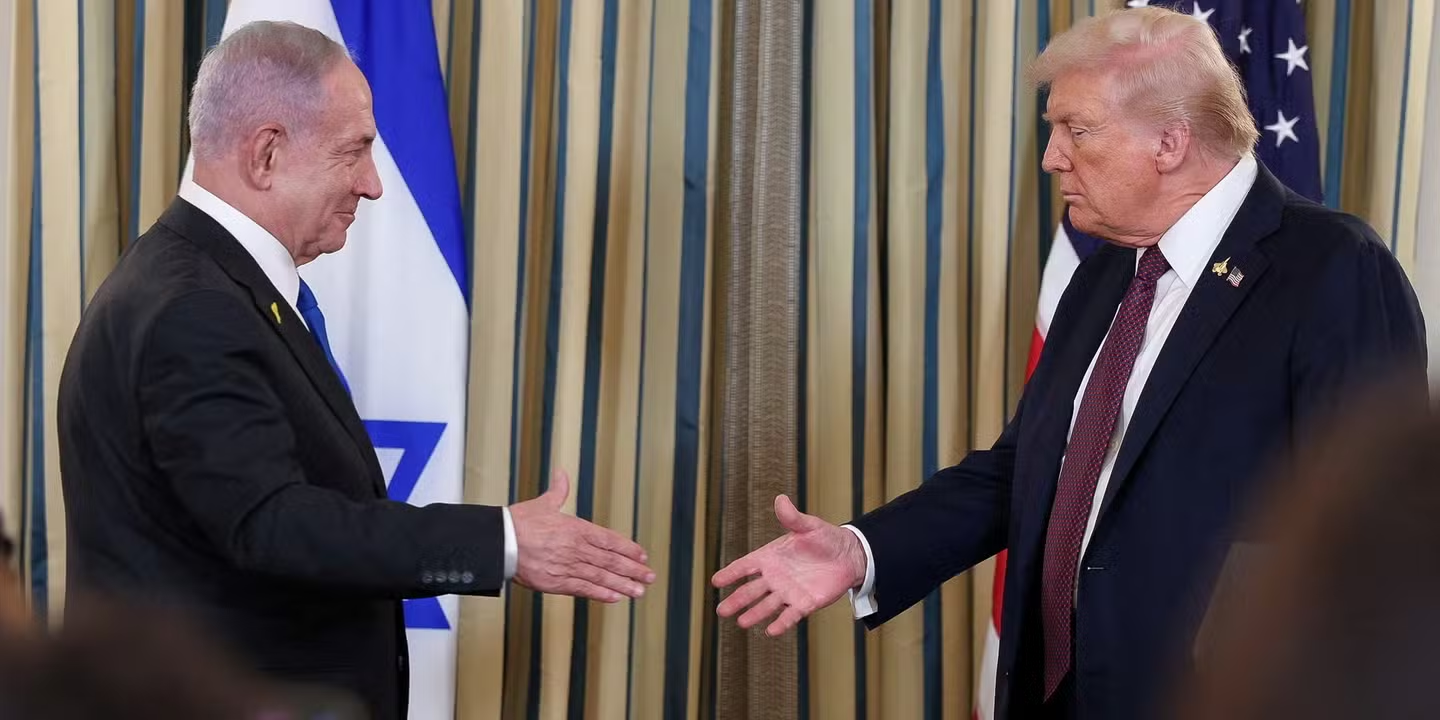
Israeli Prime Minister Benjamin Netanyahu announced Sunday that the U.S.-backed Gaza peace plan is poised to enter its highly complex and critical “second phase,” potentially beginning as early as the end of the month. The Prime Minister’s remarks, made alongside German Chancellor Friedrich Merz, signaled an urgent intent to transition from the current fragile truce to the much more daunting tasks of demilitarizing Gaza and establishing a new security framework.
Netanyahu confirmed he will hold crucial discussions with U.S. President Donald Trump later this month to finalize the details of this transition, which includes establishing an international security force and dismantling Hamas’s military infrastructure.
The End of Phase One and the Hardline Demands
The first phase of the peace plan, which took effect on October 10th, successfully secured the release of the remaining 20 living Israeli hostages and 27 bodies in exchange for approximately 2,000 Palestinian prisoners. However, the completion of this phase is contingent on the return of the remains of one final Israeli police officer killed in the initial October 7, 2023, attack.
Netanyahu indicated that this return is imminent, paving the way for the second, much more complex phase.
Netanyahu’s Focus: The Israeli leader emphasized that the second phase must achieve the “disarmament of Hamas and the demilitarisation of Gaza.” He stressed that this commitment—to neutralize the militant group’s offensive capabilities—is non-negotiable for Israel.”We finished the first part,” Netanyahu stated. “And now we very shortly expect to move into the second phase, which is more difficult.”
The Three-Step Plan: The Prime Minister also outlined a third, long-term phase: the “deradicalization of Gaza,” which he compared to the post-war reconstruction and ideological shift seen in Germany and Japan.
The International Security Dilemma
Phase Two of the U.S. initiative, which was largely endorsed by the United Nations Security Council, involves a significant change in the security and governance of the Gaza Strip.
Israeli Withdrawal and Security: Under the plan, Israeli forces are required to withdraw further from the territory they currently control (estimated at 53% of Gaza) to allow for the deployment of a Multinational International Stabilization Force (ISF). This force, backed by an international “Board of Peace” chaired by President Trump, is meant to oversee security.
Netanyahu’s Skepticism: While supporting the concept of an international force, Netanyahu expressed strong doubts about its ability to enforce Hamas’s demilitarization. “What will be the timeline? What are the forces that are coming in? Will we have international forces? If not, what are the alternatives? These are all topics that are being discussed,” he said, citing them as central unresolved issues.
Hamas’s Counter-Offer: Despite Netanyahu’s hardline approach, a senior Hamas official, Bassem Naim, suggested the group is open to discussing the possibility of “freezing or storing or laying down” its weapons, an offer viewed by analysts as a significant, though vague, concession.
The Israeli Prime Minister’s commitment to meeting with President Trump before the end of the month confirms the high-level focus on overcoming these obstacles. German Chancellor Friedrich Merz, whose meeting with Netanyahu was held this weekend, stressed the urgency, stating that Phase Two “must come now.”
The ultimate success of Phase Two hinges on two highly uncertain conditions: the complete disarmament of Hamas and the successful deployment of a multinational force, tasks both sides acknowledge are “daunting.”
The road to the Oscars began in earnest this morning as the Hollywood Foreign Press Association (HFPA) unveiled the nominations for the 83rd Annual Golden Globe Awards, with Paul Thomas Anderson’s dark comedy-thriller, One Battle After Another, leading the cinematic field with a sweeping total of nine nominations.
The film, which stars Leonardo DiCaprio as a washed-up revolutionary forced back into action, positioned itself as the immediate frontrunner for the 2026 awards season, dominating both major picture and acting categories. Its success puts Warner Bros. and Anderson’s most expensive film to date in a powerful position ahead of the televised ceremony on January 11, 2026.
The Dominance of the Dark Comedy
One Battle After Another, loosely based on Thomas Pynchon’s novel Vineland, received a surprising placement in the Best Motion Picture – Musical or Comedy category, rather than Drama. This strategic categorization allows it to bypass heavy-hitting drama contenders like Frankenstein and the Norwegian family saga, Sentimental Value (which earned a close second with eight nominations).
The film’s nine nods span all major creative and acting fields:
Best Motion Picture – Musical or Comedy
Best Director for Paul Thomas Anderson
Best Screenplay for Paul Thomas Anderson
Best Actor in a Motion Picture – Musical or Comedy for Leonardo DiCaprio
The Acting Sweep: A Five-Star Ensemble
The film’s true strength was revealed in the acting categories, where it received an incredible five nominations for its star-studded ensemble:
Leonardo DiCaprio for Best Actor in a Musical or Comedy, playing “Ghetto” Pat Calhoun / Bob Ferguson, the ex-revolutionary.
Chase Infiniti for Best Actress in a Musical or Comedy, making her film debut as Willa Ferguson.
Benicio del Toro for Best Supporting Male Actor.
Sean Penn for Best Supporting Male Actor, playing the antagonistic Colonel Steven J. Lockjaw.
Teyana Taylor for Best Supporting Female Actor, as the enigmatic Perfidia Beverly Hills.
This multiple acting recognition confirms the critical acclaim for Anderson’s ability to extract nuanced performances, even in a script described as a “screwball farcical resistance” thriller.
Television Frontrunners and Key Competition
While One Battle After Another commands the film nominations, the television side is led by familiar HBO prestige:
The White Lotus once again dominated, leading all TV programs with six nominations, heavily focused on its ensemble cast in the supporting acting categories.
Netflix miniseries Adolescence followed with five nominations, confirming the streaming giant’s power across film and television.
In the hotly contested Best Motion Picture – Drama category, the nominees are: Frankenstein, Hamnet, It Was Just An Accident, The Secret Agent, Sentimental Value, and Sinners.
The Golden Globe ceremony, which will be hosted by comedian Nikki Glaser for the second consecutive year, is scheduled to air live on Sunday, January 11, 2026, and will serve as the most crucial indicator yet of the films and performances favored for the upcoming Academy Awards.
The road to the Oscars began in earnest this morning as the Hollywood Foreign Press Association (HFPA) unveiled the nominations for the 83rd Annual Golden Globe Awards, with Paul Thomas Anderson’s dark comedy-thriller, One Battle After Another, leading the cinematic field with a sweeping total of nine nominations.
The film, which stars Leonardo DiCaprio as a washed-up revolutionary forced back into action, positioned itself as the immediate frontrunner for the 2026 awards season, dominating both major picture and acting categories. Its success puts Warner Bros. and Anderson’s most expensive film to date in a powerful position ahead of the televised ceremony on January 11, 2026.
The Dominance of the Dark Comedy
One Battle After Another, loosely based on Thomas Pynchon’s novel Vineland, received a surprising placement in the Best Motion Picture – Musical or Comedy category, rather than Drama. This strategic categorization allows it to bypass heavy-hitting drama contenders like Frankenstein and the Norwegian family saga, Sentimental Value (which earned a close second with eight nominations).
The film’s nine nods span all major creative and acting fields:
Best Motion Picture – Musical or Comedy
Best Director for Paul Thomas Anderson
Best Screenplay for Paul Thomas Anderson
Best Actor in a Motion Picture – Musical or Comedy for Leonardo DiCaprio
The Acting Sweep: A Five-Star Ensemble
The film’s true strength was revealed in the acting categories, where it received an incredible five nominations for its star-studded ensemble:
Leonardo DiCaprio for Best Actor in a Musical or Comedy, playing “Ghetto” Pat Calhoun / Bob Ferguson, the ex-revolutionary.
Chase Infiniti for Best Actress in a Musical or Comedy, making her film debut as Willa Ferguson.
Benicio del Toro for Best Supporting Male Actor.
Sean Penn for Best Supporting Male Actor, playing the antagonistic Colonel Steven J. Lockjaw.
Teyana Taylor for Best Supporting Female Actor, as the enigmatic Perfidia Beverly Hills.
This multiple acting recognition confirms the critical acclaim for Anderson’s ability to extract nuanced performances, even in a script described as a “screwball farcical resistance” thriller.
Television Frontrunners and Key Competition
While One Battle After Another commands the film nominations, the television side is led by familiar HBO prestige:
The White Lotus once again dominated, leading all TV programs with six nominations, heavily focused on its ensemble cast in the supporting acting categories.
Netflix miniseries Adolescence followed with five nominations, confirming the streaming giant’s power across film and television.
In the hotly contested Best Motion Picture – Drama category, the nominees are: Frankenstein, Hamnet, It Was Just An Accident, The Secret Agent, Sentimental Value, and Sinners.
The Golden Globe ceremony, which will be hosted by comedian Nikki Glaser for the second consecutive year, is scheduled to air live on Sunday, January 11, 2026, and will serve as the most crucial indicator yet of the films and performances favored for the upcoming Academy Awards.
The road to the Oscars began in earnest this morning as the Hollywood Foreign Press Association (HFPA) unveiled the nominations for the 83rd Annual Golden Globe Awards, with Paul Thomas Anderson’s dark comedy-thriller, One Battle After Another, leading the cinematic field with a sweeping total of nine nominations.
The film, which stars Leonardo DiCaprio as a washed-up revolutionary forced back into action, positioned itself as the immediate frontrunner for the 2026 awards season, dominating both major picture and acting categories. Its success puts Warner Bros. and Anderson’s most expensive film to date in a powerful position ahead of the televised ceremony on January 11, 2026.
The Dominance of the Dark Comedy
One Battle After Another, loosely based on Thomas Pynchon’s novel Vineland, received a surprising placement in the Best Motion Picture – Musical or Comedy category, rather than Drama. This strategic categorization allows it to bypass heavy-hitting drama contenders like Frankenstein and the Norwegian family saga, Sentimental Value (which earned a close second with eight nominations).
The film’s nine nods span all major creative and acting fields:
Best Motion Picture – Musical or Comedy
Best Director for Paul Thomas Anderson
Best Screenplay for Paul Thomas Anderson
Best Actor in a Motion Picture – Musical or Comedy for Leonardo DiCaprio
The Acting Sweep: A Five-Star Ensemble
The film’s true strength was revealed in the acting categories, where it received an incredible five nominations for its star-studded ensemble:
Leonardo DiCaprio for Best Actor in a Musical or Comedy, playing “Ghetto” Pat Calhoun / Bob Ferguson, the ex-revolutionary.
Chase Infiniti for Best Actress in a Musical or Comedy, making her film debut as Willa Ferguson.
Benicio del Toro for Best Supporting Male Actor.
Sean Penn for Best Supporting Male Actor, playing the antagonistic Colonel Steven J. Lockjaw.
Teyana Taylor for Best Supporting Female Actor, as the enigmatic Perfidia Beverly Hills.
This multiple acting recognition confirms the critical acclaim for Anderson’s ability to extract nuanced performances, even in a script described as a “screwball farcical resistance” thriller.
Television Frontrunners and Key Competition
While One Battle After Another commands the film nominations, the television side is led by familiar HBO prestige:
The White Lotus once again dominated, leading all TV programs with six nominations, heavily focused on its ensemble cast in the supporting acting categories.
Netflix miniseries Adolescence followed with five nominations, confirming the streaming giant’s power across film and television.
In the hotly contested Best Motion Picture – Drama category, the nominees are: Frankenstein, Hamnet, It Was Just An Accident, The Secret Agent, Sentimental Value, and Sinners.
The Golden Globe ceremony, which will be hosted by comedian Nikki Glaser for the second consecutive year, is scheduled to air live on Sunday, January 11, 2026, and will serve as the most crucial indicator yet of the films and performances favored for the upcoming Academy Awards.
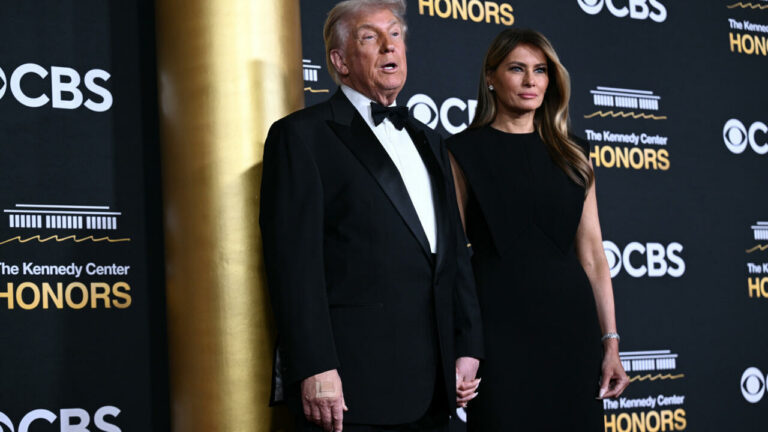
In an unprecedented break with nearly five decades of tradition, President Donald Trump became the first sitting U.S. head of state to host the Kennedy Center Honors gala on Sunday night, presiding over the nation’s highest awards for artistic achievement in a ceremony that bore the distinct fingerprints of the Commander-in-Chief.
The 48th annual event celebrated a diverse group of American icons, including actor Sylvester Stallone, country music legend George Strait, disco pioneer Gloria Gaynor, Tony Award-winning actor Michael Crawford, and the rock band Kiss. The evening capped a two-day schedule of events that officially brought the prestigious arts prize firmly into the White House orbit.
From Oval Office to Opera House
The shift in presidential involvement marks a stark reversal from Mr. Trump’s first term, when he notably avoided the event. Since taking office this year, however, the President has taken a keen interest, personally announcing the honorees and overhauling the Center’s board.
The Medal Ceremony: The weekend’s festivities began Saturday with a break from protocol, as the honorees received their distinctive medals—newly designed by Tiffany & Co.—not at the State Department, but in a televised ceremony inside the Oval Office of the White House. The President called the class of 2025 “perhaps the most accomplished and renowned” ever assembled.
Hosting Debut: On Sunday, Mr. Trump took to the stage at the Kennedy Center Opera House to host the gala itself, a role usually filled by celebrities or past honorees. Stepping into the spotlight, the President quipped about his new role: “We never had a president hosting the awards before, this is a first.”
The night’s entertainment—which featured performances by country artists like Vince Gill and Miranda Lambert for George Strait, and tributes to Stallone’sRocky legacy—was a heavy nod to the popular culture of the late 20th century.
A Celebration, A Controversy
While the night was largely dedicated to celebrating the achievements of the five honorees, the President’s central role underscored the politicization that has enveloped the arts institution this year.
The President stated in August that he was “about 98% involved” in choosing the recipients. The honorees, who included the influential rock band Kiss, were praised by Mr. Trump as a group whose work has “inspired, uplifted and unified millions and millions of Americans.”
A Quip to the Crowd: Despite the celebratory atmosphere, the President maintained his signature style, delivering several off-the-cuff remarks, including a joke aimed at some attendees: “So many people I know in this audience. Some good. Some bad. Some I truly love and respect. Some I just hate.”
For the honorees, the focus remained on their art. Actor Sylvester Stallone, who was honored for his iconic roles as Rocky Balboa and John Rambo, accepted his medal in the Oval Office, smiling alongside the President he has publicly supported.
The unprecedented event ensures that the 2025 Kennedy Center Honors will be remembered not just for the artists it celebrated, but for the President who, for the first time, took center stage to conduct the show.
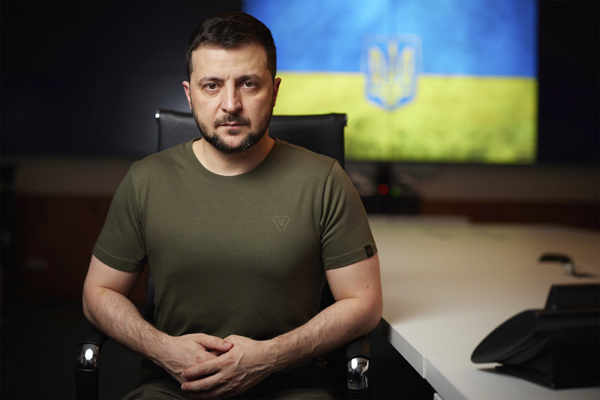
KYIV, UKRAINE—Ukrainian President Volodymyr Zelensky has struck a cautiously optimistic note regarding the U.S.-mediated peace plan to end the war with Russia, stating that the proposal “looks better” following multiple rounds of intensive negotiations with American envoys in recent days.
Zelensky’s comments, made after a flurry of high-level diplomatic activity in Miami and Paris, signal a significant easing of Kyiv’s initial fears that the U.S.-authored framework heavily favored Russian demands. While the most contentious issue—territorial control—remains an impasse, both Washington and Kyiv say they have made substantial progress on establishing a post-war security framework for Ukraine.
Amending the Controversial Draft
The current push for peace, championed by the Trump administration, began with a controversial 28-point proposal drafted in cooperation between U.S. envoy Steve Witkoff and Russian officials. That original draft drew immediate, sharp criticism from Kyiv and European allies for suggesting a forced ceding of Ukrainian land and imposing severe limits on Ukraine’s military sovereignty.
Kyiv’s Revisions: Following intense talks in Geneva and Florida over the last two weeks, Ukrainian negotiators successfully amended the proposal. President Zelensky confirmed that the initial 28 points had been refined to a 20-point framework, removing some of Russia’s maximalist demands.
The Positive Assessment: “It looks better,” Zelensky said, highlighting the positive shift in the proposal’s contents. His top security officials, Rustem Umerov and Andriy Hnatov, met with U.S. envoys Witkoff and Jared Kushner for a third day of talks in Miami, which both sides described as “constructive.”
The joint readout from the U.S. and Ukrainian delegations stated they had “agreed on the framework of security arrangements” and discussed “necessary deterrence capabilities to sustain a lasting peace,” suggesting a breakthrough on the issue of Ukraine’s future protection.
The Enduring Red Line: Territory
Despite the diplomatic momentum, the fundamental issue of territory continues to represent a near-insurmountable barrier to a final agreement.
President Zelensky reiterated that the question of Ukraine’s full control over its internationally recognized borders remains the “most complicated” and non-negotiable part of the discussions.
This position directly clashes with Russian President Vladimir Putin’s latest statements, in which he vowed that Moscow will accept nothing less than the unconditional withdrawal of Ukrainian forces from the four partially occupied oblasts—Donetsk, Luhansk, Kherson, and Zaporizhzhia—or seize the territory by force.
The Focus Shifts to Moscow
While Kyiv and Washington appear to have successfully aligned on a post-war security structure, the spotlight now shifts back to Moscow. U.S. envoy Steve Witkoff recently met with President Putin to discuss the amended plan.
Following the meeting, a top Kremlin aide, Yuri Ushakov, described the talks as “very useful,” but conceded that “no compromise version of a peace settlement has been found.”
The joint statement from the U.S. and Ukraine delegations underscored the high-risk nature of the diplomacy: “Both parties agreed that real progress toward any agreement depends on Russia’s readiness to show serious commitment to long-term peace, including steps toward de-escalation and cessation of killings.”
The signal from Kyiv is clear: they have done their part to amend the deal and secure their security guarantees. The responsibility for the next step, and the ultimate end of the conflict, now rests squarely with the Kremlin.
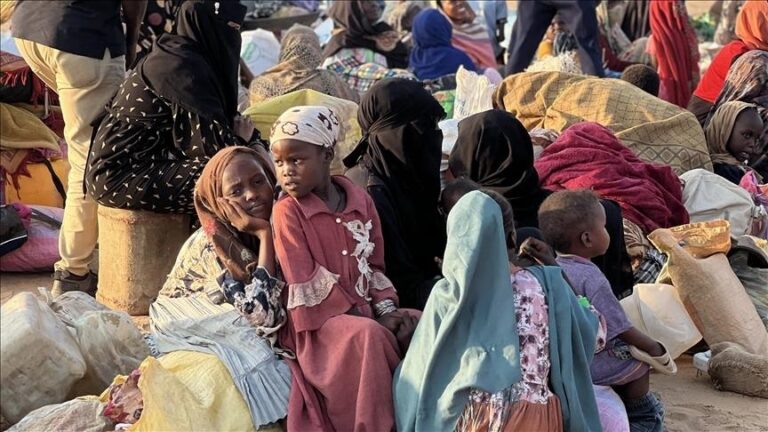
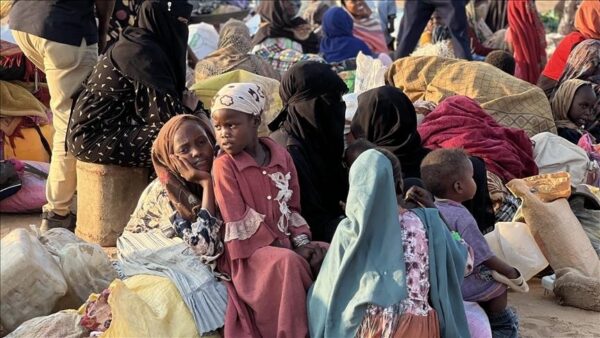
KALOGI, SUDAN—In a horrific escalation of Sudan’s brutal two-year conflict, a drone strike allegedly carried out by the paramilitary Rapid Support Forces (RSF) and allied groups targeted a kindergarten and a hospital in the city of Kalogi, South Kordofan, killing at least 79 civilians, including a staggering 43 children.
The attack, which occurred on Thursday, has been globally condemned as a blatant war crime and an “unprecedented act of terror against children,” according to local authorities. The scale of the tragedy underscores the profound vulnerability of civilians in a conflict that has rapidly deteriorated across Sudan’s Kordofan states.
The Attack on Ghadeer Locality
The South Kordofan state government confirmed on Friday that a drone fired at least four missiles at civilian sites in the Ghadeer locality of Kalogi. The initial strike devastated a kindergarten filled with young children, aged between five and seven years old.
Targeted Site: The missiles hit the kindergarten, a crowded hospital, and densely populated residential areas.
Casualties: Local authorities initially reported fewer fatalities, but the death toll quickly climbed to 79, with 43 children among the dead and 38 people injured, including 11 children.
‘Heinous Crime’: The state government, in a strongly worded statement, described the incident as a “heinous crime” committed by the RSF-allied Sudan People’s Liberation Movement-North (SPLM-N). The Sudanese Foreign Ministry accused the RSF of a campaign of “genocide” against Sudanese communities.
Sudanese authorities further alleged that after residents and medics rushed to aid the injured at the kindergarten, the RSF launched a second unexpected attack, reportedly targeting the paramedics and first responders, an action described by rights groups as a flagrant violation of international humanitarian law.
Global Outcry Over Attacks on Schools
The United Nations Children’s Fund (UNICEF) immediately condemned the drone strike, calling the targeting of children in their place of learning a “horrific violation of children’s rights.”
“Killing children in their school is a horrific violation of children’s rights,” said Sheldon Yett, UNICEF Representative for Sudan. “Children should never pay the price of conflict. UNICEF urges all parties to stop these attacks immediately.”
The latest atrocity comes amid a severe escalation of violence in the Kordofan region since early November, driving widespread displacement and exacerbating a humanitarian crisis already marked by confirmed famine in Kadugli and collapsing medical services. More than 41,000 people have fled the escalating fighting in the North and South Kordofan states over the past month.
The RSF has not immediately commented on the Kalogi attack. The paramilitary group and the Sudanese army have been locked in a brutal power struggle since April 2023, a conflict that has killed at least 40,000 people and displaced over 12 million, according to the World Health Organization.
The international community is now facing renewed pressure to hold those responsible for the attack on the kindergarten accountable for what is rapidly becoming a war defined by the widespread killing of civilians and children.
BETHLEHEM, OCCUPIED WEST BANK—After two years of somber silence and canceled celebrations, the traditional birthplace of Jesus Christ came alive on Saturday night as the massive Christmas tree in Manger Square was illuminated. The lighting ceremony, attended by thousands, marked the city’s cautious return to public festivity and served as a powerful, symbolic act of resilience and hope for Palestinians suffering the lingering effects of the Gaza war.
The 20-meter tree, adorned with red and gold baubles, stands just meters away from the Church of the Nativity. Its illumination, which drew cheers from crowds of Palestinian Christians and Muslims, represents the first major public observance of Christmas in the city since hostilities began in October 2023.
The Two Years of Darkness
For the past two Christmas seasons, the Bethlehem Municipality—in solidarity with the people of Gaza—had canceled all major public festivities. This refusal to celebrate transformed the city’s vibrant holiday season into a protracted period of mourning.
Economic Collapse: The decision was deeply felt, particularly economically. Bethlehem relies heavily on tourism, with an estimated 80% of the city’s Muslim-majority residents dependent on the industry. The war and subsequent security restrictions caused the local economy to collapse, with unemployment soaring and hotels sitting eerily empty.
A Shared Anguish: Bethlehem Mayor Maher Nicola Canawati confirmed that the silence was a collective act of solidarity. “As Bethlehem lights its Christmas tree, the deep anguish endured by our people in Gaza does not leave our hearts,” he stated. “The wound of Gaza is our wound… and the light of Christmas has no meaning unless it first touches the hearts of the afflicted.”
The renewed lighting ceremony comes as a precarious ceasefire in Gaza enters its second month, easing the immediate pressure of active conflict, though the suffering and economic devastation remain profound across the occupied territories.
A Message of Hope and Defiance
The return of the lights was not a signal of carefree revelry, but rather one of determined optimism in the face of immense adversity. The traditional fireworks display, for instance, was noticeably absent—a solemn nod to the gravity of the wider conflict.
Resilience: “It’s like a symbol for resilience,” said Abeer Shtaya, a 27-year-old who traveled 100 kilometers to attend the ceremony. “It’s a message for the world that it’s calm, and we are looking for hope.”
Unity: The thousands who packed Manger Square included Palestinian Christians and Muslims who traveled from across the West Bank and Israel, underscoring the deep national and community unity in a city that historically thrives on Christian pilgrimage.
Tourism’s Flicker: Local businesses and hotel owners, whose premises have been largely shuttered for two years, expressed cautious optimism. While visitor numbers are still only a fraction of pre-war figures, the return of the ceremony has already sparked renewed inquiries from international pilgrims, hoping the event signals a pathway back to normalcy.
As the yellow lights and the bright red star shone over Manger Square, Bethlehem’s message was clear: The city, the symbolic birthplace of peace, refuses to let sorrow extinguish its identity. The act of lighting the tree became a powerful declaration that even in the darkest of times, hope and the will to celebrate life can endure.
The U.S. Supreme Court on Friday agreed to hear a pivotal case challenging President Donald Trump’s executive order that seeks to restrict birthright citizenship, setting the stage for a dramatic constitutional showdown that could fundamentally reshape the definition of American citizenship.
The justices will review the constitutionality of the President’s directive, which aims to deny U.S. citizenship to children born on U.S. soil if their parents are either in the country without legal authorization or present on a temporary basis, such as student or tourist visas. The case, Trump v. Barbara (and related cases), will be argued in the spring, with a definitive ruling expected by early summer 2026.
The 14th Amendment and 127 Years of Precedent
The ruling will directly address the interpretation of the Citizenship Clause of the 14th Amendment to the U.S. Constitution, which was ratified after the Civil War to secure citizenship for formerly enslaved people.
The clause states: “All persons born or naturalized in the United States, and subject to the jurisdiction thereof, are citizens of the United States and of the State wherein they reside.”
For over 125 years, this clause has been interpreted to mean that nearly everyone born on U.S. soil is an automatic citizen, a principle cemented by the Supreme Court’s 1898 decision in United States v. Wong Kim Ark.
The Administration’s Argument: The Trump administration, through the Solicitor General, argues that this precedent has been “mistaken” and that children born to parents who are either “unlawfully present” or merely “temporarily” in the country are not “subject to the jurisdiction” of the United States in the way the framers intended. They claim the term implies a deeper, more complete allegiance that undocumented or temporary visitors do not hold.
The Legal Challenge: Civil rights groups, led by the ACLU, argue that the executive order is a clear violation of the 14th Amendment, a longstanding federal statute, and a century of Supreme Court precedent. They maintain that the only established exceptions to birthright citizenship are the children of foreign diplomats and foreign military forces.
The Impact of the Ruling
The outcome of the case will have massive, far-reaching consequences, extending beyond the legal framework to the humanitarian and political stability of the nation.
Creating a Subclass: If the Supreme Court sides with the administration, it could instantly render hundreds of thousands of children—and all future children born under these circumstances—non-citizens. Critics warn this would create a new, vulnerable subclass of residents who lack basic rights and could even be rendered stateless, vulnerable to exploitation and deportation to countries they have never known.
Lower Courts Unanimous: The Supreme Court’s willingness to hear the appeal comes despite the administration’s repeated losses in lower federal courts. Every court that has addressed the constitutionality of the executive order has, so far, found that it likely violates the Constitution, though the orders blocking its implementation were recently narrowed by the Supreme Court.
The Trump administration’s order, signed on the first day of his second term, is the first of his sweeping immigration policies to be definitively evaluated by the Supreme Court on its legal merits. The hearing next spring will force the nation’s highest court to decide whether to uphold a core tenet of American citizenship that has stood since the Civil War, or to fundamentally redefine who belongs in the United States.
An influential federal vaccine advisory panel on Friday voted to lift the long-standing recommendation that all U.S. newborns receive a vaccination against hepatitis B (HBV) shortly after birth. The decision marks the most significant change to the nation’s childhood immunization schedule in decades and has sparked fierce condemnation from major medical and public health organizations.
The Advisory Committee on Immunization Practices (ACIP), which provides guidance to the Centers for Disease Control and Prevention (CDC), voted 8-3 to eliminate the universal recommendation for a birth dose, which has been standard practice since 1991. The move signals a major shift in public health strategy under the current administration.
The Rollback of Universal Protection
The ACIP’s new guidance creates two distinct paths for newborns, abandoning the previous “universal” approach:
High-Risk Infants: The recommendation for newborns whose mothers test positive for HBV remains unchanged; these infants must still receive the vaccine at birth to prevent a potentially fatal, chronic infection.
Low-Risk Infants (New Guidance): For babies born to mothers who have tested negative for the virus, the panel now recommends “individual-based decision-making” in consultation with a healthcare provider. For infants who skip the birth dose, ACIP suggests delaying the first dose until the child is at least two months old.
Proponents of the change argued that the universal recommendation was overly broad since most babies born to HBV-negative mothers have a very low risk of infection. They claimed the revised guidance would minimize the number of doses a baby receives and empower parents’ informed choice.
Doctor vaccinating baby in clinic. Little baby get an injection. Pediatrician vaccinating newborn baby. Vaccine for infant child. Child’s Immunization, Children’s Vaccination, Health concept.
The Backlash: ‘Unconscionable’ and ‘Dangerous’
The vote immediately triggered a wave of criticism from infectious disease experts and public health advocates who warn the change is unscientific, politically motivated, and will inevitably lead to an increase in preventable illnesses and deaths.
Erosion of Success: Before the universal birth dose was recommended, an estimated 20,000 newborns per year were infected with HBV. Since the 1991 policy, infections among infants have plummeted to fewer than 20 cases per year, a 99% reduction that experts hail as a monumental public health success.
Safety Net Removed: Medical groups, including the American Academy of Pediatrics (AAP), opposed the change, arguing the universal dose acts as a crucial safety net. They cite scenarios where a mother’s HBV status is unknown, where a false-negative test occurs, or where the mother becomes infected late in pregnancy.
Increased Risk: According to a recent public health model, delaying the shot from birth to two months could lead to at least 1,400 additional infections, 300 cases of liver cancer, and 480 deaths every year.
One dissenting ACIP panel member reportedly called the revised guidance “unconscionable,” while another criticized the lack of scientific data presented to support the change, stating, “no rational science has been presented” to justify altering the well-established protocol.
What Happens Next?
The ACIP’s recommendation is a non-binding guideline and must now be reviewed by the Acting Director of the CDC, Jim O’Neill, who will decide whether to accept the panel’s vote and officially alter the U.S. vaccination policy.
While the new recommendation does not restrict access—insurance is still expected to cover the vaccine—medical experts worry that introducing “shared clinical decision-making” for this routine vaccine will confuse parents and providers, creating a dangerous barrier to timely vaccination, especially for vulnerable or low-income families.