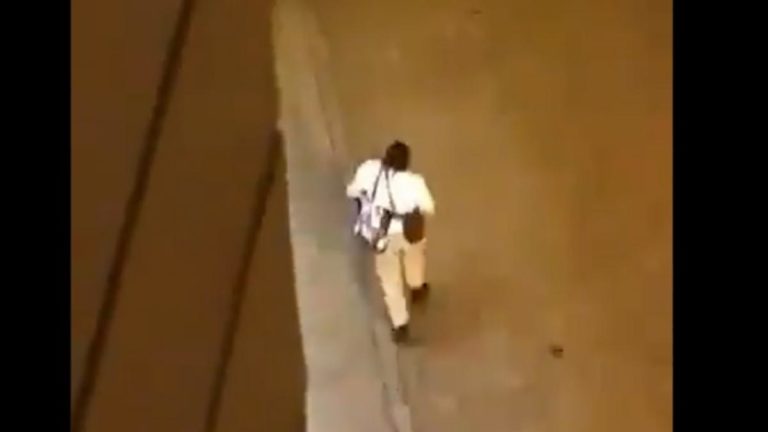
A large-scale police operation is under way in Vienna following a shooting incident in the Austrian capital.
According to police, several people have been injured in the shooting.
However, state broadcaster ORF TV is reporting that several people were killed.
The interior minister described the incident as a “terror attack” and said that one attacker had been killed.
Another attacker was “on the run” in the Austrian capital after the shooting.
Police have urged people to avoid all public spaces in the area and not to take public transport.
Road blocks have been set up around the city center. Footage posted on social media showed people running as what was reported to be gunshots could be heard.
The shooting took place in the center of the city, hours before the midnight start of a nationwide lockdown, one of several being imposed in Europe to stop the spread of the coronavirus.
The area where the shooting took place is packed with bars and Vienna’s main temple, the Seitenstettengasse synagogue, but it was not clear if they had any connection to the violence.
Jewish community leader Oskar Deutsch tweeted that it was unclear if the Vienna synagogue was targeted in the attack as it was closed at the time.
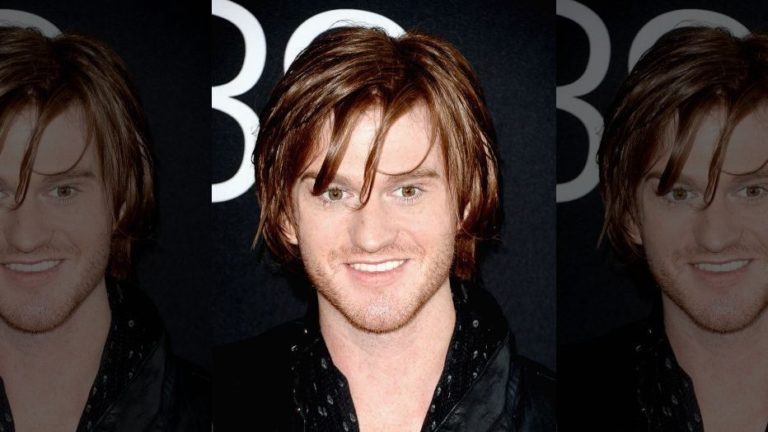
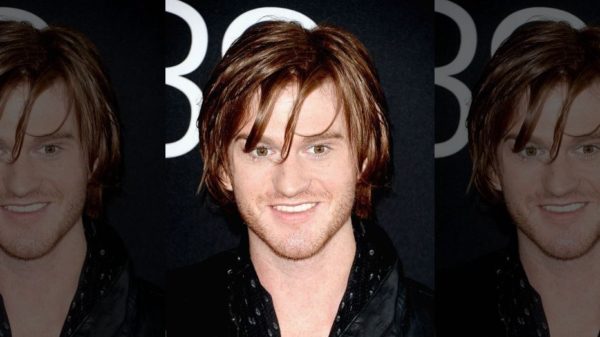
Actor Eddie Hassell has died at the age of 30 after being shot in North Texas on November 1.
Eddie Hassell was best known for his roles in the 2010 Oscar-nominated film The Kids Are All Right, and the NBC TV show Surface.
The star’s representatives confirmed the news of his death to Variety.
Eddie Hassell was killed in what appeared to be a carjacking, although the incident was still being investigated.
According to The New York Times, Eddie Hassell was shot outside his girlfriend’s apartment in a suburb of Dallas just before 2AM on November 1 and died in hospital soon after.
In 2010, the Texas-born actor showcased his skills to the world in the comedy drama film The Kids Are All Right, which was one of the first mainstream movies to show a same-sex couple raising two teenagers.
It was nominated for four Academy Awards, including best picture.
In it, Eddie Hassell played Clay – a friend of Laser (Josh Hutcherson), whose parents (Annette Bening and Julianne Moore) believe Hassell’s character is unstable.
Earlier in his career, Eddie Hassell portrayed Phil Nance – the best friend of schoolboy Miles Barnett – In the science fiction TV series Surface.
He appeared in 10 episodes, acting opposite the likes of Leighton Meester and Lake Bell, before NBC announced in 2006 that the series had been canceled after one season.
In 2013, Eddie Hassell played the young Chris Espinosa in Jobs – a biographical film about Apple founder Steve Jobs, alongside Ashton Kutcher.
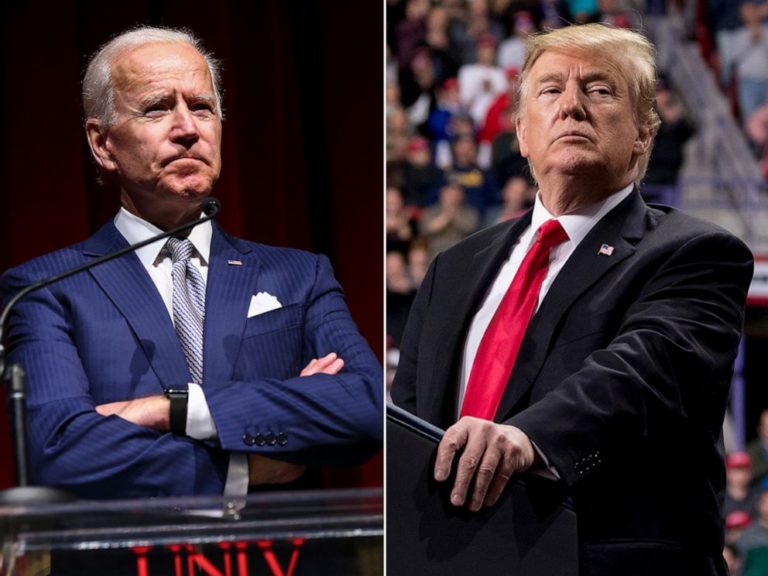
President Donald Trump and his Democratic challenger Joe Biden have been travelling across the nation as the US election enters its closing stage.
Donald Trump visited five battleground states while Joe Biden spoke at a campaign event in Pennsylvania.
Joe Biden maintains a solid national lead in the polls ahead of November 3 general election.
However, his advantage is narrower in key states which could decide the result.
More than 90 million people have already cast their ballots in early voting, putting the country on course for its highest turnout in a century.
The election comes amid the ongoing coronavirus pandemic. The US has recorded more cases and more deaths than any other country worldwide, reporting more than 99,000 infections on October 31 alone.
Top virus expert Dr. Anthony Fauci has sharply criticized the Trump administration’s handling of the pandemic, drawing a rebuke from the White House on November 1.
President Trump had a punishing schedule on November 1, holding rallies in Iowa, Michigan, North Carolina and Georgia, followed later by Florida – all states where polls suggest a tighter race.
Speaking in Washington, a town in Michigan north of Detroit, President Trump told his supporters that under his leadership “the economy is now growing at the fastest rate ever recorded”.
He predicted he would take the state again as he did in 2016, and said that the state known for its car manufacturing “didn’t have any auto plants four years ago” when he was elected.
He said: “We brought back your car industry. Your car industry was finished. You would have had nothing left.”
At a later rally in Dubuque, Iowa – joined by high-profile supporters like his daughter Ivanka and aide Hope Hicks – President Trump promised secure borders and more conservative judges in the courts.
Addressing Covid-19, the president told supporters they had a choice between a “deadly Biden lockdown” or “a safe vaccine that ends the pandemic”.
Donald Trump’s comments came after Anthony Fauci, head of the US National Institute of Allergy and Infectious Diseases, told the Washington Post that the US is “in for a whole lot of hurt” in the coming months.
“All the stars are aligned in the wrong place as you go into the fall and winter season, with people congregating at home indoors,” he told the newspaper.
Joe Biden was “taking it seriously from a public health perspective”, while President Trump had a different perspective and was focusing on “the economy and reopening the country”, he added.
White House spokesman Judd Deere said on November 1 that Dr. Fauci’s comments were “unacceptable”, saying that the expert chose “to criticize the President in the media and make his political leanings known by praising the President’s opponent”.
Joe Biden meanwhile headed to Pennsylvania, place of his birth and another key state in the election. President Trump narrowly won there in 2016 but polls suggest Joe Biden is slightly ahead this year.
At a rally in Philadelphia the former vice-president addressed the city’s black community, vowing to address “systemic racism” in the US and attacking the president’s handling of the pandemic – something which has disproportionately affected African Americans.
He said: “It’s almost criminal the way he’s handled it.
“It’s a mass casualty event in the black community and it’s totally unnecessary.”
Earlier in the day Joe Biden also courted Latino voters with a tweet in Spanish, speaking of the separation of migrant families at the border and his response to Hurricane Maria after it hit Puerto Rico.
He tweeted: “President Trump has attacked the dignity of Latino families time and again…This will end when I am president.”
Joe Biden also addressed a report by news site Axios which says the president will declare victory on Tuesday night if it looks as if he is ahead.
“The president’s not going to steal this election,” he told reporters.
Joe Biden also criticized President Trump for encouraging his supporters after some forced a Biden campaign bus to stop on a Texas highway, something the FBI has now confirmed it is investigating.
Donald Trump tweeted on November 1 that in his opinion, “these patriots did nothing wrong.”
The president denied the Axios report, but told journalists before his North Carolina rally that counting ballots after Election Day was a “terrible thing”.
“I don’t think it’s fair that we have to wait for a long period of time after the election,” he said.
Joe Biden’s campaign said he and his running mate Kamala Harris would “fan out” to “all four corners” of Pennsylvania on November 2, joined by their partners and Lady Gaga and John Legend.
On November 1, Kamala Harris campaigned in Georgia, another state which President Trump won in 2016 but which the Democratic Party is trying to win this year.
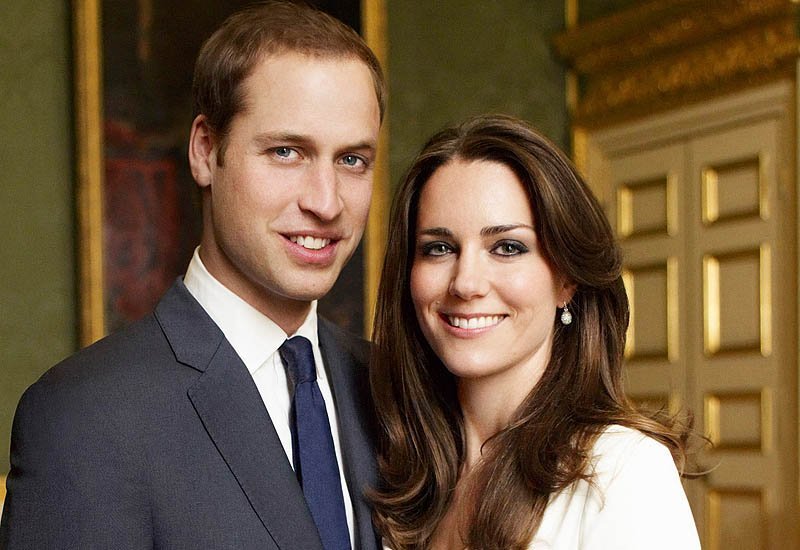
According to recent reports, Prince William contracted Covid-19 earlier this year.
It is believed the Duke of Cambridge tested positive in April at a similar time to his father, Prince Charles.
According to the Sun, which first reported the story, Prince William, 38, kept his diagnosis private to avoid alarming the nation.
Kensington Palace, the office and home of Prince William, refused to comment officially.
According to the Sun, Prince William, second in line to the throne, did not tell anyone about his positive test result because “there were important things going on and I didn’t want to worry anyone”.
The prince was treated by palace doctors and followed government guidelines by isolating at the family home Anmer Hall, in Norfolk, the paper added.
He reportedly carried out 14 telephone and video call engagements during April.
At the time, the Duchess of Cornwall tested negative for the virus and self-isolated for 14 days.
Prince Chrles, 71, later said he “got away with it quite lightly”.
During his first public engagement after recovering from coronavirus, the Prince of Wales said he had not fully regained his sense of taste and smell.
In April, PM Boris Johnson was admitted to hospital after testing positive for the virus.
The prime minister was moved to intensive care and later thanked healthcare workers for saving his life, saying it “could have gone either way”.
News of Prince William’s diagnosis comes days before England is due to enter a second national lockdown, with four-week measures to start on November 5.
On November 1, the UK recorded another 23,254 confirmed cases of coronavirus, bringing the total since the pandemic began to 1,034,914.
Another 162 people were reported to have died within 28 days of a positive test. It brings the total number of UK deaths to 46,717.
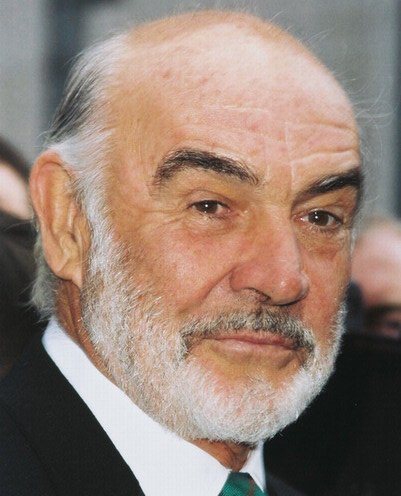
Movie icon Sean Connery has died at the age of 90, his family has announced.
The Scottish actor was best known for his portrayal of James Bond, being the first to bring the role to the big screen and appearing in seven of the spy thrillers.
Sean Connery died peacefully in his sleep in the Bahamas, having been “unwell for some time”, his son, Jason, said.
His acting career spanned five decades and he won an Oscar in 1988 for his role in The Untouchables.
Sir Sean Connery’s other movies included The Hunt for Red October, Highlander, Indiana Jones and the Last Crusade and The Rock.
Jason Connery said his father “had many of his family who could be in the Bahamas around him” when he died overnight in Nassau. Much of Bond film Thunderball had been filmed there.
He said: “We are all working at understanding this huge event as it only happened so recently, even though my dad has been unwell for some time.
“A sad day for all who knew and loved my dad and a sad loss for all people around the world who enjoyed the wonderful gift he had as an actor.”
Sean Connery’s publicist Nancy Seltzer said: “There will be a private ceremony followed by a memorial yet to be planned once the virus has ended.”
The actor leaves wife Micheline and sons Jason and Stephane.
President Donald Trump and his Democratic White House challenger Joe Biden have held dueling rallies in the critical election state of Florida.
Joe Biden told supporters: “You hold the power. If Florida goes blue [Democratic], it’s over.”
Celebrating soaring economic figures, President Trump said of his rival: “He’s going to lock you down.”
With just five days to go until Election Day, Joe Biden has a solid lead nationally in opinion polls.
However, his advantage looks less assured in the battleground states, such as Florida, that will decide who ultimately wins the White House.
More than 81 million people have already voted, 52 million of them by mail, setting the US on course for its highest electoral turnout rate in more than a century.
On October 29, at a rally in Tampa, President Trump reveled in a new federal projection that the US economy had expanded at an unprecedented 33.1% annual rate in the most recent quarter, following a record 31% contraction in the previous three months during the coronavirus crash.
Florida is a must-win for President Trump and a key opinion poll average shows him just 1.4 points behind Joe Biden, which amounts to a statistical dead heat.
At a 100-minute outdoor rally, President Trump told thousands of people, many of them crowded together without masks: “Joe Biden’s plan is to deliver punishing [coronavirus] lockdowns. He’s going to lock you down.”
“Look, we were compared to Europe,” noted the president.
“‘Germany is doing so well, France is doing so well, everyone’s doing so well.’ No, they’re not doing well.”
While emphasizing Europeans were allies, he continued: “They’re spiking up big, they’re shutting down, they’re locking down.
“I disagree with that because we’re never going to lock down again. We locked down, we understood the disease and now we’re open for business.”
The president was introduced by First Lady Melania Trump, making a rare appearance on the campaign trail. Her biggest applause line came when she said: “We are a country of hope, not a country of fear or weakness, and we have a leader who shows us that every single day.”
Donald Trump had been due to hit another key state, North Carolina, on October 29, but canceled that event in Fayetteville because of foul weather from Tropical Storm Zeta in the area.
The storm reportedly disrupted early voting in another election battleground, Georgia, sparking power cuts in some precincts and toppling trees that blocked off mobile polling sites.
President Trump – who began this month in hospital with coronavirus – is visiting 10 states in the last week of the campaign and will host 11 rallies in the final two days, a campaign official said.
He is hoping that media coverage of his rallies will compensate for his chronic deficit in ad spending as a result of his now-limited campaign coffers.
In Florida alone, according to data from ad tracking firm Kantar/CMAG, Joe Biden and his allies are outspending Donald Trump by more than three to one.
In a potential boost for President Trump, on October 29 he won a rare thumbs-up from an African American celebrity, rapper Lil Wayne, who appeared to endorse him.
Lil Wayne tweeted: “Just had a great meeting with @realdonaldtrump@potus besides what he’s done so far with criminal reform, the platinum plan is going to give the community real ownership. He listened to what we had to say today and assured he will and can get it done.”
As human beings, we tend to take our breathing for granted. It’s only when we encounter a health crisis that we take notice of this profound, yet basic ability. Every system in our body depends on oxygen, which is needed for digestion and cognition function. Effective breathing can transform your life in all kinds of ways.
Whether you already know about deep breathing exercises, or want to find out more, here are five ways your health will benefit from proper breathing.
Relieves Stress and Anxiety
Deep breathing exercises are one of the best strategies for lowering stress and anxiety. Many of us are feeling more tense than ever before due to the coronavirus pandemic. So, if you’re struggling to keep on top of things, relaxing your body and mind is key to good health. If you suffer from anxiety, you may feel breathless which can bring on panic attacks and make your heart beat faster. High stress levels can increase your risk of developing heart disease and diabetes. Therefore, learning to breathe properly will reduce tension, clear your mindset, and help you live a better quality of life.
Improves Sleep Quality
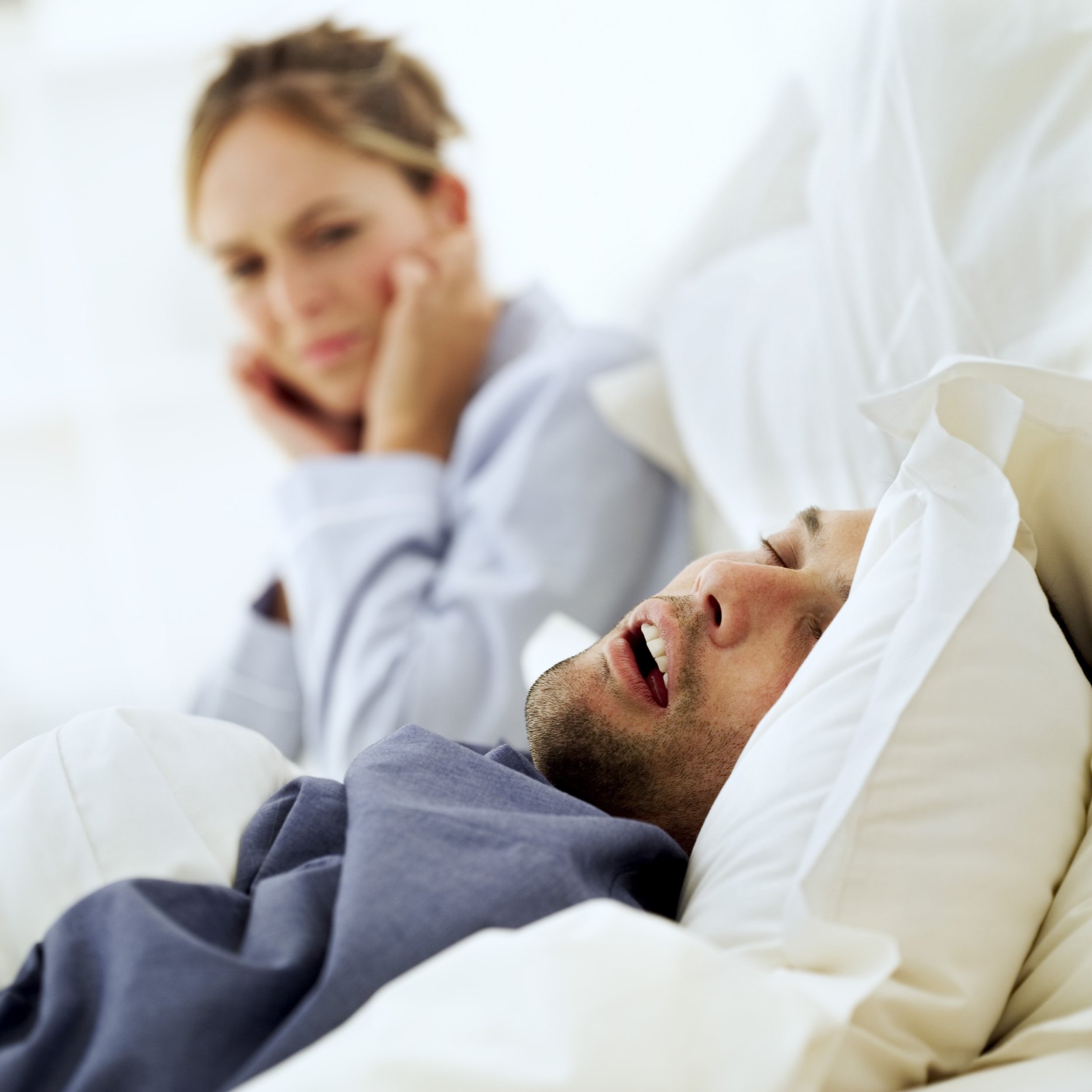
A good night’s sleep is imperative for your overall health and wellbeing. If you aren’t breathing correctly, this can have an effect on how much sleep you get. For those who wake up feeling sluggish and groggy, trying deep breathing techniques can help you get a more restorative sleep. If you’re prone to snoring, you may wake up with fatigue and an irritated throat, which can impact your day going forward. So, trying Somnifix strips can help to promote nose breathing and reduce snoring. Proper breathing will ensure you sleep soundly and wake up feeling refreshed and full of energy for the day ahead.
Digest Food Better
Digestion is critical for your body as it needs nutrients from the foods and drinks you consume to work correctly and stay healthy. If you breathe through your chest, there will be less oxygen that enters your blood, which can hurt digestion and create tense muscles. High-stress levels can create the ‘fight or flight’ response which can interfere with digestion and weaken your immune system. To improve digestion, deep breathing can help relax your abdominal area and improve brain function once you’ve eaten.
Boosts Your Immune System
If the COVID-19 pandemic has taught us anything, it’s how important our breathing is and how crucial preventive medicine and immunity are. Your immune system plays a key role in protecting your body from harmful germs and substances that can make you ill. To reduce your risk of getting the coronavirus, boosting your immune system is key. High-stress levels can change how you breathe and put your immune system at risk. So, practicing mindful breathing alongside regular exercise, maintaining a healthy diet, and keeping hydrated will help keep your immune system in check.
Lower Blood Pressure
Slow breathing techniques can help decrease stress levels and lower your blood pressure. Breathing exercises are a good way to encourage blood pressure receptors and keep your stress levels at bay. High blood pressure can increase your risk of having a heart attack and a stroke. So, if you are worried about your blood pressure, techniques like belly breathing and pursed lip breathing may help.
There are numerous practices and techniques that concentrate on your breathing, which helps to improve your mental and physical wellbeing. While we make lifestyle alterations like changing our diets and incorporating exercise into our routine to improve our quality of life, changing the way you breathe can provide tons of health benefits too.
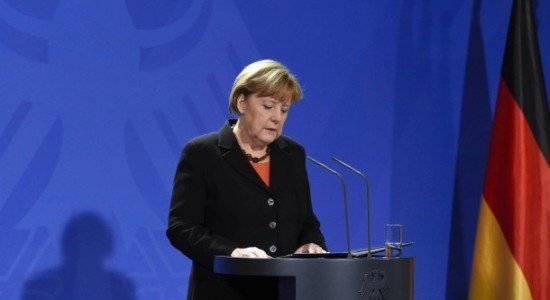
Germany will impose a new lockdown in November, but schools and shops will stay open, Chancellor Angela Merkel has announced.
She also called for a “major national effort” to fight coronavirus.
Social contacts will be limited to two households, and bars, catering and leisure facilities will shut.
France is also expected to announce new lockdown measures in the coming hours.
Covid daily deaths have risen above 500 there and officials say everything must be done so it “does not overwhelm us”.
EU special adviser Prof. Peter Piot has warned that some 1,000 Europeans are now dying every day from the virus.
Night curfews are in force in several countries, including for 46 million people in France. However, one minister has complained that they have failed to halt social interactions.
“[The curfew] has simply shifted them – instead of getting together at 21:00, people meet up at six,” the unnamed minister was quoted as saying.
The German government is keen to enable families and friends to meet at Christmas, but daily infections have soared to a new high of 14,964, with 85 more deaths reported in the latest 24-hour period.
A broad but limited German lockdown will now start on Monday, November 2, under terms agreed during a video conference involving Chancellor Merkel and the 16 state premiers:
Schools and kindergartens will remain open
Social contacts will be limited to two households with a maximum of 10 people and tourism will be halted
Bars will close and restaurants will be limited to takeaways
Tattoo and massage parlors will shut
Smaller companies badly hit by the lockdown will be reimbursed with up to 75% of their November 2019 takings
Chancellor Merkel and the state premiers are expected to reconvene on November 11 to reassess the situation
“We have to act now,” she explained, to avoid a national emergency.
In France, the defense council and cabinet were deciding the extent of the planned four-week lockdown on October 28, but reports suggest schools will stay open and online study will be encouraged for older children and universities.
The changes could kick in from October 30.
France recorded 523 deaths on October 27, including 235 in residential homes, and the hospital federation has appealed for as broad a lockdown as possible.
Intel has been doubling down on building chips and related architecture for the next generation of computing, and today it announced an acquisition that will bolster its expertise and work specifically in one area of future technology: artificial intelligence. The semiconductor giant today announced that it has acquired SigOpt, a startup out of San Francisco […]
Many Australians suffer from hearing loss. A large percentage of the population have not done anything about their hearing loss and so experience significant difficulties. Hearing loss can negatively impact daily life in a number of ways. Hearing loss can impact you in the home, in the workplace, in social situations, and it can even negatively impact your safety. Let’s have a look at how it does this. Then we will have a look at some strategies you can use to help your hearing abilities in these environments.
Impact of hearing loss at home:
Hearing impairment not only affects the person with the impairment but also their significant other. Hearing loss can have a negative impact on our relationships and communication with others in our home environment. As humans we rely on social bonds with other people. Social bonds are created and maintained through our interactions with one another. A way to communicate and build these bonds with others can be through conversations. Hearing loss affects the way we communicate with others and can therefore effect our relationships too. In relationships where there is one person with hearing loss, the following may be true:
Frustration can occur, sparking argument and impatience
Communication is minimised due to difficulty of interaction and they only talk to each other when necessary e.g. to ask a question or to give information, rather than for social reasons.
Connection is heavily reliant on communication, meaning the depth of the relationship may suffer
The people in their lives may become distant with them as their communication is not what it once was. They may feel rejection if the person with the hearing loss is not responding to them or is socially withdrawing due to their inability to join into conversation. They could be confused as they do not understand what their partner is going through. They may feel sadness for their partner and what they have to deal with. They can also feel anger or frustration with having to repeat themselves or pick up a lot of the slack during a conversation.
Impact of hearing loss in the workplace:
Hearing loss also has a major impact in the workplace. Workplaces have listening conditions which tend to be more complex and difficult than other environments such as the home. The employee also has less control of the listening conditions in the workplace and so the coping strategies that they usually use in other aspects of their daily life may not provide benefit in the workplace. Technologies, e.g. hearing aids, that they use in other listening environments, may also not be enough. Most workplaces also tend to be reliant on communication.
People with hearing loss in the workplace may experience discrimination. They may find that their hearing loss stops them from interacting in their job. They may also find that it stops them from having the opportunity for further training. It may even affect their chances of promotion. There are cases where the hearing-impaired employee has moved jobs due to their poor treatment in the workplace. Hearing impaired workers often feel that their colleagues do not understand their hearing loss. They also often feel that their workplaces do not make enough accommodations for them to better fit in.
People with hearing loss in the workplace may find that they have high levels of fatigue and limited energy. They may fear what others will think of them and often avoid interacting with colleagues. They may also hide that they have a hearing loss and feel embarrassed and self-conscious.
Impact of hearing loss on social life:
Hearing loss can negatively affect people’s social lives. People with hearing loss may withdraw socially and avoid meeting new people, beginning relationships, and keep existing ones, as they cannot keep up with conversation. They may prefer to withdraw and isolate themselves.
They are also less likely to have a lot of activities which they participate in if they do not have hearing aids. This is because things that they used to do may not be as enjoyable anymore as they have trouble hearing in these environments/situations, e.g. at golf or bridge.
They may also avoid going out to meet with friends at cafes, restaurants, and clubs, as they have difficulty hearing in noisy environments and the effort required to listen is too much. For example, modern restaurants have poor acoustics (high ceilings and hard surfaces that the sound reflects off) making it very hard for hearing impaired people to communicate with others.
Impact of hearing loss on safety
Hearing loss can also negatively impact people’s safety. Those with hearing loss who are not wearing hearing aids may be at risk of accidents. For those with significant degrees of hearing loss who do not wear hearing aids, they may not be able to hear important signals warning them of danger. For example, not being able to hear important safety instructions, car horns when crossing the road, traffic noise before stepping onto the road, emergency vehicle sirens, smoke alarms in the home, security alarms, PA system announcements (e.g. at train stations), and people calling out to them.
Coping strategies:
The difficulties of hearing loss have been highlighted but it is important as someone dealing with hearing loss of if you know someone who does, to know some strategies for coping. Below are some coping strategies which may help reduce the negative impacts of hearing loss on daily life.
At home
Reduce background noise, e.g. turn the TV down, when talking to others
Try hearing aids and other listening devices, e.g. TV headset
Ask for specific repeats to show that you were listening, e.g. “What did you say the name of that shop was?”
Do not talk to each other from other rooms
Make sure you can see each other’s faces to help with lip reading and expression
In the workplace
Make your hearing loss known to colleagues.
Ask people to face you and speak slowly and clearly
Ask people to get your attention before speaking to you.
Ask for accommodations, e.g. one speaker at a time, meeting minutes for after a discussion to ensure you did not miss anything
Try hearing aids and other listening devices, e.g. remote microphone.
Socially
Select venues (cafes/restaurants) with good acoustics. Make sure they have low ceilings and soft furnishings to absorb some of the noise.
Avoid places with live bands or loud music that make it difficult to talk over
Select quieter venues or go when they are less busy.
If the venue has background music, ask staff to turn it down.
Pick a table away from any doors, kitchens, or tables with noisy children.
Ask people to get your attention before talking to you.
Try hearing aids and other listening devices.
Hearing loss can negatively impact many aspects of daily life including in your home, workplace, and in social situations, as well as your safety. Luckily, there are some basic strategies available to help you hear in these environments. It is important to get your hearing tested to have a baseline test and to determine if there is a hearing loss which needs to be addressed. Call your local audiologist for a hearing test today.
From first measuring the circumference of your chest where the band of the bra lies to measuring how far the flesh of your breasts protrude from the sternum, there are a lot of combinations of breast sizes to work with! For example, Victoria’s Secret alone carries forty-two bra sizes – and that is only 30AA to 40DDD, which in no way includes the needs of all bra wearers! To put it simply, our bodies are unique, from the color of our hair to the size and shape of our breasts, even if you cannot afford a boob job cost.
While body positivity and self-love are all the hype these days, not everyone has the strength to push through their insecurities. As a result, many go for cosmetic procedures. But what about those who cannot afford to have a breast lift, a breast implant, or a breast reduction surgery? The answer is simple: dress to compliment your body. While accepting our unique figure, we can also figure out the best style guide for ourselves by selecting the best bra for your breast shape!
There are many breast shapes out there, big, small, saggy, tuberous, asymmetrical. Whatever they are, there is always a piece of clothing that will look good on you.
Small Breasts
Small breasts are comfy, not only because they are lightweight, but you can also throw a basic tank top with nice accessories and turn heads. Small breasts also look sexy with a deep V neck t-shirt. The best bra for this type of breasts is push up bras, as they make them look larger if you ever need them.
Big Breasts
If your breasts are big and full, it might be hard for you to fit into fitted shirts. You can try dark colors to make your chest look smaller in size if you feel uncomfortable flaunting your big breasts. Oversize T-shirts and pullovers also look the best on you. Avoid wearing tops with too many details on the breast area as those details will draw more attention to your breasts. You can choose bras that will lift your breasts and draw them in. The best bra for such breasts is a plunge bra.
Saggy and Tuberous Breasts
For saggy and tuberous breasts, there are many bras that will correct their shape and lift them. You can visit your local bra store and find the best bra for yourself with trial and error. The most common problem associated with this breast type is a lot of bras will gap at the top of the cup due to loss in breast tissue mass. A demi bra or balcony bra will work great to remedy this problem. You don’t like bras? You can also go nipple free! As long as you have the right bra on, you can dress up anyway you like.
Asymmetric Breasts
Since no one is perfectly symmetrical, essentially 100% of women have asymmetric breasts to some degree. However, when the difference in the size of the breasts is noticeable, the breasts are called asymmetric breasts. Getting measured for a bra when you have asymmetrical breasts can be quite tricky. Try finding a bra for the larger breast since it will wear more comfortably while still giving you room to adjust to the smaller breast. For the smaller breast, use small inserts or breast pads to add volume, so it is fully supported and gives the breasts an even look.
East-West
If your boobs are not closely packed, and your nipples point outward, away from the center of your body, then your breast type is East-West. To compliment your body, and shape your breasts, it is important to choose a bra that will draw your boobs in. Get a bra without any seams at the sides that could damage or chafe the sensitive nipples. Most commonly, a woman with an east-west bust should go for a comfortable moulded cup bra or a T-shirt bra.
Conclusion
Breasts are the most prominent feature of a woman’s body. Breasts add contour and convexity to the figure. However, breast shape and size is a touchy subject for women – Why? Whether it is small breasts or large, every woman feels insecure about the look of her breasts in one way or another. Regardless of appearance, everyone deserves to look and feel sexy, so it does not matter how your breasts look, as long as you put on the right outfit. So, find a comfortable and flattering bra which will make you feel both comfortable and confident!
During the COVID-19 pandemic there are less people on the roads across Europe. With less cars and traffic, drivers tend to drive more recklessly. There has been an increase in accidents on the continent. In response to this, cities around Europe are taking steps to improve safety when the roads are emptier and people are driving faster. While each city has their own problem with road safety, all of them are creating their own solutions. A universal issue that is contributing to accidents and making more dangerous roads is speeding. Below are some of the stats about speeding and how various European cities are dealing with it.
Empty Roads & Speeding
Whenever roads empty, the speeding increases for those still driving. Furthermore, according to the personal injury claims law firm McGinley Solicitors, speeds have gone up during the COVID-19 pandemic. While speeds have increased, the number of accidents have gone up. This goes for accidents with cars, pedestrians, cyclists, and more. Speeding isn’t the only problem, people are also drinking and driving and getting on the roads during inclement weather. Driving under the influence also increases the speed of drivers and the likelihood that an accident will occur. The problems are multi-faceted, but so are the solutions. Each country and city has their own way of dealing with speeding, driving under the influence, accidents, and deaths in their own way.
Berlin
Berlin is already known for being a forward-thinking and progressive city. It is a city of constant change and flux. It has been destroyed and rebuilt, evolving into a modern and accessible place to live. The city has responded to the increase in speed and accidents by temporarily widening the cycle lanes, allowing wider distance for cars and social distancing. The response is to create new space for pedestrians and bicyclists, but with so many vehicles in Germany some are not happy about the new roads.
40 percent less people are on the roads. The extra space and less traffic has provided safer situations for people who want to walk and cycle, but cars are also now having to avoid more pedestrians. Currently there aren’t really reliable numbers on how this will effect accidents between cars and pedestrians, but it seems clear cars are having to be more careful when they are driving these widened roads. It is a significant change, and not everyone likes change, but they are necessary in this ever-evolving pandemic.
Brussels
Brussels is another progressive city that has responded quickly to the changing roads during the COVID-19 pandemic. The city has decided to lower the speed limit inside their main drag, the inner ring road. The speed limit will be lowered to 20 kmh. Brussel’s center is shaped like a pentagon, which makes it ideal for pedestrians. This means that pedestrians have space to move around, and bicycles can more easily maneuver. Again this creates more foot-traffic for drivers to navigate, but with so few cars on the road it makes for a socially distanced and traversable intersection. There are also concerns about the center becoming a meeting place. With social distancing, Brussels is learning how best to use their city.
Milan
Milan is also taking measures to open up traffic to pedestrians while making the roads safer for drivers. They are doing their best to open up the center for walking, closing 35km streets to cars. Like other Italian cities, Milan is changing its environmental regulations to make cities livable and social-distanced. While many city centers like Milan are closing to car traffic and opening up for pedestrians, there are still less cars on the highways and people are speeding, causing an increase in accidents.
Paris
Many large cities around Europe have begun rolling out cycling lanes that give cars and pedestrians more room. The city aims to create 650 kilometers of lockdown cycle lanes. This will not only provide space for social distancing, it will help commuters and others who are taking a ride for exercise. With fewer cars on the streets of the French capital, it provides a more regulated system of streets where drivers have to be careful with pedestrians around. This system, while it is becoming common, is especially suited to French society.
European cities around the continent are adapting to the new streets that have less cars and more pedestrians on them. Everyone is adapting to social distancing with less people on the roads and more people trying to get out of the house and other closed spaces. We all can learn how to adapt our cities like the ones above.
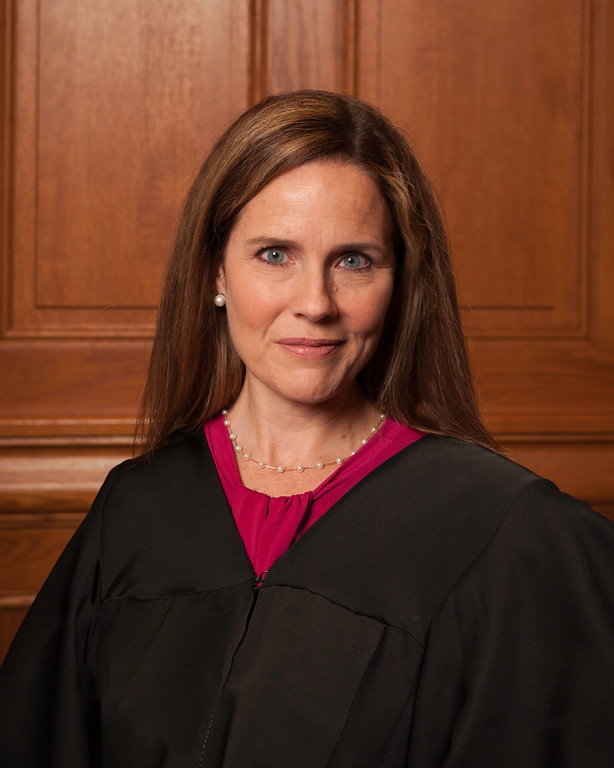
Judge Amy Coney Barrett has been confirmed to the Supreme Court by the US Senate in a victory for President Donald Trump aweek before the presidential election.
President Trump’s fellow Republicans voted 52-48 to approve Judge Barrett, overcoming the unified opposition of Democrats.
Justice Barrett’s appointment seals for the foreseeable future a 6-3 conservative majority on the top US judicial body.
Meanwhile, Democratic presidential candidate Joe Biden called the move rushed and unprecedented.
Senate Democratic leader Chuck Schumer said that by going ahead with the vote so close to the election the Republican majority was “lighting its credibility on fire”.
Democrats fear Judge Barrett’s confirmation to the lifelong post will favor Republicans in politically sensitive cases that reach America’s top court for potentially decades to come.
Amy Coney Barrett, 48, took the oath of office at the White House alongside President Trump.
Only one Republican, Senator Susan Collins, who faces a tough re-election battle in Maine, voted against the president’s nominee in October 26 vote.
Amy Coney Barrett is the third appointed by President Donald Trump, after Neil Gorsuch in 2017 and Brett Kavanaugh in 2018.
The federal appeals court judge from Indiana fills the vacancy left by Justice Ruth Bader Ginsburg, a liberal icon who died last month.
Supreme Court justices take two oaths before beginning their job – the constitutional oath and the judicial oath.
President Trump, just returned from campaigning in Pennsylvania, presided over Justice Barrett’s constitutional oath ceremony on October 26.
He said: “This is a momentous day for America, for the United States constitution and for the fair and impartial rule of law.”
The president added: “She is one of our nation’s most brilliant legal scholars and she will make an outstanding justice on the highest court in our land.”
Supreme Court Justice Clarence Thomas, a conservative, administered the oath of office to his new colleague.
Justice Amy Coney Barrett said afterwards: “A judge declares independence not only from the Congress and the president, but also from the private beliefs that might otherwise move her.
“The judicial oath captures the essence of the judicial duty: the rule of law must always control.”
She took the judicial oath in a private ceremony at the Supreme Court on October 27.
The White House ceremony took place on the south lawn of the executive mansion. It came a month after a similar event to unveil Amy Coney Barrett as the president’s nominee was linked to a Covid-19 outbreak that was followed by the president himself testing positive for the disease.
At 48, Amy Coney Barrett becomes the Supreme Court’s youngest justice.
Maalim Seif Sharif, the presidential candidate of Zanzibar’s main opposition party, was arrested a day before local and national elections in Tanzania, his party has announced.
On October 27, Maalim Seif Sharif was at a polling station when police officers hauled him away, his ACT Wazalendo party said.
US Ambassador to Tanzania Donald Wright said he was “alarmed by reports from Zanzibar and elsewhere of violence, deaths and detentions”.
Police have denied killing three people on Pemba on October 26.
Zanzibar is a group of islands off the coast of Tanzania which have semi-autonomous status from the mainland.
In Zanzibar, residents vote for the islands’ leaders, including the election of a Zanzibari president, as well as in Tanzania’s national election.
The authorities have yet to comment on Maalim Seif Sharif’s alleged arrest.
Tanzania’s police chief Simon Sirro said police did not kill three people in Pemba, adding that 42 people had been arrested in connection with the violence.
Internet users across Tanzania have also reported difficulties accessing WhatsApp and Twitter ahead of the polls.
ACT Wazalendo said its presidential candidate was detained trying to cast his vote as polling stations opened a day early to allow officials from the Zanzibar Electoral Commission, returning officers and security personnel to take part.
The tussle is likely to be between Maalim Seif Sharif Hamad, now in his sixth run for president, and Hussein Mwinyi who is the son of a former president from the ruling CCM party.
Zanzibar’s current president Ali Mohammed Shein is stepping down after serving two five-year terms in office.
The MIA Administration for the Kaluga Region opened a criminal case on the theft of land by OOO NLMK-Kaluga (LLC) with a total area of 8.35 hectares, which was later acquired by the Russian division of the Swiss company Nestlé.
According to the investigation materials, the site is located in the Vorsino industrial park between the two enterprises. The creation of the park was initiated by the government of the Kaluga region, exempting investors from paying the tax on the property of organizations and reducing the income tax rate.
At the same time, the seller of the land was a certain individual entrepreneur Arabadzhi B.F., who allegedly bought it from NLMK-Kaluga for 28 thousand rubles a year earlier, and then sold it to Nestlé for 62.3 million rubles. At the same time, the Swiss company turned to the regional authorities with a request to remove from the territory the infrastructure of the former owner at the expense of the Kaluga Region Development Corporation – the sewer network and modular buildings.
At present, the investigation has requested Nestlé-Russia LLC to provide information about the persons who were directly involved in the preparation, conclusion and execution of the contract with the individual entrepreneur Arabadzhi B.F. to interrogate them and to clear out the circumstances of the case.
According to the Office of Rosreestr (Federal Service for State Registration, Cadastre and Cartography) of the Kaluga Region, it was one of Nestlé’s managers for work with state authorities who was engaged in the execution of the transaction with individual entrepreneur Arabadzhi, however, when he was interrogated by the investigator, he refused to testify, citing the Art. 51 of the Constitution of the Russian Federation.
Novye Izvestia editorial was also unable to receive on its request a prompt comment from Nestlé.
Beads of sweat are rolling down your face. It’s a big day. You know you’ve worked for this. But wait, that may not help. You have to convince this person.. or else.. or else?
‘Well, do or die!’
Okay, that might be a bit of an exaggeration. But it’s a significant moment, nevertheless. And you don’t want to mess this up! What do you do?
‘..Panic and run!’
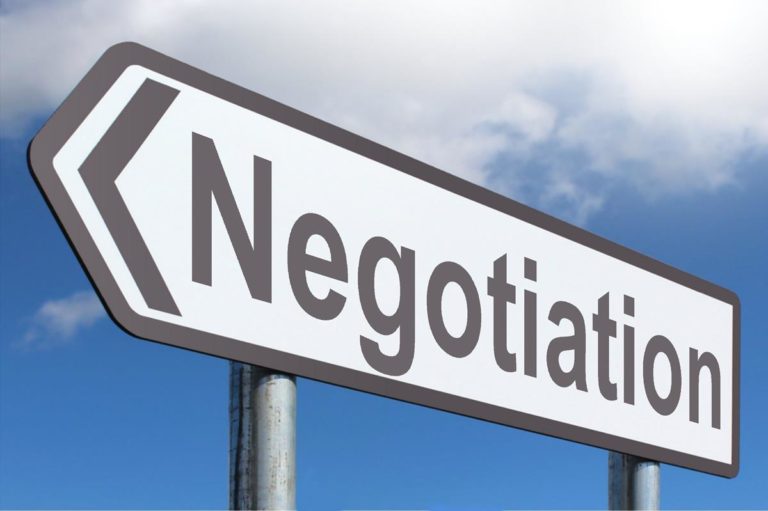
No, that’s not ideal. How about you read some negotiation tips instead?
‘That’s a real thing?’
Yes. Get your reading glasses. This might just save the day.
#1 Improve Your Listening Skills
It’s no secret that the number you mention first is a number that may not be the final one. The trick is to be quiet and let the other person do the talking. That doesn’t mean you’re not contributing.
While the other person is going on about how small his/her budget is, you can be racking your brains to let him know how you’re going to make a difference to his company and increase those numbers in the long run! Don’t interrupt them while they’re making their case. Let them speak. Once they have said all they have to, you take the floor and do your routine!
#2 More Information, The Merrier
When you pay attention to the person you’re negotiating with, you will want to know more to uncover the full picture. To discover everything that there is to the story, asking questions works like a dream. Finding out more about the subject will move the conversation forward.
The more details you have on their preferred negotiation strategies, the better you’ll be able to tackle them.
#3 What’s The Hurry? Don’t Rush It!
Haven’t we all been in negotiations where we said the right thing at the wrong time – making your point only to realize that the boss had a better one?
That does sound painful. Being alert to your surroundings and the other person’s mood is crucial to being in a negotiation. You can have any number of strategies or tactics up your sleeve, but if you don’t wait for the right moment – it could all go down the drain.
Make sure that you have the right timing with your words, actions, and offers. Who knows, you might just get what you were looking for!
#4 Sometimes you HAVE To Ask For It!
Here’s an idea – Take your nervousness and anxiety – roll it up into a ball, throw it high up in the air, and hit it out of the park. But here’s a more practical tip – How about you pen down all the reasons why you deserve to have what you are aiming for. Without considering yourself too ambitious or demanding, make a list of everything that can support your claim.
That was the easy part. Now comes the tough part. You have got to ask for it! Sure, it might be nerve-wracking and mind-boggling, sometimes you may not even get what you want, but the important thing is that you put your demand across. And sometimes, that can be rewarding in more ways than one!
#5 Don’t Forget Where You Are Coming From
Sure, the other person will have their problems – Not enough money, no available positions, no good enough opportunity, etc. However, one must have their morals and principles intact. Once you know what your reason for being in the situation is, you’ll rarely back down!
Some values cannot be compromised – and you should know what those are. Whether they are settling for a lower designation of not receiving a good enough offer or not enough perks. Know where your bar is and don’t go lower – because it may become a habit, and not by choice!
Conclusion
Phew! That was one tough negotiation, wasn’t it? But, it was a good experience.
Hopefully, you’ve learned something for the next negotiation!
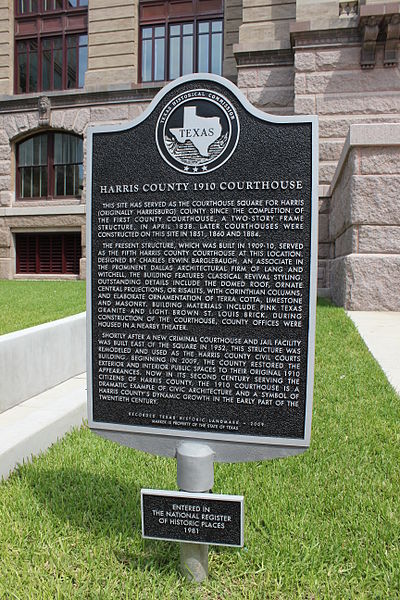
A major political bombshell comes just days before the election of many Harris County criminal judges.
The Harris County District Attorney’s Office filed a formal complaint with the Texas Judicial Conduct Commission over alleged misconduct by Judge Darrell Jordan, the current administrative judge of the Harris County Misdemeanor Courts.
The 26-page complaint alleges Judge Jordan accused prosecutors of racial bias and improperly injecting race into the proceedings in his court — telling prosecutors they reminded him “of a slave driver, you whip the slaves, work them in the field, and mistreat them.”
The complaint details the threatening treatment of an African-American prosecutor when they declined to grant pretrial diversion to an African-American defendant during a plea proceeding. Judge Jordan ordered the prosecutor to “Turn around and look at the people sitting down. Everybody in here looks like you.”
The District Attorney’s office complained the commentary was outside “the ethical boundaries of judicial conduct.”
The complaint details allegations Jordan threatened prosecutors in chambers for “disrespecting” him when he found out that a case he had found no probable cause in might be re-filed. One memo from a prosecutor said Jordan described himself not as a judge, but the “king” of Court 16. There are claims Jordan threatened prosecutors with contempt behind closed doors.
Dolcefino Consulting learned of the Judicial Conduct Commission complaint after company President Wayne Dolcefino was held in contempt by Jordan and jailed overnight in the Harris County Jail. Hidden camera footage proved that Jordan’s basis for holding Dolcefino in contempt was false. Dolcefino’s appeal is pending in the Texas Court of Criminal Appeals.
The District Attorney’s Office complaint was filed just two months before then felony administrative Judge Maria Jackson filed her own Judicial Conduct Commission complaint. Judge Jackson also accused Jordan of hostility, claiming that Jordan “verbally intimidated me to the point of fear for my physical wellbeing.” Jackson also stated that Jordan’s “bullying, yelling and intimidation would not be tolerated in any other setting.”
“A day after the meeting, I saw a man on the street who looked like Judge Jordan and felt physically in fear,” Jackson said. Jackson is an African American judge who also ran against Rodney Ellis for County Commissioner. Commissioner Ellis is the largest donor to the Jordan campaign.
The District Attorney’s complaint was filed in April of 2019 after complaints from prosecutors in the misdemeanor division, but both District Attorney Kim Ogg and Judge Jordan fought to keep it secret. The Texas Attorney General ruled the complaint and prosecutor’s memos about Jordan’s purported conduct were public records. Dolcefino Consulting agreed to redact the names of prosecutors out of fear of retaliation by Judge Jordan and other misdemeanor court judges so the complaint could be released.
There is no evidence the Judicial Conduct Commission has taken action on either complaint.
“I think the public has a fundamental right to know whether justice was handed out based on race. Racial bias has no place in criminal justice, whatever color it is,” said Dolcefino Consulting President Wayne Dolcefino. “I also think Kim Ogg has to explain why she kept this alleged injustice secret from the voters. Sure — they are both democrats — but justice has to take precedence over political parties. People deserve to know this before they reelect a judge with clear biases.”
President Donald Trump and his Democratic rival Joe Biden clashed over Covid-19 and race while trading corruption charges, in their final live TV debate which took place on Thursday night in Nashville, Tennessee.
The first debate was a chaotic, insult-filled exchange between the two candidates. But on October 22, the personal attacks were (mostly) out – instead audiences got the chance to hear some of what Biden and Trump had to offer to Americans.
The muted mics probably helped to cool temperatures and the moderator, Kristen Welker, has been celebrated for encouraging a higher standard of debate.
With arguments on coronavirus, race, climate change and corruption, both candidates made it clear how different their visions for the US were.
On the pandemic, Joe Biden would not rule out more lockdowns, while President Trump insisted it was time to reopen the US.
Donald Trump cited unsubstantiated claims Joe Biden personally profited from his son’s business dealings. The Democrat brought up President Trump’s opaque taxes.
Joe Biden has a solid lead with 11 days to go until the presidential election.
However, winning the most votes does not always win the election, and the margin is narrower in a handful of states that could decide the race either way.
More than 47 million people have already cast their ballots in a voting surge driven by the pandemic.
This is already more than voted before polling day in the 2016 election. There are about 230 million eligible voters in total.
In snap polls – from CNN, Data Progress and US Politics – most respondents said Joe Biden had won the debate by a margin of more than 50% to about 40%.
The final debate was a less acrimonious and more substantive affair than the pair’s previous showdown on September 29, which devolved into insults and name-calling.
Following that political brawl, debate organizers this time muted microphones during the candidates’ opening statements on each topic to minimize disruption.
However, the 90-minute debate, moderated by NBC’s Kristen Welker, was the scene of plenty of personal attacks between the opponents, whose mutual dislike was palpable.
In individual closing argument to voters, they offered starkly different visions for the nation on everything from shutting down the US to tackle coronavirus, to shutting down the fossil fuel industry to confront climate change.
Nowhere was the distinction between the two candidates more apparent than in their approach to the pandemic.
Asked about his support for more lockdowns if the scientists recommended it, Joe Biden, a Democrat, did not rule it out.
Donald Trump, a Republican, said it was wrong to inflict further damage on the economy because of an infection from which most people recover.
“This is a massive country with a massive economy,” said the president.
“People are losing their jobs, they’re committing suicide. There’s depression, alcohol, drugs at a level nobody’s ever seen before.”
Donald Trump, 74, declared that the virus was “going away” and that a vaccine would be ready by the end of the year, while Joe Biden, 77, warned the nation was heading towards “a dark winter”.
President Trump said: “We’re learning to live with it.”
Joe Biden countered: “Come on. We’re dying with it.”
He laid blame for the 220,000-plus American deaths as a consequence of the pandemic at President Trump’s door.
“Anyone who’s responsible for that many deaths should not remain president of the United States of America,” he said.
During a back-and-forth on race relations, President Trump said: “I am the least racist person in this room.”
He brought up the 1994 crime bill that Joe Biden helped draft and which Black Lives Matter blames for the mass incarceration of African Americans.
However, Joe Biden said Donald Trump was “one of the most racist presidents we’ve had in modern history. He pours fuel on every single racist fire”.
He added: “This guy is a [racial] dog whistle about as big as a fog horn.”
President Trump brought up purported leaked emails from Joe Biden’s son, Hunter, about his business dealings in China.
However, Joe Biden denied the president’s unfounded insinuation that the former US vice-president somehow had a stake in the ventures.
“I think you owe an explanation to the American people,” said President Trump.
Joe Biden said: “I have not taken a single penny from any country whatsoever. Ever.”
He referred to the New York Times recently reporting that President Trump had a bank account in China and paid $188,561 in taxes from 2013-15 to the country, compared with $750 in US federal taxes that the newspaper said he had paid in 2016-2017 when he became president.
President Trump said: “I have many bank accounts and they’re all listed and they’re all over the place.
By now, you’ll have heard of the Financial Crisis of 2007 to 2008. Financial crises are rarely caused by one thing. They are usually a culmination of several things. For example, the main reasons for this crisis were the stock market crash and the housing market crash. Why did the housing market crash occur? Here is what you need to know.
The Players
In the beginning, there were three leading players in the housing market. There was the homeowner who wanted to buy a home, the bank which lent the homeowner the money to buy the house, and investors with a lot of money who wanted to invest in an asset or assets that had high returns. The general assumption was that the price of homes was and would always be going up.
Then, what went wrong when the housing market crash happened?
Home Owners Borrowed from a Bank
When the average citizen decided that they wanted to become a homeowner, they saved the amount needed for the down payment and found a home they liked. They then approached a bank that would be willing to lend them money to buy the house. For the bank to have the money to lend to homeowners, they had to take loans from federal reserves. They paid them through the interest rates on the mortgages. Initially, the banks only offered loans to prime borrowers. They had good credit, proof of income and proved that they would pay back the money they borrowed.
Investment Banks Bought Loans from Banks
Investment banks approached the banks about buying the mortgages from them. The banks agreed to this because it transferred most of the risk to the investors. The investment banks took loans and bought many mortgages from the banks. Banks used this money to pay off part of their loans. The investment banks then package the mortgages into structured products called collateralized debt obligation, which they sold to investors. They were sold in slices to investors with different risk appetites.
Banks Started Giving Loans to Subprime Home Buyers
There were no more prime buyers; therefore, the banks started giving loans to subprime home buyers. They had bad credit, no proof of income and sometimes no papers. The idea was that if a person defaulted on their payments, they could sell the house again to someone else. However, more and more people – particularly the subprime buyers – were unable to pay their premiums; therefore, more and more homes become foreclosed.
Houses Foreclosed, House Prices Fell
With more houses foreclosing, the supply for houses began to exceed the demand. This consequently led to the fall in prices of the homes. When prime buyers saw these lower prices, they saw no value in paying premiums for overpriced houses, and they too stopped paying their premiums. Now, investment banks had CDOs they would like to sell off to investors who don’t want to buy. Banks also had mortgages they wanted to sell to investment bankers who didn’t want anymore.
Banks and Investment Banks Went Bankrupt
A crash occurred because banks and investment banks could no longer pay the money they owed and declare bankruptcy. The investors informed the homeowners that they had no money to pay them back as the value of the assets had dropped, and the investment banks could not pay them back. In the end, a lot of people lost their money, people and institutions went bankrupt, and it was a while before the economy recovered.
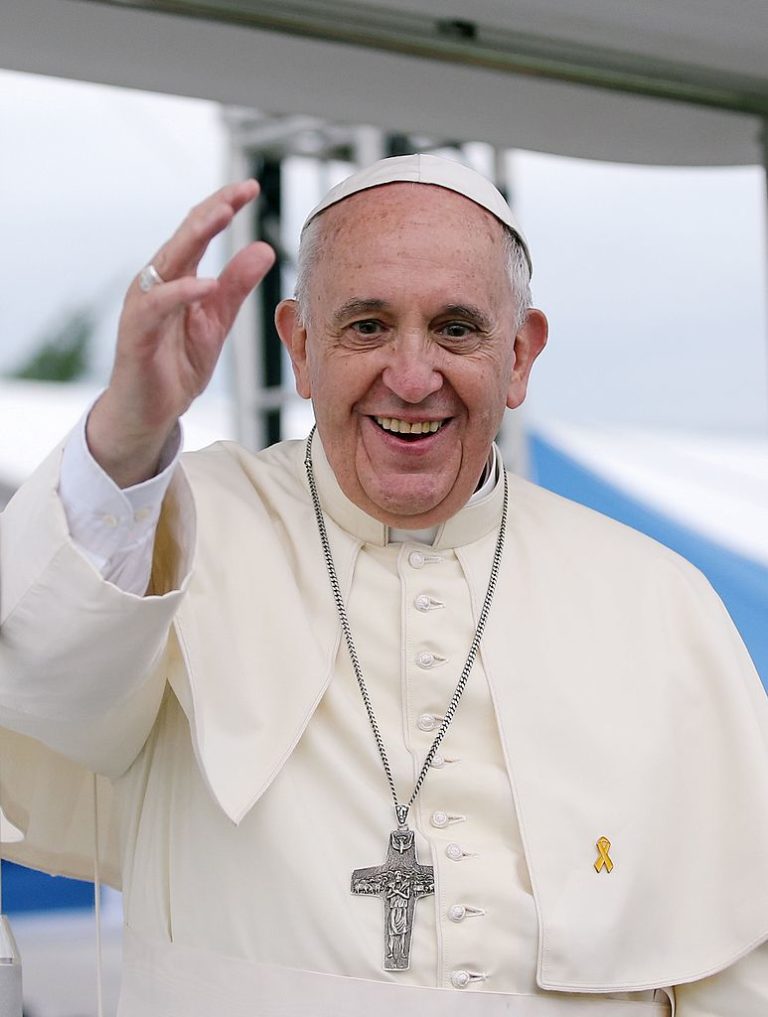
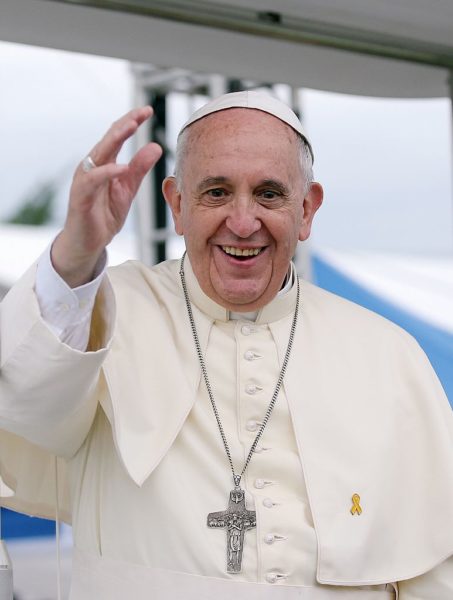
In a recent documentary, Pope Francis has said that he thinks same-sex couples should be allowed to have “civil unions”.
The Pope made the comments, which observers say are his clearest remarks yet on gay relationships, in a documentary directed by Evgeny Afineevsky.
He said in the film, which premiered on October 21: “Homosexual people have a right to be in a family.
“They are children of God and have a right to a family. Nobody should be thrown out or made miserable over it.
“What we have to create is a civil union law. That way they are legally covered.”
Pope Francis added that he “stood up for that”, apparently referring to his time as Archbishop of Buenos Aires when, although opposing same-sex marriages in law, he supported some legal protections for same-sex couples.
The film Francesco, about the life and work of Pope Francis, premiered as part of the Rome Film Festival.
As well as the Pope’s comments on civil unions, the film also shows him encouraging two gay men to attend church with their three children.
Under current Catholic doctrine, gay relationships are referred to as “deviant behavior”.
In 2003, the Vatican’s doctrinal body, the Congregation for the Doctrine of the Faith, said that “respect for homosexual persons cannot lead in any way to approval of homosexual behavior or to legal recognition of homosexual unions”.
The Pope’s comments are the latest in a series of sentiments he’s expressed about LGBT rights – voicing some support, but not a full endorsement.
In 2013, in the book On Heaven and Earth, the Pope said that legally equating same-sex relationships to heterosexual marriages would be “an anthropological regression”.
The Pope also said then that if same-sex couples were allowed to adopt, “there could be affected children… every person needs a male father and a female mother that can help them shape their identity”.
That same year, Pope Francis reaffirmed the Church’s position that homosexual acts were sin, but said homosexual orientation was not.
“If a person is gay and seeks God and has good will, who am I to judge?” he asked.
In 2014 it was reported that Pope Francis had expressed support for civil unions for same-sex partners in an interview, but the Holy See’s press office denied this.
Then in 2018, the Pope said he was “worried” about homosexuality in the clergy, and that it was “a serious matter”.
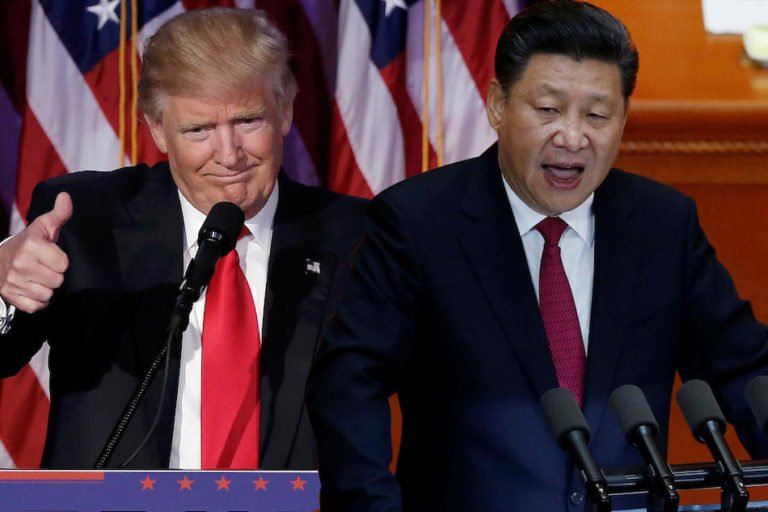
President Trump has been critical of presidential candidate rival Joe Biden and his policies towards China in the lead-up to the US election, taking place on November 3.
The Trump administration has singled out Joe Biden’s son Hunter and made unsubstantiated claims about his dealings with China. Joe Biden’s income tax returns and public financial disclosures show no business dealings connected to China.
Alan Garten, a lawyer for the Trump Organization, described the NY Times story as “pure speculation” and said that it made “incorrect assumptions”.
He told the paper that Trump International Hotels Management had “opened an account with a Chinese bank having offices in the United States in order to pay the local taxes”.
He said: “No deals, transactions or other business activities ever materialized and, since 2015, the office has remained inactive.”
“Though the bank account remains open, it has never been used for any other purpose,” Alan Garten told the NY Times.
Donald Trump has multiple business interests both in the US and overseas. These include golf courses in Scotland and Ireland and a chain of five-star luxury hotels.
The NY Times reported that President Trump maintains foreign bank accounts in China, Britain and Ireland.
In August, the president said he wanted to offer tax credits to entice US companies to move factories out of China.
He also threatened to strip government contracts from firms that continue to outsource work to China.
In a speech, President Trump vowed to create 10 million jobs in 10 months, saying “we will end our reliance on China”.
Some entrepreneurs aren’t in business to present a new idea; they’re there because they love the thrill of entrepreneurship. These individuals aren’t necessarily looking to revolutionize anything. All they want is a business resistant to the ebb and flow of the economy. For some, the current events in the US are feeding fears of an impending recession. Reasonable or irrational speculation, only time will tell. In this article, Adam Ferrari – CEO of Ferrari Energy – details seven industries considered recession-resistant.
Technology
Innovative technology is at the forefront of the global economy. We love our widgets, and technology holds out the promise of making our lives evermore productive, enjoyable, safe, and healthy. A prolonged recession could be expected to dampen high-end, less essential technology products. Still, household and business staples such as phones, TVs, and computers will continue to sell with additional competitive pressure.
Energy
Our need for reliable energy is constant. This reliance is not dependant on economic conditions. Innovative energy solutions can be expected to experience waning interest. Still, legacy energy sources such as oil, natural gas, coal, wind power, and solar will continue to meet the country’s needs.
Pet products
Maybe not the most obvious candidate for this list, but people are not any more likely to stop caring for their pets under poor economic conditions than they are their family members.
Healthcare and Senior Services
Hopefully, even more than pets, people will not decrease their healthcare expenditures under anything less than the direst economic conditions. People continue to age and become ill and will need medical services. These are the least discretionary services.
Construction
Even in an economic recession, construction will continue. It may look different than it does under bright financial news, but it will continue nonetheless. If new homes sales slump, upgrades and remodel work usually increases.
Security
Poor economic conditions affect scofflaws just as they do law-abiding citizens. Poor economic conditions historically have been accompanied by an increase in crime. The need for security, both physical and cyber, will not decrease in a financial downturn. The more cost-effective a security solution is, the better it will fair in these conditions.
Food and Beverage
People need to eat no matter the stock market. Every other category will suffer before food and beverage. The more basic the food item, the more stable it will prove to be. Exotic items are more susceptible to economic conditions.
To find the common denominator for all of the above industries or to identify others, ask, “what will people need, even if the economy tanks?”
About Adam Ferrari
Adam Ferrari is an accomplished petroleum engineer and is the founder of a private oil and gas company, Ferrari Energy. Throughout various roles in the oil and gas industry, Adam was inspired to learn more about property rights and the inner workings of petroleum exploration and extraction. After gaining expertise in the energy sector, Adam obtained knowledge of the financial industry through his time at an investment banking firm. He then pivoted to bootstrapping his own business from the ground up as he blended his energy and finance knowledge.
Politics can be confusing. Opinions can change, and candidates are not always truthful. This is why researching and understanding who you are voting for is so important. Still, races often get messy and hard to follow, with candidates trading blows until the final bell.
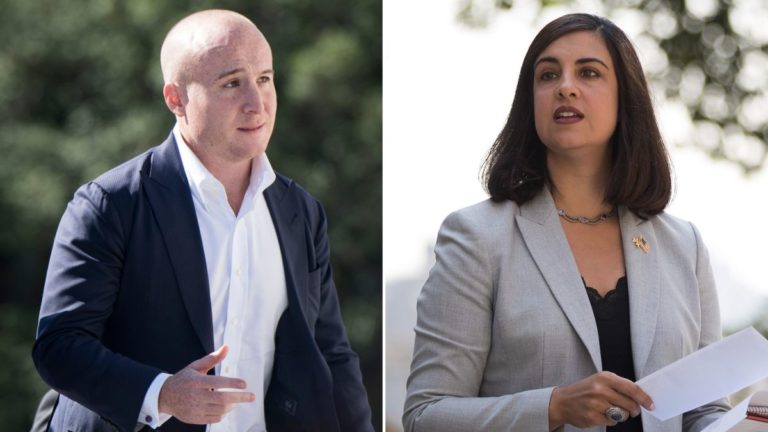
This is certainly the case in the feverish race between Rep. Max Rose and GOP State Assemblywoman Nicole Malliotakis in the most hotly contested congressional election in the city.
Representative Max Rose: A Blunt Candidate
Democrat Rose is seeking reelection after his first win in 2018 following nearly 30 years of Republican winners in a district that includes Staten Island and South Brooklyn. His straight-as-an-arrow, honest approach likely resonated with voters.
“Blunt” is the best word to describe Rose. He is an aggressive, call-it-like-he-sees-it candidate who pulls no punches. An example: In one short campaign advertisement, he said, “Bill de Blasio is the worst mayor in the history of New York City.” In fact, that was the entire 15-second ad.
De Blasio, a progressive mayor and fellow Democrat, has been the subject of a lot of criticism due to his views and ineffective policies. Neal Kwatra says Rose was smart to distance himself this way, adding that Rose has “a very identifiable anti-de Blasio brand as a part of who he is, which is a huge asset in a district like that, frankly.”
This affinity for speaking bluntly extends into his remarks regarding Malliotakis. He has referred to her as a “rubber stamp” for Republicans on major issues who supports the President and his policies.
Rose also noted that Malliotakis said in 2017 she regretted voting for President Trump, but then changed her mind when he backed her. As Election Day nears, both candidates are slugging it out before voters decide whether they prefer Rose’s honesty to Trump’s support for Malliotakis.
Regardless of your political beliefs, Kwatra says it best regarding Representative Rose. “He’s very visceral and, frankly, New Yorkers appreciate that in their politicians,” Kwatra says. If that bears out, Rose certainly has a fighting chance of retaining his seat in the House of Representatives.
About Neal Kwatra:
Kwatra founded Metropolitan Public Strategies (MPS) in 2013 and has since been at the forefront of some of the most fiercely contested political and advocacy campaigns in New York and across the nation. Kwatra has fought to uphold his ideals with great tenacity and continues to expand the reach of MPS into the strategic management of nationally recognized grassroots and issue advocacy campaigns.
Robert Redford’s son, James, an activist and filmmaker, has died at the age of 58.
James Redford died on October 16 after being diagnosed with liver cancer, his wife Kyle confirmed via Twitter.
Robert Redford’s publicist, Cindi Berger, said: “The grief is immeasurable with the loss of a child.”
“Jamie [James] was a loving son, husband and father,” added Berger, who asked for privacy for the Redford family “during this difficult time”.
“His legacy lives on through his children, art, filmmaking and devoted passion to conservation and the environment.”
James Redford made documentary films, including The Big Picture: Rethinking Dyslexia.
His latest film Playing Keeps, which explored the importance of play and downtime in our lives, was given a virtual premiere online at this month’s Mill Valley Film Festival in California.
His wife of 32 years, Kyle, shared the news of his death online, alongside pictures of the couple and their two children.
Kyle Redford tweeted: “Jamie died today. We’re heartbroken. He lived a beautiful, impactful life & was loved by many. He will be deeply missed. As his wife of 32 yrs, I’m most grateful for the two spectacular children we raised together. I don’t know what we would’ve done w/o them over the past 2yrs.”
James Redford’s wife told the Salt Lake Tribune that he had discovered the cancer diagnosis late last year while awaiting a liver transplant.
His liver disease had returned two years ago, she added.
Robert Redford, 84, has three other children, including the actress Amy Redford.
Owning and operating a website today has many new levels of complexity many wouldn’t have considered at all a few years ago. One of these complexities, internet privacy, is a big talking point at the moment, so let’s take a look at a couple of considerations when you’re building your website to be privacy focused.
SSL is a Must
The first jumping off point of any discussion related to website security and privacy is how information is exchanged between your users and your website’s server. If you are collecting any information, particularly personal information, ensuring you have an SSL certificate that is valid for all your domains and subdomains is critical. It’s a huge sign of trust for your users and it’s required for many reasons, least of all because modern browsers are quick to inform users about any websites that aren’t using one.
Don’t Store Data You Don’t Need
Consider every piece of data you choose to store on your users, whether it be via a sign-up form or automatic data logging. Decide how important it is for you to have this information and stop logging or requesting information you don’t need. The less information you have on your users, the less trouble you’re likely to face with privacy issues. A general rule of thumb is to keep as little information as possible on your users.
You Must Have a Privacy Policy
A privacy policy tells users of your product, service, app or website exactly what personal information you collect from them and what you intend to do with it. Your website requires a privacy policy by law (like the GDPR in the European Union) and this law requires that you adhere to it. Because websites are global and anyone can access them, you need to make sure you’re compliant to the best degree possible. Including specific things in your privacy policy is important to cover these bases. At a minimum, your privacy policy should include the following:
A thorough list of all the information your website collects from your users, whether they are logged in or not.
How you intend to notify visitors to your website of any changes to your privacy policy.
A quick how-to for those who would like to access and/or change this information, delete their data, or opt out of any information being stored.
Explicitly state the age restriction for accessing and using your website.
An explanation on how any information you collect might be shared. Remember to include any third-party payment processors and other trusted third parties in this list too.
Your privacy policy should be easy to find and written in language that can be understood by anyone. If you need a privacy policy, you can use a privacy policy generator as noted here.
Protect the Data You Store
Your website needs to have steps in place to stop data breaches to the best of your ability. If you’re using a commercial CMS or online hosting service, they will do most of the heavy lifting for you and are thus recommended for the less technical minded. If you do host your own web server or platform, making sure that you’re always running the latest version of any web hosting software (like Apache or nginx), database software (like MySQL) and your actual CMS platform is critical. Having a working understanding of how to secure a webserver is also important, and if this is beyond your scope, rather opt for a web hosting company that can take care of this for you.
Use a Third-Party Payment Processor
The easiest way to deal with any privacy issues related to the processing of credit card data is to offload this responsibility onto a third party. While some information will still be sent to the credit card processor, like your user’s details, your website won’t be interacting with, storing or transmitting credit card data, which is a real benefit when it comes to dealing with privacy issues, as this is one of the most sensitive.
The most important consideration when you’re dealing with privacy issues is to be as transparent and open with your users as possible. Let them know each time you’re storing information or what you’re going to do with their information so that they’re never left surprised by anything.