
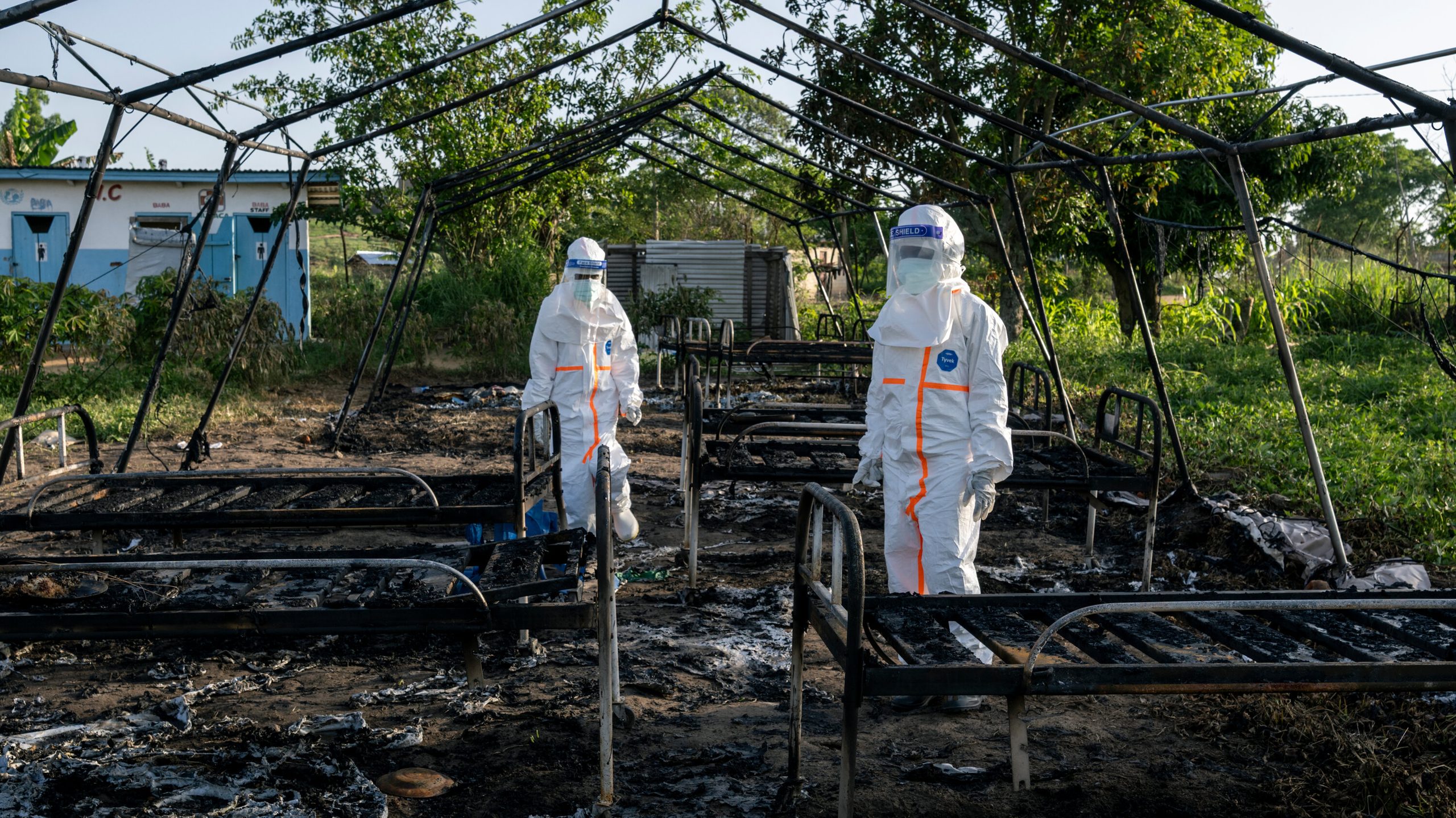
BUNIA, Democratic Republic of Congo — The international response to a rapidly expanding Ebola epidemic in the eastern Democratic Republic of Congo (DRC) is losing ground to the virus.
Medical charity Médecins Sans Frontières (MSF) issued a stark warning on Saturday, labeling the current trajectory of the disease “deeply alarming” as the rate of infection outpaces containment measures. The declaration came just two weeks after health authorities officially acknowledged the outbreak, revealing an unprecedented velocity of transmission.
“Never before has an Ebola disease outbreak recorded so many cases so soon after its declaration,” stated Dr. Alan Gonzalez, MSF’s deputy director of operations. The warning coincided with an emergency field visit to the hard-hit Ituri province by World Health Organization (WHO) Director-General Dr. Tedros Adhanom Ghebreyesus, highlighting the severity of a crisis the agency has designated a public health emergency of international concern.
The Shadow of a Treatment-Resistant Strain
Epidemiologists trace the explosive scale of the epidemic to a dangerous combination of diagnostic delays and genetic composition. Unlike previous outbreaks dominated by the Zaire or Sudan variants, this outbreak is driven by the rare Bundibugyo species of the virus.
- Zero Immunological Cover: There are currently no approved vaccines or specific therapeutic treatments for the Bundibugyo strain. Heavy reliance on the preventative vaccines used effectively in past Congolese epidemics is entirely ineffective here.
- The Diagnostic Blindspot: Initial surveillance failed to flag the virus because localized triage tests primarily screen for the Zaire strain. By the time genetic sequence testing caught up, the virus had already established deep roots across multiple health zones.
The latest field statistics confirm more than 1,000 suspected Ebola cases and at least 246 fatalities across the DRC. Cross-border transmission has already been recorded, with neighboring Uganda confirming nine cases and one death linked to travelers arriving from eastern DRC.
EBOLA BUNDIBUGYO OUTBREAK METRICS (MAY 2026)
Reference Date: May 29-31, 2026
│
├── DR Congo Suspected Cases: 1,000+
├── DR Congo Confirmed Cases: 125
├── DR Congo Total Deaths: 246+
└── Uganda Confirmed Cases: 9 (1 Death)
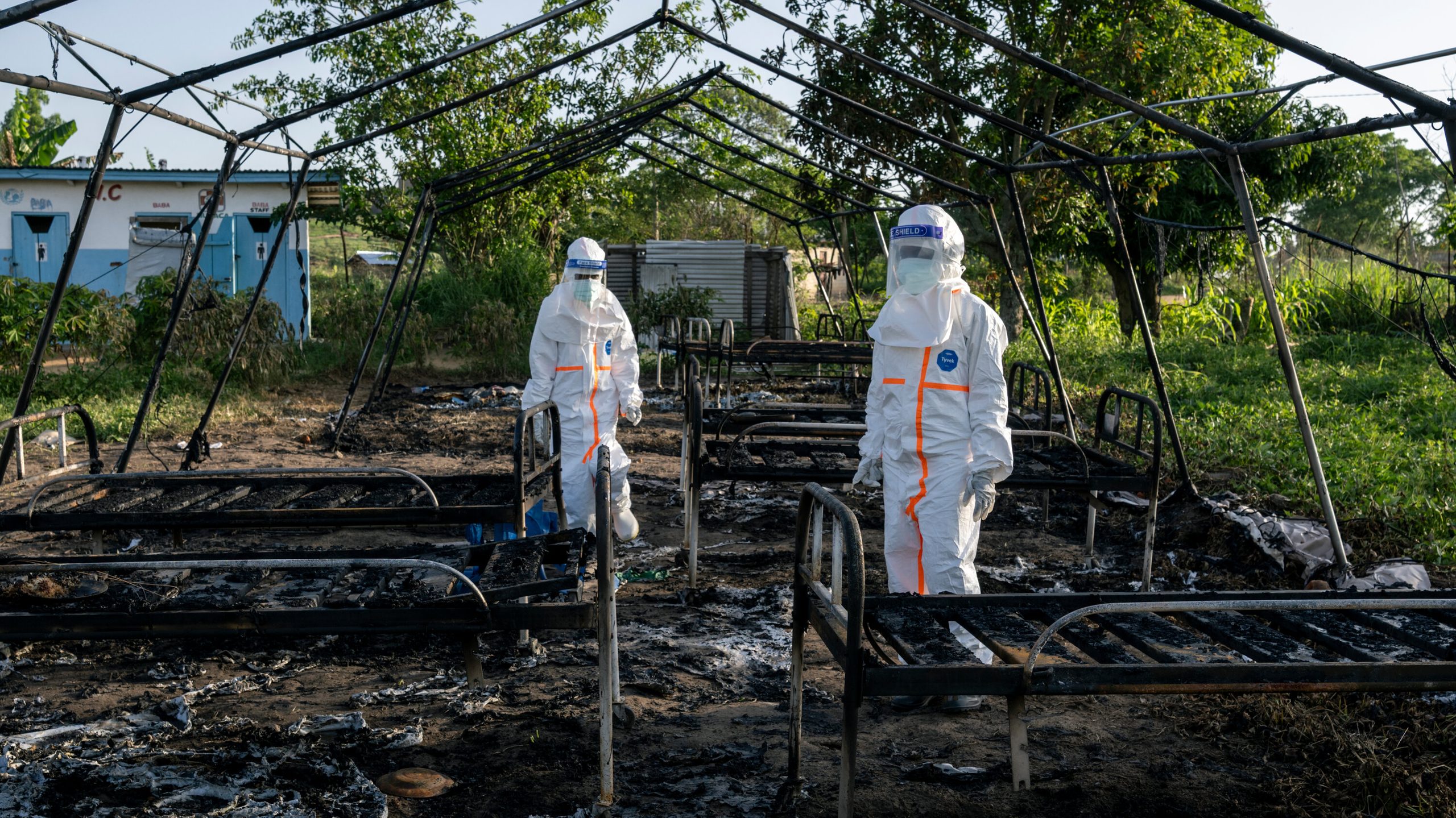
A Logistics Chokehold in the Conflict Zone
Containing a highly infectious pathogen requires rapid laboratory feedback and tight ring-isolation. In the northeastern provinces of North Kivu and Ituri, both lines of defense have broken down under logistical strain and regional insecurity.
The primary testing equipment remains centralized in the distant capital of Kinshasa, causing severe processing bottlenecks. Hundreds of patient blood samples sit frozen in regional transit, leaving front-line medical staff incapable of determining who requires strict Ebola isolation and who is suffering from overlapping regional diseases like malaria or dengue fever.
Furthermore, decades of localized militant conflict have forced hundreds of thousands of civilians into densely populated displacement camps around Goma and Bunia. Tracking the essential 21-day contact list of a single patient becomes an operational impossibility when hundreds of families are constantly moving to escape fighting.
The Response Gap
MSF teams are moving rapidly to build temporary field isolation facilities and scale up community-level public health tracking, but personnel on the ground acknowledge they are fighting a defensive action. The arrival of specialized international teams and heavy medical equipment is facing severe delays due to restrictive border controls and limited infrastructure at regional airports.
“The reality today is that nobody knows the true scale and severity of this outbreak,” Dr. Gonzalez warned, noting that official counts represent a fraction of the actual transmission rate. Without immediate interventions to break the laboratory backlog and secure volatile transit corridors, global health officials fear the virus will outrun the human capacity to isolate it.