Tuesday, February 3, 2026
Home Blog Page 23

Nations Convene in Geneva for a Deal on the Global Plastic Crisis

The world’s leading nations and environmental advocates are gathering in Geneva this week for what many are calling a “final opportunity” to forge a landmark, legally binding treaty to end the spiraling global plastic crisis. The 10-day meeting marks the resumption of the fifth and final session of the UN’s Intergovernmental Negotiating Committee (INC), with a mandate to finalize an agreement by the end of the year.

The stakes could not be higher. The United Nations warns that without urgent and decisive action, the amount of plastic waste leaking into aquatic ecosystems, currently estimated at between 19 million and 23 million tons annually, could increase by 50% by 2040. Plastic pollution is not only choking our oceans and rivers but is also a direct threat to biodiversity, human health, and the livelihoods of vulnerable communities.

“We are facing a global crisis. Plastic pollution is damaging ecosystems, polluting our oceans and rivers, threatening biodiversity, harming human health, and unfairly impacting the most vulnerable,” said Luis Vayas Valdivieso, the Ecuadorian diplomat chairing the talks. “The urgency is real, the evidence is clear, and the responsibility is on us.”

The central and most contentious issue on the table is whether the treaty will include legally binding limits on plastic production. A powerful coalition of nearly 100 countries, including the European Union and many small island nations, are pushing for an ambitious agreement that would cap production and phase out harmful chemicals. They argue that a focus solely on recycling and waste management is a “politically convenient but environmentally ineffective” approach that fails to address the root of the problem: overproduction.

This push is being met with firm resistance from a bloc of plastic-producing and oil and gas-producing nations, led by countries like Saudi Arabia and Russia. This group, which has stalled previous negotiations, insists the problem lies in “poor waste management” and that there should be no problem with producing plastic as long as the world addresses pollution.

However, the tide may be turning. A growing number of major companies, including Walmart, Coca-Cola, and PepsiCo, have joined the “Business Coalition for a Global Plastics Treaty” and are now advocating for a binding treaty with global rules. They argue that a unified international approach would spare them the logistical and regulatory headaches of navigating differing rules in different countries.

Beyond the production debate, negotiators are tackling a range of other critical issues, including:

  • Product Design: The treaty aims to redesign plastic products to be more recyclable and reusable.
  • Chemicals: A key focus is to eliminate toxic chemicals and additives used in plastic products.
  • Financial Mechanisms: The developing countries, in particular, are calling for a dedicated, standalone multilateral fund to help them transition to a plastic-free future.
  • Waste Management: While not the sole focus, the treaty will include provisions to improve waste collection and recycling infrastructure globally.

The negotiations have been a long and arduous process, with sessions in Uruguay, France, Kenya, Canada, and Busan, South Korea. The last session in Busan ended in an impasse, but diplomats are hopeful that behind-the-scenes work has generated new momentum.

For the world, the meeting in Geneva represents a pivotal moment. The medical community has also weighed in, with a recent report in The Lancet medical journal warning that plastic pollution is a “grave, growing and under-recognised danger” to health, costing the world trillions in health-related economic losses.

As delegates from nearly 180 countries pore over the draft text, the pressure is on to deliver a treaty that is not only legally binding but also robust enough to confront a crisis that has left microplastics on the highest mountain peaks and in the deepest ocean trenches. The world is watching to see if diplomacy can succeed where recycling bins have failed.

How to Spot a Genuine Labubu from a Dangerous “Lafufu” Fake

In the global craze for the collectible Labubu toys, a sinister and dangerous black market has emerged, flooding the market with low-quality and often unsafe fakes affectionately dubbed “Lafufus.” With authentic versions selling out in seconds and commanding high prices on the secondary market, the allure of a cheap alternative is strong, but consumer protection agencies are issuing urgent warnings: these counterfeits pose serious health and safety risks.

While some TikTok users have embraced the irony of their “Lafufu” knock-offs, the reality is far from amusing. Trading standards officers are confiscating thousands of these fakes, warning that they can contain toxic chemicals and have small parts that detach easily, creating a severe choking hazard for children. To protect yourself and your family, it’s essential to know the key differences between the real deal and a dangerous counterfeit.

Here is a guide to spotting an authentic Labubu:

1. The Packaging: It’s All in the Details

  • Real Labubu: The official Pop Mart packaging has a matte finish and a smooth texture. The colors are typically muted and pastel. The box should also feature a holographic sticker with the Pop Mart logo and a clean, sharp QR code. On the back, the trash can symbol has an arrow with rounded corners.
  • Fake Lafufu: Counterfeit boxes are often shiny and glossy, with vibrant or off-tone colors. The logos may be blurry or misspelled, and the QR codes might lead to suspicious or broken links. The trash can symbol on the back often has square corners.

2. The Face and Features: A Flawless Grin vs. a Sloppy Smile

  • Real Labubu: The face is a pale, peachy color with a smooth, matte finish. The eyes are glossy and well-defined, and the blush is softly airbrushed. Crucially, a genuine Labubu has exactly nine pointy teeth. Each tooth is distinct, with a clear gap between it and the next.
  • Fake Lafufu: Fakes often have faces that are a brighter orange, pink, or yellow with a sloppy, unpolished paint job. The blush may be harsh and circular. The teeth count is a major red flag—Lafufus may have more or fewer than nine teeth, or the teeth might be poorly painted and run together in a blob. The eyes may be flat, lacking gloss and detail.

3. The Materials: From Soft to Scratchy

  • Real Labubu: An authentic Labubu plush toy has soft, fluffy, and dense fur with seamless stitching that blends into the vinyl face. The limbs are flexible, and the material has a high-quality feel.

  • Fake Lafufu: Fakes often have coarse, cheap, or patchy fur with visible stitching and frayed threads. The parts may feel hard and plasticky, and sometimes the toys even emit a strange chemical smell.

4. The Authenticity Stamp: The Hidden UV Mark

  • Real Labubu: Newer models, particularly those released in late 2023 and beyond, include a secret UV-activated stamp on the bottom of the right foot. When you shine a UV or blacklight on it, a silhouette of the specific Labubu design should appear.
  • Fake Lafufu: Counterfeits typically lack this stamp entirely, or if they have one, it may be a blurry blob or an incorrect image for that particular figure.

5. The Price: A Bargain Is a Major Warning

  • Real Labubu: The price of a genuine Labubu is typically consistent with its rarity and the official retail price. Due to high demand, they often sell out instantly and can be expensive on the secondary market.
  • Fake Lafufu: If the price seems “too good to be true,” it almost certainly is. A significantly discounted Labubu from an unverified online seller or market stall is a major red flag for a fake.

The criminal networks behind these “Lafufu” fakes are capitalizing on the viral trend and consumer demand. By bypassing all safety regulations and quality control, they are putting children at risk. The message from consumer watchdogs is clear: the charm of a cheaper alternative is not worth the serious safety risks that these counterfeit toys pose.

Evyatar David: Family Condemns Hamas Video of Starved Israeli Hostage

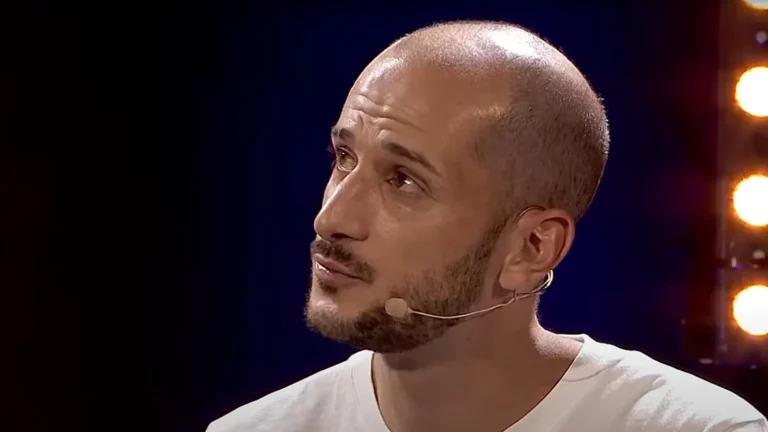
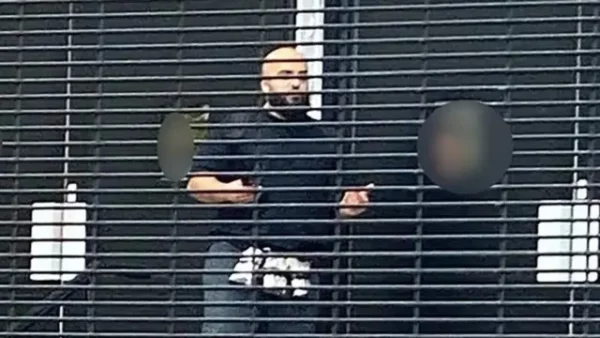
The family of Israeli hostage Evyatar David has issued a harrowing condemnation of a propaganda video released by Hamas, in which the 24-year-old appears severely emaciated and is forced to dig what he calls his “own grave” in a Gaza tunnel. The family, who approved the release of the disturbing footage, described their son as “a living skeleton, buried alive” and accused Hamas of “deliberately and cynically starving” him for psychological warfare.

The nearly five-minute video, which was widely circulated on social media, shows David, kidnapped from the Nova music festival on October 7, 2023, looking skeletal and weak. His ribs are clearly visible through his gaunt frame as he speaks faintly to the camera, detailing the inhumane conditions of his captivity. “I haven’t eaten for days,” he says at one point, “I barely get drinking water.” He describes a diet of beans and lentils, and recounts going for days without any food at all.

In the most chilling part of the clip, a visibly weak David is shown holding a shovel, digging a hollow area in the sandy floor of the tunnel. “Here I am digging my own grave,” he says, with the video ending with the message: “Only a ceasefire agreement will bring them (the hostages) back.”

The David family, in a powerful statement, said they were forced to release the video to the public to highlight the desperate urgency of their son’s condition. “Our son has only a few days left to live in his current condition,” they said. “Hamas is using our son, Evyatar, as a living experiment in a disgusting hunger campaign.” They demanded that humanitarian aid entering Gaza also reach their son, a call that has been echoed by protestors and international bodies.

The video has sent a wave of shock and anger through Israel, intensifying public pressure on the government to secure the release of all remaining hostages. The release of the video follows a recent visit by U.S. special envoy Steve Witkoff to Israel, where he met with hostage families. Prime Minister Benjamin Netanyahu’s office confirmed that he spoke with David’s family and expressed his “profound shock” over the footage, while reiterating that efforts to return all hostages are “ongoing, and will continue constantly and relentlessly.”

Hamas has reportedly used the video to draw a false equivalency between the hostages’ conditions and the dire humanitarian crisis in Gaza, where a UN-backed report has warned that “famine is now playing out.” This tactic, however, has been fiercely rejected by officials and former hostages. Former captive Tal Shoham, who was held with David in the same tunnel, revealed that Hamas terrorists had air conditioning, cable TV, and “plenty of food” stolen from aid deliveries, while the hostages starved.

The video is the latest in a series of psychological tactics employed by Hamas, which has also released harrowing footage of other hostages in recent days. For the families of the approximately 20 remaining living hostages, the images serve as a painful, visceral reminder of the passage of time and the deteriorating health of their loved ones. The David family’s plea is now a global one, a desperate cry for their son’s life that has brought the human cost of the ongoing conflict into stark and horrifying relief.

“Lafufus” and Lethal Fakes: Criminals Cash in on Labubu Craze, Threatening Kids with Dangerous Counterfeits

The viral “Labubu” toy, a snaggle-toothed, elf-like creature that has taken TikTok and celebrity culture by storm, is at the center of a new, dangerous trend: a global flood of counterfeit versions that are a severe public safety risk. Law enforcement and consumer protection agencies across the UK are now seizing thousands of these “Lafufu” fakes, warning that they are a dangerous choking hazard for children and may contain toxic materials.

What began as a niche collectible from Chinese company Pop Mart, with its limited-edition “blind boxes” and celebrity endorsements from the likes of Blackpink’s Lisa and Dua Lipa, has become a multi-million-pound black market target for criminals. The toys’ scarcity, with authentic versions often selling out in seconds online and fetching hundreds of pounds on the secondary market, has created a fertile ground for a wave of low-cost, dangerous knock-offs.

Recent raids on industrial estates and warehouses in the London area have uncovered “millions of pounds worth” of fake Labubus, with authorities confirming the existence of a highly organized counterfeit network. The rush to capitalize on the trend has led to a complete disregard for safety standards. “These [counterfeit] products lack the necessary safety testing and small parts can become loose, posing a choking hazard to young children,” said Cllr Hamid Khurram of Bolton Council’s Regulatory Services, which has been at the forefront of recent seizures.

The dangers of these “Lafufu” fakes are not just theoretical. Trading standards officers have been issuing urgent warnings after discovering that the counterfeit dolls are of poor quality, with eyes, hands, and feet that easily detach. The stitching is often loose, exposing the filling inside, which can also pose a choking hazard. In a stark demonstration, officers have used a plastic tube shaped like a child’s throat to show how easily the detached parts can cause a blockage.

“It’s in the interests of these criminal organizations to respond quickly to trends to maximize it, to get on the back of it and make the most money that they possibly can,” said a spokesperson for the Intellectual Property Office, adding that the fakes “could be made from anything.” This includes a disturbing possibility of toxic plastics and banned chemicals that have been linked to cancers in other counterfeit toy cases.

For many parents, the temptation of a cheaper alternative is hard to resist, especially as their children are swept up in the TikTok craze. One mother from Caerphilly admitted to purchasing fakes for her son’s birthday after being unable to justify the price of the authentic versions. Just hours after receiving the gift, the keyring came off, followed by parts of the toy’s feet a few days later.

While some TikTok users have embraced the “Lafufu” trend with ironic humor, creating content about their comical, low-quality fakes, consumer protection agencies and local councils are not laughing. They are urging parents and collectors to be vigilant, looking for key signs of a fake:

  • Packaging: Counterfeit boxes are often shiny and vibrant, with blurry logos, in contrast to the matte finish and muted colors of authentic products.
  • Safety Marks: Genuine toys are legally required to have a CE or UKCA safety mark and the name of a UK or EU-based supplier. Fakes often lack these labels entirely.
  • Price: If the price seems “too good to be true,” it almost certainly is. The scarcity of authentic Labubus means cheap versions are a major red flag.
  • Quality: Fakes often have sloppy paint jobs, cheap fur, and loose parts. The eyes may be poorly glued, and the teeth might have incorrect spacing.

As the “Lafufu” black market continues to thrive on the back of the viral Labubu trend, authorities are working to dismantle the criminal networks behind it. The message to consumers is clear: the lure of a bargain online or from an unverified seller is not worth the serious safety risks these dangerous fakes pose.

Ukrainian Officials Arrested in Major Military Drone Procurement Scandal

Ukraine’s anti-corruption agencies have arrested a member of parliament and several other officials in a “large-scale corruption scheme” involving the procurement of military drones and electronic warfare systems, a development that strikes at the heart of the country’s war effort and its pledge to stamp out systemic graft. The arrests come just days after the agencies regained their independence following a major political battle that led to widespread protests.

The National Anti-Corruption Bureau of Ukraine (NABU) and the Specialised Anti-Corruption Prosecutor’s Office (SAPO) announced on Saturday that they had exposed a scheme to systematically embezzle public funds. According to a joint statement, the officials allegedly orchestrated a plot to sign state contracts with suppliers at deliberately inflated prices, receiving kickbacks of up to 30% of the contract’s value. The investigation revealed that this criminal group had been operating since at least 2024, siphoning off funds desperately needed for the country’s defense.

Among the four people arrested are a sitting lawmaker, two heads of local government administrations, and several National Guard personnel. While the agencies did not officially name the suspects, Ukrainian media outlets have identified the MP as Oleksii Kuznietsov, a member of President Volodymyr Zelenskyy’s “Servant of the People” party, and one of the local officials as former Luhansk governor Serhii Haidai. The Ministry of Internal Affairs has already suspended the National Guard service members involved and launched an internal investigation.

The timing of this announcement is particularly significant. Just last week, President Zelenskyy’s government faced a rare, unified public backlash for attempting to strip the anti-corruption agencies of their independence, a move that critics feared would cripple the fight against graft and jeopardize Ukraine’s bid for European Union membership. Following the largest anti-government protests since the war began, Zelenskyy performed a stunning political U-turn and signed a new bill restoring the agencies’ autonomy.

Image source: picryl.com

In a statement on his Telegram channel, President Zelenskyy thanked the anti-corruption agencies for their work and reaffirmed his commitment to the fight against corruption, writing, “There can only be zero tolerance for corruption, clear teamwork to expose corruption and, as a result, a just sentence.”

The new arrests serve as a powerful first demonstration of the renewed strength and independence of the anti-corruption bodies. The case underscores the persistent and difficult challenge Ukraine faces in rooting out corruption, even as it fights a brutal war. It highlights a painful paradox: while the nation’s military is celebrated for its bravery on the battlefield, some officials are allegedly profiting from the very needs of the frontline.

For Ukraine’s Western allies, who have provided billions of dollars in military and financial aid, the swift action against corruption is a welcome, though sobering, sign. Transparency and accountability are key requirements for continued international support and for the nation’s eventual integration into the European Union. As the investigation continues, the focus will be on ensuring that all those involved are held to account, sending a clear message that wartime profiteering will not be tolerated.

Dua Lipa Granted Kosovo Citizenship in Emotional Ceremony

Global superstar Dua Lipa was officially granted citizenship of Kosovo on Thursday, in an emotional ceremony that solidified her deep ties to her ancestral homeland. The pop icon, born in London to Kosovar Albanian parents, accepted the honor with a heartfelt tribute from a local children’s choir and a powerful message about the “completion” of her dual identity.

Kosovo President Vjosa Osmani announced the news on X, stating, “Welcome back home, Dua!” and praising the singer as “one of the most iconic cultural and artistic personalities in our country’s history.” In her post, President Osmani underscored Lipa’s role as a cultural ambassador, writing, “From the world’s biggest stages to the hearts of millions, she’s carried our story with strength, pride, and grace.”

The citizenship, granted by presidential decree, comes as a symbol of gratitude for Lipa’s unwavering efforts to promote Kosovo on the world stage. The 29-year-old singer has long embraced her heritage, co-founding the Sunny Hill Festival with her father in 2018 to celebrate Kosovan culture and challenge global perceptions of the country. Her advocacy extends beyond music; she has been a consistent voice for youth empowerment, visa liberalization, and the international recognition of Kosovo.

Dua Lipa, who previously received Albanian citizenship in 2022, now holds citizenship in both of her ancestral homelands. The artist, who moved back to Pristina with her family for a time when she was 11, has often spoken of her strong connection to the region. At the ceremony, a visibly moved Lipa expressed her gratitude, saying the citizenship “completes the duality I have always had within. I love this country and this means so much to me and my family.”

The ceremony was a deeply personal affair, marked by an adorable performance from a children’s choir that sang her hit song “Levitating,” much to the delight of the pop star. The British Ambassador to Kosovo, Jonathan Hargreaves, was also in attendance, describing Lipa as “one of our own” in both the UK and Kosovo, and celebrating the “extraordinary British-Kosovar talent.”

The granting of citizenship to a figure of Dua Lipa’s global stature is a significant diplomatic and cultural moment for Kosovo, a nation that declared independence from Serbia in 2008. While recognized by many Western countries, its statehood remains a point of contention with Serbia and its allies, including Russia. Lipa’s global platform provides a powerful, non-political voice for the nation’s identity and its vibrant culture.

As the Sunny Hill Festival kicks off in Pristina, with Lipa headlining the opening night, the celebration feels all the more significant. The newly minted Kosovan citizen is not just a performer on the world stage; she is a symbol of a nation’s pride, a testament to the power of cultural identity, and a beloved daughter who has officially come home.

Trump Fires Jobs Data Chief as Tariffs Rattle Markets and Jobs Report Disappoints

President Donald Trump today fired Erika McEntarfer, the head of the Bureau of Labor Statistics (BLS), just hours after a new jobs report showed a dramatic slowdown in hiring, a development that rattled global markets and fueled concerns about the economic impact of the administration’s new, sweeping tariffs. In a stunning move that has been widely condemned by economists and a bipartisan group of former officials, Trump accused McEntarfer, a holdover from the previous administration, of rigging the data for political purposes.

The July employment report, released this morning, was a significant disappointment. The BLS reported that the U.S. economy added just 73,000 jobs last month, far below analyst expectations. Compounding the bad news, the agency made significant downward revisions to the May and June numbers, revealing that 258,000 fewer jobs were created in those two months than had been previously estimated.

President Trump, in a post on his social media platform, responded with swift and unprecedented action. He claimed without evidence that the jobs numbers were “RIGGED” to make him look bad and that McEntarfer, who was appointed by his predecessor, was a “Biden Political Appointee” who should be immediately fired. Labor Secretary Lori Chavez-DeRemer later confirmed on X that McEntarfer was no longer leading the bureau.

The charge of data manipulation is a highly explosive one that strikes at the heart of the U.S. government’s economic data, long considered the “gold standard” of global economic measurement. Economists, Wall Street investors, and policymakers have for decades relied on this data as being free from political interference.

Image source: Wikimedia Commons

McEntarfer’s removal was met with a chorus of condemnation. A group calling itself “Friends of BLS,” which includes two former BLS commissioners (one appointed by Trump in his first term), issued a statement calling the rationale for the firing “without merit.” The group stated that the move “undermines the credibility of federal economic statistics that are a cornerstone of intelligent economic decision-making.”

The weak jobs report and the firing of the BLS chief came on a day when markets were already in turmoil. Wall Street had its worst day since May, with the S&P 500, Dow Jones Industrial Average, and Nasdaq all experiencing sharp drops. Analysts pointed to a “one-two punch” of the dismal jobs data and the economic uncertainty created by the administration’s new tariff policy, which recently imposed steep duties on imports from dozens of countries and trading blocs.

Economists have suggested that the slowing job growth and increasing inflation could be a direct result of these tariffs, which raise the cost of imported goods and create uncertainty for businesses, prompting them to slow hiring and investment. Morgan Stanley’s chief economic strategist, Ellen Zentner, noted that what “had looked like a Teflon labor market showed some scratches this morning, as tariffs continue to work their way through the economy.”

While the administration has argued that its policies are designed to protect American jobs and manufacturing, the immediate impact, according to analysts, appears to be a weakening economy and market volatility. The firing of the official responsible for the data that measures this economic health only adds a new and dangerous layer of uncertainty, threatening to erode trust in core American institutions and the very facts used to understand the nation’s economic condition.

‘Peaky Blinders’ Creator Steven Knight to Write New James Bond Film

The world’s most iconic spy is getting a gritty new chapter, courtesy of the acclaimed British screenwriter and creator of the BAFTA-winning series Peaky Blinders, Steven Knight. In a major announcement that has sent a jolt of excitement through the film industry, Amazon MGM Studios confirmed that Knight will pen the next installment of the James Bond franchise, a move that signals a bold new creative direction for 007.

The news comes as the 26th Bond film moves into a critical development phase, with Academy Award-winning director Denis Villeneuve (Dune, Arrival) already attached to helm the project. The pairing of Knight’s dark, character-driven storytelling and Villeneuve’s stunning cinematic vision has instantly sparked speculation that this new era of Bond will be a departure from the sleek, high-octane spectacle of the Daniel Craig era.

Knight, a prolific writer whose credits include the Oscar-nominated screenplays for Dirty Pretty Things, Eastern Promises, and Spencer, has long been a fan favorite to take on the 007 universe. In an interview with BBC Radio 5 Live Breakfast, he confirmed the long-held ambition, stating, “It has always been on my bucket list and it’s fantastic to be invited to do it – I can’t wait to get started.”

He also offered a tantalizing glimpse into his vision for the new film, teasing that he hopes to “produce something that’s the same but different, and better, stronger and bolder.” This suggests a desire to both honor the franchise’s legacy while infusing it with his signature blend of moral complexity and sharp dialogue.

Knight’s appointment marks a significant step forward for the Bond franchise following a period of creative limbo since Daniel Craig’s final outing in 2021’s No Time to Die. The new creative team, led by producers Amy Pascal (Spider-Man: Across the Spider-Verse) and David Heyman (Harry Potter), alongside Villeneuve and Knight, is expected to reshape the character and the world of 007 for a new generation.

While the new film is not expected to hit theaters until at least 2028, fans are already debating who will be cast as the next James Bond. Knight remained tight-lipped on the topic, stating that he “can’t give you the answer” to that question, leading to a fresh wave of casting speculation. Names like Aaron Taylor-Johnson, Jacob Elordi, and even Tom Holland have reportedly been floated as top contenders.

Knight’s background is a testament to his versatility. Beyond the gritty drama of Peaky Blinders, he is also the co-creator of the international game show phenomenon Who Wants to Be a Millionaire? His ability to craft compelling narratives for both television and film, from historical epics to tense thrillers, makes him a compelling choice to reinvent a character with a 60-year cinematic history.

The hiring of Steven Knight, a writer known for his ability to craft flawed, compelling antiheroes, signals that the next James Bond may be a more introspective and complex figure. As the creator who brought the Birmingham underworld of the 1920s to life, Knight now has the formidable task of bringing a new, yet familiar, version of the world’s most famous spy to the big screen.

UFO Hysteria in Australia Debunked as Plumes from Chinese Rocket

The skies over Queensland and northern New South Wales lit up on Wednesday night with a mysterious, glowing phenomenon that had thousands of Australians looking up in awe and frantically posting on social media. What many initially believed to be an unidentified flying object (UFO), or even a fleet of “three UFOs or a big star ship,” has now been definitively identified by astronomers as the breathtaking rocket plume from a Chinese space launch.

Videos and images of the event, which were widely shared online, showed bright, glowing orbs and strange, tentacled shapes illuminating the night sky, sparking a frenzy of alien theories and scientific speculation. “It’s a UFO. It has to be,” one user commented, with another suggesting the sighting was “something terrestrial from outer space.” One witness even reported being woken up by the sheer brightness of the phenomenon.

However, astrophysicists quickly moved to provide a terrestrial explanation for the celestial light show. Dr. Brad Tucker, an astrophysicist from the Australian National University, confirmed the lights were a “rocket plume” from a Chinese Long March 8A rocket. The launch, which took place from Hainan, China, earlier that day, was carrying satellites for China’s state-owned internet network.

Dr. Tucker explained that the spectacular “glowing shapes” were a result of gas released during the rocket’s stage separation. He noted that such plumes are often colloquially referred to as “space jellyfish” due to their unusual and ethereal appearance. The phenomenon, which appeared to be close to the ground, was in fact “hundreds of kilometers offshore and dozens of kilometers in the atmosphere.”

The timing of the Long March 8A rocket launch at 5:49 PM Australian time on Wednesday perfectly matched the sightings over Australia’s east coast, providing a clear scientific explanation for the mysterious event. “It’s kind of like peeling out in a car — the dust plume just hangs in the air behind it,” Dr. Tucker said, explaining why the orbs seemed to linger in one place before the gas eventually faded into the atmosphere.

This incident is not the first time a Chinese rocket has caused a stir in Australian skies. In 2021, a Long March 3B rocket also created a similar spectacle, with many observers mistaking its trail for a UFO or a missile. Such events are becoming more common as China and other nations increase the frequency of their space launches.

For a few thrilling hours, however, the strange, glowing shapes in the night sky provided a rare and mesmerizing spectacle, sparking curiosity and wonder across Australia. While the truth may not have been an alien visitation, the event served as a powerful reminder of the incredible and often misidentified sights that can appear in our atmosphere as humanity’s spacefaring ambitions continue to grow.

Five Everyday Goods Now Cost Canadians More Due to New US Tariffs

The ongoing trade dispute between the United States and Canada has escalated, directly hitting the wallets of Canadian consumers. Following President Donald Trump’s decision to increase tariffs on all Canadian imports from 25% to 35% on goods not covered by the USMCA, the Canadian government has followed through on its threat of a new round of retaliatory tariffs on American goods. The new levies, which take effect this month, are set to drive up the cost of a range of everyday products, from the dinner table to the laundry room.

While the full economic impact is still being calculated, analysts at the Conference Board of Canada and other institutions have identified several key categories that will see price increases. These tariffs are designed to pressure U.S. industries and lawmakers, but the immediate consequence is a higher price tag for Canadian shoppers who rely on American imports.

Here are five things that are now more expensive for Canadians due to the new tariffs:

1. Dairy and Meat Products: The grocery bill is taking a direct hit. Canada’s retaliatory tariffs have targeted a wide range of agricultural products, including poultry, fresh and frozen meats, milk, cheese, and butter. This means that American-sourced chicken breasts, beef cuts, and a variety of cheeses are now subject to the higher tariffs, which importers are likely to pass on to consumers.

2. Household Appliances: The price of major household goods is rising. The list of tariffed items includes refrigerators, freezers, dishwashers, washing machines, and dryers. For families in the market for a new appliance, the cost of American-made models is now significantly higher. This is also expected to have a ripple effect on repair and maintenance services, as replacement parts from the U.S. will also be subject to the new duties.

3. Fresh Fruits and Vegetables: Shoppers looking for produce will feel the pinch. Items like tomatoes, citrus fruits, and a variety of nuts are on the tariff list. With Canada’s short growing season and high reliance on U.S. produce during the winter months, the cost of fresh food is likely to increase at the grocery store, affecting household budgets.

4. Personal Care Products: The tariffs aren’t just for big-ticket items. The new levies also apply to a wide array of personal care and hygiene products, including perfumes, makeup, hair and skincare items, and dental hygiene preparations. This makes a routine shopping trip for toiletries and beauty products more costly for consumers.

5. Wood and Construction Materials: The housing and construction sectors are also in for a shock. Tariffs on a range of wood products, including particleboard and fiberboard, are expected to raise the cost of homebuilding and renovation projects. This will affect not only new homes but also the price of repairs and maintenance for existing ones.

Prime Minister Mark Carney, while acknowledging his government’s disappointment in the U.S. decision, has stated that Canada remains committed to the USMCA agreement, which exempts approximately 90% of Canadian exports to the U.S. from tariffs. However, for the 10% of goods now facing increased U.S. tariffs, and for the consumers on both sides of the border who are now paying more due to retaliatory measures, the economic consequences are a harsh reality. As the trade war continues, analysts warn that prices could continue to climb, forcing businesses to absorb costs or, more likely, pass them along to the consumer, further fueling inflation and economic uncertainty.

Andy Byron’s Net Worth Faces Catastrophic Hit Over Coldplay Kiss Cam Scandal

The “ColdplayGate” scandal, which has already cost former Astronomer CEO Andy Byron his prestigious position and his reputation, is now poised to deliver a crushing blow to his personal fortune. Financial and legal experts are projecting that the fallout from the viral “kiss cam” video could see Byron’s net worth, once estimated to be as high as $70 million, plummet by a staggering amount, primarily due to an impending and potentially very costly divorce settlement.

Before the now-infamous video of Byron and Chief People Officer Kristin Cabot at a Coldplay concert, Byron was a rising star in the tech world. His net worth, while not publicly disclosed, was widely estimated to be between $20 million and $70 million. This wealth was largely tied to his equity stake in Astronomer, a data-software company that achieved “unicorn” status with a valuation exceeding $1.2 billion after a $93 million funding round in May 2025. As a CEO of a private, high-growth startup, Byron’s ownership stake was likely the cornerstone of his wealth.

However, the consequences of his actions are now translating into a profound financial catastrophe. Byron’s resignation from Astronomer has likely led to a forfeiture or significant reduction of his equity, bonuses, and future stock options. This alone represents a massive hit to his liquidity and long-term earnings potential.

But the most significant financial blow is expected to come from his divorce. With his wife, Megan Kerrigan Byron, reportedly filing for divorce, legal experts are already forecasting a substantial settlement. Under Massachusetts’s “50/50 marital law,” a long-term marriage typically results in an equal division of assets accumulated during the union.

Andy Byron Coldplay kiss cam scandal

“If the couple, who share two children, were to divorce, Kerrigan could be entitled to a considerable portion of these assets,” family lawyer Nancy Chemtob told the New York Post. Assuming Byron’s net worth was in the upper range of estimates, he could be facing a divorce settlement of up to $35 million. This would not only wipe out a large chunk of his wealth but also likely include significant child support and therapy-related expenses, particularly given the public embarrassment factor for their children.

Some have even drawn parallels, albeit on a different scale, to the high-profile divorce of Amazon founder Jeff Bezos, whose ex-wife MacKenzie Scott received a substantial portion of his wealth in their settlement. While Byron’s case is not in the same league, the principle of a high-net-worth individual facing a significant financial reckoning after a public scandal remains the same.

The potential for a costly legal battle is further exacerbated by the unlikelihood of a prenuptial agreement, which is common in many high-wealth marriages but not always a given. Without one, Byron’s assets would be subject to the full force of Massachusetts’s marital law.

For an executive who once led a company valued at over a billion dollars, the financial fallout is both swift and severe. The viral video, which took just a few seconds to record, has set in motion a chain of events that will likely define the rest of his professional and financial life. The “ColdplayGate” scandal is a stark reminder that in the age of viral content and unforgiving public scrutiny, the personal actions of C-suite executives can have a catastrophic impact on their professional careers and their bottom line.

Experts Say Former CEO Andy Byron Has “Zero Grounds” to Sue Coldplay Over Kiss Cam Scandal

0

The “ColdplayGate” saga, which cost former Astronomer CEO Andy Byron his job and sparked a public marital unraveling, may be about to enter a new, highly improbable chapter. Rumors have swirled that Byron is contemplating a lawsuit against Coldplay frontman Chris Martin, alleging the viral “kiss cam” incident caused him emotional distress and invaded his privacy. However, legal experts are overwhelmingly dismissing the notion, stating Byron’s potential case has “zero grounds to sue” and would be “dead on arrival.”

The controversy erupted on July 16, 2025, when a “kiss cam” at a Coldplay concert in Gillette Stadium captured Byron and Astronomer’s then-Chief People Officer, Kristin Cabot, in an intimate embrace. Their panicked reactions to being displayed on the jumbotron, followed by Chris Martin’s on-stage quip – “Either they’re having an affair or they’re just very shy” – rapidly propelled the footage into viral infamy. The fallout was swift and severe: Byron resigned from Astronomer, Cabot also departed, and Byron’s wife has reportedly filed for divorce.

A source close to Byron reportedly told Page Six that he “didn’t consent to being filmed or publicly humiliated” and believes Coldplay “made him a meme.” Byron is reportedly considering legal action against the band and event organizers for “emotional distress” and “invasion of privacy.”

However, legal experts are largely in agreement that such a lawsuit would face insurmountable hurdles.

“Andy Byron has zero grounds to sue, in fact, his lawsuit is dead on arrival,” employment attorney Ron Zambrano explained to Fox News Digital. “He had no reasonable expectation of privacy at an event like that. There’s a waiver of any such rights at the point of ticket purchase (which itself is a contract/waiver).”

Trial attorney John W. Day echoed this sentiment, telling Fox News Digital, “He had no expectation of privacy at the Coldplay concert because it was a public event with tens of thousands of other people present. In public places there may be cameras, especially at a concert, and it’s always possible you may be captured on video or still images.”

The argument for “invasion of privacy” typically requires an intrusion into a place where there is a reasonable expectation of privacy, such as a private home or hotel room. A large public concert, filled with thousands of attendees and numerous cameras, fundamentally undermines such a claim.

Astronomer Andy Byron Coldplay

Some reports have suggested Byron might pursue a defamation claim, specifically related to Chris Martin’s on-stage comment implying an “affair.” However, this too faces a steep uphill battle. “For Byron to succeed, he must prove that Martin’s statement was defamatory and disprove the allegations of an ‘affair,'” explained attorney Camron Dowlatshahi from MSD Lawyers to Page Six. Dowlatshahi further emphasized that Byron would need to demonstrate that Martin “knew or should have known” that Byron was not cheating “but made the statement anyway with malice.” Dowlatshahi concluded, “None of those elements will be met, so any claim against Coldplay would be frivolous.”

Indeed, social media reaction to the rumored lawsuit has been largely critical, with many online users lambasting Byron for attempting to shift blame for his own actions. Comments range from “Nothing says ‘Real Man’ like blaming everyone but yourself for your own actions” to sarcastic remarks like “Coldplay forced him to have an affair.”

Sources close to Chris Martin have reportedly indicated the Coldplay frontman found the idea of being sued over a kiss cam amusing, reportedly laughing at the prospect. This casual dismissal further highlights the widely held view that Byron’s potential legal action is more about public perception management than a viable legal strategy.

For now, no official legal filing from Andy Byron against Coldplay has been confirmed. Given the strong opinions from legal experts and the public backlash, any such lawsuit would likely prolong the “ColdplayGate” saga for Byron, potentially doing more damage to his already tarnished reputation than the initial viral video.

Virginia Giuffre’s Family Pleads with Trump Not to Pardon Ghislaine Maxwell

As speculation mounts regarding a potential presidential pardon for convicted sex trafficker Ghislaine Maxwell, the family of Virginia Roberts Giuffre, one of Jeffrey Epstein’s most prominent and vocal victims, has issued a searing public plea to President Donald Trump, urging him to reject any consideration of clemency for Maxwell. Their emotional statement condemns such a move as “one of the highest travesties of justice” and underscores the profound pain still felt by the survivors of Epstein and Maxwell’s heinous crimes.

The unprecedented plea comes amidst renewed scrutiny of the Epstein case, fueled by recent developments including Maxwell’s attorneys hinting at a possible pardon in exchange for testimony and the Justice Department’s Deputy Attorney General Todd Blanche meeting with Maxwell in prison. President Trump, when asked last week about pardoning Maxwell, had stated he hadn’t considered it but acknowledged he was “allowed to do it.”

However, a comment from President Trump this week appears to have intensified the Giuffre family’s concerns. Speaking to reporters, Trump reportedly stated that Epstein had “stolen” Giuffre from his Mar-a-Lago resort, where she worked at age 16. The Giuffre family called this remark “shocking” and questioned whether Trump had knowledge of Epstein and Maxwell’s actions.

“It makes us ask if he was aware of Jeffrey Epstein and Ghislaine Maxwell’s criminal actions, especially given his statement two years later that his good friend Jeffrey ‘likes women on the younger side…no doubt about it,'” the family said in a statement released Wednesday, obtained by NBC News. “We and the public are asking for answers; survivors deserve this.”

Virginia Giuffre, who tragically died by suicide earlier this year, had been a tireless advocate for herself and other survivors, bravely coming forward with her allegations against Epstein, Maxwell, and other powerful individuals. Her family’s statement emphasizes Maxwell’s direct role in Giuffre’s abuse. “Ghislaine Maxwell specifically targeted and preyed on our sister Virginia while she worked at Mar-a-Lago in 2000 — several years before Epstein and President Trump had their falling out,” the family asserted.

Maxwell is currently serving a 20-year prison sentence after being convicted in 2021 for her role in recruiting and trafficking minors for sex on behalf of Jeffrey Epstein. Her attorneys have recently indicated that she would be “willing and eager” to testify openly and honestly before Congress if she were to receive clemency. This offer has fueled speculation that a deal could be in the works, prompting immediate backlash from victims’ advocates and lawmakers.

The Giuffre family’s statement unequivocally rejects any leniency for Maxwell. “The government and the president should never consider giving Ghislaine Maxwell any leniency,” they stressed. “Ghislaine Maxwell is a monster who deserves to rot in prison for the rest of her life for the extraordinary violence and abuse she put not just our sister Virginia through, but many other survivors, who may number in the thousands.”

The White House and the Justice Department have not immediately responded to the Giuffre family’s powerful statement. However, the House Oversight Committee, which had subpoenaed Maxwell to testify, has already rejected her demand for immunity, stating it would “not consider granting congressional immunity for her testimony.”

As the legal battles continue – with Maxwell appealing her conviction to the Supreme Court – the public and political pressure on the Trump administration regarding the Epstein-Maxwell saga shows no signs of abating. The Giuffre family’s poignant plea serves as a potent reminder of the victims at the heart of this dark chapter and a direct challenge to any attempt to diminish the gravity of Maxwell’s crimes.

US Allies Force Diplomatic Shift on Gaza, Leaving Trump Isolated

A significant fracture has emerged within the transatlantic alliance as key U.S. allies, including France, the United Kingdom, and Canada, have dramatically broken ranks with the Trump administration’s unwavering stance on the Gaza conflict. This week’s bold diplomatic maneuvers, spearheaded by European and Arab nations at the United Nations, signal a concerted effort to force a policy shift on Gaza’s future governance and to revive the prospect of a Palestinian state, leaving the United States increasingly isolated on the international stage.

The diplomatic chasm became glaringly apparent at a French-Saudi-led conference this week at the United Nations in New York, focused on rekindling the two-state solution. In a move that sent shockwaves through the diplomatic community, France, followed by the UK, and then Canada, publicly committed to recognizing a Palestinian state later this year under specific conditions. This represents a historic departure from the long-held Western convention of recognizing Palestinian statehood only at the conclusion of negotiations between Israel and the Palestinians.

The Trump administration, however, conspicuously boycotted the meeting. U.S. State Department spokeswoman Tammy Bruce derided the conference as a “publicity stunt,” stating, “The United States will not participate in this insult but will continue to lead real-world efforts to end the fighting and deliver a permanent peace.” This firm refusal to engage highlights a growing divergence in strategies for addressing the humanitarian catastrophe and long-term future of Gaza.

Behind this allied push lies a deep frustration with what many perceive as a strategic vacuum on Gaza’s future from the Trump administration. While President Trump, during his recent visit to Scotland, did express concern over the dire humanitarian situation in Gaza and pressed Israeli Prime Minister Benjamin Netanyahu to allow more aid, his administration has been uncompromising in its support for Israel’s military operations and has notably accelerated arms shipments to Israel since January. Furthermore, earlier in the year, President Trump had floated the controversial idea of a “riviera of the Middle East” in Gaza, a plan that involved the forced displacement of Palestinians – an idea widely criticized as unfeasible and a violation of international law, which appears to have been quietly shelved in its fuller form.

European and Gulf Arab countries, working in concert, are now attempting to fill this perceived void. Their combined statement from the UN conference called for urgent aid intervention, robust backing for the internationally recognized Palestinian Authority in Gaza’s future governance, and a renewed commitment to the two-state solution, even without direct U.S. sign-off. This collective stance, which saw Saudi Arabia — a leader in the Arab and Muslim world — joining the condemnation of Hamas and calling for its disarmament, represents a significant diplomatic alignment.

The push by U.S. allies, alongside the UN and numerous humanitarian organizations, comes amidst mounting evidence of widespread starvation and disease in Gaza. More than 100 aid organizations and human rights groups have warned of “mass starvation” and condemned the “drip feeding of aid,” with horrifying reports of hundreds of Palestinians killed while seeking aid.

The “Tokyo Principles,” laid out by then-Secretary of State Antony Blinken previously – advocating for no forcible displacement, no Israeli re-occupation, no blockade, and Palestinian-led governance without Hamas – were largely abandoned by the current Trump administration. However, these principles are now being subtly revived and championed by key U.S. allies, who hope their combined diplomatic pressure, backed by Arab nations, can compel the U.S. to return to a more established and internationally supported peace process.

For now, a clear chasm has opened up between the U.S. and its traditional partners on the future of the Israeli-Palestinian conflict. This assertive breaking of ranks by allies signals a recognition that without a coherent, internationally backed plan for Gaza’s governance and a viable path to peace, the humanitarian crisis will only deepen, and regional instability will continue to spiral. The “superpower seat” on this critical issue, as some observers note, appears to be “empty,” and America’s allies are stepping in to fill the void.

North America’s Tsunami Threat Recedes After Massive Russian Quake

A sigh of relief swept across North America’s Pacific coast today as tsunami warnings and advisories were largely downgraded or canceled, hours after a powerful magnitude 8.8 earthquake off Russia’s Far East sent terrifying waves rippling across the vast ocean. While some localized impacts were observed, the feared catastrophic inundation did not materialize, a testament to robust early warning systems and swift public response.

The colossal tremor struck early Wednesday morning (local time in Kamchatka), triggering immediate tsunami alerts across the Pacific Basin. Fears were particularly high in Hawaii and along the U.S. West Coast, regions with a history of devastating tsunami impacts. Sirens blared in Hawaii, prompting widespread evacuations of coastal areas, while officials in California and Oregon urged residents to seek higher ground and stay away from beaches and harbors.

In Hawaii, the initial tsunami warning, the highest level of alert, was downgraded to an advisory after waves ranging from 1.2 to 1.8 meters (4 to 6 feet) were recorded at various gauges. While water was observed receding from some shorelines, a classic sign of an approaching tsunami trough, the expected destructive surges did not arrive. Hawaii Governor Josh Green confirmed that evacuation orders were lifted, commercial ports were cleared for reopening, and airports resumed flights, allowing evacuees to return home. “Everything has been OK so far, we haven’t seen a big wave,” Governor Green stated earlier, though cautioning that waves would continue for several hours.

Along the U.S. West Coast, tsunami activity was also observed. In Northern California, Crescent City, a town with a painful history of tsunamis, reported maximum wave heights of 1.1 meters (3.6 feet). While sufficient to cause minor coastal flooding and inundation in low-lying areas, it fell short of a major destructive event. Tsunami advisories were also in effect for parts of Oregon and Washington state, though these were later canceled as the threat diminished. The National Weather Service in Los Angeles had warned of a “rapid and damaging surge” of ocean water in places like Port San Luis, moving from low to high tide within minutes, but the overall risk subsided.

U.S. Secretary of Homeland Security Kristi Noem provided a reassuring update, stating that the threat of a major tsunami hitting the United States “has passed completely.” However, authorities across the affected North American coastlines continued to urge vigilance, reminding the public that even smaller tsunami waves can generate dangerous currents and unpredictable sea level fluctuations for many hours after the initial arrival. Swimmers, boaters, and those near the water were advised to remain cautious.

The event underscored the immense power of earthquakes originating along the “Ring of Fire,” the seismically active zone where the quake originated. It also highlighted the crucial role of sophisticated tsunami warning centers, like the Pacific Tsunami Warning Center (PTWC) in Honolulu, which rapidly analyze seismic data and issue alerts, providing vital minutes or hours for communities to prepare and evacuate.

While the situation in North America de-escalated, parts of South America, including Chile and Ecuador, remained on heightened alert and proceeded with coastal evacuations, as tsunami waves can travel across vast distances and impact different coastlines at varying times and intensities.

For North America, however, the immediate crisis has averted, concluding a tense few hours that served as a stark, yet ultimately non-catastrophic, reminder of the ever-present geological forces shaping the Pacific.

Fed Defies Trump’s Calls for Rate Cuts, Citing Persistent Inflation and Tariff Uncertainty

The Federal Reserve today held its key interest rate steady for the fifth consecutive meeting, brushing aside persistent public pressure from President Donald Trump for immediate rate cuts. The decision, which places the benchmark federal funds rate in the range of 4.25%–4.50%, underscores the central bank’s commitment to its dual mandate of stable prices and maximum employment, even as it navigates a complex economic landscape complicated by escalating global tariffs.

The Federal Open Market Committee (FOMC) concluded its two-day policy meeting today, announcing its widely anticipated decision to maintain current rates. While the move was largely expected by market analysts, it directly defies President Trump’s repeated and vocal demands for the Fed to slash borrowing costs. Just yesterday, the President leveraged a report showing a 3% annual GDP growth in the second quarter to push for rate reductions, posting on Truth Social, “WAY BETTER THAN EXPECTED!” and urging Fed Chair Jerome Powell to act.

However, the Fed’s statement highlighted that “inflation remains somewhat elevated” and that the Committee continues to “carefully assess incoming data, the evolving outlook, and the balance of risks.” Chairman Powell, in his post-meeting press conference, emphasized the need to understand the long-term impacts of the administration’s sweeping tariffs on inflation and the broader economy. “We think we have a long way to go to really understand exactly how” the tariffs and prices will play out, Powell stated, suggesting that a September rate cut, while anticipated by many economists, is far from a certainty.

The decision also revealed a rare crack in the Fed’s consensus. For the first time in over three decades, two of the seven Washington-based Fed governors, Michelle Bowman and Christopher Waller, dissented from the majority decision, voting in favor of a quarter-point rate cut. Both governors are Trump appointees, and their dissent highlights the internal divisions within the central bank, which could intensify as Chairman Powell’s term approaches its end in May 2026.

President Trump has consistently argued that a robust economy, like the one he claims the U.S. is experiencing, warrants lower interest rates, likening it to a blue-chip company paying less for loans. This view stands in sharp contrast to mainstream economic thinking, which holds that a strong, expanding economy typically requires relatively higher short-term rates to prevent overheating and inflationary pressures.

The current economic indicators present a mixed picture. While the 3% GDP growth in the second quarter is positive, it follows a 0.5% contraction in the first quarter, suggesting an average growth rate of 1.25% for the first half of the year. The unemployment rate remains low at 4.1%, and labor market conditions are solid. However, inflation, particularly influenced by tariff impacts, ticked up to 2.7% in June, still above the Fed’s 2% target.

The tension between the White House and the independent Federal Reserve has been a recurring theme. Just last week, President Trump publicly criticized Powell over the rising costs of a multi-billion-dollar renovation project at the Fed’s headquarters, an unusual confrontation that further underscored the administration’s pressure campaign.

Despite the political headwinds, the Federal Reserve remains steadfast in its independence, asserting its role in making monetary policy decisions based on economic data rather than political considerations. For now, the Fed’s “actively patient” approach, as described by Boston Federal Reserve President Susan Collins, aims to provide stability in an environment fraught with economic uncertainties and escalating global trade disputes, even if it means weathering continued criticism from the White House.

Kamchatka: 8.8-Magnitude Earthquake Triggers Tsunami Waves Across Ocean, Japan Lifts Highest Warnings

A colossal magnitude 8.8 earthquake off Russia’s Far East dramatically rattled the Pacific Rim early Wednesday, unleashing tsunami waves that traversed the vast ocean and prompted urgent warnings from Japan to Hawaii and the U.S. West Coast. While initial fears of a catastrophic tsunami subsided, the sheer power of the quake sent a chilling reminder of the volatile “Ring of Fire” and the critical role of early warning systems.

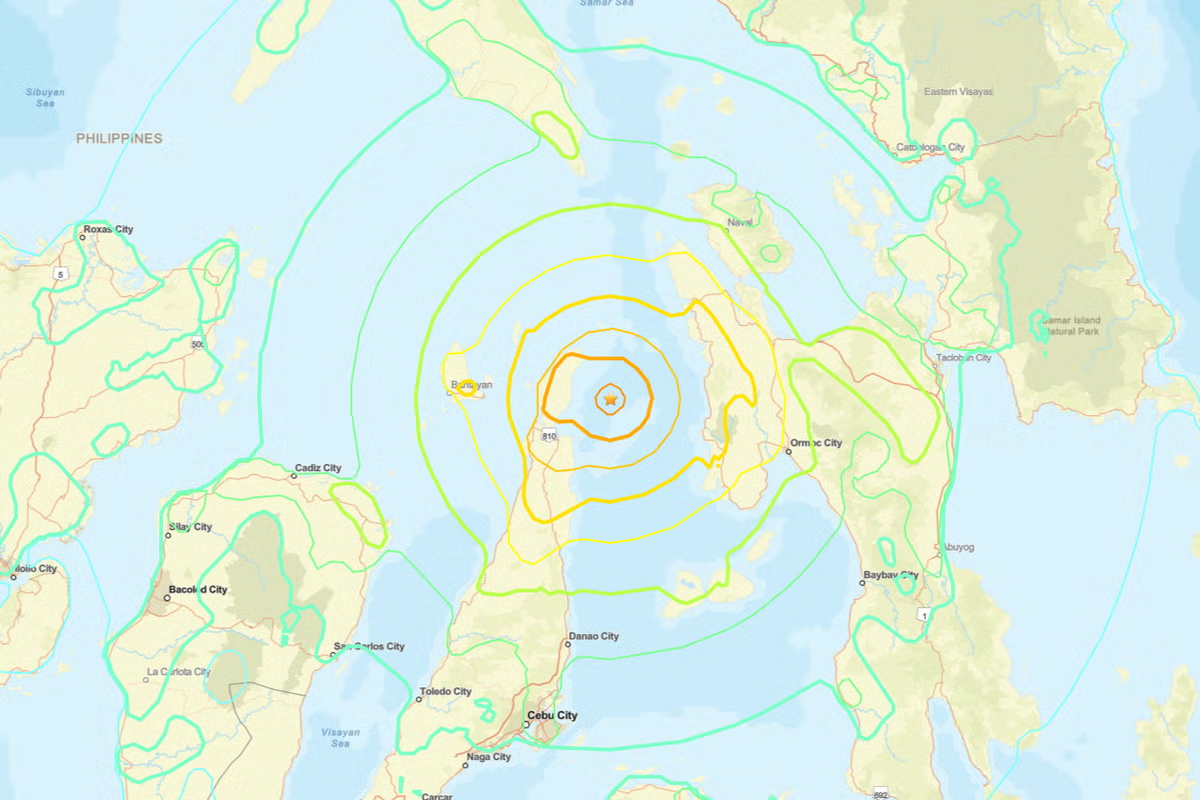
The massive tremor struck around 11:24 AM local time (Kamchatka), approximately 119 kilometers (74 miles) east-southeast of Petropavlovsk-Kamchatsky, a city of 180,000 on Russia’s Kamchatka Peninsula. The U.S. Geological Survey (USGS) reported the quake at a shallow depth of about 19 kilometers (12 miles), a factor that significantly amplifies its tsunami-generating potential. This magnitude places it among the strongest recorded earthquakes globally since the 2011 Tohoku quake off Japan.

Immediately following the seismic event, tsunami warnings and advisories rippled across the Pacific. In Russia, tsunami waves of up to 4 meters (13 feet) were reported in some sections of the Kamchatka coast, causing localized flooding in towns like Severo-Kurilsk and damaging fishing facilities. Several people were reported injured from rushing to leave buildings.

Japan, acutely aware of its own history with devastating tsunamis, was among the first nations to issue alerts. The Japan Meteorological Agency (JMA) initially warned of waves up to 3 meters (9.8 feet) along vast stretches of its Pacific coastline, from Hokkaido in the north down to Wakayama near Osaka. Coastal residents were urged to evacuate to higher ground. Footage showed people sheltering under tents in Hokkaido and fishing vessels departing harbors for safety. While initial waves of around 60 centimeters (2 feet) hit Hokkaido, and 1.3 meters (4.3 feet) were recorded in Kuji Port, Iwate Prefecture, the anticipated larger waves did not materialize.

By mid-afternoon, the JMA downgraded or lifted most of its tsunami warnings, replacing them with lower-level advisories for a wide swath of the archipelago. However, alerts remained in place for areas in Hokkaido and the Tohoku region further north. Notably, Japan’s nuclear plants, including the Fukushima facility that experienced meltdowns in 2011, reported no abnormalities in operations.

Across the Pacific, Hawaii also experienced tsunami activity, with sirens blaring and residents ordered to evacuate coastal areas. Waves between 1.5 and 1.8 meters (5-6 feet) were recorded at some gauges, but by early Wednesday, Hawaii downgraded its tsunami warning to an advisory, with evacuation orders lifted. The U.S. West Coast, including parts of California and Oregon, also received advisories, with warnings of strong currents and dangerous waves.

The event underscored the power of the “Ring of Fire,” the horseshoe-shaped zone of seismic activity where most of the world’s earthquakes occur. Seismologists highlighted that the Kamchatka region sits on a highly active subduction zone, where the Pacific Plate is constantly thrusting beneath the Okhotsk Plate, making it prone to such massive tremors.

While the absence of widespread catastrophic damage and fatalities across the Pacific was a testament to robust early warning systems and well-practiced evacuation drills, the quake served as a potent reminder of nature’s formidable force. The dramatic footage of Steller sea lions scrambling to higher ground on remote Antsiferov Island, moments before tsunami waves crashed ashore, encapsulated the raw, instinctive power of the event. As clean-up efforts begin in Russia and vigilance continues in affected Pacific nations, the 8.8-magnitude quake will serve as a critical case study in global disaster preparedness.

Air India Audit Uncovers 51 Safety Lapses, Raising Fresh Concerns

Air India, India’s flag carrier, is facing intense scrutiny after a recent audit by the country’s aviation watchdog, the Directorate General of Civil Aviation (DGCA), reportedly uncovered 51 safety lapses, including critical deficiencies in pilot training, the use of unapproved simulators, and a problematic crew rostering system. The findings, revealed in a confidential 11-page report seen by Reuters, come at a particularly sensitive time for the airline, following a deadly Boeing 787 crash last month that claimed 260 lives in Ahmedabad.

While the DGCA emphasizes that this latest audit is an annual exercise and not directly linked to the ongoing investigation into the June crash, its findings undoubtedly intensify concerns surrounding Air India’s operational integrity. The airline, now owned by the Tata Group, has been undergoing rapid expansion, but persistent reports of service quality issues and previous safety warnings have already put it under a microscope.

Among the most alarming findings in the audit are:

  • Pilot Training Gaps: The report identified “recurrent training gaps” for some Boeing 787 and 777 pilots. Specifically, some pilots reportedly failed to complete mandatory monitoring duties – where they observe cockpit instruments without actively flying – ahead of their periodic evaluations.
  • Unapproved Simulators: Air India allegedly conducted training for “Category C airports” – those with challenging layouts or terrain – using simulators that did not meet qualification standards. This poses significant safety risks during approaches and landings at these complex airfields.
  • Poor Rostering System: The audit criticized the airline’s rostering system for failing to provide “hard alerts” when the minimum number of crew members were not being deployed on a flight. This led to at least four international flights reportedly operating with insufficient cabin crew, a critical safety violation.
  • Duty Time Breaches: One Level I “significant breach” highlighted an Air India Boeing 787 flight from Milan to New Delhi exceeding its flight-duty period limit by a staggering two hours and 18 minutes. The DGCA has frequently flagged concerns about Air India pilots breaching flight-duty period limits.
  • Inconsistent Checks & Documentation Gaps: The audit noted inconsistencies in “door checks and equipment checks,” suggesting procedures were not being followed rigorously, and identified gaps in training documentation.
  • Lack of Accountability: No chief pilots were assigned for the Airbus A320 and A350 fleets, which the report stated “results in a lack of accountability, and effective monitoring of flight operations for these aircraft types.”
Air India crash

The DGCA has categorized these violations into two levels. Seven findings were classified as “Level I” significant breaches, requiring immediate rectification by July 30, while the remaining 44 “non-compliances” must be resolved by August 23.

Air India, in a statement to Reuters, affirmed its “full transparency” during the audit and committed to submitting its response to the regulator within the stipulated timeframe, along with details of corrective actions.

This audit follows a series of recent warnings and actions by the DGCA against Air India. Just last week, the regulator issued four show-cause notices over 29 violations related to cabin crew rest, duty norms, training rules, and operational procedures. In June, three officials responsible for crew scheduling and rostering were also directed to be removed from their roles due to serious violations.

While the DGCA states that a higher number of audit findings is “entirely normal” for airlines with extensive operations and large fleets, the sheer volume and critical nature of these lapses in Air India’s case, particularly in the shadow of a recent fatal crash, are likely to keep the airline firmly under the aviation watchdog’s intense gaze. The pressure is now on Air India’s management, under the Tata Group, to swiftly implement robust corrective measures and restore confidence in its safety protocols.

Trump Departs Scotland After High-Stakes Talks on Gaza and Whisky Tariffs

After five days blending business, leisure, and high-stakes diplomacy on his Scottish golf courses, President Donald Trump departed the U.K. today, leaving behind a flurry of diplomatic pronouncements and the enduring specter of ongoing global conflicts and trade disputes. His visit saw pivotal discussions on the dire humanitarian crisis in Gaza and the contentious tariffs impacting Scotland’s signature whisky industry.

President Trump’s visit, initially billed as a private trip to his luxury golf resorts in Turnberry and Aberdeenshire, quickly evolved into a platform for significant international engagement. The most notable meeting occurred on Monday at Turnberry, where Trump hosted British Prime Minister Sir Keir Starmer. Their discussions reportedly ranged from Russia’s ongoing war in Ukraine to the deepening food crisis in Gaza, alongside the ever-present topic of trade and tariffs.

During his meetings, particularly with Scottish First Minister John Swinney at his newly opened Trump International Golf Links in Aberdeenshire, the thorny issue of U.S. tariffs on Scotch whisky was front and center. Swinney directly urged President Trump to consider “economic protections for Scotland’s whisky and salmon sector, including an exemption for whisky from the 10 percent tariff applied on UK exports into the US.” The Scotch Whisky Association has long argued these tariffs have cost the industry millions, impacting what is a vital part of the Scottish economy. While no immediate commitments were announced, Swinney expressed optimism for a “window of opportunity” to make further representations.

Trump Turnberry golf

On the humanitarian front, the crisis in Gaza dominated significant portions of Trump’s diplomatic agenda. He stated publicly that he had spoken with both Cambodian Prime Minister Hun Manet and Thailand’s acting Prime Minister Phumtham Wechayachai, mediating in the ongoing border conflict between the two nations and leveraging trade agreements to press for a ceasefire.

Regarding Gaza, Trump engaged with Prime Minister Starmer on the desperate need for more aid. While acknowledging Israel’s responsibility in allowing food to reach the enclave, he also notably departed from some Israeli officials’ downplaying of the severity of the famine. “I don’t know,” Trump reportedly said when asked if he agreed with assessments that concerns of mass starvation were overstated. “I mean, based on television, I would say not particularly because those children look very hungry.” He emphasized that he would press Israeli Prime Minister Benjamin Netanyahu to “make sure they get the food.”

Despite the serious diplomatic undertakings, the trip was also undeniably a showcase for Trump’s business interests. He spent considerable time golfing at his properties, culminating in the ceremonial opening of a second 18-hole course at his Trump International property near Aberdeen on Tuesday, where he teed off with his sons Eric and Donald Jr. The presence of significant security details and planned protests near his properties served as a constant backdrop to his activities.

As Air Force One departed Scottish airspace, President Trump leaves behind a complicated legacy from his brief visit. He engaged directly with key leaders on pressing global issues, offered a glimmer of hope on aid to Gaza, and provided a platform for Scottish concerns regarding whisky tariffs. Yet, the underlying challenges – from ongoing conflicts to complex trade relations – remain, awaiting further diplomatic navigation.

Black Sabbath’s Final Anthem: Ozzy Osbourne’s Cortege to Make Triumphant Last Journey Through Birmingham

The city that birthed heavy metal is preparing for an emotional farewell as the cortege of its beloved “Prince of Darkness,” Ozzy Osbourne, will make a final, poignant procession through the heart of Birmingham on Wednesday, July 30, 2025. The public tribute, announced by Birmingham City Council, offers fans a chance to bid a final, fitting goodbye to the legendary Black Sabbath frontman ahead of a private family funeral.

Thousands are expected to line Broad Street from 1:00 PM BST as the hearse carrying Osbourne, who passed away on Tuesday, July 22, at the age of 76, makes its slow journey. The procession will culminate at the iconic Black Sabbath Bridge and bench, a shrine that has been overflowing with heartfelt messages, flowers, and memorabilia since the news of his death.

The event, meticulously coordinated between Birmingham City Council and the Osbourne family, who are generously funding all associated costs, aims to be a dignified yet celebratory tribute. “Ozzy was more than a music legend – he was a son of Birmingham,” stated Lord Mayor of Birmingham, Councillor Zafar Iqbal MBE, JP. “Having recently been awarded the Freedom of the City and following his celebrated appearance at the ‘Back to the Beginning’ concert at Villa Park earlier this month, it was important to the city that we support a fitting, dignified tribute ahead of a private family funeral.”

Adding to the momentous occasion, a live brass band, Bostin’ Brass, composed of local musicians, will accompany the cortege, providing a final musical moment to honor Osbourne’s extraordinary life and legacy. This musical touch is particularly poignant, given Osbourne’s deep connection to his working-class roots in Aston and how Black Sabbath forged a revolutionary sound that resonated globally.

For fans unable to attend the procession in person, a live stream of the Black Sabbath bench will continue to operate online, ensuring that admirers from around the world can witness this historic moment. The city has also opened a book of condolence at the Birmingham Museum and Art Gallery, alongside the ongoing “Ozzy Osbourne Working Class Hero” exhibition, which was opened by Sharon Osbourne just last month.

Ozzy Obourne

Road closures will be in effect on Broad Street from 7:00 AM on Wednesday, with buses and trams diverted, to ensure the safety of the expected large crowds. Stewards will be on hand to guide visitors, who are encouraged to arrive early and utilize public transport.

Ozzy Osbourne’s bond with Birmingham was unbreakable. Despite his global fame and years spent living abroad, he always remained fiercely proud of his heritage. He often spoke of his desire to return home to the UK, a move delayed by his battle with Parkinson’s disease and various spinal surgeries. His final concert at Villa Park just weeks before his passing, where he performed from a “large black throne,” was a testament to his enduring connection to his roots and his fans.

The procession marks a bittersweet moment for the city that Ozzy helped put on the map as the birthplace of heavy metal. It’s a chance for Birmingham to collectively mourn and celebrate a local hero who, in the words of the Lord Mayor, “put this place on the map, and everyone could relate to him.” As his cortege makes its way through the streets he once roamed, it will be a final, thunderous salute to the Prince of Darkness, ensuring his spirit forever echoes in the heart of Birmingham.

“Nightmare” Scenario: US Companies Face Crippling Tariff Wall as New Levies Kick In

U.S. businesses, already navigating a turbulent global economy, are bracing for what many are calling a “nightmare” tariff wall, as President Donald Trump’s administration implements a sweeping new set of import duties this week. These escalating tariffs, designed to bolster domestic manufacturing and reduce the budget deficit, are threatening to significantly raise costs, squeeze profit margins, and trigger a ripple effect of higher prices, job losses, and supply chain chaos across various sectors.

A new analysis from the Washington Center for Equitable Growth warns that these fresh levies could increase manufacturing costs by between 2% and 4.5%. For firms already operating on razor-thin profit margins, such increases could prove devastating, potentially leading to wage stagnation, layoffs, and even plant closures. “There’s going to be a cash squeeze for a lot of these firms,” stated Chris Bangert-Drowns, the researcher behind the analysis.

The latest wave of tariffs builds upon existing duties, with the overall average effective U.S. tariff rate now reaching 22.5%, the highest since 1909, according to the Yale University Budget Lab. This translates to an estimated average annual consumer loss of up to $2,400 per household.

https://www.pexels.com/photo/usa-tariffs-concept-with-scrabble-tiles-30855417/

The Automotive Sector: Ground Zero for the New Trade War

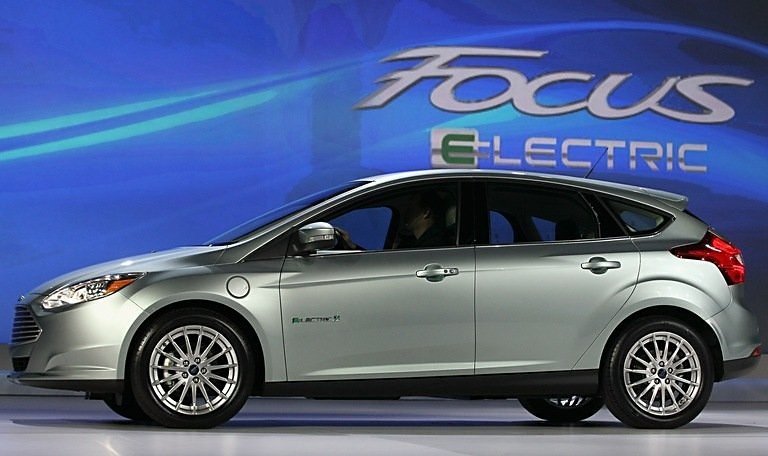
Perhaps the most immediate and impactful hit comes from Brussels. The European Union has declared what many see as economic war on Detroit, imposing a 25% tariff on every American-made passenger car, SUV, and pickup entering the EU. This move is expected to cost U.S. automakers like Ford, General Motors, and Stellantis an estimated $8 billion in new taxes, leading to slashed profits and export havoc for their European sales.

This counter-tariff action highlights the increasingly punitive cycle of global trade disputes. While President Trump argues that his policies will strengthen the “Made in USA” label, U.S. manufacturers are feeling the squeeze from all sides. Justin Johnson, president of Jordan Manufacturing Co. in Michigan, which supplies parts for Amazon, auto, and aerospace firms, reports that the price of steel coil has risen 5% to 10% this year. Even though his company doesn’t buy foreign steel, Trump’s 50% tariffs on imported steel and aluminum have allowed domestic producers to hike their prices due to reduced competition.

A Broad Impact Across Industries

The pain isn’t confined to manufacturing and automotive. The tariffs are expected to impact a wide array of U.S. industries, particularly those reliant on imported inputs that cannot easily be replaced domestically. This includes:

  • Manufacturing: From electronics and machinery to transportation equipment, this sector is the most exposed, with 19 of the top 25 most affected subsectors falling under manufacturing.
  • Construction: Relies heavily on imported materials like steel and lumber, leading to rising costs for homebuilders and infrastructure projects.
  • Repair and Maintenance: Including auto repair shops, faces increased costs due to tariffs on imported components.
  • Mining and Energy Production: Also face significant risks due to reliance on imported raw materials.
  • Retail and Apparel: These consumer cyclical sectors face direct hits from higher costs, potentially leading to increased prices for everyday goods.

Even the burgeoning Artificial Intelligence sector, touted by the Trump administration as the future of the economy, faces hurdles. More than 20% of the inputs for computer and electronics manufacturing are imported, meaning tariffs could significantly inflate the multi-trillion-dollar cost of building out AI infrastructure in the U.S.

Small Businesses: The Most Vulnerable

Small and medium-sized businesses are particularly vulnerable to this “tariff wall.” Unlike larger multinational corporations that can shift production overseas, smaller firms often lack the resources to adjust supply chains or absorb cost increases. Josh Smith of Montana Knife Co. detailed how he had to pay $77,250 in import duties on a $515,000 German machine crucial for his production – money he says could have been used to hire a new worker. With no American alternative for such specialized equipment, Smith notes, tariffs are “the difference between hiring people and standing still.”

The Treasury Secretary Scott Bessent has claimed that the global community is “willing to pay a toll” to maintain access to U.S. markets. However, for many American businesses, especially the smaller ones, that toll may prove too steep, creating a formidable barrier that threatens to reshape the U.S. economic landscape. As the legal justification for these new tariffs is challenged in court, the immediate economic consequences are already a harsh reality for countless companies across the nation.

Manhattan Attack: Gunman Targeting NFL Headquarters Went to Wrong Floor and Kills Four People

The horrifying shooting rampage at a bustling Manhattan office tower on Monday, which left four innocent people dead, including an off-duty police officer, was a calculated act of violence aimed at the National Football League’s headquarters, but the gunman took the wrong elevator, New York City Mayor Eric Adams revealed today. This chilling detail offers a partial, albeit deeply disturbing, glimpse into the motive behind the senseless attack.

The gunman, identified as Shane Tamura, 27, of Las Vegas, unleashed a volley of gunfire at 345 Park Avenue, a prominent skyscraper that houses a multitude of businesses, including the NFL, investment giant Blackstone, and KPMG. Authorities confirmed Tamura died from a self-inflicted gunshot wound at the scene.

Mayor Adams, speaking in interviews, stated that investigators believe Tamura was trying to reach the NFL offices, located on the fifth floor of the building. However, he entered the wrong elevator banks after indiscriminately opening fire in the lobby.

A three-page note found in Tamura’s wallet provided a crucial insight into his grievance. The note reportedly suggested he believed he suffered from chronic traumatic encephalopathy (CTE), a degenerative brain disease linked to repeated head trauma common in contact sports. Tamura, who played high school football in California nearly two decades ago but never professionally in the NFL, reportedly expressed profound anger at the league, accusing it of concealing the dangers to players’ brains for profit.

In the note, Tamura repeatedly apologized and specifically requested that his brain be studied for CTE, according to the New York Police Department. The note also referenced former NFL player Terry Long, who was diagnosed with CTE and whose suicide in 2005 had drawn attention to the disease. Police Commissioner Jessica Tisch confirmed Tamura had a “documented mental health history.”

The shooting unfolded with terrifying speed. Surveillance video showed Tamura exiting a double-parked BMW just before 6:30 p.m. Monday, armed with an M4 rifle. He marched across a plaza and immediately opened fire in the lobby, killing 36-year-old NYPD officer Didarul Islam, who was working a corporate security detail. Islam, an immigrant from Bangladesh, was married with two children and his wife is pregnant. He “died as he lived: a hero,” Tisch said.

Tamura then shot a woman who tried to take cover, before making his way to the elevator bank, where he shot a security guard and another man in the lobby. He then took an elevator to the 33rd floor, which houses the offices of Rudin Management, the building’s owner. There, he shot and killed one person before turning the gun on himself. Blackstone confirmed that one of its senior managing directors, real estate executive Wesley LePatner, was among those killed on that floor.

NFL Commissioner Roger Goodell called the shooting “an unspeakable act of violence in our building,” expressing gratitude to law enforcement and mourning the officer who “gave his life to protect others.” He also confirmed in a memo to staff that an NFL employee was seriously injured in the attack and is hospitalized in stable condition.

The tragedy has left New York City’s corporate community on edge, particularly following the fatal shooting of UnitedHealthcare CEO Brian Thompson last December in a different part of Manhattan. While the city has seen a significant decrease in homicides this year, the Park Avenue shooting underscores the persistent threat of gun violence and the devastating impact of mental health crises, particularly when intertwined with perceived grievances against high-profile institutions.

As investigators continue to piece together the full timeline and delve deeper into Tamura’s psychological state, the revelation that his deadly rampage was misdirected to the wrong floor adds a layer of tragic irony to an already harrowing event, highlighting the random and devastating nature of such attacks.

Rare 4,000-Year-Old Egyptian Handprint Discovered on Ancient “Soul House”

In a discovery that offers an extraordinary, intimate glimpse into the life of an ancient Egyptian artisan, researchers at the UK’s Fitzwilliam Museum have unveiled a remarkably preserved 4,000-year-old human handprint on a funerary object known as a “soul house.” The rare imprint, found during preparations for an upcoming exhibition, provides a tangible connection across millennia, directly linking us to the individual who crafted this intricate clay model.

The complete handprint was discovered on the underside of a “soul house,” a type of miniature clay building designed to be placed in ancient Egyptian burials. Dating back to approximately 2055–1650 BCE, during Egypt’s First Intermediate Period and Middle Kingdom, these objects typically featured an open front where offerings of food, like bread or an ox’s head, would be laid out. They were believed to serve as dwellings for the deceased’s soul or as places for mourners to leave sustenance.

Dr. Helen Strudwick, a senior Egyptologist and curator at the Fitzwilliam Museum, expressed her astonishment at the find. “We’ve spotted traces of fingerprints left in wet varnish or on a coffin in the decoration, but it is rare and exciting to find a complete handprint underneath this soul house,” she stated. “This was left by the maker who touched it before the clay dried. I have never seen such a complete handprint on an Egyptian object before. You can just imagine the person who made this, picking it up to move it out of the workshop to dry before firing.”

The meticulous analysis of the “soul house” by Fitzwilliam experts revealed its sophisticated construction. The potter first created a framework of wooden sticks, then coated it with wet clay to form a two-story building supported by pillars. Staircases were intricately formed by pinching the wet clay. During the firing process, the wooden framework would have burned away, leaving the hollow spaces seen in the finished artifact. The handprint was likely left when the still-wet clay model was carefully moved from the workshop to a drying area before being placed in a kiln.

This discovery is particularly significant because, unlike many other aspects of ancient Egyptian life documented through reliefs and papyri, relatively few details about the daily work and lives of ancient potters survive. The handprint offers a unique, direct link to one such individual. “Things like this take you directly to the moment when the object was made and to the person who made it, which is the focus of our exhibition,” Dr. Strudwick added.

While fingerprints have been found on other ancient artifacts, including some of the world’s oldest ceramics dating back 25,000 years, a complete and well-preserved palm print on an object of this age from Egypt is exceptionally rare. It underscores the potential for new discoveries even on long-held museum pieces, often overlooked in areas like the underside of an object.

The “soul house” featuring this extraordinary human imprint will be a centerpiece of the Fitzwilliam Museum’s forthcoming exhibition, “Made in Ancient Egypt,” which opens to the public on October 3, 2025. The exhibition aims to shed light on the lives and work of the countless, often anonymous, craftspeople who shaped the ancient Egyptian world. For visitors, this ancient handprint promises a deeply personal and poignant connection to a civilization thousands of years removed, yet momentarily brought to life by a single, accidental touch.

Sewage Overflow Triggers Landslide, Derails German Train, Killing Three

RIEDLINGEN, GERMANY – A regional passenger train in southwestern Germany derailed on Sunday evening, claiming the lives of three people and injuring at least 41 others, in a horrific incident that authorities are attributing to a landslide caused by an overflowing sewage shaft. The tragedy, which unfolded amid heavy rainfall, highlights a grim vulnerability in infrastructure amidst increasingly extreme weather patterns.

The regional train, operated by Deutsche Bahn and carrying approximately 100 passengers, was en route between Sigmaringen and Ulm when at least two carriages veered off the tracks in a forested area near Riedlingen, in the state of Baden-Württemberg, around 6:10 PM local time.

Ulm police and Ravensburg prosecutors released a joint statement on Monday confirming initial findings: intense downpours in the area caused a sewage shaft to overflow. The sheer volume of water, unable to be contained, then triggered a landslide on an embankment running directly adjacent to the railway tracks. The train subsequently collided with the debris, causing the catastrophic derailment.

The victims have been identified as the 32-year-old train driver, a 36-year-old apprentice rail employee, and a 70-year-old passenger. Of the 41 injured, several are reported to be in serious condition, and some have already undergone surgery. Rescue workers faced challenging conditions, with photos from the scene showing overturned carriages amidst fallen trees, requiring extensive efforts to access and evacuate trapped passengers. Helicopters were dispatched to airlift the most severely injured to nearby hospitals.

German Chancellor Friedrich Merz expressed his profound condolences, stating on X (formerly Twitter) that he “mourn[s] the victims” and offered his “deepest sympathy” to their families. He has requested that the interior and transport ministers provide all necessary support to the emergency services. Deutsche Bahn CEO Richard Lutz also offered his sympathies, pledging full cooperation with the investigation.

The incident has immediately raised concerns about Germany’s railway infrastructure, which has faced growing criticism in recent years for underinvestment and a rising number of delays and technical problems. While the direct cause was a localized natural event triggered by the sewage overflow, the broader context of increasingly frequent and intense rainfall, linked to climate change, underscores the need for robust and resilient infrastructure.

The affected stretch of track remains closed, with clean-up operations expected to begin on Monday. Authorities have stated that the investigation is ongoing, and there is currently no evidence of foul play or external interference.

For the community of Riedlingen and across Germany, the tragedy serves as a stark reminder of how seemingly innocuous infrastructure failures, exacerbated by unpredictable weather, can have devastating human consequences. The unexpected role of an overflowing sewage system in leading to a fatal train derailment has shocked many, prompting questions about urban planning, drainage systems, and railway safety in a changing climate.

Google’s Earthquake Alert System Failed to Warn Millions in Deadly Turkey Quake

Tech giant Google has admitted a critical failure in its Android Earthquake Alerts (AEA) system, revealing that it failed to issue crucial high-level warnings to nearly 10 million people ahead of the devastating 2023 earthquake in Turkey. This stunning acknowledgement comes almost two years after the twin quakes claimed over 55,000 lives and injured more than 100,000, raising serious questions about the reliability and transparency of widely adopted technological warning systems.

Despite being active and operational at the time of the initial 7.8-magnitude quake on February 6, 2023, Google’s system dramatically underestimated its severity. An internal investigation later confirmed that the AEA system initially registered the powerful tremor at a mere 4.5 to 4.9 on the moment magnitude scale, a significant deviation from its actual catastrophic force.

Consequently, only a paltry 469 people received the system’s highest-level “Take Action” alert. This alert, designed to override “Do Not Disturb” settings with a loud, intrusive alarm and full-screen display, is intended to provide precious seconds for users to seek safety before seismic waves arrive. With approximately 10 million people living within 98 miles of the epicenter, the vast majority were left without this vital early warning.

Instead, around half a million users received a lower-level “Be Aware” notification. This less prominent alert, meant for milder tremors, does not override device settings and would likely have gone unnoticed by most, especially given that the first quake struck at 4:17 AM while many were asleep. The absence of a jarring “Take Action” alert at such a critical hour could have had profound consequences for those trapped in collapsing buildings.

For months after the 2023 disaster, BBC reporters on the ground in the affected zones found no one who had received the more serious “Take Action” alert before the first tremor. Google had initially claimed its system “performed well,” a statement now revealed to be a stark misrepresentation of the system’s actual performance during the critical moments.

Google researchers have since published their findings in the journal Science, acknowledging “limitations to the detection algorithms” that were in place during the Turkey quakes. A revised simulation of the 7.8 magnitude quake, run with updated algorithms, produced dramatically different theoretical results: 10 million “Take Action” alerts and 67 million “Be Aware” notifications. This suggests the flaw lay fundamentally in the original software design’s ability to accurately gauge large-magnitude events in real-time.

“Every earthquake early warning system grapples with the same challenge—tuning algorithms for large magnitude events,” a Google spokesperson told the BBC. “We continue to improve the system based on what we learn in each earthquake.”

However, experts express concern over the significant delay in Google’s full transparency regarding these flaws. “I’m really frustrated that it took so long,” stated Elizabeth Reddy, assistant professor at the Colorado School of Mines. “We’re not talking about a little event – people died – and we didn’t see a performance of this warning in the way we would like.”

The incident also raises broader concerns about reliance on private tech solutions for public safety. Harold Tobin, director of the Pacific Northwest Seismic Network, questioned whether some countries might “make the calculation that Google’s doing it, so we don’t have to?” Google maintains its platform is intended to support, not replace, national alert systems.

The AEA system, which leverages accelerometers in Android phones to detect ground movement and is active in 98 countries (including Turkey, where Android devices make up over 70% of smartphones), has been updated since the 2023 quake. While Google positions it as a “global safety net,” the Turkey disaster serves as a sobering reminder of the complex challenges in developing reliable early warning systems, and the profound human cost when even the most advanced technologies fall short.