Saturday, January 31, 2026
Home Blog Page 22

OpenAI Crushes Rival Grok in AI Chess Tournament

The simmering rivalry between tech titans Sam Altman and Elon Musk has spilled onto the chessboard, with OpenAI’s latest model, o3, delivering a decisive and humiliating defeat to Musk’s Grok 4 in the final of a landmark AI chess tournament. The one-sided 4-0 victory for OpenAI marks a significant early win in a competition designed to test the strategic reasoning of general-purpose large language models (LLMs).

The tournament, hosted by Google’s Kaggle Game Arena, was the first of its kind, pitting some of the world’s most powerful AIs against each other in a chess showdown. The field included models from Google (Gemini), Anthropic (Claude), and others, but the final came down to the two models at the center of the AI gold rush: OpenAI’s o3 and xAI’s Grok 4. The match was a symbolic battle, given that Musk was a co-founder of OpenAI before leaving to launch his own rival company, xAI.

While Grok 4 had impressed in earlier rounds, with commentators praising its tactical instincts, the final was a masterclass in ruthless execution by o3. Grok’s performance was marred by a series of blunders that even casual chess players would recognize as disastrous, including questionable knight and bishop sacrifices and the inexplicable loss of its queen in multiple games.

Image source: pixahive.com

World number one chess player Magnus Carlsen, who was on hand to provide live commentary, was visibly stunned by some of Grok’s moves. At one point, he estimated Grok’s rating at a mere 800, a level that would place it on par with a beginner player. He later quipped that watching the final was “like watching kids’ games.” By contrast, Carlsen estimated OpenAI’s o3 to be a 1200-rated player, a solid intermediate level.

In the wake of the defeat, Musk took to his platform, X, to downplay the significance of the loss. “xAI spent almost no effort on chess,” he posted, calling Grok’s chess ability a mere “side effect” of its general reasoning capabilities. This statement, however, did little to blunt the public perception of a significant loss for his company.

While traditional chess engines like Stockfish and AlphaZero can play at a superhuman level, they are purpose-built for the game. This tournament was different, as it was designed to test the “emergent capabilities” of AIs not specifically trained for chess. The fact that the models could play at all was considered a feat in itself, and the final revealed a stark difference in their current strategic abilities.

For now, the victory gives OpenAI a significant boost in a high-stakes competition where public perception and performance are key. As these AIs continue to evolve, chess and other games are likely to become the new proving ground for the strategic and reasoning capabilities of these powerful new models.

Perrier Scandal Exposes Deception and High-Level Government Cover-Up

The pristine, bubbly image of France’s most iconic mineral water, Perrier, has been shattered by a scandal of monumental proportions, revealing that the company has been illegally treating its water for years to mask contamination and that the French government knowingly allowed the deception. A damning Senate report, released this week, has ignited what one journalist is calling a “French Watergate,” bringing down the curtain on a long-held myth of purity and raising serious questions about the integrity of the bottled water industry.

At the heart of the scandal is Nestlé Waters, the parent company of Perrier and other brands, which has admitted to using prohibited purification methods, including activated carbon filters and ultraviolet light—methods typically used for treating tap water. European and French law are unequivocal on this point: “natural mineral water” must be sourced from an underground spring and remain in its natural, unaltered state from the source to the bottle.

The explosive revelations, which began with an investigation by French news outlets Le Monde and Radio France, found that the illicit treatments were a response to a pressing problem: the springs, long considered pristine, were becoming increasingly contaminated with bacteria and chemicals. In 2024, Nestlé was forced to destroy nearly three million bottles of Perrier after fecal contamination was discovered in one of its wells.

But the scandal goes far beyond corporate wrongdoing. The Senate report alleges a deliberate and extensive cover-up at the highest levels of the French government. The report states that the presidency of the Republic, including top officials and advisors, was aware of Nestlé’s illegal practices as early as 2022. Instead of taking legal action, the government entered into a “transactional” relationship with Nestlé, allowing the company to replace its prohibited filtration methods with a new, controversial microfiltration process. This new process, while technically within a loosened regulatory framework, still alters the water’s natural composition, according to hydrologists.

The report also criticized the government’s lack of transparency with both local authorities and the public. “The presidency of the Republic knew, at least since 2022, that Nestlé had been cheating for years,” the report states. It further noted that a top aide to President Emmanuel Macron refused to appear before the inquiry commission, citing a separation of powers.

The fallout from the scandal is both cultural and legal. For consumers who pay a premium for bottled water, believing it to be a product of natural, untouched purity, the revelations are a profound betrayal. The case has also led to a preliminary investigation into Nestlé Waters for “deception,” with a consumer advocacy group, Foodwatch, filing a complaint.

Nestlé, for its part, has expressed “regret” for its past practices but insists that the safety and quality of its products have always been guaranteed. However, the company’s long-term reliance on illegal treatments to ensure safety, even while marketing its water as “natural,” has severely damaged its credibility.

The “Perriergate” scandal is a stark warning that even the deepest springs are no longer immune to the effects of climate change and pollution. As the European Union grapples with the implications of the French government’s actions, the integrity of an entire industry is now in question, leaving consumers to wonder if the water they are drinking is as pure as they are led to believe.

Crocs U.S. Sales Tumble as Shoppers Embrace Athletic Footwear

The era of the “ugly-chic” shoe may be on the wane, as Crocs, Inc. today reported a sharp decline in its North American sales, sending its stock plummeting by nearly 30% in its worst single-day drop in almost 15 years. The company attributed the downturn to “super cautious” American consumers, a shift away from discounting, and, most notably, a powerful trend “back towards athletic” footwear.

In its second-quarter earnings report, Crocs announced that its North American revenues had decreased by a significant 6.5% to $457 million, even as its international sales surged by over 18%. The disparity highlights a major challenge for the company, whose iconic clogs and sandals became a cultural phenomenon during the pandemic but are now facing fierce competition from a resurgent sneaker market.

“There is, I think, a clear athletic trend that consumers are migrating back towards athletic,” said CEO Andrew Rees in an earnings call with analysts. He noted that with major sporting events on the horizon, including the 2026 FIFA World Cup and the 2028 Los Angeles Olympics, this trend is likely to “persist for a while.”

Image source: picryl.com

The news comes as Crocs’ overall revenue grew by a modest 3.4% to $1.15 billion, beating analyst expectations. However, this positive top-line performance was overshadowed by the dismal North American figures and a cautious forecast for the third quarter, which predicts a consolidated revenue decline of 9% to 11%. The company also reported a substantial non-cash impairment charge of $737 million related to its HeyDude brand, a sign of broader struggles beyond its flagship clogs.

Beyond the shifting fashion winds, the company is also grappling with a more frugal consumer. Rees said there is “ample evidence” that a significant portion of the company’s customer base is “super cautious” with their discretionary spending, with store traffic down as shoppers “are not even going to the stores.” Compounding this issue is the company’s new strategy to pull back on promotional activity in an effort to “protect brand health and profitability,” which Rees conceded is hurting sales.

The combination of economic headwinds and a changing fashion landscape has created a perfect storm for the footwear company. While Crocs continues to innovate with new products and remains a strong force on international platforms like TikTok, the company’s reliance on the North American market, where its clogs are now facing a cooling trend, has proven to be its Achilles’ heel. The challenge now for Crocs is to navigate this challenging environment and prove that its rubber clogs are more than just a passing fashion fad.

Ex-CEO Andy Byron’s Infidelity Unlikely to Impact Divorce Settlement Under California Law

In the latest, stunning twist of a public scandal that has gripped the internet, legal experts are now saying that former Astronomer CEO Andy Byron’s alleged infidelity is unlikely to have a significant impact on his divorce settlement. Despite the firestorm of public outrage and professional ruin triggered by a “kiss cam” video and subsequent allegations of a $40,000 OnlyFans scandal, California’s “no-fault” divorce laws mean Byron’s financial liabilities may be far less than many assume.

The legal reality, experts say, is a stark contrast to the court of public opinion. In California, a state that pioneered the no-fault divorce system, the reasons for a marital breakup are legally irrelevant. As family law attorney Richard Sullivan told The Economic Times, “The court doesn’t care who cheated or why the marriage ended. Infidelity may be morally outrageous, but it doesn’t change the financial outcome.”

This legal principle is now at the center of the unfolding divorce between Byron and his estranged wife, Megan Kerrigan. While the “ColdplayGate” incident and the alleged payments to an OnlyFans creator have been a source of immense public humiliation, they are not, in themselves, grounds for a larger financial settlement. California law does not award “punitive damages” for marital misconduct.

Astronomer CEO Andy Byron Megan Kerrigan divorce bill

However, there is one crucial legal carve-out that could still make Byron’s alleged actions a factor in court: the misuse of “community funds.” In California, a community property state, all assets and debts acquired during the marriage are typically split 50/50. If Kerrigan can prove that Byron used marital money for the alleged affair—to pay for the video calls or other expenses—he could be required to reimburse the marital estate for the amount spent. This would then be factored into the equitable division of assets.

As one family law attorney noted, “Unless community funds were used to support the affair—like expensive travel or gifts—cheating has very little legal consequence. It might matter emotionally. But in court, it’s irrelevant.”

The legal analysis comes as Byron faces a public and professional reckoning. He resigned from his CEO position at Astronomer after the initial viral video, and his estranged wife, Megan Kerrigan, has publicly signaled the end of their marriage by changing her social media name and moving into the couple’s property in Maine.

While the court of public opinion may have already handed down its verdict, the legal system remains bound by a different set of rules. For Andy Byron, the emotional cost of his alleged infidelity will undoubtedly be high, but in the eyes of California law, “cheating” is not a marital crime that automatically leads to a larger alimony payment. The focus will remain on a fair division of assets and financial support based on need, not on who was at fault.

Ex-Astronomer CEO Andy Byron Faces New $40,000 OnlyFans Scandal Following “ColdplayGate”

The public downfall of former Astronomer CEO Andy Byron, ignited by a viral “kiss cam” video at a Coldplay concert, has taken a stunning and potentially catastrophic turn. Just weeks after resigning from his position over a public embrace with a colleague, Byron is now embroiled in a new scandal, with leaked private messages allegedly showing he spent upwards of $40,000 on explicit video calls with an OnlyFans creator. The new allegations, reportedly leaked by his estranged wife, Megan Kerrigan, are a fresh layer of public humiliation that could have significant financial and legal consequences.

The “ColdplayGate” saga, which captivated the internet, began in July 2025, when a camera at a Coldplay concert in Boston caught Byron in an intimate embrace with Astronomer’s then-Chief People Officer, Kristin Cabot. The footage, and Coldplay frontman Chris Martin’s on-stage joke, went viral, leading to Byron’s swift resignation and a public marital implosion.

Now, according to reports from The Economic Times and other outlets, the narrative has become even more sordid. Leaked private messages, purportedly shared by Byron’s wife, Megan Kerrigan, include screenshots of Byron’s interactions on a messaging app, where he allegedly paid a popular OnlyFans creator, Sophie Rain, up to $40,000 for video calls. One alleged message exchange quotes Rain saying, “All good. Most guys I talk to are married,” followed by, “Okay, call me in 5 mins [winky face].”

Andy Byron sues Coldplay

The new allegations have been met with a combination of shock and “I-told-you-so” from a public that has been following Byron’s downfall with fascination. The scandal also raises serious questions about the use of marital funds and could significantly impact Byron’s looming divorce settlement. In a “no-fault” state like Massachusetts, infidelity itself may not affect the division of assets, but the “misappropriation of marital funds” for an affair—in this case, allegedly tens of thousands of dollars—could absolutely be a factor in court.

Byron has not publicly commented on the new allegations, and his former company, Astronomer, has also refrained from making a statement, though it has appointed co-founder Pete DeJoy as interim CEO. The OnlyFans creator, Sophie Rain, has addressed the controversy in an exclusive statement to The Blast, offering sympathy to Byron’s wife and distancing herself from the scandal. “I don’t condone this type of behavior,” she said, adding that she would be “here for his wife if she needs a friend through these times.”

The alleged scandal is a stunning new chapter in a story that began with a moment of public indiscretion. For Andy Byron, the viral “kiss cam” video has not just ended his career and marriage; it has also seemingly opened a Pandora’s box of digital secrets, turning his professional and personal life into a cautionary tale for the social media age.

Trump Demands Intel CEO’s Resignation, Alleges “Highly Conflicted” China Ties

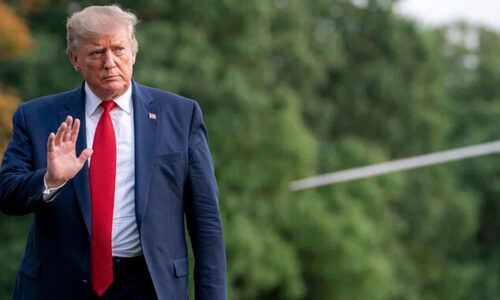
In a dramatic and unprecedented intervention into the leadership of a private American company, President Donald Trump today publicly demanded the immediate resignation of Intel CEO Lip-Bu Tan, accusing the executive of being “highly CONFLICTED” due to extensive financial and professional ties to China. The demand, delivered in a characteristically forceful post on his social media platform, sent Intel’s stock tumbling and ignited a political firestorm.

“The CEO of INTEL is highly CONFLICTED and must resign, immediately. There is no other solution to this problem,” Trump wrote on Truth Social. His statement, which was not accompanied by specific evidence, follows a letter sent earlier this week by Republican Senator Tom Cotton of Arkansas to Intel’s board chair, raising alarms about Tan’s past.

Senator Cotton’s letter cited an April Reuters report that detailed Tan’s investments, both personally and through his venture funds, in hundreds of Chinese companies. The report alleged that at least eight of these companies have direct ties to the Chinese military, the People’s Liberation Army. Cotton’s inquiry also referenced a recent criminal case involving Cadence Design Systems, a company where Tan previously served as CEO. Cadence pleaded guilty and paid a fine to resolve charges that it illegally sold technology to a Chinese military university during Tan’s tenure.

The allegations against Tan, who was appointed CEO of Intel in March, have been a source of concern for some in Washington. As the CEO of a company that is a major recipient of federal funds from the CHIPS Act, designed to bolster domestic semiconductor manufacturing, Tan’s past associations have been thrust under a harsh spotlight.

For the Trump administration, the demand for Tan’s resignation is a powerful signal in its broader economic and geopolitical strategy. The President has made it clear he intends to use tariffs and other measures to curb China’s technological advancement and incentivize companies to move production back to the United States. His public call for Tan to step down aligns with this “America First” agenda, but it has also raised serious questions about the role of the President in the affairs of private corporations.

The market’s reaction was swift and negative. Intel’s shares dropped by over 3% in premarket trading, reflecting investor unease about the company’s leadership stability and its ability to navigate an increasingly hostile political environment.

The move has drawn criticism from both political and business circles. Critics argue that a President dictating who runs a private company sets a dangerous precedent and could have a chilling effect on American business. However, supporters of the President’s actions say that when a company receives billions in taxpayer money, its leadership should be free of any potential conflicts of interest, especially those involving a strategic rival like China.

For now, Intel has stated it will address the issues raised by Senator Cotton’s letter, saying both the company and Tan are “deeply committed to the national security of the United States.” The company has not yet responded to the President’s demand, but with the world’s most powerful office now calling for its leader’s removal, the pressure on Intel’s board is immense. The standoff is a stark new chapter in the ongoing tech and trade war between the United States and China, with the fate of one of America’s most iconic technology companies hanging in the balance.

Former ‘Superman’ Actor Dean Cain Says He’s Joining ICE

The actor who once soared through the skies as Superman is taking on a new, highly controversial role: a U.S. Immigration and Customs Enforcement (ICE) agent. Dean Cain, best known for his portrayal of the Man of Steel in the 1990s television series Lois & Clark: The New Adventures of Superman, announced that he will be “sworn in as an ICE agent, ASAP,” in a move that has sparked a firestorm of debate.

Cain made the revelation during an appearance on Fox News’s Jesse Watters Primetime after posting a recruitment video on his own social media platforms. He stated that he’s already a sworn deputy sheriff and reserve police officer and felt it was “important to join with our first responders to help secure the safety of all Americans, not just talk about it.” The announcement comes as the Trump administration launches a new hiring campaign for ICE, offering incentives like a $50,000 signing bonus.

Cain’s decision is a staunch endorsement of President Donald Trump’s immigration crackdown. “We have a broken immigration system. Congress needs to fix it, but in the interim, President Trump ran on this. He is delivering on this. This is what people voted for. It’s what I voted for, and he’s going to see it through, and I’ll do my part and help make sure it happens,” he told Fox News.

A Hero’s Journey or a Villain’s Turn?

The announcement has ignited a passionate debate online, with many critics pointing to the irony of an actor who played an alien immigrant aligning with an agency that is carrying out mass deportations.

“Superman himself would be disappointed in you, Dean,” one user commented on X, to which Cain simply replied, “Not a chance.” The actor has been a vocal conservative in recent years, previously criticizing the director of the new Superman movie for describing the character as an “immigrant” before the film’s release.

The legal and logistical aspects of Cain’s new role have also been questioned. At 59, he is well above the traditional maximum age of 37 for ICE recruits, though the agency appears to have lifted this restriction. Cain has made it clear he is ready and willing to do whatever ICE director Todd Lyons “wants me to do,” stating he would be on the front lines “in a heartbeat.”

For now, the actor’s pledge to join ICE stands as a powerful symbol in the nation’s heated immigration debate. It is a striking example of a celebrity using their platform to champion a political cause, a move that for Cain, he says, is about being a “patriot.”

This video provides additional context from a news report about Dean Cain’s decision to join ICE.

Orforglipron: Eli Lilly’s New Oral Weight Loss Drug Shows Promising Results

The race to dominate the multi-billion-dollar weight loss drug market is heating up. Pharmaceutical giant Eli Lilly today announced positive results from a late-stage clinical trial for its experimental once-daily weight loss pill, orforglipron, which helped patients lose an average of 12.4% of their body weight, or roughly 27 pounds, over a period of 72 weeks. The news positions the drug as a powerful new player in the market, offering a convenient oral alternative to the wildly popular injectable treatments like Wegovy and Zepbound.

The Phase 3 ATTAIN-1 trial, which involved over 3,100 overweight or obese adults, met all of its primary and key secondary endpoints, according to a statement from the company. Participants on the highest dose of the drug, 36 milligrams, saw a significant average weight reduction compared to the placebo group. Beyond weight loss, the drug also showed improvements in key cardiovascular health markers, including reductions in blood pressure and cholesterol.

“With orforglipron, we’re working to transform obesity care by introducing a potential once-daily oral therapy that could support early intervention and long-term disease management, while offering a convenient alternative to injectable treatments,” said Kenneth Custer, an executive vice president and president of Lilly.

The convenience of a daily pill is seen as a potential game-changer. While injectable GLP-1 drugs like Ozempic, Wegovy, and Eli Lilly’s own Zepbound have revolutionized weight loss, some patients are put off by the need for weekly injections. Unlike Novo Nordisk’s oral diabetes drug Rybelsus, which has strict rules about when it must be taken, Eli Lilly says orforglipron can be taken any time of day, with or without food or water restrictions.

However, the results, while clinically significant, have been met with a mixed reaction from Wall Street. Analysts had hoped for weight loss figures that would more closely rival Eli Lilly’s injectable drug, Zepbound, which has shown an average weight reduction of over 20% in trials. The 12.4% figure from orforglipron’s trial is slightly below the 15% weight loss seen in trials for Wegovy, the injectable GLP-1 from rival Novo Nordisk.

The most common adverse events reported in the trial were gastrointestinal in nature, including nausea, constipation, and vomiting. These side effects were generally mild to moderate in severity and consistent with those seen in the injectable GLP-1 class of drugs. Discontinuation rates due to these side effects were around 10% for the highest dose, though overall treatment discontinuation rates were lower than the placebo group.

Despite falling slightly short of the ambitious weight loss figures seen with some injectables, orforglipron is still considered a “good drug” by many analysts. Its ease of use could make it a powerful tool for earlier intervention in the management of obesity and type 2 diabetes. Eli Lilly says it plans to submit the drug for global regulatory approval by the end of the year. If approved, orforglipron could usher in a new era of oral weight loss medications, offering millions of people a highly effective and more convenient option in their battle with obesity.

Five Soldiers Shot in Attack at Georgia Army Base

FORT STEWART, GA – Five soldiers were shot and injured today in an attack at Fort Stewart, a U.S. Army base in Georgia, according to officials. The incident, which prompted an immediate lockdown of the sprawling military installation, ended with the swift apprehension of a suspect, who is now in custody.

The shooting occurred late this morning in an area of the base that houses the 2nd Armored Brigade Combat Team. Details are still emerging, but officials confirmed that law enforcement responded to a report of an active shooter just before 11:00 a.m. The suspect was identified and apprehended by 11:35 a.m., according to a post on the Fort Stewart Hunter Army Airfield Facebook page.

“There is no active threat to the community at this time,” the base’s statement said, though parts of the complex remain locked down as the investigation unfolds.

The five injured soldiers were immediately transported to Winn Army Community Hospital for treatment. The severity of their injuries has not yet been released. Fort Stewart, located southwest of Savannah, is the largest Army post east of the Mississippi River and is home to the Army’s 3rd Infantry Division. The incident sent shockwaves through the base and surrounding communities.

Both federal and local officials were quick to respond. White House Press Secretary Karoline Leavitt stated that President Donald Trump has been briefed on the shooting and that the White House is closely monitoring the situation. Georgia Governor Brian Kemp (R) expressed his condolences on social media, writing that he and his family are “saddened by today’s tragedy at Ft. Stewart” and are “keeping the victims, their families, and all those who answer the call to serve in our hearts and prayers.”

The identity of the suspected gunman and the motive behind the violence have not yet been released. Investigators are on the scene, gathering evidence and conducting interviews to determine what led to the attack. The incident has raised questions about security protocols on U.S. military bases, which have been the site of several mass shootings over the past decade.

While the immediate threat has been neutralized, the community at Fort Stewart is grappling with the trauma of a violent act in a place meant to be secure. For now, the focus remains on the swift recovery of the injured soldiers and a thorough investigation to bring clarity to a tragic day.

Trump Slaps India with 50% Tariffs Over Russian Oil, Sparking a Global Trade Crisis

President Donald Trump today announced a new executive order imposing an additional 25% tariff on all imports from India, bringing the total tariff on Indian goods to a stunning 50%. The punitive measure, which is scheduled to take effect in three weeks, is a direct response to India’s continued and significant purchase of discounted Russian oil, a move the administration views as directly funding Moscow’s ongoing war in Ukraine.

The White House, in a fact sheet released this afternoon, framed the action as a matter of “national security” and “foreign policy.” The statement explicitly cited India’s oil purchases, claiming they “pose an unusual and extraordinary threat” to the United States and undermine American-led efforts to counter Russia’s aggression. The executive order is the most aggressive move yet in a global push by the Trump administration to force countries to sever their economic ties with Russia.

“India has not been a good trading partner,” President Trump said in a recent interview, adding, “They’re fueling the war machine. And if they’re going to do that, then I’m not going to be happy.” The new tariffs come on top of a separate 25% duty that was already set to go into effect, making Indian exports to the U.S. among the most heavily taxed in the world.

The news has sent shockwaves through New Delhi and global financial markets. The Indian government immediately condemned the action as “unfair, unjustified and unreasonable,” with the Ministry of External Affairs stating that India would take “all actions necessary to protect its national interests.” India, the world’s third-largest oil importer, has long defended its purchases of Russian crude, arguing that they are essential for the energy security of its 1.4 billion people and are based on market factors.

Image source: picryl.com

Trade experts warn that the tariffs could have a catastrophic effect on India’s economy. The Global Trade Research Initiative, a New Delhi-based think tank, has predicted that Indian goods exports to the U.S. could fall by as much as 40-50%, jeopardizing billions of dollars in trade and putting India at a significant disadvantage against regional rivals like Vietnam and Bangladesh. The tariffs will hit a wide range of Indian exports, including auto parts, textiles, pharmaceuticals, and electronics.

This diplomatic and economic rupture is a stunning turn for U.S.-India relations, which had been steadily strengthening over the past two decades. The move also highlights the administration’s new approach to international relations, where even strategic partners can become targets if their policies are perceived to be at odds with U.S. interests. While China, which also buys vast quantities of Russian oil, has so far been spared a similar punitive measure, the White House has warned that it is considering similar tariffs on “other countries that directly or indirectly import oil from the Russian Federation.”

As the world watches to see if other nations will follow suit or if a full-blown trade war will erupt, the tariffs on India serve as a powerful signal that the United States is prepared to use its economic might to enforce its geopolitical will. For India, the decision forces a painful choice between its long-standing relationship with Russia and its crucial trade ties with the world’s largest economy.

RFK Jr. Pulls $500M in Funding for mRNA Vaccine Research

In a move that has sent shockwaves through the global scientific community, U.S. Health Secretary Robert F. Kennedy Jr. has announced the termination of 22 federal projects dedicated to developing mRNA vaccines, effectively halting nearly $500 million in funding for a technology credited with saving millions of lives during the COVID-19 pandemic. The decision marks the most dramatic policy shift yet from the longtime vaccine critic, who is now redirecting the funding toward what he calls “safer, broader vaccine platforms.”

The announcement, made in a statement on Tuesday by the Department of Health and Human Services (HHS), signals a fundamental change in the nation’s public health strategy. The canceled projects, which were being developed by leading pharmaceutical companies like Pfizer and Moderna to combat respiratory viruses such as COVID-19 and the flu, are the latest in a series of decisions by Kennedy to reshape U.S. health policy.

“After reviewing the science and consulting top experts at NIH and FDA, HHS has determined that mRNA technology poses more risk than benefits for these respiratory viruses,” Kennedy said in a video posted to his social media account. He claimed that the “data show these vaccines fail to protect effectively against upper respiratory infections like COVID and flu” and that they can “encourage new mutations and can actually prolong pandemics.”

This rationale has been met with fierce condemnation from infectious disease experts and public health officials around the world. Dr. Mike Osterholm, a leading expert on pandemic preparedness at the University of Minnesota, called the move “one of the most dangerous decisions in public health in my 50 years in the business.” He and other experts argued that mRNA technology offers the critical advantage of rapid production, which is essential for a fast response to a new pandemic. The idea that viruses mutate because of vaccines is “utterly spurious,” according to Professor Stephen Evans of the London School of Hygiene and Tropical Medicine.

The affected projects were funded through the Biomedical Advanced Research and Development Authority (BARDA), the federal agency responsible for developing medical countermeasures against public health threats. Among the canceled projects is an award to Moderna for a bird flu shot, a decision that comes amid rising concerns about a potential H5N1 pandemic.

The move is the latest in a series of actions Kennedy has taken to enact his long-held skepticism about vaccines. He has previously fired an expert panel that advises the government on vaccines, and his department has removed recommendations for COVID-19 shots for healthy children and pregnant women.

While Kennedy’s announcement stated that “HHS supports safe, effective vaccines for every American who wants them,” the decision to abandon research into mRNA technology has been criticized as a self-inflicted wound that could leave the country vulnerable to future health crises. As the world watches to see if other nations will follow suit, many scientists worry that the decision will have a damaging impact on public trust in vaccines and set back biomedical innovation for years to come.

NHL Mascot Buoy Has a “Close Call” with a Brown Bear in Alaska

The Seattle Kraken’s blue-haired troll mascot, Buoy, and Kraken forward John Hayden had a far-from-ordinary day of fly-fishing in Alaska when they encountered a real-life predator that was not on the ice. In a viral video released by the team, a brown bear can be seen charging at the mascot, providing a terrifying-yet-humorous reminder that some things in the wild are more interested in a troll than a salmon.

The incident, which happened on June 25 in Katmai National Park, was part of a promotional video shoot for the team’s annual trip promoting youth hockey. Standing knee-deep in a shallow river, Hayden and Buoy were fly-fishing with a film crew and professional guides when the bear emerged from the tree line and approached the group.

The footage shows the bear initially watching the group from across the river, before it begins to move toward them. Hayden, Buoy, and the film crew, with the help of their guides, begin to slowly wade toward the shore. That’s when the bear takes a particular interest in the mascot. It begins to charge, splashing water as it closes in, before it ultimately veers away before making contact.

“I want to blame it on Buoy,” Hayden said in the video after the close call. “They were pretty interested in his whole look.”

The Seattle Kraken’s mascot, a sea troll with a large blue mop of hair, is known for his playful antics on the ice. But in the Alaskan wilderness, his appearance drew the attention of a creature that was not in a playful mood.

The team confirmed that no trolls or bears were harmed in the making of the video and that professional guides had been hired to ensure the safety of the crew. They added a humorous but important note on their social media post: “always respect wildlife in their natural habitat.”

The video, which has been widely shared across social media, has sparked a flood of comments from other professional sports mascots, all poking fun at Buoy’s predicament. The Chicago Cubs’ Clark the Cub joked, “I’m sure he just wanted to help you catch lunch,” while the NBA’s Utah Jazz mascot, Jazz Bear, commented, “That’s the last time I tell you about my secret fishing spot.”

The incident serves as a memorable, and fortunately harmless, anecdote for the Kraken’s outreach efforts in Alaska. While the state doesn’t have its own NHL team, the Seattle Kraken has become a regional favorite. For now, Buoy is safe and sound, but the next time he goes fly-fishing, he might want to leave the costume behind.

Texas Standoff Becomes a National Proxy War, With Control of Congress – and Trump’s Agenda – on the Line

A dramatic political standoff in Texas, where dozens of Democratic lawmakers have fled the state to block a controversial redistricting plan, has quickly morphed into a national proxy war with far-reaching implications for the balance of power in Washington. The fight, which pits President Trump’s aggressive push to secure a stronger Republican majority against a concerted, multi-state Democratic resistance, could very well determine the political landscape for the remainder of his presidency.

The crisis began when Republicans in the Texas Legislature, backed by President Trump, unveiled a plan to redraw the state’s congressional maps. The goal is audacious: to create up to five additional GOP-leaning seats and solidify the party’s narrow majority in the U.S. House of Representatives ahead of the crucial 2026 midterm elections. The proposed maps are a masterclass in gerrymandering, carving up the state’s booming Democratic-leaning urban centers like Austin, Houston, and Dallas-Fort Worth to dilute the voting power of Black and Latino communities.

In a last-ditch effort to stop the plan, a majority of Texas House Democrats have left the state, flying to Illinois and New York to deny the chamber the quorum needed to pass legislation. This strategic maneuver, while not a permanent solution, has successfully stalled the process and thrust the local dispute onto the national stage.

The response from the Trump administration and its allies has been swift and aggressive. Governor Greg Abbott has vowed to use “any and all measures” to force the Democrats’ return, and the Texas House has voted to authorize their civil arrest. While legal experts say these warrants are unenforceable outside of Texas, the move sets a dangerous precedent and underscores the high-stakes nature of the fight.

This showdown, however, is not just about Texas. It is a direct test of Trump’s ability to consolidate power and shape the political map from the White House. He has reportedly been a driving force behind the Texas redistricting push, looking to avoid a repeat of his first term when Democrats flipped the House in the 2018 midterms.

In a move that signals the national scope of the conflict, Democratic governors are now responding in kind. Illinois Governor J.B. Pritzker, a vocal critic of the administration, has welcomed the Texas Democrats and vowed to protect them from arrest. New York Governor Kathy Hochul, also hosting lawmakers, has gone a step further, announcing that her state will explore redrawing its own congressional maps to counter the Texas plan. California Governor Gavin Newsom is also reportedly considering a similar move, raising the specter of a multi-state “redistricting bonanza” that could plunge the country into a cycle of partisan map-drawing.

The political clash has also exposed the fragility of traditional norms and institutions. The firing of the head of the Bureau of Labor Statistics following a weak jobs report, and the unprecedented use of civil arrest warrants in a legislative dispute, are being cited by critics as evidence of a disregard for established protocol.

For now, the Texas Democrats have vowed to remain out of state, enduring daily $500 fines in their “fight for Texans” against what they call a “racist gerrymandered map.” The political spectacle is a stark reminder that in an era of razor-thin majorities and deep partisan divides, a single state’s legislative battle can have seismic consequences, dictating the course of a presidency and the future of Congress.

Clintons Ordered to Testify in Congressional Epstein Probe

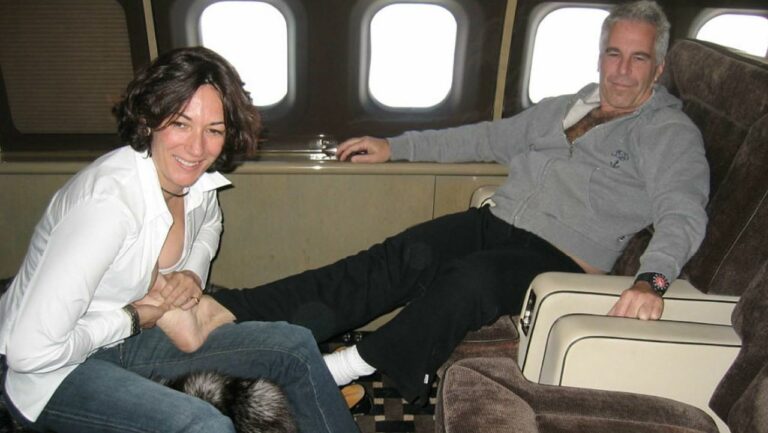
In a dramatic and politically charged escalation of the congressional investigation into the Jeffrey Epstein sex-trafficking network, the House Oversight Committee has issued subpoenas to former President Bill Clinton and former Secretary of State Hillary Clinton, ordering them to testify and provide documents related to their associations with the disgraced financier. The move marks an unprecedented demand for testimony from a former President and his spouse in a non-impeachment congressional inquiry.

The subpoenas, delivered to the Clintons on Tuesday, are part of the committee’s broader probe into Epstein’s vast web of powerful and influential friends and his alleged role as an intelligence asset. The committee’s chairman, Republican Congressman James Comer of Kentucky, stated that the subpoenas were issued after the Clintons failed to voluntarily respond to a series of previous requests for information.

“For years, President Clinton and Secretary Clinton’s relationship with Jeffrey Epstein has raised serious questions,” Comer said in a statement. “Despite numerous requests for information, they have refused to cooperate with this committee’s investigation. We will not be stonewalled. The American people deserve to know the full extent of Epstein’s network, and that includes those who occupied the highest offices in this nation.”

The subpoenas demand a wide range of documents, including flight logs for Epstein’s private jets, phone records, and email correspondence related to Epstein. The committee is particularly interested in President Clinton’s numerous flights on Epstein’s jet, dubbed the “Lolita Express,” and his frequent visits to Epstein’s private island, Little St. James. While Clinton has previously stated he was unaware of Epstein’s illicit activities and had only a few interactions with him, the committee is seeking to verify the full extent of the relationship.

The demand for Hillary Clinton’s testimony is also significant. While she is not known to have had a close personal relationship with Epstein, the committee is probing whether she had knowledge of her husband’s activities or whether any of her work as Secretary of State intersected with Epstein’s network. The committee has previously heard testimony that Epstein had connections to foreign intelligence agencies and may have used his connections to influence U.S. foreign policy.

The subpoenas immediately drew fire from the Clintons’ legal team and Democratic lawmakers. A spokesperson for Bill Clinton called the subpoenas a “politically motivated fishing expedition” designed to distract from the House’s other duties. They reiterated that President Clinton has already answered questions about his relationship with Epstein and that all his interactions were in a public, charitable context. “The only person who would benefit from this is the current occupant of the White House and his allies,” the spokesperson said, alluding to the fact that President Trump himself also had a past friendship with Epstein.

However, the House Oversight Committee has signaled its determination to follow through. The subpoenas have a firm deadline of August 23 for both testimony and document production. If the Clintons fail to comply, the committee could vote to hold them in contempt of Congress, a move that could lead to a protracted legal battle.

This unprecedented demand for testimony from a former President and First Lady is a testament to the enduring and politically charged nature of the Epstein case. For years, the secrecy surrounding Epstein’s connections to the global elite has fueled conspiracy theories and public outrage. The House’s action, while highly controversial, is a clear signal that they intend to use their full subpoena power to bring that information to light, regardless of the political fallout.

Lady Gaga and Bruno Mars Dominate MTV VMA Nominations with “Die With a Smile”

In a spectacular return to form, pop titan Lady Gaga has once again asserted her dominance over the music world, leading the pack for the 2025 MTV Video Music Awards with a staggering 12 nominations. Her collaborator, the multi-talented Bruno Mars, is hot on her heels with 11 nominations, a testament to their blockbuster duet “Die With a Smile” and Mars’ collaboration with Rosé on the hit “APT.”

The nominations, announced Tuesday, signal a new era for the VMAs, ending Taylor Swift’s two-year run as the most-nominated artist. Gaga’s nominations, largely driven by her latest album Mayhem and the “Abracadabra” and “Die With a Smile” music videos, span a wide range of categories including the night’s top honors: Video of the Year, Artist of the Year, and Best Album.

The highly anticipated “Die With a Smile” video is a frontrunner in several major categories, with nods for Video of the Year, Best Collaboration, and Best Pop. It’s a fierce competition, with the video facing off against a star-studded field that includes Kendrick Lamar’s incendiary “Not Like Us,” Billie Eilish’s “Birds of a Feather,” and Ariana Grande’s “Brighter Days Ahead.”

While Gaga and Mars are the clear frontrunners, the list of nominees is a who’s who of global music’s biggest players. Kendrick Lamar secured a strong showing with 10 nominations, followed by Rosé and Sabrina Carpenter, who are tied with eight nods each. The Weeknd and Ariana Grande each received seven nominations, while Billie Eilish garnered six.

Notably, two of music’s biggest icons, Beyoncé and Taylor Swift, are tied for the most career VMA wins with 30 each. Both artists received a single nomination this year for Artist of the Year, setting up a thrilling showdown. If either wins, they will break the tie and become the most-awarded artist in VMA history.

The 2025 VMAs, which will air live on Sunday, September 7, from the UBS Arena in New York, have also introduced two new categories: Best Pop Artist and Best Country, a move that reflects the evolving landscape of popular music. The Best Pop Artist category features an impressive lineup including Grande, Charli XCX, Justin Bieber, Lorde, Miley Cyrus, Sabrina Carpenter, and Tate McRae.

With Gaga and Mars poised for a potentially historic night and the a fierce competition across every category, the stage is set for a memorable VMA ceremony. For now, the spotlight is firmly on the dynamic duo, whose combined creative force has captivated audiences and solidified their status as two of the most influential artists of their generation.

Dozens Feared Trapped as Cloudburst Sweeps Away Village in India

A sudden and ferocious cloudburst in the Himalayan state of Uttarakhand has triggered devastating flash floods, sweeping away homes, hotels, and entire sections of a village, leaving dozens of people feared trapped under a sea of mud and debris. The disaster, which struck the Uttarkashi district on Tuesday, has prompted a massive, round-the-clock rescue operation involving the Indian Army, police, and disaster response teams.

The catastrophe unfolded in the Kheer Ganga valley, near the popular pilgrimage route to Gangotri Dham, when a cloudburst—an intense, sudden downpour over a small area—unleashed a torrent of water and sludge. Dramatic videos captured by horrified locals show a “monster landslide” and a wall of muddy water roaring down the mountain and through the village of Dharali, reducing buildings to rubble in a matter of seconds.

“The news of heavy damage caused by a cloudburst in the Dharali region is extremely sad and distressing,” said Uttarakhand Chief Minister Pushkar Singh Dhami. He confirmed that State Disaster Response Force (SDRF), National Disaster Response Force (NDRF), and Indo-Tibetan Border Police (ITBP) teams have been deployed to the affected areas.

The Nilgiris, as seen from Mudumalai National Park

Preliminary reports indicate that at least four people have been confirmed dead, but the casualty count is expected to rise. Local residents told news agencies that as many as 20 to 25 hotels and homestays may have been completely destroyed, and there are fears that 10 to 12 laborers are buried under the debris. The Indian Army, which had a camp nearby, was among the first responders, rescuing at least 15 people and supporting ongoing search efforts in the treacherous terrain.

The disaster has brought a swift response from the highest levels of the Indian government. Prime Minister Narendra Modi expressed his condolences to the affected families and said he had spoken with Chief Minister Dhami to ensure “no stone is being left unturned in providing assistance.” Union Home Minister Amit Shah also spoke with the Chief Minister, assuring him of the central government’s full support.

Rescue operations are being hampered by blocked roads and continuous heavy rainfall, as the Meteorological Department has issued a warning for more intense downpours in the hilly regions until at least August 10. The tragedy underscores the increasing vulnerability of Himalayan communities to extreme weather events, which experts say are becoming more frequent due to climate change and unplanned development in ecologically fragile zones.

As night falls, the focus remains on finding survivors in the rubble. The devastating flash floods have not only claimed lives and destroyed property but have also cut off a key pilgrimage route, leaving countless others stranded. The full extent of the damage is still being assessed, but for the devastated residents of Dharali, the path to recovery will be as long and arduous as the treacherous terrain that defines their lives.

Race for the Moon: NASA Fast-Tracks Plans for a Nuclear Reactor by 2030, Aims to Outpace Rivals

NASA is on an accelerated mission to deploy a nuclear reactor on the Moon by 2030, a project that is being fast-tracked by the Trump administration to ensure a reliable power source for long-term lunar missions and to secure America’s dominance in a new, geopolitical “space race” against Russia and China.

The ambitious initiative, detailed in a new memo from interim NASA Administrator Sean Duffy, is a significant escalation from previous plans. Duffy has called for a 100-kilowatt nuclear fission reactor, a more powerful system than earlier concepts, and has set an aggressive timeline for its deployment. The goal is to provide a continuous, sun-independent energy source that is critical for a sustained human presence on the lunar surface.

The need for a nuclear reactor is a matter of pure practicality. A lunar night lasts 14 Earth days, rendering solar power unreliable for weeks at a time. A 100-kilowatt reactor could power habitats, scientific laboratories, mining equipment, and rovers simultaneously, enabling future missions to explore and survive in permanently shadowed craters near the Moon’s south pole. These areas are believed to hold vital resources like water ice, a key to future lunar and Martian missions.

The directive comes amid growing global competition. China and Russia have announced their own plans to build a joint automated nuclear power station on the Moon by 2035. The race to be the first to establish such a power source is not just about technology; it’s about strategic advantage. As one senior NASA official told Politico, the first country to install a reactor could potentially “declare a keep-out zone” on the Moon, a move that could limit access for other nations.

Image source: picryl.com

The new plan builds upon NASA’s Fission Surface Power project, which successfully tested a smaller nuclear system in 2018. However, this accelerated timeline faces significant challenges. The Trump administration has proposed steep budget cuts to NASA, slashing its budget by nearly a quarter from $24.8 billion to $18.8 billion. This raises serious questions about how such an ambitious project will be funded without gutting other critical science programs.

Another major hurdle is the launch itself. Launching nuclear material into space requires a complex and lengthy regulatory approval process. The reactor must be compact and lightweight, and the design must be incredibly safe, as the system will need to operate for a decade without human intervention. While scientists at Lancaster University believe it is “technically possible” to meet the 2030 deadline with “enough money,” they also warn that the plans “don’t appear very joined up at the moment.”
For now, the focus is on soliciting proposals from private industry within the next 60 days to develop the reactor. The move signals a clear shift in NASA’s priorities, with a new emphasis on geopolitical goals and a drive to secure America’s strategic interests in space. While some scientists worry that a narrow focus on national interest could overshadow the bigger picture of scientific exploration, the push to land a nuclear reactor on the Moon by 2030 is a powerful statement in the new era of the space race.

Texas Republicans Vote to Arrest Democrats Who Fled State to Block Redistricting

In a dramatic escalation of a high-stakes political standoff, the Republican-controlled Texas House of Representatives has voted to authorize the civil arrest of dozens of Democratic lawmakers who fled the state in a last-ditch effort to block a controversial congressional redistricting plan. The move, which follows an order from Governor Greg Abbott, intensifies a political battle that has brought the legislative session to a grinding halt and drawn national attention.

The chaos began on Sunday when a majority of the 62 House Democrats boarded planes and departed Texas, heading to Illinois, New York, and other locations. Their strategic move, a time-honored but rarely used tactic known as “breaking quorum,” prevents the state’s 150-member House from having the two-thirds attendance required to vote on legislation.

The Republicans’ redistricting plan, which has the backing of President Donald Trump, aims to redraw congressional maps in Texas to create up to five additional GOP-leaning seats. With Republicans currently holding a narrow majority in the U.S. House of Representatives, the new map could be crucial in securing their control of the chamber in the 2026 midterm elections. Democrats argue the plan is an act of blatant gerrymandering designed to disenfranchise Black and Latino voters, and their walkout is a moral stand against a “rigged system.”

Governor Abbott swiftly responded, vowing to use “any and all measures” to compel the Democrats’ return. On Monday, he issued an order to the Texas Department of Public Safety (DPS) to “locate, arrest, and return to the House chamber any member who has abandoned their duty to Texans.” The Texas House followed suit, voting 85-6 to approve a motion for the arrests. House Speaker Dustin Burrows then directed the chamber’s sergeant-at-arms to “send for all absentees under warrant of arrest, if necessary.”

However, the legal enforceability of these warrants is a point of major contention. Legal experts say the civil warrants issued by the Texas House are only enforceable within the state’s borders. “A warrant issued by the Texas House is not effective out of the state unless another state chooses to domesticate it and enforce it under that state’s laws,” said Chad Dunn, a Texas election lawyer.

This has created a new layer of interstate political theater. Illinois Governor J.B. Pritzker, a Democrat, has already made it clear he will not cooperate with any attempts to enforce the warrants, welcoming the Texas lawmakers and vowing to “do everything we can to protect every single one of them.” New York Governor Kathy Hochul also hosted a group of the absent lawmakers, calling Abbott’s actions “un-American.”

The standoff is not unprecedented in Texas. Democrats successfully used the same quorum-breaking strategy in 2021, when they fled to Washington, D.C., to block Republican-backed voting restrictions. While they initially succeeded, Republicans later passed the measures during a subsequent special session. The Texas Supreme Court at the time affirmed the House’s power to “physically compel the attendance” of missing members, but no one was forcibly returned.

Beyond the redistricting fight, the standoff has stalled other key legislation, including a disaster relief bill for recent floods and a measure on property tax relief. Governor Abbott has criticized the Democrats for “holding hostage critical legislation,” while Democrats accuse Republicans of prioritizing a partisan power grab over the immediate needs of their constituents.


For now, the missing Democrats have vowed to remain out of state, facing daily $500 fines but remaining resolute in their mission to deny a quorum until the special legislative session, called by Abbott, expires. The political spectacle is a stark reminder of the deep divisions and high stakes of a new era of American politics, where even legislative procedures can become grounds for arrest and constitutional crises.

Nations Convene in Geneva for a Deal on the Global Plastic Crisis

The world’s leading nations and environmental advocates are gathering in Geneva this week for what many are calling a “final opportunity” to forge a landmark, legally binding treaty to end the spiraling global plastic crisis. The 10-day meeting marks the resumption of the fifth and final session of the UN’s Intergovernmental Negotiating Committee (INC), with a mandate to finalize an agreement by the end of the year.

The stakes could not be higher. The United Nations warns that without urgent and decisive action, the amount of plastic waste leaking into aquatic ecosystems, currently estimated at between 19 million and 23 million tons annually, could increase by 50% by 2040. Plastic pollution is not only choking our oceans and rivers but is also a direct threat to biodiversity, human health, and the livelihoods of vulnerable communities.

“We are facing a global crisis. Plastic pollution is damaging ecosystems, polluting our oceans and rivers, threatening biodiversity, harming human health, and unfairly impacting the most vulnerable,” said Luis Vayas Valdivieso, the Ecuadorian diplomat chairing the talks. “The urgency is real, the evidence is clear, and the responsibility is on us.”

The central and most contentious issue on the table is whether the treaty will include legally binding limits on plastic production. A powerful coalition of nearly 100 countries, including the European Union and many small island nations, are pushing for an ambitious agreement that would cap production and phase out harmful chemicals. They argue that a focus solely on recycling and waste management is a “politically convenient but environmentally ineffective” approach that fails to address the root of the problem: overproduction.

This push is being met with firm resistance from a bloc of plastic-producing and oil and gas-producing nations, led by countries like Saudi Arabia and Russia. This group, which has stalled previous negotiations, insists the problem lies in “poor waste management” and that there should be no problem with producing plastic as long as the world addresses pollution.

However, the tide may be turning. A growing number of major companies, including Walmart, Coca-Cola, and PepsiCo, have joined the “Business Coalition for a Global Plastics Treaty” and are now advocating for a binding treaty with global rules. They argue that a unified international approach would spare them the logistical and regulatory headaches of navigating differing rules in different countries.

Beyond the production debate, negotiators are tackling a range of other critical issues, including:

  • Product Design: The treaty aims to redesign plastic products to be more recyclable and reusable.
  • Chemicals: A key focus is to eliminate toxic chemicals and additives used in plastic products.
  • Financial Mechanisms: The developing countries, in particular, are calling for a dedicated, standalone multilateral fund to help them transition to a plastic-free future.
  • Waste Management: While not the sole focus, the treaty will include provisions to improve waste collection and recycling infrastructure globally.

The negotiations have been a long and arduous process, with sessions in Uruguay, France, Kenya, Canada, and Busan, South Korea. The last session in Busan ended in an impasse, but diplomats are hopeful that behind-the-scenes work has generated new momentum.

For the world, the meeting in Geneva represents a pivotal moment. The medical community has also weighed in, with a recent report in The Lancet medical journal warning that plastic pollution is a “grave, growing and under-recognised danger” to health, costing the world trillions in health-related economic losses.

As delegates from nearly 180 countries pore over the draft text, the pressure is on to deliver a treaty that is not only legally binding but also robust enough to confront a crisis that has left microplastics on the highest mountain peaks and in the deepest ocean trenches. The world is watching to see if diplomacy can succeed where recycling bins have failed.

How to Spot a Genuine Labubu from a Dangerous “Lafufu” Fake

In the global craze for the collectible Labubu toys, a sinister and dangerous black market has emerged, flooding the market with low-quality and often unsafe fakes affectionately dubbed “Lafufus.” With authentic versions selling out in seconds and commanding high prices on the secondary market, the allure of a cheap alternative is strong, but consumer protection agencies are issuing urgent warnings: these counterfeits pose serious health and safety risks.

While some TikTok users have embraced the irony of their “Lafufu” knock-offs, the reality is far from amusing. Trading standards officers are confiscating thousands of these fakes, warning that they can contain toxic chemicals and have small parts that detach easily, creating a severe choking hazard for children. To protect yourself and your family, it’s essential to know the key differences between the real deal and a dangerous counterfeit.

Here is a guide to spotting an authentic Labubu:

1. The Packaging: It’s All in the Details

  • Real Labubu: The official Pop Mart packaging has a matte finish and a smooth texture. The colors are typically muted and pastel. The box should also feature a holographic sticker with the Pop Mart logo and a clean, sharp QR code. On the back, the trash can symbol has an arrow with rounded corners.
  • Fake Lafufu: Counterfeit boxes are often shiny and glossy, with vibrant or off-tone colors. The logos may be blurry or misspelled, and the QR codes might lead to suspicious or broken links. The trash can symbol on the back often has square corners.

2. The Face and Features: A Flawless Grin vs. a Sloppy Smile

  • Real Labubu: The face is a pale, peachy color with a smooth, matte finish. The eyes are glossy and well-defined, and the blush is softly airbrushed. Crucially, a genuine Labubu has exactly nine pointy teeth. Each tooth is distinct, with a clear gap between it and the next.
  • Fake Lafufu: Fakes often have faces that are a brighter orange, pink, or yellow with a sloppy, unpolished paint job. The blush may be harsh and circular. The teeth count is a major red flag—Lafufus may have more or fewer than nine teeth, or the teeth might be poorly painted and run together in a blob. The eyes may be flat, lacking gloss and detail.

3. The Materials: From Soft to Scratchy

  • Real Labubu: An authentic Labubu plush toy has soft, fluffy, and dense fur with seamless stitching that blends into the vinyl face. The limbs are flexible, and the material has a high-quality feel.
  • Fake Lafufu: Fakes often have coarse, cheap, or patchy fur with visible stitching and frayed threads. The parts may feel hard and plasticky, and sometimes the toys even emit a strange chemical smell.

4. The Authenticity Stamp: The Hidden UV Mark

  • Real Labubu: Newer models, particularly those released in late 2023 and beyond, include a secret UV-activated stamp on the bottom of the right foot. When you shine a UV or blacklight on it, a silhouette of the specific Labubu design should appear.
  • Fake Lafufu: Counterfeits typically lack this stamp entirely, or if they have one, it may be a blurry blob or an incorrect image for that particular figure.

5. The Price: A Bargain Is a Major Warning

  • Real Labubu: The price of a genuine Labubu is typically consistent with its rarity and the official retail price. Due to high demand, they often sell out instantly and can be expensive on the secondary market.
  • Fake Lafufu: If the price seems “too good to be true,” it almost certainly is. A significantly discounted Labubu from an unverified online seller or market stall is a major red flag for a fake.

The criminal networks behind these “Lafufu” fakes are capitalizing on the viral trend and consumer demand. By bypassing all safety regulations and quality control, they are putting children at risk. The message from consumer watchdogs is clear: the charm of a cheaper alternative is not worth the serious safety risks that these counterfeit toys pose.

Evyatar David: Family Condemns Hamas Video of Starved Israeli Hostage

The family of Israeli hostage Evyatar David has issued a harrowing condemnation of a propaganda video released by Hamas, in which the 24-year-old appears severely emaciated and is forced to dig what he calls his “own grave” in a Gaza tunnel. The family, who approved the release of the disturbing footage, described their son as “a living skeleton, buried alive” and accused Hamas of “deliberately and cynically starving” him for psychological warfare.

The nearly five-minute video, which was widely circulated on social media, shows David, kidnapped from the Nova music festival on October 7, 2023, looking skeletal and weak. His ribs are clearly visible through his gaunt frame as he speaks faintly to the camera, detailing the inhumane conditions of his captivity. “I haven’t eaten for days,” he says at one point, “I barely get drinking water.” He describes a diet of beans and lentils, and recounts going for days without any food at all.

In the most chilling part of the clip, a visibly weak David is shown holding a shovel, digging a hollow area in the sandy floor of the tunnel. “Here I am digging my own grave,” he says, with the video ending with the message: “Only a ceasefire agreement will bring them (the hostages) back.”

The David family, in a powerful statement, said they were forced to release the video to the public to highlight the desperate urgency of their son’s condition. “Our son has only a few days left to live in his current condition,” they said. “Hamas is using our son, Evyatar, as a living experiment in a disgusting hunger campaign.” They demanded that humanitarian aid entering Gaza also reach their son, a call that has been echoed by protestors and international bodies.

The video has sent a wave of shock and anger through Israel, intensifying public pressure on the government to secure the release of all remaining hostages. The release of the video follows a recent visit by U.S. special envoy Steve Witkoff to Israel, where he met with hostage families. Prime Minister Benjamin Netanyahu’s office confirmed that he spoke with David’s family and expressed his “profound shock” over the footage, while reiterating that efforts to return all hostages are “ongoing, and will continue constantly and relentlessly.”

Hamas has reportedly used the video to draw a false equivalency between the hostages’ conditions and the dire humanitarian crisis in Gaza, where a UN-backed report has warned that “famine is now playing out.” This tactic, however, has been fiercely rejected by officials and former hostages. Former captive Tal Shoham, who was held with David in the same tunnel, revealed that Hamas terrorists had air conditioning, cable TV, and “plenty of food” stolen from aid deliveries, while the hostages starved.

The video is the latest in a series of psychological tactics employed by Hamas, which has also released harrowing footage of other hostages in recent days. For the families of the approximately 20 remaining living hostages, the images serve as a painful, visceral reminder of the passage of time and the deteriorating health of their loved ones. The David family’s plea is now a global one, a desperate cry for their son’s life that has brought the human cost of the ongoing conflict into stark and horrifying relief.

“Lafufus” and Lethal Fakes: Criminals Cash in on Labubu Craze, Threatening Kids with Dangerous Counterfeits

The viral “Labubu” toy, a snaggle-toothed, elf-like creature that has taken TikTok and celebrity culture by storm, is at the center of a new, dangerous trend: a global flood of counterfeit versions that are a severe public safety risk. Law enforcement and consumer protection agencies across the UK are now seizing thousands of these “Lafufu” fakes, warning that they are a dangerous choking hazard for children and may contain toxic materials.

What began as a niche collectible from Chinese company Pop Mart, with its limited-edition “blind boxes” and celebrity endorsements from the likes of Blackpink’s Lisa and Dua Lipa, has become a multi-million-pound black market target for criminals. The toys’ scarcity, with authentic versions often selling out in seconds online and fetching hundreds of pounds on the secondary market, has created a fertile ground for a wave of low-cost, dangerous knock-offs.

Recent raids on industrial estates and warehouses in the London area have uncovered “millions of pounds worth” of fake Labubus, with authorities confirming the existence of a highly organized counterfeit network. The rush to capitalize on the trend has led to a complete disregard for safety standards. “These [counterfeit] products lack the necessary safety testing and small parts can become loose, posing a choking hazard to young children,” said Cllr Hamid Khurram of Bolton Council’s Regulatory Services, which has been at the forefront of recent seizures.

The dangers of these “Lafufu” fakes are not just theoretical. Trading standards officers have been issuing urgent warnings after discovering that the counterfeit dolls are of poor quality, with eyes, hands, and feet that easily detach. The stitching is often loose, exposing the filling inside, which can also pose a choking hazard. In a stark demonstration, officers have used a plastic tube shaped like a child’s throat to show how easily the detached parts can cause a blockage.

“It’s in the interests of these criminal organizations to respond quickly to trends to maximize it, to get on the back of it and make the most money that they possibly can,” said a spokesperson for the Intellectual Property Office, adding that the fakes “could be made from anything.” This includes a disturbing possibility of toxic plastics and banned chemicals that have been linked to cancers in other counterfeit toy cases.

For many parents, the temptation of a cheaper alternative is hard to resist, especially as their children are swept up in the TikTok craze. One mother from Caerphilly admitted to purchasing fakes for her son’s birthday after being unable to justify the price of the authentic versions. Just hours after receiving the gift, the keyring came off, followed by parts of the toy’s feet a few days later.

While some TikTok users have embraced the “Lafufu” trend with ironic humor, creating content about their comical, low-quality fakes, consumer protection agencies and local councils are not laughing. They are urging parents and collectors to be vigilant, looking for key signs of a fake:

  • Packaging: Counterfeit boxes are often shiny and vibrant, with blurry logos, in contrast to the matte finish and muted colors of authentic products.
  • Safety Marks: Genuine toys are legally required to have a CE or UKCA safety mark and the name of a UK or EU-based supplier. Fakes often lack these labels entirely.
  • Price: If the price seems “too good to be true,” it almost certainly is. The scarcity of authentic Labubus means cheap versions are a major red flag.
  • Quality: Fakes often have sloppy paint jobs, cheap fur, and loose parts. The eyes may be poorly glued, and the teeth might have incorrect spacing.

As the “Lafufu” black market continues to thrive on the back of the viral Labubu trend, authorities are working to dismantle the criminal networks behind it. The message to consumers is clear: the lure of a bargain online or from an unverified seller is not worth the serious safety risks these dangerous fakes pose.

Ukrainian Officials Arrested in Major Military Drone Procurement Scandal

Ukraine’s anti-corruption agencies have arrested a member of parliament and several other officials in a “large-scale corruption scheme” involving the procurement of military drones and electronic warfare systems, a development that strikes at the heart of the country’s war effort and its pledge to stamp out systemic graft. The arrests come just days after the agencies regained their independence following a major political battle that led to widespread protests.

The National Anti-Corruption Bureau of Ukraine (NABU) and the Specialised Anti-Corruption Prosecutor’s Office (SAPO) announced on Saturday that they had exposed a scheme to systematically embezzle public funds. According to a joint statement, the officials allegedly orchestrated a plot to sign state contracts with suppliers at deliberately inflated prices, receiving kickbacks of up to 30% of the contract’s value. The investigation revealed that this criminal group had been operating since at least 2024, siphoning off funds desperately needed for the country’s defense.

Among the four people arrested are a sitting lawmaker, two heads of local government administrations, and several National Guard personnel. While the agencies did not officially name the suspects, Ukrainian media outlets have identified the MP as Oleksii Kuznietsov, a member of President Volodymyr Zelenskyy’s “Servant of the People” party, and one of the local officials as former Luhansk governor Serhii Haidai. The Ministry of Internal Affairs has already suspended the National Guard service members involved and launched an internal investigation.

The timing of this announcement is particularly significant. Just last week, President Zelenskyy’s government faced a rare, unified public backlash for attempting to strip the anti-corruption agencies of their independence, a move that critics feared would cripple the fight against graft and jeopardize Ukraine’s bid for European Union membership. Following the largest anti-government protests since the war began, Zelenskyy performed a stunning political U-turn and signed a new bill restoring the agencies’ autonomy.

Image source: picryl.com

In a statement on his Telegram channel, President Zelenskyy thanked the anti-corruption agencies for their work and reaffirmed his commitment to the fight against corruption, writing, “There can only be zero tolerance for corruption, clear teamwork to expose corruption and, as a result, a just sentence.”

The new arrests serve as a powerful first demonstration of the renewed strength and independence of the anti-corruption bodies. The case underscores the persistent and difficult challenge Ukraine faces in rooting out corruption, even as it fights a brutal war. It highlights a painful paradox: while the nation’s military is celebrated for its bravery on the battlefield, some officials are allegedly profiting from the very needs of the frontline.

For Ukraine’s Western allies, who have provided billions of dollars in military and financial aid, the swift action against corruption is a welcome, though sobering, sign. Transparency and accountability are key requirements for continued international support and for the nation’s eventual integration into the European Union. As the investigation continues, the focus will be on ensuring that all those involved are held to account, sending a clear message that wartime profiteering will not be tolerated.

Dua Lipa Granted Kosovo Citizenship in Emotional Ceremony

Global superstar Dua Lipa was officially granted citizenship of Kosovo on Thursday, in an emotional ceremony that solidified her deep ties to her ancestral homeland. The pop icon, born in London to Kosovar Albanian parents, accepted the honor with a heartfelt tribute from a local children’s choir and a powerful message about the “completion” of her dual identity.

Kosovo President Vjosa Osmani announced the news on X, stating, “Welcome back home, Dua!” and praising the singer as “one of the most iconic cultural and artistic personalities in our country’s history.” In her post, President Osmani underscored Lipa’s role as a cultural ambassador, writing, “From the world’s biggest stages to the hearts of millions, she’s carried our story with strength, pride, and grace.”

The citizenship, granted by presidential decree, comes as a symbol of gratitude for Lipa’s unwavering efforts to promote Kosovo on the world stage. The 29-year-old singer has long embraced her heritage, co-founding the Sunny Hill Festival with her father in 2018 to celebrate Kosovan culture and challenge global perceptions of the country. Her advocacy extends beyond music; she has been a consistent voice for youth empowerment, visa liberalization, and the international recognition of Kosovo.

Dua Lipa, who previously received Albanian citizenship in 2022, now holds citizenship in both of her ancestral homelands. The artist, who moved back to Pristina with her family for a time when she was 11, has often spoken of her strong connection to the region. At the ceremony, a visibly moved Lipa expressed her gratitude, saying the citizenship “completes the duality I have always had within. I love this country and this means so much to me and my family.”

The ceremony was a deeply personal affair, marked by an adorable performance from a children’s choir that sang her hit song “Levitating,” much to the delight of the pop star. The British Ambassador to Kosovo, Jonathan Hargreaves, was also in attendance, describing Lipa as “one of our own” in both the UK and Kosovo, and celebrating the “extraordinary British-Kosovar talent.”

The granting of citizenship to a figure of Dua Lipa’s global stature is a significant diplomatic and cultural moment for Kosovo, a nation that declared independence from Serbia in 2008. While recognized by many Western countries, its statehood remains a point of contention with Serbia and its allies, including Russia. Lipa’s global platform provides a powerful, non-political voice for the nation’s identity and its vibrant culture.

As the Sunny Hill Festival kicks off in Pristina, with Lipa headlining the opening night, the celebration feels all the more significant. The newly minted Kosovan citizen is not just a performer on the world stage; she is a symbol of a nation’s pride, a testament to the power of cultural identity, and a beloved daughter who has officially come home.

Trump Fires Jobs Data Chief as Tariffs Rattle Markets and Jobs Report Disappoints

President Donald Trump today fired Erika McEntarfer, the head of the Bureau of Labor Statistics (BLS), just hours after a new jobs report showed a dramatic slowdown in hiring, a development that rattled global markets and fueled concerns about the economic impact of the administration’s new, sweeping tariffs. In a stunning move that has been widely condemned by economists and a bipartisan group of former officials, Trump accused McEntarfer, a holdover from the previous administration, of rigging the data for political purposes.

The July employment report, released this morning, was a significant disappointment. The BLS reported that the U.S. economy added just 73,000 jobs last month, far below analyst expectations. Compounding the bad news, the agency made significant downward revisions to the May and June numbers, revealing that 258,000 fewer jobs were created in those two months than had been previously estimated.

President Trump, in a post on his social media platform, responded with swift and unprecedented action. He claimed without evidence that the jobs numbers were “RIGGED” to make him look bad and that McEntarfer, who was appointed by his predecessor, was a “Biden Political Appointee” who should be immediately fired. Labor Secretary Lori Chavez-DeRemer later confirmed on X that McEntarfer was no longer leading the bureau.

The charge of data manipulation is a highly explosive one that strikes at the heart of the U.S. government’s economic data, long considered the “gold standard” of global economic measurement. Economists, Wall Street investors, and policymakers have for decades relied on this data as being free from political interference.

Image source: Wikimedia Commons

McEntarfer’s removal was met with a chorus of condemnation. A group calling itself “Friends of BLS,” which includes two former BLS commissioners (one appointed by Trump in his first term), issued a statement calling the rationale for the firing “without merit.” The group stated that the move “undermines the credibility of federal economic statistics that are a cornerstone of intelligent economic decision-making.”

The weak jobs report and the firing of the BLS chief came on a day when markets were already in turmoil. Wall Street had its worst day since May, with the S&P 500, Dow Jones Industrial Average, and Nasdaq all experiencing sharp drops. Analysts pointed to a “one-two punch” of the dismal jobs data and the economic uncertainty created by the administration’s new tariff policy, which recently imposed steep duties on imports from dozens of countries and trading blocs.

Economists have suggested that the slowing job growth and increasing inflation could be a direct result of these tariffs, which raise the cost of imported goods and create uncertainty for businesses, prompting them to slow hiring and investment. Morgan Stanley’s chief economic strategist, Ellen Zentner, noted that what “had looked like a Teflon labor market showed some scratches this morning, as tariffs continue to work their way through the economy.”

While the administration has argued that its policies are designed to protect American jobs and manufacturing, the immediate impact, according to analysts, appears to be a weakening economy and market volatility. The firing of the official responsible for the data that measures this economic health only adds a new and dangerous layer of uncertainty, threatening to erode trust in core American institutions and the very facts used to understand the nation’s economic condition.