Saturday, December 6, 2025
Home Blog Page 13

UN Report Finds North Korea Executing More Citizens for Watching Foreign Films

In a chilling new report, the United Nations has found that North Korea is executing an increasing number of its citizens for the act of watching and distributing foreign films and TV shows, a stark escalation of the regime’s efforts to isolate its people from the outside world. The report, which is based on interviews with over 300 escapees, paints a grim picture of a nation where even a glimpse of foreign culture is a capital offense.

The UN Human Rights Office concluded that North Korea is more repressive and isolated than at any time in its recent history. The report notes that new laws introduced since 2015 allow for severe punishments, including the death penalty, for acts such as sharing foreign media. The UN’s head of office working on DPRK, James Heenan, stated that they have “credible evidence that individuals have been executed” for distributing foreign content. Witnesses recounted being forced to attend public trials and executions designed to instill fear and deter dissent. The report describes the government’s crackdown as a way “to block the people’s eyes and ears” and to eliminate “even the smallest signs of dissatisfaction or complaint.”

North Korea Kim Jong Un

This extreme measure is a testament to the regime’s fear of the ideological threat posed by outside information. South Korean dramas, with their portrayals of wealth, freedom, and everyday life, are particularly feared, as they directly contradict state propaganda that claims South Korea is a poor and subjugated nation. The UN report found that mass surveillance has become more widespread, with technology being used to monitor citizens in all parts of their lives.

Despite these findings, North Korea continues to reject the UN’s human rights resolutions. The report reminds the international community of its obligation to hold the regime accountable for international crimes, including the use of torture, forced labor, and forced disappearances. It is a powerful reminder that while the world is consumed by global conflicts, a forgotten population remains subjected to what the UN Human Rights Chief Volker Türk called a decade of “suffering, brutal repression, and fear.”

Charlie Kirk Assassination: FBI Seeks Public’s Help and Offers $100K Reward

The Federal Bureau of Investigation (FBI) has released images of a “person of interest” and is offering a substantial reward of up to $100,000 for information leading to the identification and arrest of the individual responsible for the fatal shooting of conservative activist Charlie Kirk. The images, which depict a person in a baseball cap, sunglasses, and a black long-sleeved shirt, were released as the manhunt intensifies following Wednesday’s targeted killing.

Charlie Kirk assassination

The shooting took place at Utah Valley University, where Kirk, the 31-year-old co-founder of Turning Point USA, was addressing a crowd of an estimated 3,000 people. The Utah Department of Public Safety and the FBI have confirmed that a single shot was fired from a distant rooftop, striking Kirk and causing a scene of chaos and panic among attendees. Authorities believe the shooter, who is described as appearing to be “of college age,” blended in with the crowd and fled on foot after jumping from the building. Investigators have since recovered a high-powered, bolt-action rifle believed to be the murder weapon, and are analyzing additional forensic evidence, including footwear and palm prints.

The investigation, which has been labeled a “targeted event” by the FBI, has already seen two other individuals taken into custody and subsequently released after they were cleared of any connection to the crime. As the search for the shooter continues, Utah Governor Spencer Cox has publicly called the killing a “political assassination.” The case has drawn national attention, with President Donald Trump announcing that he will posthumously award Kirk the Presidential Medal of Freedom.

The FBI is urging anyone with information about the person in the images to contact their tip line.

The video below shows a news report on the shooting and the ongoing investigation.

A Reckoning for Brazil’s Democracy: Court Convicts Ex-President Bolsonaro of Plotting Coup

In a historic verdict that signals a legal and political reckoning for the far-right movement, Brazil’s Supreme Court has convicted former President Jair Bolsonaro of masterminding a coup plot to remain in power after his 2022 electoral defeat. The 3-1 vote by a five-justice panel marks the first time a former Brazilian president has been found guilty of attempting to subvert the nation’s democracy, a verdict that could lead to decades in prison.

The conviction is a culmination of a years-long investigation led by Supreme Court Justice Alexandre de Moraes, who has long been a target of Bolsonaro’s ire. In his five-hour opening statement, Moraes laid out a detailed timeline of a “criminal organization” led by the former president. Prosecutors argued that the plot, which began in 2021, involved a widespread campaign to delegitimize Brazil’s electronic voting system and included a plan to assassinate Supreme Court justices and President Luiz Inácio Lula da Silva.

The evidence presented was overwhelming. It included video recordings of meetings where Bolsonaro discussed the plot with top military officials, a draft of a presidential decree to suspend the results of the 2022 election, and testimony from key allies. Justice Cármen Lúcia, who cast the deciding third vote, said she was convinced that Bolsonaro was the “instigator, the leader of an organization that orchestrated every possible move to maintain or seize power.”

The verdict comes after an intense and politically charged trial. One judge, Luiz Fux, voted to acquit Bolsonaro, arguing that the prosecution had failed to prove the former president’s guilt “beyond a reasonable doubt.” Bolsonaro has consistently denied any wrongdoing, claiming the trial is a “witch hunt” aimed at preventing him from running for office again. He did not attend the proceedings, which have been underway for more than a week.

The conviction sends a powerful message that no one is above the law. However, the legal battle is far from over. Bolsonaro, who is already barred from running for office until 2030 in a separate case, is expected to appeal the verdict to the full 11-member Supreme Court. His conviction also deepens the political divisions in a country still recovering from the January 8, 2023 riots, when his supporters ransacked government buildings to protest the election results.

The verdict may embolden Lula’s government, but it also increases the pressure on a deeply polarized nation. For supporters of Brazilian democracy, the verdict is a long-awaited victory. For Bolsonaro’s fervent base, it is yet another sign of a corrupt establishment persecuting their leader, ensuring that the political turmoil in Brazil is likely to continue for the foreseeable future.

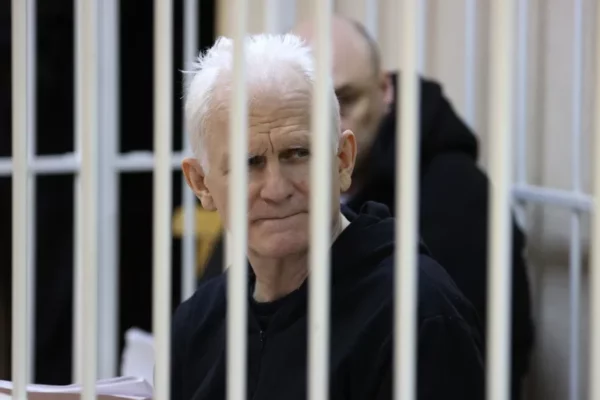
Belarus Frees Political Prisoners in Exchange for U.S. Sanctions Relief

In a dramatic diplomatic maneuver, Belarus has freed 52 political prisoners in what appears to be a direct exchange for the easing of U.S. sanctions on the country’s national airline. The release, hailed by the Trump administration as a major humanitarian breakthrough, is seen by many as a calculated move by authoritarian President Alexander Lukashenko to repair ties with the West while remaining firmly aligned with Moscow.

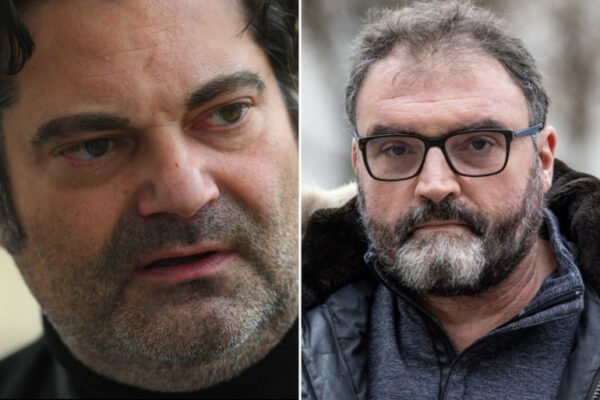
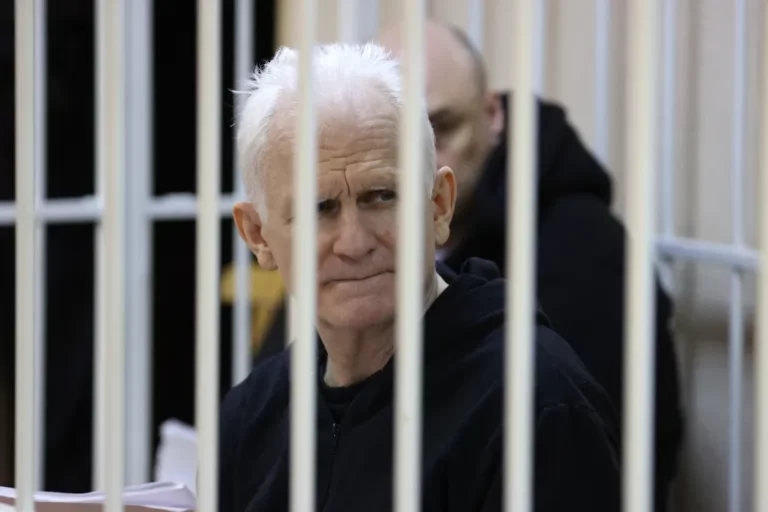
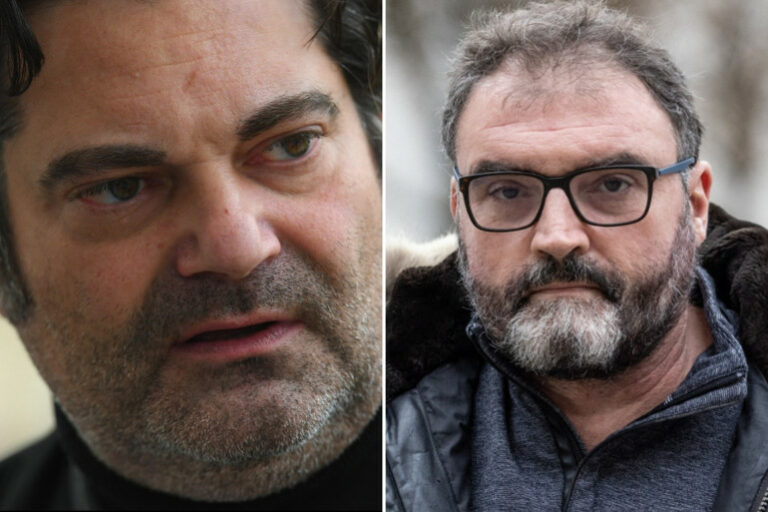
The prisoner release, one of the largest in Lukashenko’s decades-long rule, was negotiated after a visit to Minsk by a U.S. delegation led by Trump envoy John Coale. Among those freed were 14 foreign nationals, including a British citizen and a French national, as well as high-profile Belarusian dissidents who have been jailed since Lukashenko’s brutal crackdown on pro-democracy protests in 2020. They include philosopher Vladimir Matskevich and veteran opposition figure Mikola Statkevich, who was a presidential candidate in 2010.

In return, the United States has lifted some sanctions on Belavia, Belarus’s state-owned national carrier. The relief will allow the airline to service and buy parts for its fleet of Boeing aircraft. Belavia had been under U.S. sanctions since 2021 after Belarusian authorities forced a commercial airliner to land in Minsk to arrest a dissident journalist on board.

Photo AP

The deal, which President Trump described as a “big deal,” has been welcomed by some but viewed with deep skepticism by Belarusian opposition leaders. Sviatlana Tsikhanouskaya, the exiled leader of the Belarusian opposition, thanked the U.S. for its efforts but warned that the release of 52 prisoners represents only a fraction—around 4 percent—of the more than 1,200 political prisoners still believed to be in Belarusian jails.

“This is a trade in human lives, people who should never have been imprisoned in the first place,” Tsikhanouskaya said. She has urged the international community to maintain pressure on Minsk until all political prisoners are released and systemic democratic changes are made.

The deal marks a significant moment for Lukashenko, who has been widely shunned by the West for his relentless repression and for his staunch support of Russia’s war on Ukraine. The move, analysts say, is a clear attempt to capitalize on President Trump’s desire to end the conflict in Ukraine by positioning himself as a mediator between Washington and Moscow. It comes just a day after Poland shot down what it called Russian drones over its territory and on the eve of major joint military exercises between the Russian and Belarusian armed forces.

The White House, which has confirmed its desire to reopen the U.S. embassy in Minsk, has cast the prisoner release as a sign of “constructive engagement.” However, the stark reality remains: for every prisoner released in this diplomatic exchange, a dozen more remain behind barbed wire, leaving a long and uncertain road ahead for those who seek true freedom in Belarus.

Charlie Kirk Shooting: How a ‘Prove Me Wrong’ Debate Ended in an Assassination

0

It was a moment of dialogue that ended in bloodshed. On Wednesday afternoon, Charlie Kirk, the 31-year-old founder of Turning Point USA, was seated at a table under a white tent on the campus of Utah Valley University, engaged in his signature “Prove Me Wrong” debate with students. Surrounded by his private security and local police, he was a little over 20 minutes into the event when the world changed.

At approximately 12:20 p.m. MDT, a single shot rang out. The bullet, fired from an elevated position on the roof of the university’s Losee Center, struck Kirk in the neck. Eyewitnesses described a chilling and chaotic scene. In videos that have since been widely circulated online, Kirk is seen clutching his neck as blood gushes from the wound, before he slumps in his chair. The crowd of approximately 3,000 attendees, which included his family, erupted in screams, with many ducking for cover or running in panic.

Charlie Kirk shot dead

Within moments, Kirk’s security detail and staff members rushed him from the stage, placing him in a vehicle and transporting him to a local hospital. Despite their swift actions and the efforts of doctors, Kirk was pronounced dead.

The search for the killer began immediately. The campus was placed on lockdown as police and the FBI converged on the scene. Police confirmed a high-powered rifle was used, and later located a Mauser .30-caliber bolt-action rifle hidden in a towel in a wooded area near the campus, along with a spent cartridge and three additional rounds. Authorities have released photos of a “person of interest” and are offering a $100,000 reward for information. Two people were detained in the immediate aftermath, but were later released after it was determined they had no connection to the crime.

The shocking assassination has prompted a national conversation about political violence. It has also left a nation mourning a young, influential voice, and a university grappling with the reality of an attack that shattered its commitment to open discourse.

Charlie Kirk Killing: A Rifle Found, But The Killer Vanishes After Trump Ally’s Assassination

The manhunt for the gunman who assassinated conservative activist Charlie Kirk intensified Thursday as investigators revealed they have recovered the high-powered rifle believed to have been used in the fatal shooting, but acknowledged the killer remains at large. The discovery of the weapon, a Mauser .30-caliber bolt-action rifle, offers a crucial lead in a case that has sent shockwaves through the nation and underscored the escalating threat of political violence.

The rifle was found hidden in a towel in a wooded area near the Utah Valley University campus, along a path authorities believe the shooter used to flee after the Wednesday afternoon attack. Investigators also recovered a spent cartridge in the chamber and found three additional rounds in the magazine, providing critical forensic evidence that could help identify the suspect. FBI officials said they are also analyzing a palm print and shoe impression found near the scene.

Despite the discovery of the weapon, key questions remain unanswered. Authorities have yet to identify the gunman and have released two photos of a “person of interest” in a public appeal for information, offering a $100,000 reward. Beau Mason, the commissioner of the Utah Department of Public Safety, told reporters that the suspect “appears to be of college age” and was able to “blend in” with the thousands of people who attended the event, which may have complicated initial identification efforts.

The brazen, long-range assassination of Kirk, a prominent ally of President Donald Trump, was captured on gruesome videos that have circulated widely on social media. The attack occurred while Kirk was participating in an open-air debate on gun violence, a tragic irony that has been noted by many political commentators.

The political world is still reeling from the shock. President Trump was one of the first to confirm Kirk’s death and has since ordered all U.S. flags to be lowered to half-mast in a mark of respect. “This is a dark day for our state. It’s a tragic day for our nation,” said Utah Governor Spencer Cox. “I want to be very clear this is a political assassination.”

The ongoing search for the killer has put a somber focus on the vulnerability of public figures and the rising tide of political rage. Authorities have urged the public to remain vigilant, as a killer remains on the loose and the motive for the attack is still unknown. The discovery of the rifle is a major step, but it marks the beginning, not the end, of the hunt for a man who forever changed the landscape of American political debate.

This video provides an update from law enforcement officials on the manhunt for the suspect.

Trump Ally Charlie Kirk Killed in Utah Campus Shooting

In a moment of chilling and unsparing violence that has sent shockwaves through the nation, Charlie Kirk, a cornerstone of the conservative youth movement and a close ally of President Donald Trump, was shot and killed Wednesday while speaking at a university event in Utah. The 31-year-old founder of Turning Point USA was fatally struck by a single shot from a distance, an attack that drew swift and profound condemnation from leaders across the political spectrum.

The fatal attack occurred on the campus of Utah Valley University during a “Prove Me Wrong” debate, a trademark event where Kirk challenged students on their political and cultural views. Eyewitness video shows a single shot ringing out as Kirk sits under a tent, engaging an audience member in a question about gun violence. He is seen jerking back, a visible gush of blood appearing on his neck before he slumps in his chair as a crowd of students screams and disperses in panic.

The death was confirmed by President Trump himself, who posted on his Truth Social platform that the “Great, and even Legendary, Charlie Kirk, is dead.” In a further mark of respect, President Trump has ordered all American flags to be lowered to half-mast.

Law enforcement officials have confirmed that the suspected gunman is still at large, with initial reports of an arrest proving to be incorrect. The manhunt has turned a peaceful campus into a lockdown zone and a site of tragedy.

Kirk’s death marks a grim turning point in a nation increasingly roiled by political violence. His organization, Turning Point USA, became a powerful force in conservative politics by engaging young people on college campuses, often in heated and confrontational debates. His rallies were a frequent target of protest, but the violence that occurred today goes beyond protest and into the territory of targeted assassination.

Leaders from both sides of the aisle, including House Speaker Mike Johnson and House Minority Leader Hakeem Jeffries, have released statements denouncing the violence and calling for prayers. “There is no place in our country for political violence. Period, full stop,” said Senator John Thune, the Republican leader. “Please join me in praying for Charlie Kirk.”

As the FBI joins the investigation and the search for the shooter intensifies, the political world is left grappling with the reality of an ideological war that has become a physical one. The attack on Charlie Kirk, a man who built his career on debate and provocation, serves as a sobering testament to the rising fever of political rage—and a chilling sign that for a new generation of activists, the fight may now be for their lives.

In New Memoir, Harris Calls Biden’s Re-election Bid a Mistake That Cost Democrats the Presidency

In a searing and unprecedented act of public candor, former Vice President Kamala Harris has called former President Joe Biden’s decision to seek re-election “recklessness” in her new memoir, a blistering critique that shatters the facade of unity within the Democratic Party and offers a scathing insider’s account of the administration’s final months.

In excerpts from the book, 107 Days, published by The Atlantic, Harris directly addresses the most persistent question of the 2024 campaign: why the party’s leaders allowed an 81-year-old president to run for a second term despite mounting public and private concerns.

“Was it grace, or was it recklessness?” Harris writes of the decision, which she says was left to Biden and his wife, Jill. “In retrospect, I think it was recklessness. The stakes were simply too high. This wasn’t a choice that should have been left to an individual’s ego, an individual’s ambition. It should have been more than a personal decision.”

The revelations are the most unsparing yet from a former member of the Biden administration and go far beyond a simple political post-mortem. Harris claims she was in an impossible position to offer advice, fearing her counsel would be seen as “naked ambition” and “poisonous disloyalty.” She portrays a White House that was almost hypnotized by a mantra that the decision was “Joe and Jill’s alone,” a collective silence that ultimately led to the Democratic Party’s most devastating loss in a generation.

Kamala Harris Joe Biden
Image source: Wikimedia Commons

The memoir, set to be released on September 23, also paints a picture of a strained relationship between the vice president and her boss’s team. Harris writes that she felt sidelined and under-defended by the White House communications staff, who she accuses of rarely pushing back against Republican attacks and treating her successes as a threat. “Their thinking was zero-sum: If she’s shining, he’s dimmed,” Harris writes, adding that the team failed to grasp that her visibility was vital given concerns about Biden’s age.

While Harris is careful to defend Biden’s mental capacity, she acknowledges that “at 81, Joe got tired,” and that his age “showed in physical and verbal stumbles.” She claims she was more loyal to her country than to any one man.

For a Democratic Party still reeling from the 2024 defeat, the publication of 107 Days is a fresh wound. The memoir not only confirms what many suspected about the internal dynamics of the Biden White House but also thrusts Harris back into the political spotlight with a book tour planned across 15 cities. It is a calculated move that some may see as a bid to cement her position as a leader for 2028, but it is also an undeniable public reckoning with a decision she believes cost her and her party the presidency.

White House Publicly Warns Israel Over Unilateral Strike in Qatar

In a rare and pointed rebuke of its closest ally, the White House has publicly criticized Israel’s targeted airstrike in Qatar, calling the operation an “unfortunate incident” that “does not advance Israel’s or America’s goals.” The condemnation marks a significant public crack in the long-standing alliance and signals the Biden administration’s growing frustration with Israel’s unilateral military actions, which are seen as jeopardizing critical diplomatic efforts.

The Israeli military’s strike on a residential compound in Doha, aimed at the senior leadership of Hamas, has ignited a full-blown diplomatic crisis. While Israeli Prime Minister Benjamin Netanyahu quickly took “full responsibility” for the “wholly independent” operation, the White House has scrambled to contain the fallout.

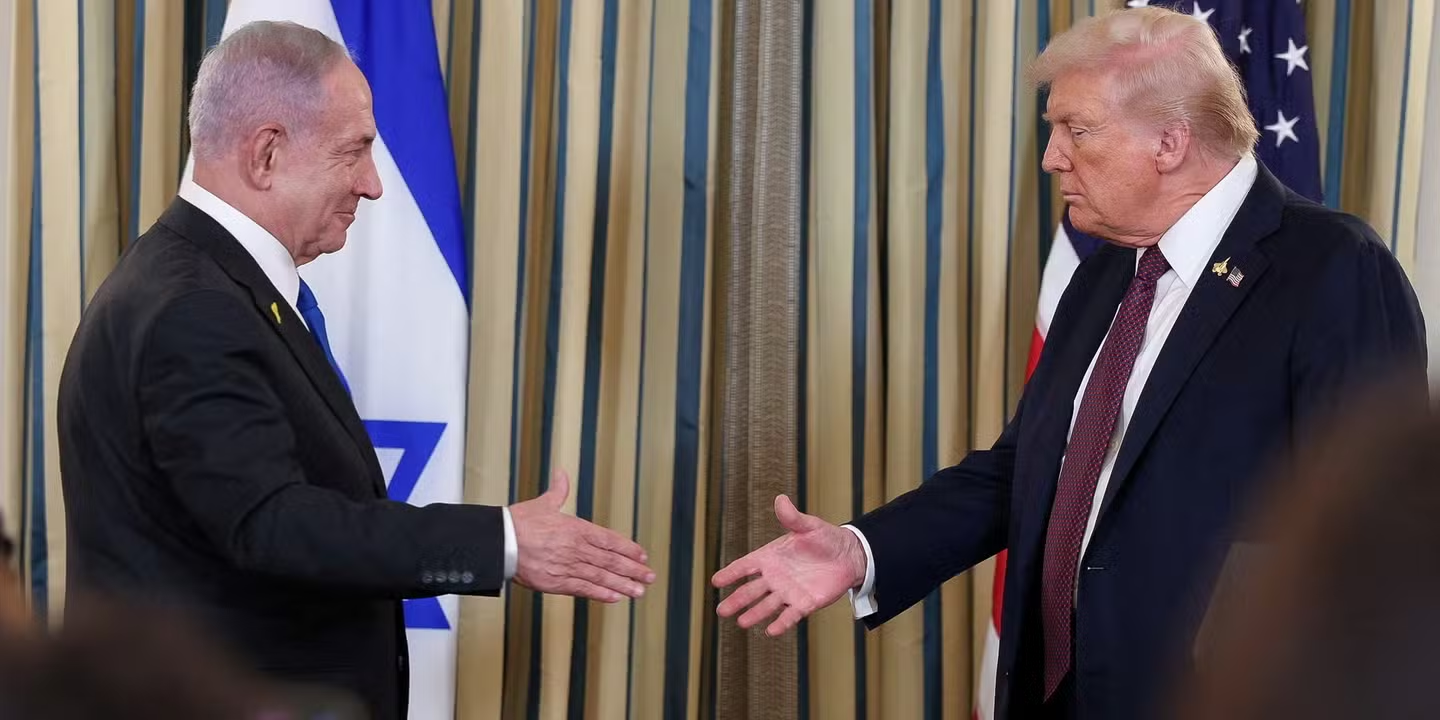
White House Press Secretary Karoline Leavitt delivered the administration’s message, stating that while “eliminating Hamas… is a worthy goal,” the decision to “unilaterally bomb inside Qatar, a sovereign nation and close ally of the United States” was a serious miscalculation. President Donald Trump, she said, “feels very badly about the location of this attack” and has personally assured Qatari leaders that “such a thing will not happen again on their soil.”

The diplomatic tightrope the U.S. is walking is unprecedented. On one hand, Washington has long supported Israel’s right to self-defense and its goal of dismantling Hamas. On the other, Qatar has been an indispensable mediator in the ongoing hostage negotiations and is a vital U.S. military partner, hosting the largest American airbase in the region. The strike in Doha not only violated the sovereignty of a key ally but also risked unraveling the very ceasefire talks the U.S. has been painstakingly trying to broker.

The conflicting narratives surrounding the strike have only added to the tension. The White House claims it received a warning from the U.S. military of the impending strike and immediately notified Qatar. However, Qatari officials have publicly stated that the warning from Washington arrived as the explosions were already happening. This discrepancy has fueled accusations that the U.S. was either complicit in the strike or failed to prevent it.

For now, the diplomatic consequences of the strike are still unfolding. Germany and other European allies have also condemned the attack as a violation of international law. But the message from Washington is clear: the U.S. is no longer willing to give a blank check to Israel’s military operations. The strike in Doha has exposed the fragile state of the alliance and could very well serve as a turning point, signaling that Washington’s patience is running thin and that a new, more demanding phase of the relationship is about to begin.

Iryna Zarutska: Suspect in Ukrainian Refugee’s Fatal Stabbing Charged with Federal Crime

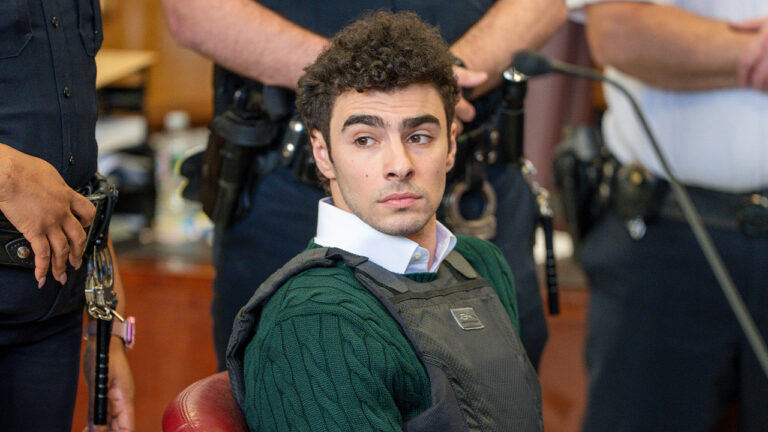
CHARLOTTE, N.C. – A suspect in the brutal, fatal stabbing of a Ukrainian refugee has been hit with a federal charge, escalating the case from a local murder investigation to a national prosecution with significant political and legal ramifications. The Department of Justice announced the charge against Decarlos Brown, Jr., a move that highlights the case’s national profile and the federal government’s growing involvement in local crime.

The victim, 23-year-old Iryna Zarutska, had come to the United States to escape the war in Ukraine, hoping to find a safer life. Her dream was tragically cut short on Aug. 22 when she was stabbed to death on a Charlotte light rail train. Surveillance video shows the unprovoked attack: Zarutska sits in a seat, seemingly unaware, as Brown takes a seat behind her. After a few minutes, he pulls out a knife and stabs her in the neck before fleeing.

Brown, 34, was arrested at the scene and initially charged with first-degree murder by state authorities. However, the Justice Department has now charged him with one count of committing an act causing death on a mass transportation system, a federal offense that carries a maximum penalty of life in prison or the death penalty.

The case has become a national flashpoint in the political debate over crime and public safety. President Donald Trump and other officials have seized on the incident, blaming “soft-on-crime” policies and highlighting Brown’s extensive criminal history and history of mental illness. Officials have noted that Brown had served time in prison for armed robbery and had been arrested earlier this year for erratic behavior before a judge released him without bail.

While the new federal charge is not explicitly a hate crime, the DOJ’s involvement elevates the case. The government’s decision to prosecute reflects the seriousness with which it views a crime that claimed the life of a young refugee who had sought refuge in America. The charge comes as President Trump’s administration has made a concerted push to increase the federal role in local crime.

The chilling video of the attack has sparked outrage and a deeper conversation about mental health, transit safety, and the vulnerability of new arrivals in the United States. For Iryna Zarutska’s family, who had hoped she found a place of peace, the new federal charge is a promise that justice will be sought on a national scale.

A Dangerous Gamble: Scientists Warn Against ‘Unimaginably Expensive’ Climate Engineering for the Arctic

In a stark and sobering new assessment, a coalition of leading climate scientists has issued a powerful warning against a host of geoengineering proposals for the Arctic, cautioning that the “dangerous” schemes are technologically unfeasible, environmentally ruinous, and a potentially catastrophic distraction from the only proven solution to global warming: rapid emissions cuts.

The review, published in the journal Frontiers in Science, is the first comprehensive evaluation of some of the most widely discussed polar geoengineering ideas, from injecting reflective particles into the stratosphere to scattering glass beads on sea ice. The 42-person international team of experts concluded that none of the proposals “stood up to scrutiny” and were more likely to “cause more harm than they seek to solve.”

“These geoengineering proposals are unimaginably expensive and risky for fragile polar environments,” said Professor Rob DeConto of the University of Massachusetts Amherst, one of the authors. “They also detract attention from the root cause of the climate crisis—the unabated burning of fossil fuels.”

The report meticulously details the flaws of five main concepts:

  • Stratospheric Aerosol Injection (SAI): The review warns this could lead to a “termination shock” of rapid warming if the injections were ever stopped and could disrupt weather patterns and the ozone layer, with unintended consequences across the globe.
  • Sea Ice Management: Proposals to thicken ice by pumping seawater or to spread reflective microbeads were deemed logistically “unrealistic,” requiring fleets of vessels and a constant human presence in some of the world’s most treacherous environments.
  • Glacier Water Removal & Sea Curtains: The study found that schemes to pump water from underneath glaciers or install massive underwater curtains to block warm currents would cost tens of billions of dollars and could harm critical marine ecosystems and disrupt the migration routes of whales and other marine life.

Image source: picryl.com

A central concern raised by the scientists is that these proposals, despite their extreme costs and risks, offer a false sense of hope that could be exploited by industries and governments looking to avoid the difficult but necessary transition away from fossil fuels. The review notes that there are no international governance frameworks to regulate these projects, raising the specter of a single nation unilaterally altering global weather patterns to its own perceived benefit.

As the Arctic continues to warm at a rate more than double the global average, the temptation to find a quick technological “fix” will only grow. But for the scientists behind the report, the path forward is clear. They argue that the only safe and effective solution is a radical and rapid decarbonization of the global economy. “The good news is that we have existing goals that we know will work,” said Professor Martin Siegert, a lead author. “The solution is rapid and deep reductions in greenhouse gas emissions.”

Epstein’s ‘Birthday Book’ Exposes A Network of Power and Depravity

In a stunning and unprecedented act of public disclosure, the House Oversight Committee has released a notorious “birthday book” prepared for the late financier and convicted sex offender Jeffrey Epstein, revealing a chilling collection of messages, photos, and cryptic references from some of the world’s most powerful figures. The 238-page album, titled “The First Fifty Years,” serves as a harrowing monument to the elite circles that enabled Epstein, and its contents have sent a fresh wave of shockwaves through global politics.

The book, compiled by Epstein’s convicted accomplice, Ghislaine Maxwell, for his 50th birthday in 2003, is more than a scrapbook; it is a ledger of depravity. It contains a trove of sexually suggestive photos, lewd drawings, and messages from dozens of figures, from business titans to politicians and royalty.

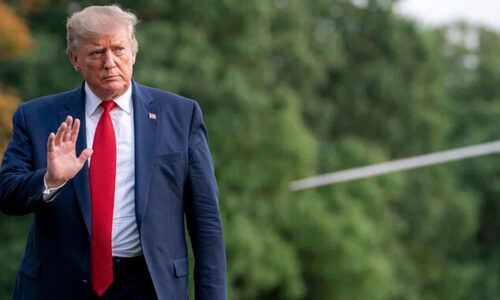
The most explosive entry is an alleged birthday note from President Donald Trump, which he has repeatedly denied writing. The letter is framed within the hand-drawn outline of a nude woman’s body and includes a dialogue between “Donald” and “Jeffrey,” ending with the line, “Happy Birthday — and may every day be another wonderful secret.” While the White House has branded the document a “disgraceful forgery” and a “vile political attack,” a second page shows a photo of Epstein holding an oversized check for $22,500 with a note suggesting he “sold” a “fully depreciated” woman to Trump.
The book also includes contributions from other high-profile figures. Former President Bill Clinton is listed in a “friends” section, with a note attributed to him referencing Epstein’s “childlike curiosity.” UK politician Peter Mandelson, who has previously expressed regret for their association, is also featured in a handwritten note calling Epstein “my best pal.”
The contents offer more than just a list of names. They provide a disturbing glimpse into a closed world where Epstein’s predilections were an open secret. One unnamed assistant wrote about how her life was transformed by flying on the Concorde, meeting Prince Andrew, and a chilling detail: that she had “seen the private quarters of Buckingham Palace, [and] sat on the Queen of England’s throne.” Another letter, unsigned, calls Epstein “a collector of more than beautiful minds,” and a drawing from 1983 shows him handing balloons to three young girls.

The release of the book, which was a direct result of a congressional subpoena, has been met with both applause and condemnation. While Democrats on the Oversight Committee argue the documents are essential for understanding the extent of Epstein’s network, Republicans have accused them of a politically motivated smear campaign.

Regardless of the political motive, the release ensures that the Epstein scandal, which has haunted powerful men for years, is far from over. The “birthday book” is a permanent and damning record of the moral blindness and complicity of the elite, and it serves as a powerful reminder that in the search for justice, no name is too big to be revealed.

Israel Targets Hamas Leaders in Doha as the War Spills Over

DOHA, QATAR – A deadly Israeli airstrike on a residential compound in Doha has dramatically escalated the conflict, with Hamas claiming its senior leadership survived the attack but confirming that six people, including a son of a top leader, were killed. The strike, the first of its kind on Qatari soil, has sent shockwaves through the region and threatens to unravel the fragile diplomatic channels that have been mediating a ceasefire in Gaza.

The explosions rocked the Katara district of Doha on Tuesday, an area known for its residential villas and cultural centers. The Israeli military and the Shin Bet intelligence service swiftly claimed responsibility, stating they had carried out a “precise strike targeting the senior leadership of the Hamas terrorist organization” directly responsible for the October 7th attacks.

Hamas, however, immediately pushed back on the claim of a successful assassination, with a senior official telling Al Jazeera that the targeted leaders, including chief ceasefire negotiator Khalil al-Hayya, were “safe and sound.” Yet, the group acknowledged the devastating cost of the strike, confirming the deaths of at least six people, including al-Hayya’s son and his office director, as well as a Qatari security officer.

The attack has thrown Qatar’s delicate role as a mediator into serious jeopardy. The Gulf state, a close U.S. ally that hosts Hamas’s political bureau, condemned the strike as a “cowardly Israeli assault” and a “flagrant violation of all international laws and norms.” U.S. officials confirmed that Israel had provided a heads-up about the impending strike, but a White House spokesperson later said the U.S. did not approve or coordinate the attack, calling it an “unfortunate incident” that did not advance peace in the region.

The timing of the strike has also drawn intense scrutiny. It came just as Hamas was reportedly considering a new U.S.-drafted ceasefire proposal and hours after Israel ordered a mass evacuation of Gaza City, a move widely seen as a precursor to a full-scale ground invasion. The Hostages and Missing Families Forum, the group representing the families of Israeli captives, expressed “deep concern and great fear” over the strike, warning that it could put their loved ones’ lives at even greater risk.

As smoke cleared over the Doha compound, the message from the strike was clear: The war, long confined to Gaza, has now spilled across borders, and no place is beyond the reach of its long, bloody shadow. The diplomatic channels that have been painstakingly built over years are now under unprecedented pressure, and with them, the last hope for a negotiated end to the conflict.

Nepal’s Parliament Set Ablaze as Youth-Led Protests Force PM’s Resignation

KATHMANDU, NEPAL – The symbols of Nepal’s fractured democracy have been set on fire by a youth movement of unprecedented scale. Hours after Prime Minister KP Sharma Oli resigned in the face of relentless nationwide protests, the federal parliament building and the Supreme Court were set ablaze, a fiery act of defiance that has plunged the Himalayan nation into a state of political turmoil and profound uncertainty.

The fiery end to a week of protest was the climax of what began as a digital outcry. What started as a “Gen Z” movement against a government ban on social media platforms quickly morphed into a furious, nationwide rebellion against deeply rooted corruption, political stagnation, and a ruling class widely seen as living in opulence while the country’s youth face a 20% unemployment rate.

The chaos reached a deadly crescendo on Monday, when security forces clashed with demonstrators in Kathmandu, leaving at least 19 dead and hundreds injured. The violence, described by eyewitnesses and human rights groups as a brutal crackdown, only fueled the public’s rage.

“It is not about the social media ban anymore,” said 23-year-old student activist Yujan Rajbhandari. “This is about justice for the 19 youths who were murdered by the state’s bullets. We are not leaving until we see accountability and an end to this corrupt regime.”

Faced with a nation in open revolt, Prime Minister Oli, a veteran politician who had served four terms, submitted his resignation on Tuesday, citing “extraordinary circumstances.” The announcement was initially met with cheers, but the jubilation was short-lived. In defiance of a city-wide curfew, protesters surged towards the main government complex, where they torched the parliament building and other key government and political offices. The home of the prime minister and other senior leaders were also set on fire, with protesters reportedly attacking and assaulting several ministers.

The inferno at the heart of Kathmandu is more than just a fire. It is a powerful metaphor for a generation’s complete loss of faith in a political system that was meant to bring stability after the end of the monarchy in 2008. The coming days will be a test of whether Nepal can find a new path forward—or if the fire of this fury will consume what is left of its fragile democracy.

Russian Strike on Pension Queue Kills Dozens in Ukraine

YAROVA, UKRAINE – In a horrifying act of brutality that underscores the daily peril of life near the front lines, a Russian aerial bomb has struck a small village in eastern Ukraine, killing at least 21 civilians who were waiting in a queue to collect their pensions. The attack, which left a trail of mangled bodies and debris, has been condemned by Ukrainian President Volodymyr Zelensky as a “brutally savage” act of terror.

The strike occurred on Tuesday in the rural settlement of Yarova, in the eastern Donetsk region, a village just a few kilometers from the front line. According to Ukrainian officials, a Russian guided bomb slammed into the site at the precise moment a Ukrainian postal service van was distributing payments to elderly residents. A grim video shared by President Zelensky on social media showed corpses strewn across the ground, a destroyed minivan, and a scene of unmitigated carnage.

“Directly on people. Ordinary civilians. At the very moment when pensions were being disbursed,” Zelensky wrote online. “A response is needed from the United States. A response is needed from Europe. A response is needed from the G20.”

The victims, predominantly pensioners, were killed in a place that should have been a brief respite from the war’s grind. The attack highlights the immense risk faced by civilians in frontline communities, where the most basic acts of survival—from collecting food to receiving a monthly pension—can become a matter of life or death. An employee of the Ukrainian postal service, Ukrposhta, was also injured in the blast, according to the company’s CEO.

While there was no immediate comment from the Kremlin on the strike, the Ukrainian Prosecutor General’s Office has launched a war crime investigation. The use of a glide bomb, a precision weapon designed to hit targets far behind the front line, suggests that the attack may have been deliberate, further fueling accusations of systematic terrorism against the civilian population.

The devastating strike comes just days after Russia launched its largest aerial assault of the war on Kyiv, hitting the Ukrainian government headquarters for the first time. While that attack targeted a center of power, the bombing of Yarova is a stark and somber reminder that the true victims of this war are not buildings or military installations, but the most vulnerable citizens who have nowhere else to go.

Israel Orders Gaza City to Evacuate Ahead of ‘Mighty Hurricane’ Assault

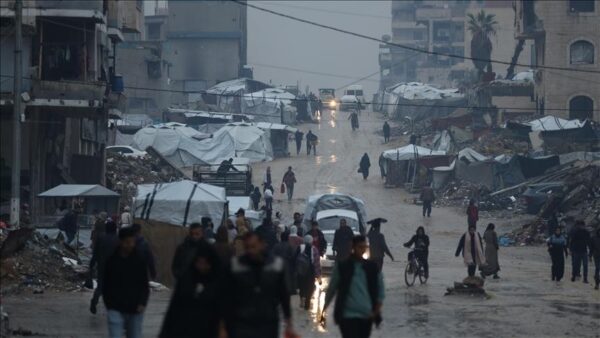
The Israeli military has issued an unprecedented order for all residents of Gaza City to evacuate their homes, a move that signals an imminent ground assault and has set off a humanitarian crisis of immense scale. The command, which affects more than one million Palestinians, has sparked panic and confusion in the besieged city, with aid organizations and residents saying there is no safe place left to go.

The order, issued in leaflets airdropped across the city, came as Israeli Prime Minister Benjamin Netanyahu warned residents to “get out of there,” a final warning before what Defense Minister Israel Katz called a “mighty hurricane” of attacks. The IDF has been intensifying airstrikes on Gaza City in recent days, with Netanyahu stating that forces were “assembling and organizing” for a full-scale ground operation to “obliterate” Hamas.

For the people of Gaza City, the order presents an impossible choice. A significant portion of the city’s population, already displaced multiple times, has nowhere to go. Aid groups like the Norwegian Refugee Council have warned that the directive amounts to a “forcible transfer,” an “atrocity crime” under international law. The designated “humanitarian zone” of Al-Mawasi in the south is already at capacity and has itself been hit by Israeli airstrikes.

“I have been displaced four times,” said Osama, a father of three from Gaza City, in a statement released by the aid group Mercy Corps. “This time feels different, heavier; as if it might be the last.”

The United Nations has warned repeatedly that a mass evacuation of Gaza City under the current conditions is both “unfeasible and incomprehensible.” The entire Gaza Strip is grappling with a severe shortage of food, water, and medicine, and a UN-backed report recently confirmed that famine has taken hold in Gaza City. Aid groups report that roads are destroyed, transportation is prohibitively expensive, and the physical and psychological toll on the population is at a breaking point.

As the world watches, the fate of Gaza City hangs in the balance. The evacuation order, widely seen as the precursor to a final, devastating phase of the war, has been met with international condemnation and calls for an immediate ceasefire. But with both sides dug in—Israel vowing to disarm Hamas and Hamas insisting it will not surrender—the “countdown to zero” continues, and the most devastating chapter of the conflict may be about to begin.

A Controversial ‘Birthday Book’ Fuels New Political Firestorm Over Trump and Epstein

A new and explosive chapter in the Jeffrey Epstein saga has opened, with the White House launching a forceful denial of a sexually suggestive letter and drawing allegedly sent by President Donald Trump to the late financier. The document, released by House Democrats from a “birthday book” compiled for Epstein’s 50th birthday, has reignited the firestorm around the President’s past ties to the convicted sex offender, prompting a furious political and legal battle over its authenticity.

The controversial note, published on the official account of the House Oversight Democrats, is an imagined dialogue between “Donald” and “Jeffrey,” framed within a hand-drawn outline of a nude woman’s body. It concludes with the cryptic message, “A pal is a wonderful thing. Happy Birthday — and may every day be another wonderful secret.” Below the text is a signature reading “Donald.”

The document was one of a trove of records that lawyers for Epstein’s estate handed over to the House committee in response to a subpoena. In a statement, Representative Robert Garcia, the top Democrat on the committee, declared that the committee had “secured the infamous ‘Birthday Book’ that contains a note from President Trump that he has said does not exist.”

Jeffrey Epstein files

But the White House was swift and unsparing in its counterattack. White House press secretary Karoline Leavitt took to social media to call the document “FAKE NEWS” and a “disgraceful forgery,” repeating a claim President Trump made in July when The Wall Street Journal first reported the note’s existence. “It’s very clear President Trump did not draw this picture, and he did not sign it,” Leavitt said, adding that the President’s legal team would “continue to aggressively pursue litigation” against the news outlet that first broke the story.

The latest development in the Epstein case underscores the persistent and politically charged nature of the scandal that has haunted multiple high-profile figures. While Democrats are pointing to the document as definitive proof of a relationship Trump has long tried to downplay, Republican allies, including Vice President J.D. Vance, have accused Democrats of “concocting another fake scandal” to “smear president Trump with lies.”

As arguments over the document’s authenticity continue to rage, forensic handwriting experts are likely to be called upon to settle the debate. The release of the book, which also reportedly contains messages from former President Bill Clinton, confirms that the fallout from the Epstein scandal is far from over, and that the intersection of power, wealth, and depravity will continue to shape American politics for years to come.

Greta Thunberg’s Gaza Flotilla Arrives in Tunisia, Drawing a Line in the Sand

A humanitarian flotilla led by climate activist Greta Thunberg has arrived in Tunisia to a jubilant welcome from thousands of supporters, marking the latest front in a global campaign to break Israel’s long-standing naval blockade of Gaza. The “Global Sumud Flotilla,” carrying hundreds of activists and desperately needed aid, is now poised for its final, perilous leg of a journey that has transformed a humanitarian mission into a high-stakes diplomatic confrontation.

The atmosphere at the port of Sidi Bou Said was electric as crowds chanted and waved Palestinian flags to greet the boats. Onboard, Thunberg, speaking to a throng of supporters, delivered a blistering condemnation of Israel’s policies. “Just across the water there’s a genocide going on, a mass starvation by Israel’s murder machine,” she said, using the kind of stark language that has become her trademark.

The flotilla’s journey began in Barcelona, where over 20 vessels and participants from more than 40 countries set sail with a simple, yet defiant, mission: to open a “humanitarian corridor” to a population that a UN-backed body has officially declared to be in a state of famine. It is Thunberg’s second attempt to reach the besieged territory this year, after a previous mission in June was intercepted by the Israeli military, which detained and deported her.

Israeli officials have consistently dismissed such flotillas as political stunts that offer no genuine humanitarian assistance and serve only to legitimize a terrorist organization. Their stance is that all aid must pass through land crossings, where it can be inspected to ensure it does not contain weapons or materials for Hamas. The flotilla’s organizers, however, say that the overland route is too slow and unreliable to meet the catastrophic needs of a starving population.

As the flotilla now re-supplies and prepares for the final stage of its voyage, the question of its fate looms large. Israel has a clear history of intercepting such vessels, and officials have indicated they will not tolerate a breach of their naval blockade. For the hundreds of activists on board, including Thunberg, the journey is not just about delivering aid—it is about challenging the legality and morality of a siege they say is causing unimaginable suffering. The eyes of the world are now on the stretch of water between Tunisia and Gaza, where a new chapter of an old conflict is about to begin.

The War Comes to the Capital: Zelensky Condemns ‘Ruthless Attack’ as Russia Strikes Kyiv’s Seat of Power

KYIV, UKRAINE – In a dramatic and chilling escalation of its war on Ukraine, Russia has for the first time struck a key government building in the heart of Kyiv, drawing a furious condemnation from Ukrainian President Volodymyr Zelensky. The “ruthless attack,” part of a massive aerial assault that saw Russia launch its largest barrage of missiles and drones of the war, has brought the conflict to the very center of the nation’s political life.

The attack unfolded in the early hours of Sunday, as a record-breaking number of Russian munitions—totaling over 800 drones and 13 missiles—rained down on cities across Ukraine. In Kyiv, an air-raid siren blared for over 11 hours as air defenses intercepted a majority of the projectiles. But some got through, with one striking the roof and upper floors of the Cabinet of Ministers building, a historic structure that houses the offices of Ukraine’s top ministers.

Ukraine Zelensky

“Such killings now, when real diplomacy could have already begun, are a deliberate crime and a prolongation of the war,” President Zelensky said in a statement on social media. “The world can force the Kremlin’s criminals to stop killing; all that is needed is political will.”

The strike on a building that had been spared throughout the war is a clear message from Moscow. It comes just weeks after U.S. President Donald Trump and Russian President Vladimir Putin met for peace talks in Alaska, which failed to yield a breakthrough. For many, the attack serves as a stark signal that Russia has no intention of de-escalating the conflict.

The human cost of the barrage was immediate and tragic. Ukrainian officials reported at least four people killed nationwide, including a young woman and an infant in Kyiv, whose bodies were pulled from the rubble of a residential building. Plumes of smoke were seen rising from the damaged government building as emergency crews battled a blaze on its upper floors.

While a spokesperson for the Russian Defense Ministry said that its forces had struck “high-precision weapons” and “no strikes were carried out on other objects within the boundaries of Kyiv,” Ukrainian Prime Minister Yulia Svyrydenko posted a video of the damage on social media and vowed, “We will rebuild the buildings, but lost lives cannot be returned.”

As investigators sift through the wreckage of both the government building and residential areas, the attack has reignited international outrage and fresh calls for tougher sanctions on Russia. For the citizens of Kyiv, who have grown accustomed to the daily reality of war, the strike on their government’s headquarters is a grim reminder that no part of their country is safe, and that the fight is far from over.

A Digital Saint for a Digital Age: Thousands Throng Vatican as Teenager Carlo Acutis is Canonized

VATICAN CITY – A wave of jubilant, youthful energy swept through St. Peter’s Square today as Pope Leo XIV canonized Carlo Acutis, an Italian teenager who died in 2006, as the Catholic Church’s first millennial saint. The historic ceremony, attended by more than 80,000 pilgrims from across the globe, elevates a tech-savvy, jeans-wearing teen to the hallowed ranks of the saints, offering a new, relatable model of holiness for a digital generation.

The atmosphere in the square was one of joyous celebration, a stark contrast to the solemnity of past canonizations. Thousands of young people, many holding signs with Acutis’s image and slogans like “God’s Influencer,” chanted and cheered as Pope Leo XIV, in his first canonization ceremony as Pope, formally declared him a saint. The pontiff also canonized Pier Giorgio Frassati, another young Italian known for his piety and charity, who died a century ago.

“The greatest risk in life is to waste it outside of God’s plan,” Pope Leo said in his homily, holding up Acutis as a witness to how an ordinary life can be made a “masterpiece.”

Acutis, born in London in 1991, was a computer whiz known for his profound devotion to the Eucharist. He was a normal teenager who loved video games, but with a remarkable sense of discipline, limiting his gaming to just one hour a week. He used his coding skills not for personal gain, but to build websites documenting Eucharistic miracles and Marian apparitions, earning him the nickname “God’s influencer” and “cyber-apostle.” He died in 2006 at the age of 15 from an aggressive form of leukemia.

His journey to sainthood was unusually fast-tracked by the Church, which attributed two miracles to him. One involved the healing of a Brazilian child with a congenital pancreatic disease, and a second miracle was credited with the unexplained recovery of a university student who suffered a severe brain bleed.

For the young faithful, Acutis’s canonization is a powerful symbol of the Church’s attempt to bridge the gap between tradition and the modern world. His tomb in Assisi, where his body lies in a glass-sided coffin dressed in his everyday clothes, has become a pilgrimage site, attracting millions who see in him a saint who lived and died in their own time.

As the ceremony concluded and the crowd dispersed, the message was clear: The Catholic Church is embracing a new kind of saint—one who used a laptop and a rosary to find heaven, proving that holiness is not confined to the past but can be found in the everyday life of the 21st century.

US Open 2025: Trump’s Arrival Delays Alcaraz and Sinner Final as Security Measures Disrupt Grand Slam

FLUSHING MEADOWS, N.Y. – The US Open men’s final, the pinnacle of American tennis, was delayed by 30 minutes today as President Donald Trump’s arrival at Arthur Ashe Stadium triggered an unprecedented level of security that gridlocked the venue and left thousands of fans waiting to get into their seats. The disruption, which unfolded just before the start of the highly anticipated match between Jannik Sinner and Carlos Alcaraz, injected a new, chaotic political dimension into a marquee sporting event.

Originally scheduled for a 2 p.m. start, the match was pushed back to 2:30 p.m. as the United States Tennis Association (USTA) and the Secret Service implemented a series of heightened security protocols. The measures, which included additional screenings, a heavy police presence, and sniffer dogs, created long queues at every entrance to the USTA Billie Jean King National Tennis Center. Even as the players took to the court, hundreds of seats in the massive 24,000-capacity stadium remained empty.

A statement from the USTA said the delay was “to ensure that fans have additional time to get to their seats,” but the reason for the enhanced security was clear. Air Force One had landed at nearby LaGuardia Airport just hours earlier, and roads around the stadium were closed to accommodate the President’s motorcade.

Upon his arrival, Trump, seated in a private suite, was met with a mix of cheers and boos from the crowd. His presence at the event marks the first time a sitting U.S. President has attended the US Open since Bill Clinton in 2000. It is also his first time back at Flushing Meadows since 2015 when, as a presidential candidate, he was met with a similarly mixed reception.

The day’s political undertones were not confined to the stadium’s interior. Outside the grounds, the activist group “Refuse Fascism” staged a protest, adding a political edge to an event typically known for its celebrity-filled, star-studded ambiance. The USTA, in an unusual move, reportedly sent a memo to broadcasters requesting that they “refrain from showcasing any disruptions or reactions in response to the President’s attendance in any capacity.”

While the on-court rivalry between Sinner and Alcaraz was the focus of the day, the 2025 US Open final will be remembered as much for the off-court drama as the match itself. The delay served as a stark reminder of the immense logistical and political challenges that accompany a presidential presence at major public events, proving that even on the world’s grandest sporting stage, politics can still steal the show.

A Human Tide of Grief and Rage: Protests Swell in Jerusalem to Force Hostage Deal

In a powerful and emotional act of defiance, tens of thousands of Israelis filled the streets of Jerusalem this weekend, besieging the residences of Prime Minister Benjamin Netanyahu and other top officials with a single, desperate demand: Secure a deal to bring home the remaining hostages held in Gaza. The mass protest, which has become a weekly ritual, has taken on a new, feverish urgency as fears grow that an intensified military assault on Gaza City could endanger the lives of the captives.

Driven by a collective sense of despair after more than 700 days of captivity, the demonstrators marched from the Chords Bridge to Paris Square, just a short distance from Netanyahu’s home. They carried banners emblazoned with the words “Government of the Shadow of Death” and “Why are they still in Gaza?” The crowd, a mix of families of the hostages and ordinary citizens, chanted, “Traitor,” directly at the prime minister, accusing him of sacrificing the lives of the captives to prolong his political power.

The moral core of the protest was the Hostages and Missing Families Forum, which has shifted its strategy from Tel Aviv to Jerusalem to apply direct pressure on key decision-makers. Family members, including the mothers of abducted IDF soldiers Matan Angrest and Nimrod Cohen, delivered raw, unfiltered speeches that captivated the crowds. “My child will not be sacrificed on the altar of politics,” Viki Cohen, Nimrod’s mother, declared to a roar of support.

The protest unfolded against a backdrop of conflicting signals from the Israeli government and a failed round of negotiations. While Hamas has reportedly accepted a phased deal that would see the release of 10 living hostages and 18 deceased in exchange for a 60-day ceasefire, the Israeli government has dismissed the offer, with Prime Minister Netanyahu now demanding a comprehensive, all-or-nothing agreement that would lead to a complete victory and the disarmament of Hamas.

The demonstration also comes in the wake of the latest propaganda video released by Hamas, which showed two hostages who are believed to be in Gaza City, intensifying the families’ fears. U.S. President Donald Trump has also weighed in on the crisis, noting the size of the protests and raising new concerns about the hostages’ well-being.

As the sun set on Jerusalem, the city’s streets remained a sea of anguished faces, all united in a single, desperate plea. The protests have become a national referendum on Netanyahu’s leadership and his handling of the war, but for the families of the hostages, the political stakes are overshadowed by a far more personal and devastating reality: the life of a loved one hangs in the balance, and time is running out.

A Strike at the Heart of the State: Russia Hits Main Government Building in Kyiv for First Time

KYIV, UKRAINE – In a dramatic escalation of its war on Ukraine, Russia has for the first time struck the main government building in Kyiv, a symbolic and strategic act that has brought the conflict to the very heart of the capital. The attack, part of a record-breaking overnight aerial assault, damaged the roof and upper floors of the Cabinet of Ministers building and sent a clear, chilling message to Ukraine’s leadership.

The assault, which unfolded in the early hours of Sunday morning, was Russia’s largest since the start of the full-scale invasion in February 2022, according to Ukrainian officials. Ukraine’s air force reported that Russia launched more than 800 drones and 13 missiles, with smoke seen rising over the Maidan Square as emergency services rushed to the scene. While the extent of the damage to the historic building is still being assessed, the attack marks a significant shift in Russia’s targeting strategy, which had largely avoided Kyiv’s core government infrastructure.

“For the first time, the government building was damaged by an enemy attack, including the roof and upper floors,” Ukrainian Prime Minister Yulia Svyrydenko said on Telegram. “We will restore the buildings, but lost lives cannot be returned.”

The strike on a building that houses the offices of Ukraine’s top ministers is an unmistakable signal from the Kremlin that no target is off-limits. It comes at a particularly sensitive moment, as diplomatic efforts to end the war have lost momentum. While President Donald Trump has been trying to broker a peace deal, the attack demonstrates that Russia is intent on pressing its military advantage on the battlefield.

Kyiv Mayor Vitali Klitschko confirmed that the attack had also killed at least two people, including a young woman and an infant, and injured more than a dozen others as drone debris struck residential buildings in the city’s west and east. A spokesperson for the head of Kyiv’s military administration stated that Russia was “deliberately and consciously striking civilian targets.”

The brazen assault has prompted renewed international outrage. Ukrainian officials have called for stronger sanctions against Russian oil and gas and a renewed push for more air defense systems. The attack serves as a stark reminder that despite years of fighting, the war is far from a stalemate, and a peaceful resolution remains a distant hope.

Egypt: Mount Sinai is Being Transformed into a Luxury Mega-Resort

In a development that has triggered a global outcry, one of the world’s most sacred places—the site where Moses is said to have received the Ten Commandments—is being irrevocably transformed into a luxury mega-resort. The ambitious, state-backed project, dubbed “The Great Transfiguration,” is erecting villas, a massive conference center, and a cable car to the mountain’s summit, sparking a fierce debate over the clash between religious heritage and commercial ambition.

The massive project, launched by the Egyptian government, is framed as a long-overdue economic development for the remote Sinai region. Officials have spoken of their vision to turn the area, which includes the revered St. Catherine’s Monastery, into a “world-class spiritual tourism destination.” But for religious leaders, historians, and local communities, the transformation is a monstrous desecration.

The plan, set for completion by 2026, includes the construction of new hotels, shopping complexes, and expanded airport facilities. A highlight of the development is a proposed cable car that will whisk tourists to the top of Mount Sinai, a journey of profound spiritual significance that has been undertaken for centuries on foot. Critics argue this modernization will shatter the solitude and spiritual atmosphere that has drawn countless pilgrims and seekers to the mountain.

“This is not development as the local people see it,” said Ben Hoffler, a British travel writer and advocate for the indigenous Bedouin communities in the area. “It is how it looks when imposed top-down to serve the interests of outsiders over those of the local community.”

The Bedouin Jebeleya tribe, known for centuries as the guardians of the monastery and its surrounding land, have been particularly vocal about their displacement. Reports from human rights groups allege that homes and even ancient tribal graves have been bulldozed to make way for new roads and infrastructure, with little to no compensation offered to the indigenous people who have lived there for generations.

The controversy has also drawn the attention of international organizations, with UNESCO repeatedly urging Egypt to halt construction and submit conservation plans for the World Heritage site. To date, no such plan has been submitted, prompting some heritage groups to call for the site to be declared endangered.

As bulldozers carve new roads into the desert landscape, and the half-finished concrete shells of hotels rise in the shadow of the mountain, the future of this ancient landscape hangs in the balance. The Egyptian government has made its economic vision clear, but its critics believe it is a vision that risks destroying the very soul of a place revered by billions. The fate of Mount Sinai will ultimately be a test of whether a nation’s development goals can be achieved without sacrificing the integrity of its most sacred spiritual treasures.

A New Battlefront: Trump Vows to Deploy National Guard to Chicago, Setting Up Showdown with Mayor

The long-simmering tension between the federal government and Chicago’s Democratic leadership has reached a fever pitch, with President Donald Trump vowing to deploy the National Guard to the city to combat what he called “out-of-control crime.” The declaration, made Tuesday, sets the stage for a dramatic constitutional and political showdown, as Mayor Brandon Johnson and Governor J.B. Pritzker have both vowed to block the move.

“We’re going in,” President Trump told reporters, calling Chicago “the worst and most dangerous city in the world.” The President, who has already ordered Guard troops into Washington, D.C., and Los Angeles in recent months, rejected claims that his focus on Democratic-run cities is politically motivated, insisting, “I have an obligation to protect this country.” He cited recent crime data, noting that “when 20 people are killed over the last two and a half weeks and 75 are shot with bullets, I have an obligation.”

But Chicago’s leadership has not only pushed back—it has actively prepared to resist. At a Labor Day rally this week, Mayor Johnson declared, “No federal troops in the city of Chicago! No militarized force in the city of Chicago!” He has since signed an executive order barring city agencies and police from cooperating with any “unlawful or unconstitutional actions” from federal forces.

The legal authority for the President’s actions is far from clear. His comments came just hours after a federal judge in San Francisco ruled that his earlier use of the military in Los Angeles violated the law, cautioning that the President appeared intent on “creating a national police force with the President as its chief.” While that injunction is set to take effect on September 12, the President’s lawyers have already appealed to the Supreme Court.

Legal experts say a deployment to Chicago would be on even thinner legal ice. Unlike in Washington, D.C., which has a unique relationship with the federal government, the President would have to federalize the Illinois National Guard, an action that typically requires the governor’s consent. Governor Pritzker has repeatedly and forcefully stated, “do not come.”

As Chicago residents brace for the potential arrival of troops, the city’s political leaders and community organizations are preparing for a difficult period. Protest groups have begun mobilizing, and civic leaders have warned that a federal deployment could heighten, rather than curb, tensions. For now, the battle lines have been drawn, turning the streets of Chicago into the latest front in a constitutional struggle over the limits of presidential power.