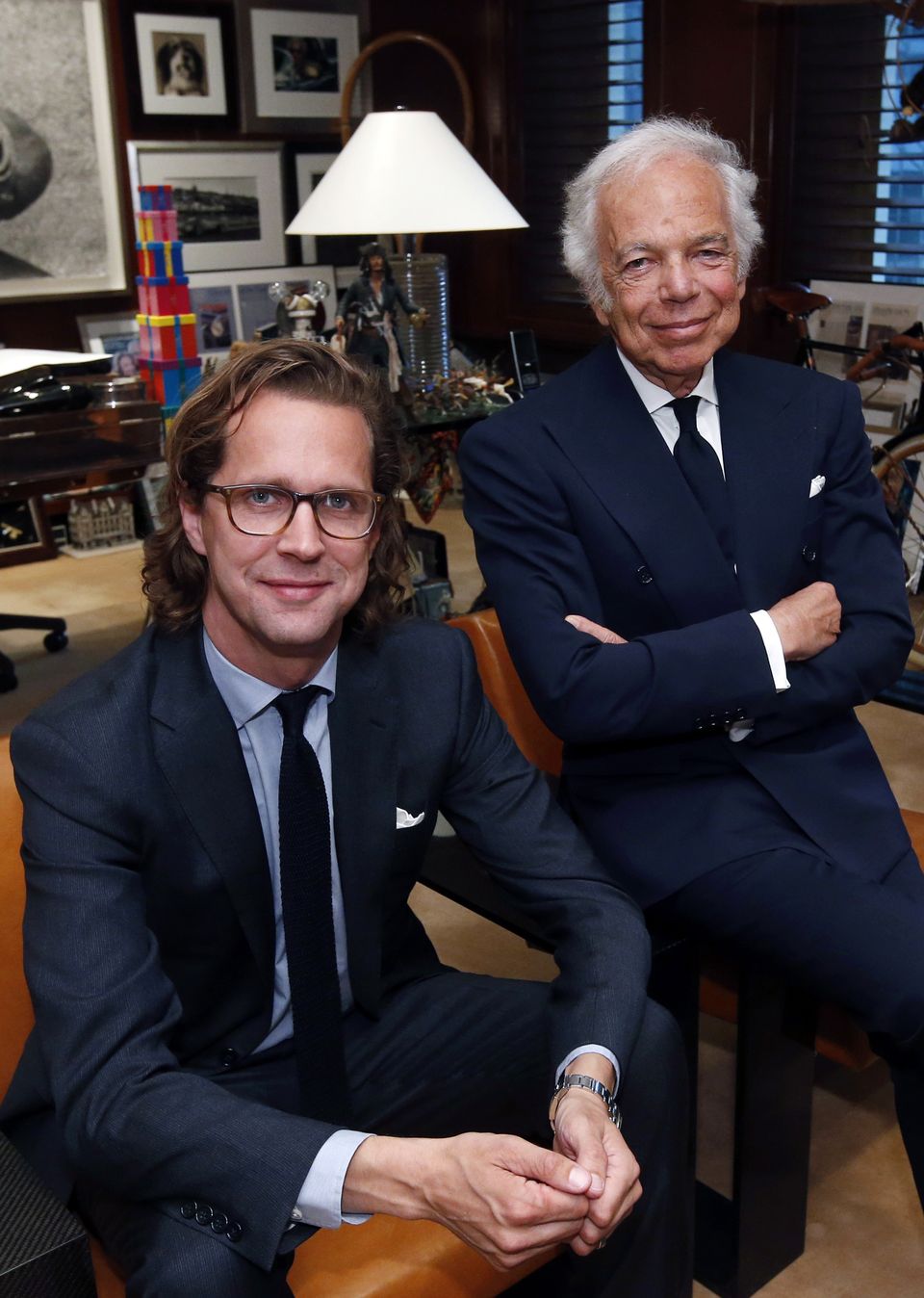
Ralph Lauren is to step down as the chief executive of the luxury fashion house he founded 48 years ago.
The designer will be replaced in November by Stefan Larsson, president of Old Navy, the low-price clothes brand owned by Gap Inc.
Ralph Lauren, who will turn 76 in October, plans to stay on as the chief designer for the label.
The news caused Ralph Lauren’s shares to rise 3.9% in post-trading hours. Shares in Gap fell by 3.4%.
Speaking of his replacement, Ralph Lauren said: “He understands what dreams are. In this business, it’s about dreams because you are dreaming ahead and you’re about progress and change and newness.”
Ralph Lauren corporation – well-known for its polo shirts – has expanded from selling clothes into the restaurant trade in recent years.
Stefan Larsson, 41, led Old Navy from 2012 and has been credited with boosting sales, even as other Gap labels faltered. Before taking over Old Navy, he worked for the Swedish brand H&M for 15 years.
Ralph Lauren fashion house made $7.5 billion in sales in 2014.
Ralph Lauren said his successor was “exceptionally talented” and would bring “a fresh and exciting global perspective” to the company.
When your kids head back to school each fall, you probably look forward to the excitement that this time of year brings. However, one of the major concerns for many parents is the germs that tend to spread quickly between kids in the classrooms. Help your kids avoid getting sick as they head back to school with a few simple tricks.
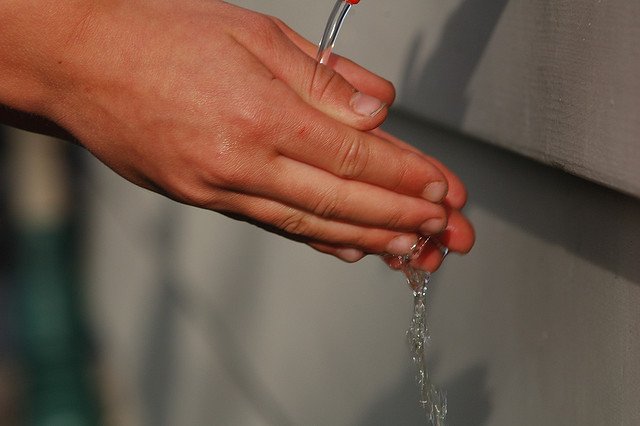
When someone in a class sneezes, those germs can spread very quickly. That student could easily touch the pencil sharpener, white board marker, doorknob, and other shared items within few minutes. The best way to avoid germs is to wash your hands often, but this isn’t always appealing to kids. Keep hand sanitizer in their backpacks and teach them to use it often. You can also talk to your children about effective hand-washing, which includes scrubbing soap all over the hands and fingernails for at least 20 seconds, then using a paper towel to turn off the faucet.
Healthy Habits
When your children don’t get enough rest or aren’t receiving adequate nutrition, the immune system can’t fight germs as effectively. During the summer the routine often changes, resulting in later nights and poor eating habits. Before school starts, help your kids get back into their routines with regular bedtimes, healthy meals together, plenty of physical activity and better hydration. All of these tricks will help encourage a healthy immune system, which means a lower chance of getting sick.
Avoid Sick Friends
According to a study by the American Academy of Pediatrics, kids at school tend to have at least eight colds a year. When your child’s friend is sick, he or she may not realize that germs can spread quickly. Teach your kids to steer clear of classmates who are coughing or sneezing. Be sure they also know to cover their own coughs and sneezes to limit the spread of germs. Another trick is to avoid sharing lip balm and drinks with their friends. If your child is ill, keep him or her home from school.
Visit the Doctor
Your child’s pediatrician or other healthcare provider has a recommended schedule for check-ups and immunizations throughout his or her adolescence. These guidelines come from years of research and analysis, so be sure to keep regular appointments and stick to the schedule. Immunizations can make a huge difference in avoiding illness, especially serious diseases that have made recent comebacks in schools around the country. If your child does become ill and you aren’t able to get an appointment, use Curely.co for instant access to a certified health professional who can help.
Clean School Supplies
It may surprise you to learn that your child’s backpack can carry a lot of germs and bacteria. Kids often set their backpacks down while using the restroom or in other germy areas, so washing it regularly can limit bacteria growth.
So, when it comes time for your kids to go back to school, you can help them avoid the “classroom cold” and other illnesses by using good germ etiquette and strengthening their immune systems through healthy habits.
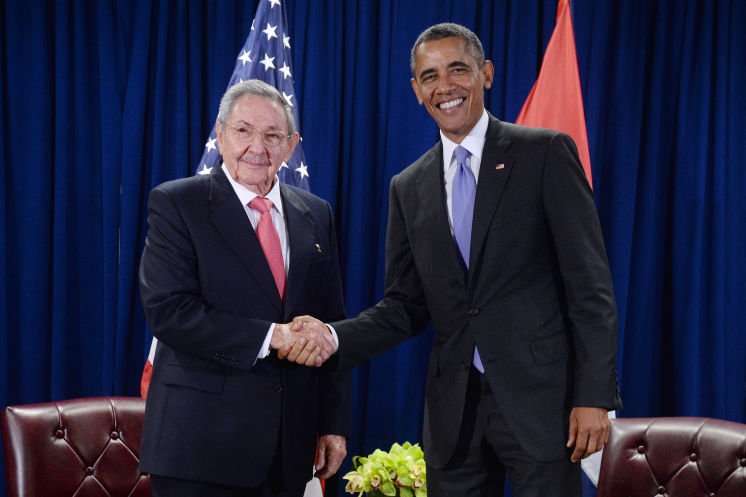
Barack Obama and Raul Castro met on the sidelines of the UN General Assembly (UNGA) on September 29.
It was the second time Barack Obama and the Cuban president met in person this year after decades of estrangement between the two countries.
They shook hands before beginning private talks.
On September 28, Raul Castro called for an end to US economic sanctions on Cuba.
President Barack Obama had earlier expressed confidence that Congress would lift the embargo.
Raul Castro told the UN that normal relations with the United States would only be possible if the US abolished its trade embargo.
The embargo has been in place since 1960 and remains a contentious issue in relations between Cuba and the US.
In his speech to the UN, President Barack Obama said he was confident Congress would “inevitably lift an embargo that should not be in place anymore”.
On October 27 the UNGA is again scheduled to discuss a resolution condemning the embargo and calling for its abolition.
It is the 24th time the UNGA will vote on the issue, which generally is only opposed by the United States and Israel.
Speculation is already rife about how the US will vote this year after its own president dismissed the embargo as counterproductive and behind the times.
The resolutions are unenforceable, but a US abstention on a resolution critical of US behavior would be unprecedented.
The Republican-controlled US Congress has so far refused to lift the embargo.
Cuban-American Senator and presidential candidate Marco Rubio warned that an abstention would be “putting international popularity ahead of the national security and foreign policy interests of the United States”.
US officials said Raul Castro’s presence at the UN, the first time the Cuban leader spoke there, was a signal “that we’re in a new era”.
In his speech, Raul Castro said the normalization of relations would be “a long and complex process”.
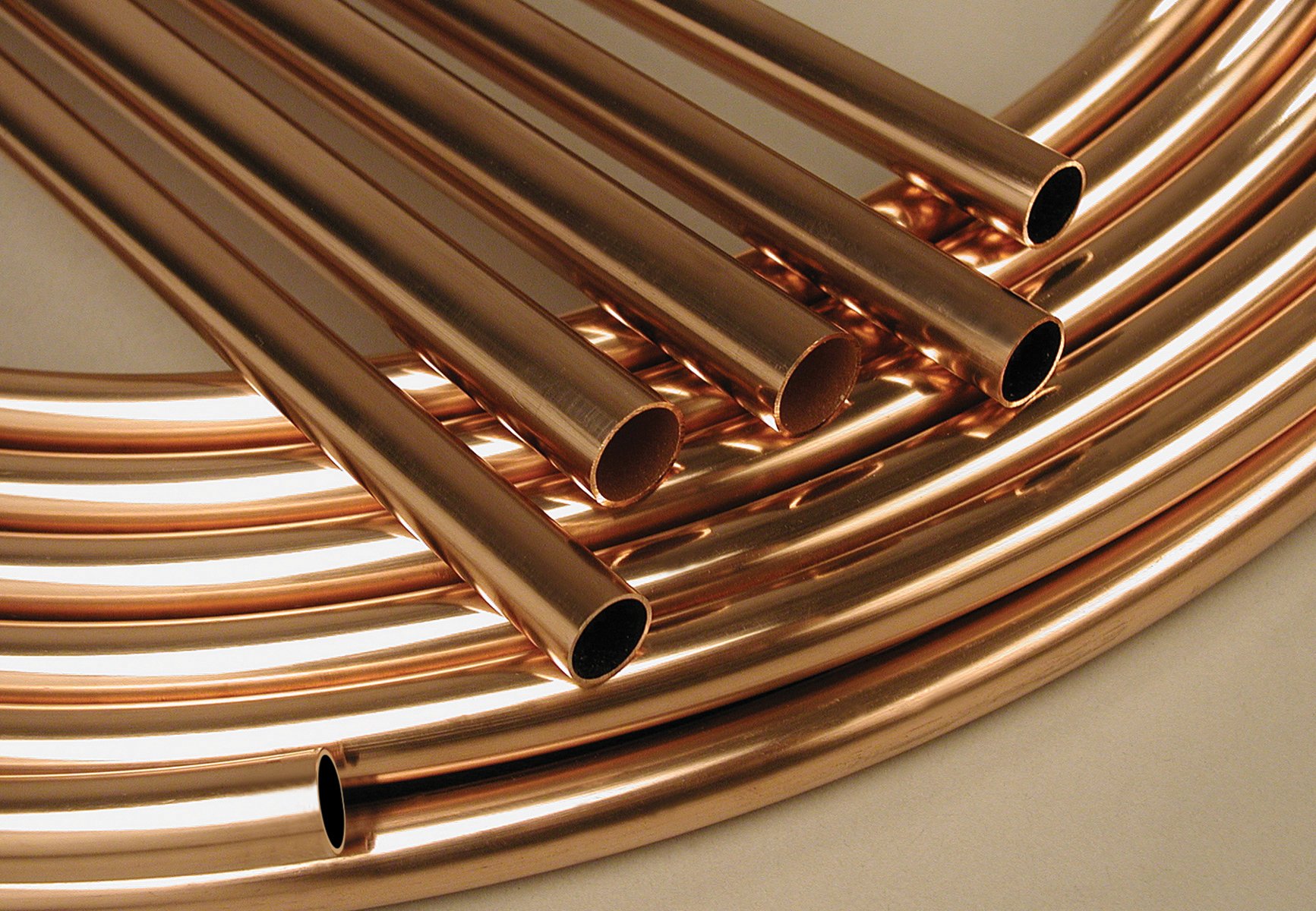
Copper price dropped almost 2% on September 29 and is close to its lowest level in six and a half years.
The price fell to $4,955 a tonne, just $100 above the level it reached in 2009 in the wake of the financial crisis.
Demand for copper, which is used across industry from construction to car manufacturing, has suffered from the slowing Chinese economy.
Investment bank Goldman Sachs warned investors this week that prices would continue to fall.
Goldman Sachs analysts predicted copper prices would probably drop to $4,800 a tonne by the end of December and to $4,500 by the end of 2016.
The decline in copper is only a part of a global meltdown in commodity prices caused by China’s economic downturn.
The depth of the slump was emphasized on September 28 when shares in commodities trader and miner Glencore dived 30%.
Crude oil has fallen some 60% from June 2014, thermal coal has been on a long 60% slide since 2011, and iron ore is down even more, close to 70% since 2010.
The effects are rippling out into other sectors. On September 29, Japanese shipping business Daiichi Chuo Kisen Kaisha filed for protection from creditors, caused by the collapse in Chinese demand for iron ore and coal.
Unsurprisingly the collapse sent a shiver through the rest of the Japanese shipping sector. Nippon Yusen, Mitsui OSK Lines, Kawasaki Kisen Kaisha saw their shares fall between 4% and 8%.
The effects spread far wider than the mining companies and their support services.
Any economy dependent on commodity exports is seeing its currency punished.
Australia, whose iron ore, coal, oil and natural gas fuelled the Chinese boom, has seen its dollar lose more than a quarter of its value against the US dollar over the past year.
Chile, where copper makes up 30% of the value of its exports, is expected to announce on September 29 that public spending, having grown almost 10% last year, will rise by half that amount this year.
Economic growth there has slowed along with the fall in the copper price and a decline in investment in the mining sector.
For smaller countries the effect can be catastrophic.
On September 28, Zambia’s currency, the kwacha, fell more than 17% – its biggest one-day fall on record – as prices for its copper exports dived again. Copper accounts for 85% of Zambia’s exports.
The kwacha recovered on September 29 but it is down 45% on the year.
It has also been hit by the news that Glencore, Zambia’s second largest employer after the government, might make further cuts at its Mopani Copper Mines there. Last week, it announced it would lay off more than 3,800 workers.
Ratings agency Moody’s cut Zambia’s sovereign rating on September 25, making it more expensive to borrow in the international markets.
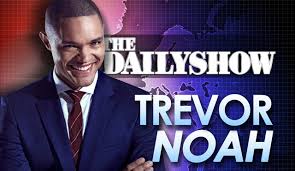
Trevor Noah made his debut as The Daily Show host, replacing Jon Stewart who left last month.
The show’s new host is best known as a stand-up comedian, but also made several appearances on The Daily Show with Jon Stewart as a correspondent.
Trevor Noah, 31, has had a mixed reception from critics after his first show as a host.
The South African comedian made a “smooth transition” into the role on Comedy Central’s satirical news show, according to Variety.
Deadline called the evening “mostly inoffensive but also mostly flat”.
TV columnist Brian Lowry said he looked “more at ease and in command than he ever did as a correspondent”.
Jon Stewart stepped down after 16 years at the helm of the influential show and Trevor Noah’s appointment was announced in March.
“No memories of Stewart and his storied reign have been usurped or replaced,” wrote The Hollywood Reporter.
“Nor, however, have they been sullied.”
Trevor Noah’s opening monologue kicked off with a joke about growing up on the dusty streets of South Africa, where his only two dreams were hosting The Daily Show and having an indoor toilet.
“Now I have both. And I’m quite comfortable with one of them,” he said.
Paying tribute to Jon Stewart, Trevor Noah said: “He was often our voice, our refuge and in many ways our political dad,” before joking, “Now it feels like the family has a new stepdad. And he’s black. Which is not ideal.”
This week’s guests are Whitney Wolfe, the CEO of dating site Bumble and co-founder of Tinder, the governor of New Jersey, Chris Christie and musician Ryan Adams – who last week released an album of cover versions based on Taylor Swift’s 1989 album.
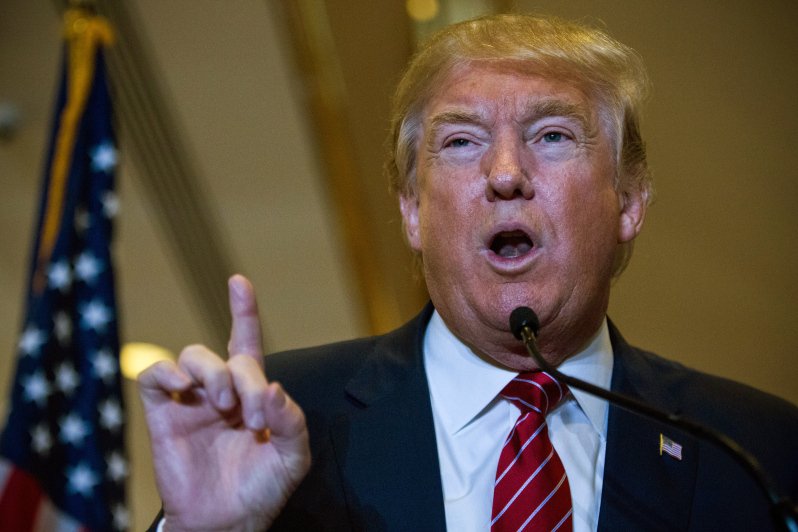
Donald Trump has unveiled his tax plan, which would eliminate income tax for millions of Americans.
Wealthy Americans and businesses would also pay less in taxes under the Republican frontrunner’s plan.
Donald Trump’s plan would eliminate income tax for people earning less than $25,000 and married couples jointly earning less than $50,000.
The Republican presidential hopeful is coming under increasing pressure to outline specific policy goals beyond immigration reform.
Donald Trump has previously put out papers, outlining his positions on immigration and gun rights.
“It will provide major tax relief for middle income and for most other Americans. There will be a major tax reduction,” he said on September 28.
“It will simplify the tax code, it’ll grow the American economy at a level it hasn’t seen for decades.”
Photo Getty Images
About 43% of Americans already do not pay income tax, according to the Tax Policy Center.
About 31 million more Americans would fall under Donald Trump’s no-income-tax bracket, he said.
The economy would grow at least 3% a year under his plan, Donald Trump predicts.
On average the US economy grows 1 to 2% per year. Rival presidential candidate and former Florida Governor Jeb Bush had promised a 4% growth rate under his policy proposals.
Many economists had criticized Jeb Bush’s growth rate, calling it unreasonable.
He said the US would pay for the tax cuts without adding to the national debt through eliminating deductions and loopholes that have allowed some people, mostly wealthy ones, to save money on taxes.
“In other words, it’s going to cost me a fortune,” he said.
Under his plan, the highest individual tax rate would be lowered to 25% of income from the highest rate now, 39.6%.
The plan would also put a 10% tax on overseas profits and put a tax on overseas earnings, which now can be deferred.
It would lower the tax rate on businesses to 15% from 35%.
The so-called “death tax”, in which the US government charges certain wealthy individuals to transfer the high-valued property of a deceased person to someone as outlined in a will, would also be eliminated under Donald Trump’s plan.
Professional skier, BASE jumper and member of Nitro Circus crew Erik Roner died September 28 in a skydiving accident at Squaw Valley, according to the Placer County Sheriff’s Department.
Erik Roner, 39, from Tahoe City, was killed while performing at a golf event at the resort.
According to the sheriff’s department, Erik Roner hit a tree while attempting to land and was pronounced dead at the scene. No one else was injured.
Squaw Valley Alpine Meadows Resort also issued a statement confirming Erik Roner’s death. The golf event was hosted in Olympic Valley by The Squaw Valley Institute, an organization to which Erik Roner regularly dedicated his time, the statement said.
Erik Roner was one of the pioneers of ski BASE jumping and had been featured in several ski films.
Erik Roner is survived by his wife and two children.
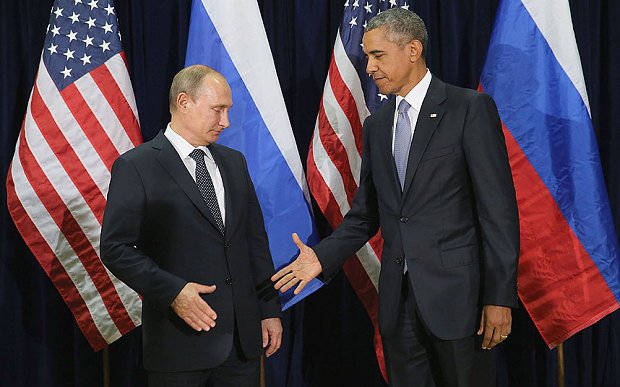
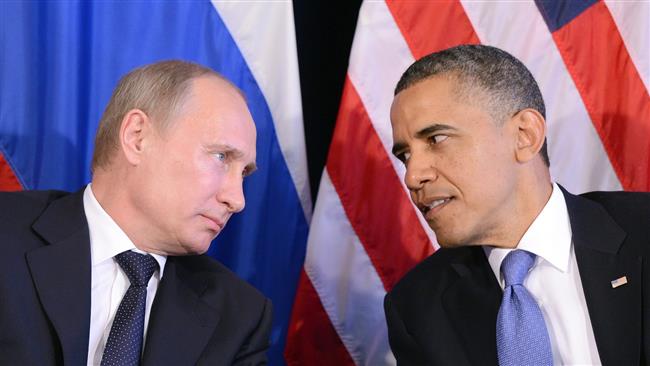
President Vladimir Putin says Russia is considering whether to follow the US and its allies in conducting air strikes against Islamic State (ISIS) targets.
The Russian president spoke after meeting President Barack Obama on the sidelines of the UN General Assembly (UNGA).
However, the meeting, and the two presidents’ speeches at the UNGA, also highlighted splits about how to end the Syrian war.
Russia said it would be an “enormous mistake” not to work with Syria’s President Bashar al-Assad to tackle ISIS.
On September 28, the US and France again insisted that Bashar al-Assad must go.
Photo Getty Images
In response, Vladimir Putin said: “They aren’t citizens of Syria and so should not be involved in choosing the leadership of another country.”
Russia would conduct air strikes only if they were approved by the United Nations, Vladimir Putin said, while also ruling out Russian troops taking part in a ground operation in Syria.
Barack Obama and Vladimir Putin met for 90 minutes on the sidelines of the UNGA in talks that the Russian president called “very constructive, business-like and frank”.
It was Barack Obama and Vladimir Putin’s first face-to-face meeting in almost a year, with the Ukraine war also on the agenda.
A senior US government official said neither president was “seeking to score points” in the talks. Both sides agreed to open lines of communication to avoid accidental military conflict in the region, the official added.
In his speech to the UNGA, President Barack Obama said compromise among powers would be essential to ending the Syrian conflict, which has claimed more than 200,000 lives and forced four million people to flee abroad.
“The US is prepared to work with any nation, including Russia and Iran, to resolve the conflict,” he said.
“But we must recognize that there cannot be, after so much bloodshed, so much carnage, a return to the pre-war status quo.”
Vladimir Putin said it was an “enormous mistake to refuse to co-operate with the Syrian government and its armed forces who are valiantly fighting terrorism face-to-face”.
He also called for the creation of a “broad anti-terror coalition” to fight ISIS, comparing it to the international forces that fought against Nazi Germany in World War Two.
Barack Obama and Vladimir Putin have long differed on Syria: the US opposes President Assad remaining in power, while Russia has been a staunch ally of the regime in Damascus and has recently stepped up military support.
Some Western leaders have recently softened their stance towards Bashar al-Assad, conceding that he might be able to stay in power during a political transition.
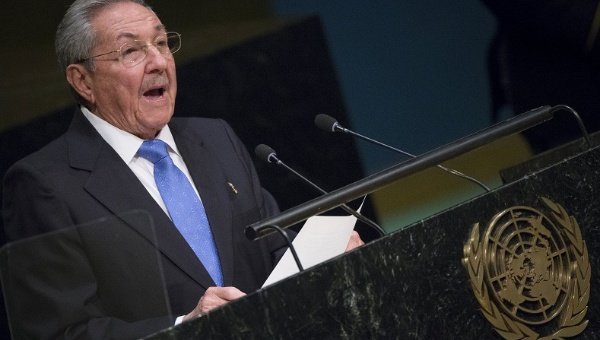
President Raul Castro has called for the US to lift the trade embargo on Cuba in order to normalize the relations between the two countries.
He told the UN that was also necessary for the US to return the military base at Cuba’s Guantanamo Bay and end anti-communist broadcasts to the island.
President Barack Obama also called for the trade embargo to be lifted.
He said that he was confident that the US Congress would do so soon.
The two leaders are expected to meet on September 29 in New York.
Speaking at the UN General Assembly on September 28, President Barack Obama said he thought the Republican-held Congress would inevitably lift “an embargo that should not be in place anymore” despite its reservations over the administration’s support for it.
He said that while the Cuba policy of the US had “failed to improve the lives of the Cuban people”, human rights remained a concern in relations with Havana.
Barack Obama was applauded by delegates in the 193-nation UN General Assembly.
The embargo has been in place since 1960 and remains a contentious issue in relations between Cuba and the US.
President Raul Castro for his part said that now that diplomatic ties were back in place, the overall normalization of relations “will only be achieved with the end of the economic, commercial and financial blockade against Cuba”.
It was Raul Castro’s first address to the UN since succeeding his brother Fidel in 2006. Like Barack Obama, he received sustained applause.
The White House announced on September 27 that President Barack Obama would hold talks with his Cuban counterpart on September 29 on the sidelines of the General Assembly.
It will be their second meeting following on from their first historic get-together in Panama in April.
The UN General Assembly is set to discuss a new draft resolution criticizing the US embargo at a meeting next month.
The assembly has voted every year since 1982 in support of a resolution calling on the US to end the embargo.
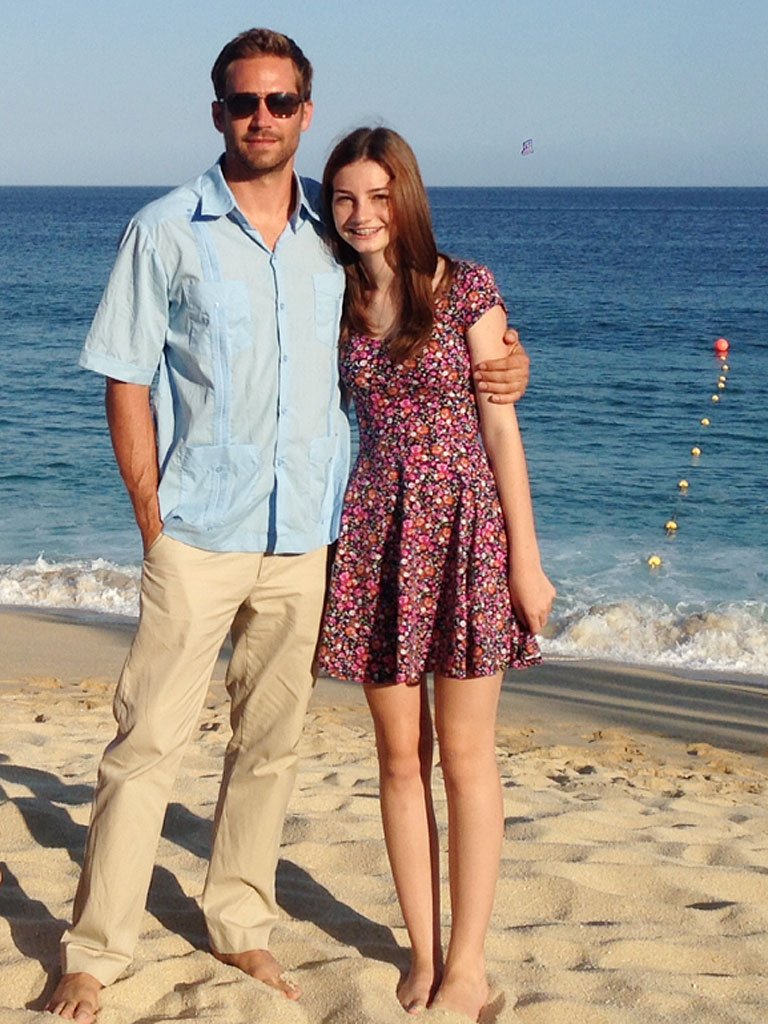
Paul Walker’s daughter, Meadow, is to sue Porsche over the crash in which the actor died.
The lawsuit filed on September 28 by Meadow Rain Walker, 16, seeks unspecified damages for defects that her lawyers claim kept the Fast and Furious actor trapped in the Porsche Carrera GT when it crashed and burst into flames in November 2013.
Paul Walker was a passenger in a Porsche a friend was driving when it hit a pole and burst into flames in November 2013.
The automaker has not yet publicly responded to the claims.
After a four-month investigation, police said the Porsche Carrera GT, driven by Paul Walker’s friend Roger Rodas, was travelling at 94mph in a 45mph zone when it hit a lamp post.
The lawsuit contends that the car was travelling much slower when it went out of control, according to TMZ.
The website, quoting legal documents, says his seatbelt “snapped Walker’s torso back with thousands of pounds of force, thereby breaking his ribs and pelvis,” and trapping him when the vehicle caught fire.
According to the Los Angeles Times, the document claims the car lacked “features that could have prevented the accident or, at a minimum, allowed Paul Walker to survive the crash”.
Meadow Walker has not commented.
Roger Rodas’ widow filed a similar case last year, but Porsche said the crash was his fault, rather than down to design flaws.
Paul Walker’s death occurred on a break in the filming of Fast & Furious 7.
Christmas is celebrated by more than 160 countries but each one has its own traditions and unique festivities. Here are five places which enjoy the most wonderful time of the year in style.
Germany
The tradition of the Christmas tree originated in Germany, so it’s no surprise that this is one of the best countries to celebrate the holiday. The main event is actually Christmas Eve where all presents are exchanged. The country is also famed for its Christmas Markets which run during the month of December with stalls selling decorations, hand crafted gifts and a selection of tasty treats and drinks. If you’re visiting, be sure to try stollen, a popular fruit bread, which is smothered with an indulgent layer of marzipan.
South Korea
South Korea’s capital city, Seoul, offers an authentic Asian Christmas with dazzling light displays and decorated trees on every street corner. With its chilly climate at this time of year, there’s even the possibility of snow. Many of the locals celebrate throughout the month of December with endless parties and events to attend. There’s also a great Christmas market in the neighborhood of Sinchon where you can find unique gifs for your friends and family.
Australia
You won’t find much snow here but you can be guaranteed an enjoyable and once in a lifetime experience. The period coincides with the school summer holidays but that doesn’t stop the Australians from getting in the festive spirit. From Christmas gift wrapping to carol singing and twinkling light displays, it’s a traditional celebration that doesn’t hold back. On the big day and Boxing Day, many people visit the beach and trade in the traditional turkey dinner for a seafood feast.
Jamaica
Christmas is a very popular celebration on this Caribbean Island where family and friends come together to laugh, exchange gifts and drink far too much rum punch. A Christmas Day Breakfast is customary which often includes salt fish, fried plantains and boiled bananas. The evening meal often features curried goat, chicken, rice and peas. Another festive staple is the Jamaican red wine and rum fruitcake which is both boozy and delicious.
Japan
This holiday isn’t celebrated in a religious sense but remains a commercial spectacle with traditions taken from the west. Nonetheless, it’s a great time of year to visit the country, especially for a romantic getaway. Christmas Eve is Japan’s answer to Valentine’s day, where couples walk hand-in-hand and enjoy an intimate meal. On Christmas Day, a recent and unique trend has become very popular. Many families eat fried chicken from KFC, having to order days in advance to secure their Christmas bucket.
We all love spending Christmas at home but it may be worth trying something unique and taking a festive holiday. Tesco could help. It’s a great chance to enjoy a new culture and likely to be an unforgettable experience.
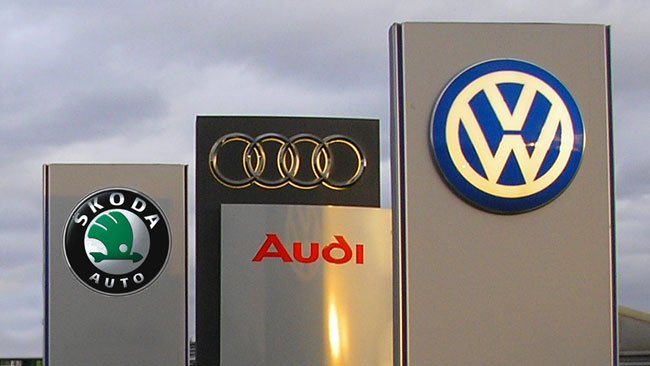
A total of 3.3 million Audi and Skoda cars fitted with the software that allowed parent company Volkswagen to cheat US emissions tests, the automakers say.
Some 2.1 million Audi vehicles affected worldwide include 1.42 million in western Europe, with 577,000 in Germany, and almost 13,000 in the US.
Czech-based Skoda said 1.2 million of its cars were involved, but has yet to give a country or model breakdown.
Meanwhile, German prosecutors started a probe against VW’s former boss, Martin Winterkorn.
Martin Winterkorn will be investigated over “allegations of fraud in the sale of cars with manipulated emissions data,” German authorities said on September 28.
The Audi models affected include the A1, A3, A4, A5, A6, TT, Q3 and Q5 models, a spokesman told the Reuters news agency.
VW said last week that 11 million cars within the group could be affected.
The scandal was revealed after the US Environmental Protection Agency (EPA) found that some diesel cars were fitted with devices that could detect when the engine was being tested and could change the car’s performance to improve results.
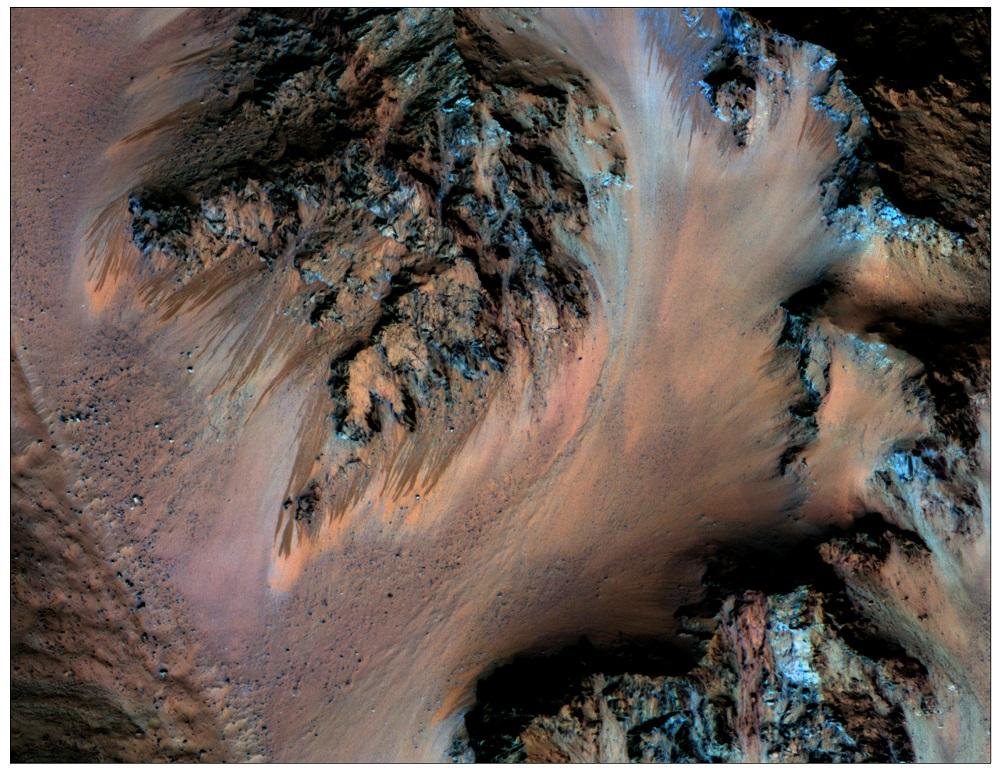
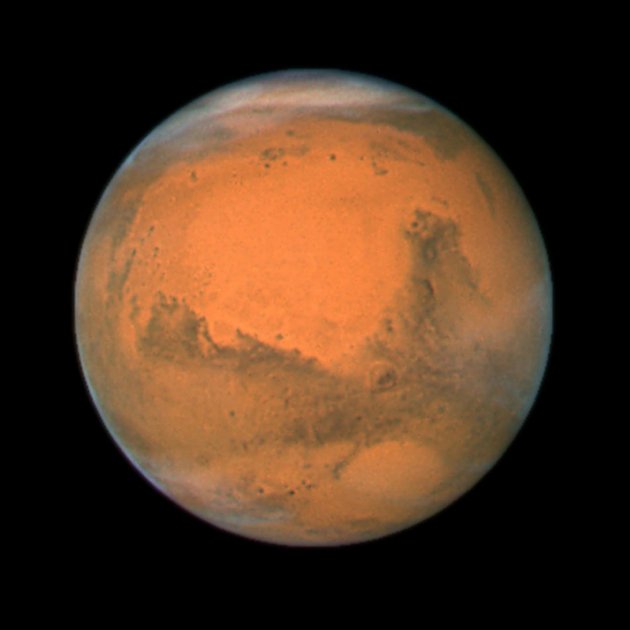
NASA scientists think they can now tie dark streaks seen on the surface of Mars to periodic flows of liquid water.
For a long time, scientists have thought these streaks come from a salty brine that’s solid in the winter but melts in the springtime, streaming downhill. But since the streaks are only 5 meters wide at most, the satellites couldn’t get a clear enough look to analyze their composition.
Data from a NASA’s Mars Reconnaissance Orbiter (MRO) shows the features, which appear on slopes, to be associated with salt deposits.
Crucially, such salts could alter the freezing and vaporization points of water in Mars’s sparse air, keeping it in a fluid state long enough to move.
The study is published in today’s Nature Geoscience.
There are implications for the existence of life on the planet today, because any liquid water raises the possibility that microbes could also be present. And for future astronauts on Mars, the identification of water supplies near the surface would make it easier for them to “live off the land”.
Researchers have long wondered whether liquid water might occasionally flow across the surface today.
Photo NASA
It is not a simple proposition, because the temperatures are usually well below zero Celsius and the atmospheric pressure is so low that any liquid H2O will rapidly boil.
The observation over the past 15 years of gullies and surface streaks that appear to change with the seasons has heightened the speculation.
Dr. Lujendra Ojha has now presented new data from the MRO that seems to solve the conundrum.
MRO has an instrument called Crism that can determine the chemistry of surface materials.
It has looked at four locations where dark streaks are seen to come and go during Martian summer months.
Crism finds these “recurring slope lineae” (RSL) to be covered with salts.
They are salts – magnesium perchlorate, chlorate and chloride – that can drop the freezing point of water by 80 degrees and its vaporization rate by a factor of 10.
The combination allows briny water to stay stable long enough to trickle down hillsides and crater walls.
Quite where the water is coming from to make the streaks is still unclear, however. The locations studied by MRO are equatorial, and any stored water in this region of Mars, perhaps in the form of ice, is thought to exist only at great depth.
One possibility is that the salts actually pull the water out of the atmosphere. The Curiosity rover has found some strong pointers to this mechanism. But again, it is not known whether there is a sufficient supply in the air to facilitate a decent flow.
Another theory is that local aquifers are breaking up to the surface, but this does not really fit with streaks that appear from the tops of peaks.
It is conceivable that streaks are being formed from different sources in different parts of Mars.
The findings strongly suggest that the brine hypothesis is correct—in which case, it would mean there’s liquid water on Mars, at least seasonally. That’s great news for scientists who still think life could be lurking on Mars.
The potential for life on Mars is still a long shot, but worth looking into, the authors write.
“The detection described here warrants further astrobiological characterization and exploration of these unique regions on Mars.”
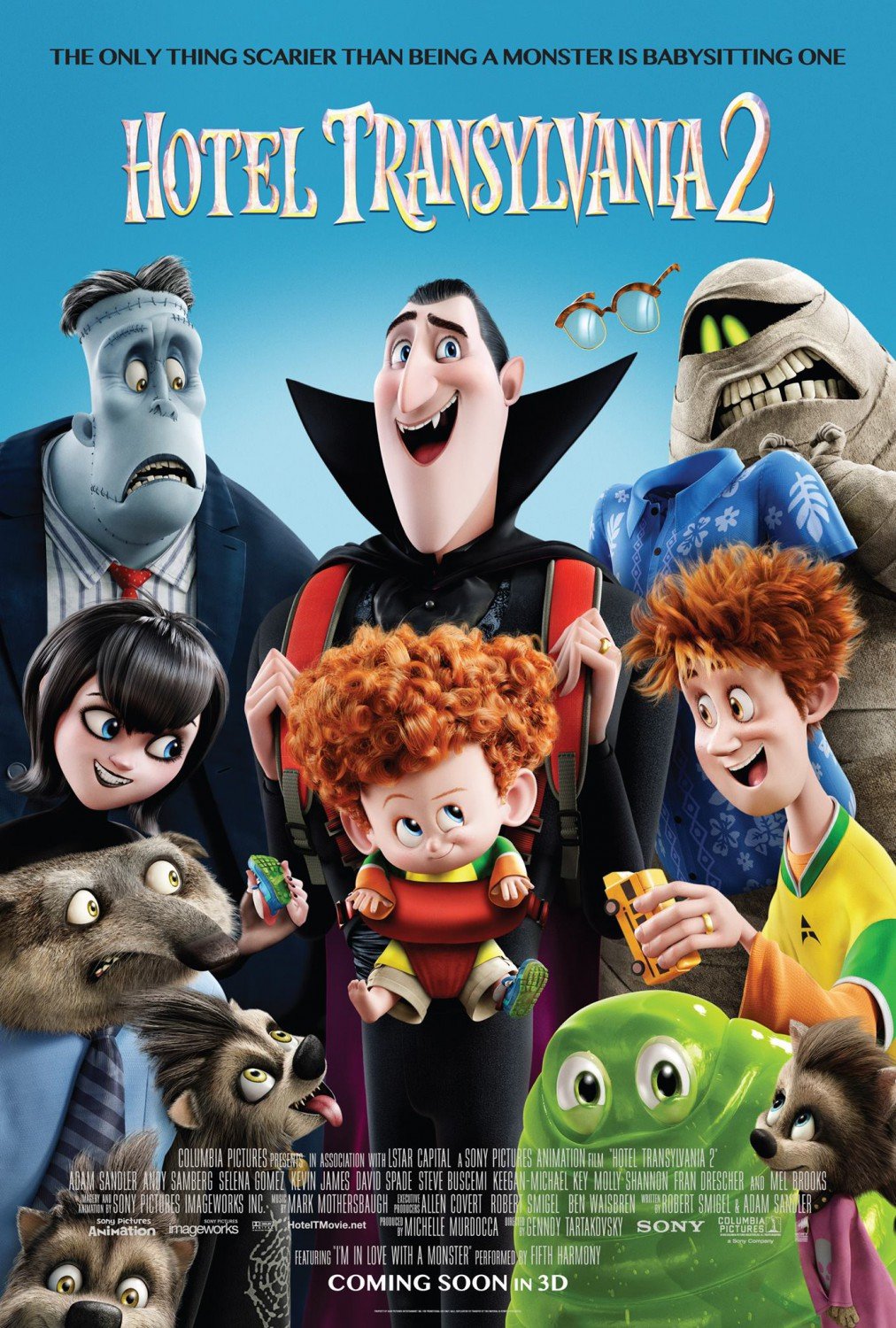
Hotel Transylvania sequel has topped the US box office with $47.5 million on its opening weekend.
The animation movie’s debut is the biggest September opening of all time.
Hotel Transylvania 2 breaks a record held by its predecessor Hotel Transylvania, which opened to $42.5 million in 2012, according to figures from Rentrak.
The story of a hotel for monsters, it features the voices of Adam Sandler, Selena Gomez and Mel Brooks.
The Intern, with Anne Hathaway and Robert De Niro, was at No 2 with $18.2 million.
Written and directed by Nancy Meyers, the office-based comedy stars Robert De Niro as an intern at a fashion website run by Anne Hathaway’s character.
Hotel Transylvania 2‘s success was attributed to early excitement for Halloween and the movie’s broad family appeal, with relatively little competition in the kids’ market until The Peanuts Movie is released in November.
The animation’s $47.5 million takings also far exceeded the studio’s expectations and industry projections, which were between $32-37 million, according to the LA Times.
Jeff Goldstein, executive vice president at Warner Bros, called The Intern “a real hit”, appealing to fans of Nancy Meyers’ previous films such as The Holiday and Something’s Gotta Give.
The audience was 62% female – with 55% of them over the age of 50, not an audience which typically sees films on opening weekend.
Teen sci-fi adventure Maze Runner: The Scorch Trials – last week’s top film in the US and Canada – was in third place with $14 million.
Mountaineering disaster movie Everest, which was only available at IMAX and premium 3D screens last weekend, was in fourth with $13.1 million after expanding to cinemas nationwide.
Eli Roth’s low budget horror Green Inferno opened at nine with $3.5 million.
Drug war thriller Sicario – starring Emily Blunt – managed to make it into the top 10 with $1.8 million from just 59 cinemas, a week ahead of its full US release.
Russian President Vladimir Putin is to hold rare talks with President Barack Obama to outline his proposals on the Syrian conflict which is at the centre of intense diplomatic activity in New York, where world leaders are attending the UN General Assembly.
The Russians are a key ally of Syrian President Bashar al-Assad.
Western leaders have recently softened their stance towards him – conceding that he might be able to stay on during a political transition.
In his opening remarks at the summit, UN Secretary General Ban Ki-moon called for the situation in Syria to be referred to the International Criminal Court, saying there can be no impunity for “atrocious crimes”.
Ban Ki-moon said five countries – Russia, the US, Saudi Arabia, Turkey and Iran – were key to finding a political solution, but unless they could compromise it would be “futile” to expect change on the ground.
Earlier, Moscow suggested there were plans to form an international contact group including all the countries Ban Ki-moon mentioned plus Egypt.
The morning session at the UN is hearing from Presidents Barack Obama and Vladimir Putin, as well as Iranian President Hassan Rouhani and French President Francois Hollande, whose country has just carried out its first air strikes against Islamic State (ISIS) militants in Syria.
The threat of ISIS extremists and the flow of Syrian refugees to Europe has added urgency to the search for a deal to end the civil war.
Vladimir Putin has reiterated his support for Bashar al-Assad, who Western countries and the Syrian opposition have said must go.
The Russian president, who has strongly reinforced Russia’s military presence in Syria, has called for a regional “coordinating structure” against ISIS, and said the Syrian president’s troops were “the only legitimate conventional army there”.
Vladimir Putin said Russia would not participate in any troop operations in Syria.
Relations between Russia and the West have been strained over Moscow’s annexation of Ukraine’s Crimea peninsula last year and its support for separatist rebels in Ukraine’s east.
Vladimir Putin will also meet Iranian President Hassan Rouhani and Cuban President Raul Castro on the sidelines of the assembly, the Kremlin was quoted as saying by Reuters.
President Hassan Rouhani – a key regional ally of Bashar al-Assad – says the government in Damascus “can’t be weakened” if ISIS militants are to be defeated.
Secretary of State John Kerry, however, said the efforts were “not yet coordinate” and the US had “concerns about how we are going to go forward”.
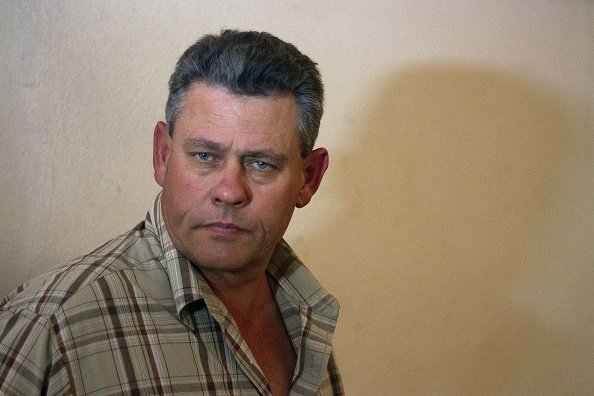
Zimbabwean hunter Theo Bronkhorst, who led the expedition that killed famed lion Cecil, bids to end his trial.
Theo Bronkhorst has been charged with “failing to prevent an illegal hunt”.
Photo AFP/Getty Images
His lawyer told the court the charge was “not clear and the circumstances do not constitute a chargeable offence”, reports AFP news agency.
Cecil the lion – a favorite at Hwange National Park – was shot by American dentist Walter Palmer with a bow and arrow.
Theo Bronkhorst denies any wrongdoing, saying he had obtained all the permits required to kill an elderly lion that was outside the national park boundaries.
The trial in Hwange, south-west of Zimbabwe’s capital Harare, has been adjourned until 15 October.
The magistrate will announce then whether it will go ahead.
NASA officials are set to reveal a major science finding about Mars during a news conference in Washington DC on Monday, September 28, at 11:30 a.m. EDT.
The conference will be streamed live by NASA TV.
NASA described the discovery in a media advisory as a “Mars mystery solved”.
Photo NASA
The space agency currently operates five spacecraft around and on Mars – the rovers Opportunity and Curiosity, which landed in 2004 and 2012, respectively, and the orbiters Mars Odyssey, MRO and MAVEN (which stands for Mars Environment and Volatile Evolution).
Mars Odyssey arrived at the Red Planet in 2001, and MRO got there in 2006. MAVEN just celebrated its one-year anniversary in Mars orbit last week.
Europe’s Mars Express spacecraft and India’s Mars Orbiter Mission probe are also still eyeing the Red Planet from above, bringing the number of currently functional Mars orbiters to five.
MRO’s HiRISE camera features a telescopic lens that can pick out features as small as 3.3 feet (1 meter) across on the Martian surface. The camera also collects images in near-infrared wavelengths, allowing researchers to learn about the mineralogy of Mars.
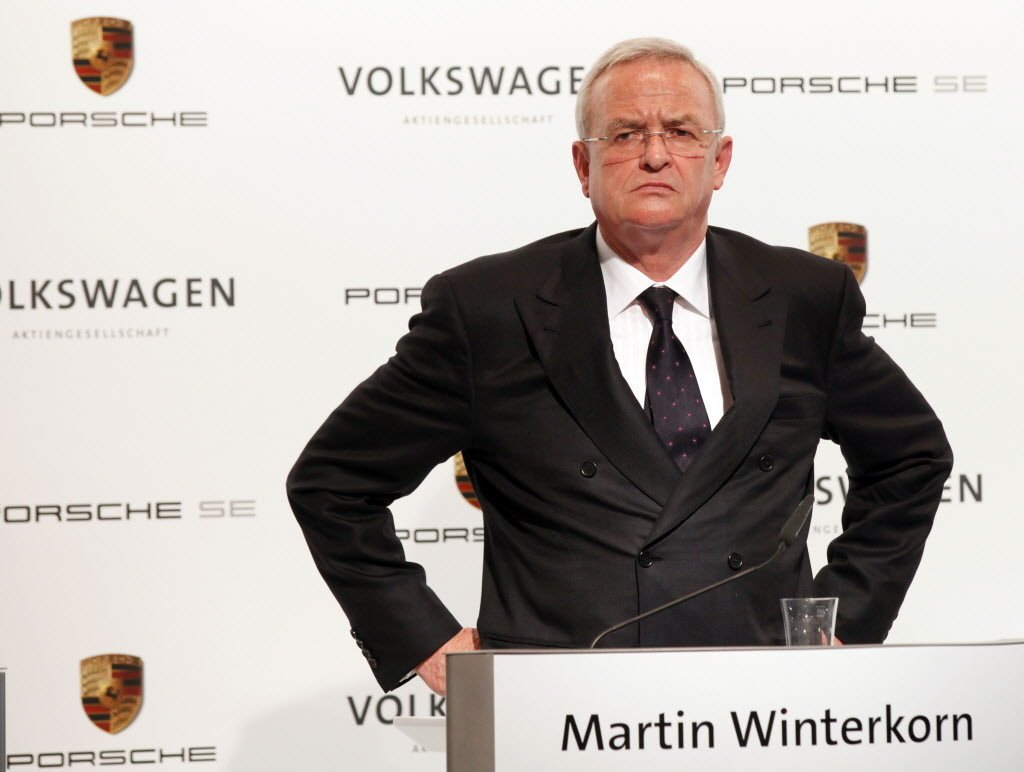
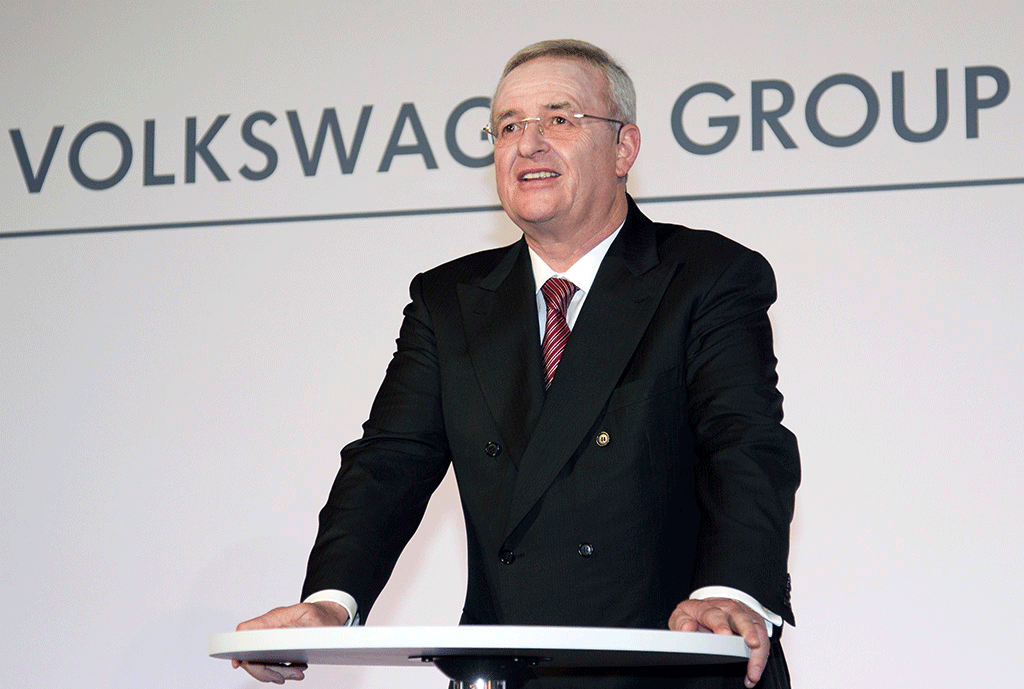
Martin Winterkorn, who resigned as Volkswagen CEO on September 23 at the height of the emissions scandal, could receive a huge sum in pension and severance payments.
He could receive compensation of up to €60 million ($67 million), depending on how the company calculates his severance.
Martin Winterkorn resigned days after VW admitted to systematically manipulating emissions tests on its diesel-powered cars. Up to 11 million cars could have been affected by the scandal.
According to the automaker’s annual report, there are two sources of compensation for Martin Winterkorn upon his departure, as well as perks such as the use of a company car, as long as he is collecting a pension.
By the end of 2014, Martin Winterkorn had amassed a pension worth €28.6 million.
VW report also describes a severance payout rule that gives a departing member of the management board the equivalent of a maximum of two years of his total remuneration.
In 2014, Martin Winterkorn’s severance entitlement totaled €15 million – a combination of a fixed salary of €1.5 million and various benefits and incentives, according to VW’s 2014 annual report.
The exact terms of Martin Winterkorn’s exit package may vary and depend on how the supervisory board characterizes his departure.
According to the rules outlined in VW’s annual report, a management board member who leaves before the end of his contract is only eligible to receive the 2-year severance payout if they leave through no fault of their own. How the VW supervisory board interprets that phrasing remains unclear.
Meanwhile, German prosecutors have started a probe against Martin Winterkorn who will be investigated over “allegations of fraud in the sale of cars with manipulated emissions data”.
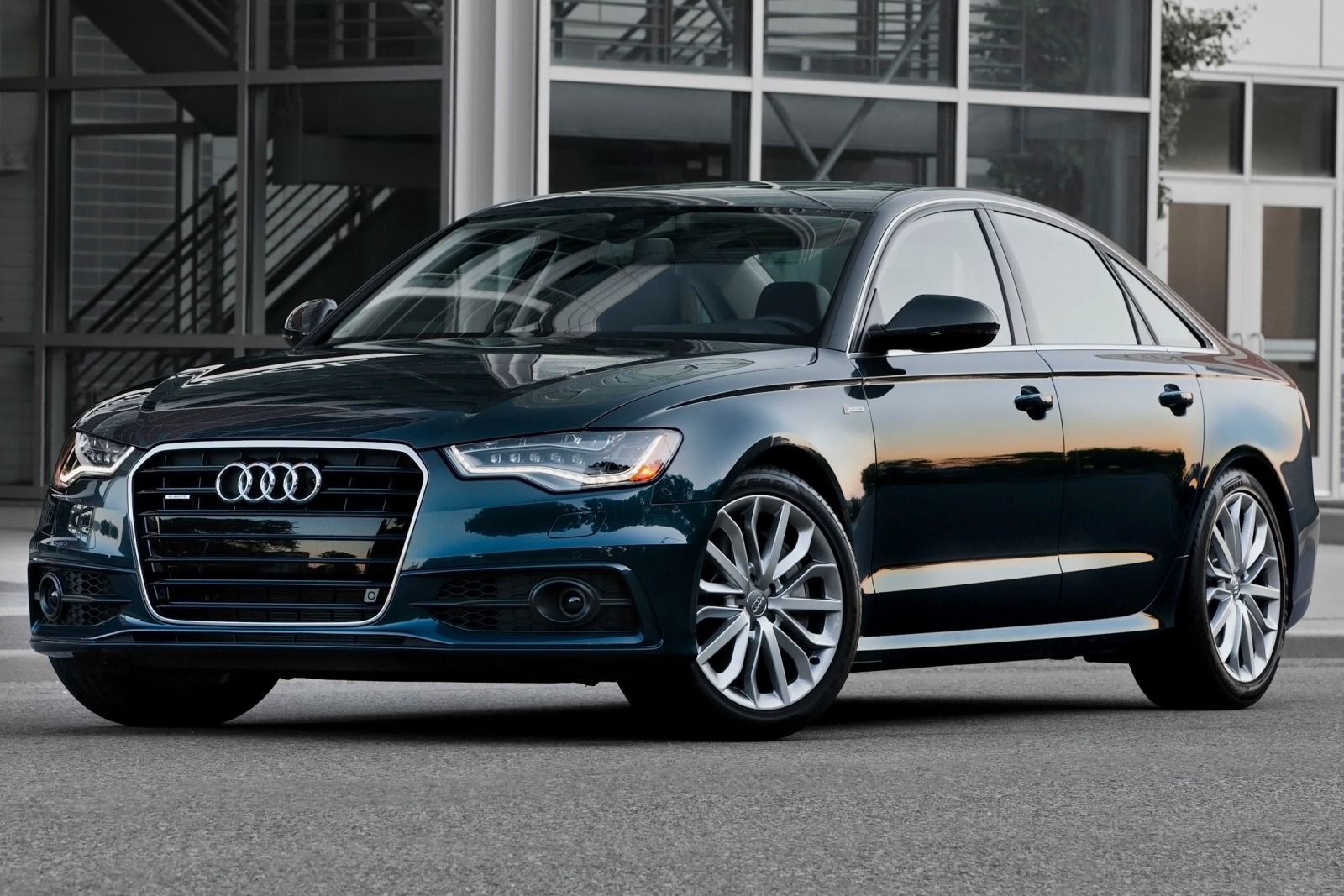
At least 2.1 million Audi vehicles worldwide were fitted with the software that allowed parent Volkswagen to cheat US emission tests, the company says.
Some 1.42 million Audi cars with so-called EU5 engines are affected in Western Europe, with 577,000 in Germany, and almost 13,000 in the US.
Affected models include the A1, A3, A4, A5, A6, TT, Q3 and Q5, an Audi spokesman told the Reuters news agency.
Separately, German prosecutors started a probe against VW’s former boss, Martin Winterkorn.
Martin Winterkorn will be investigated over “allegations of fraud in the sale of cars with manipulated emissions data,” German authorities said on September 28.
The scandal has badly tarnished VW’s name, left it exposed to up to $18 billion in US fines, and wiped a third off its stock market value in a week.
German authorities have demanded that VW set out a timeline by October 7 on how it will ensure its diesel cars meet national emission standards without using cheat technology.
There were widespread German media reports at the weekend that the government ignored warnings two years ago that VW was using the software.
Former VW CEO Martin Winterkorn is under investigation in Germany, prosecutors say.
Martin Winterkorn will be investigated over “allegations of fraud in the sale of cars with manipulated emissions data,” German authorities said on September 28.
VW said last week that 11 million cars within the group could be affected.
The scandal was revealed after the US Environmental Protection Agency (EPA) found that some diesel cars were fitted with devices that could detect when the engine was being tested and could change the car’s performance to improve results.
Volkswagen apologized for breaching consumers’ trust, and on September 25 announced that Matthias Muller was replacing Martin Winterkorn as chief executive.
Matthias Muller promised a “relentless” investigation to uncover what went wrong.
There were also unconfirmed reports on September 28 that senior R&D heads working across the car group had been suspended. Reuters said the suspensions involved staff from the Audi, Porsche and the VW brands.
Meanwhile, VW shares continue to fall in morning trading, sinking a further 6.6% in addition to last week’s tumble.
The scandal has badly tarnished VW’s name, left it exposed to up to $18 billion in US fines, and wiped a third off its stock market value in a week.
German authorities have demanded that VW set out a timeline by October 7 on how it will ensure its diesel cars meet national emission standards without using cheat technology.
There were widespread German media reports at the weekend that the government ignored warnings two years ago that VW was using the software.
However, on September 28, a government spokesman denied this.
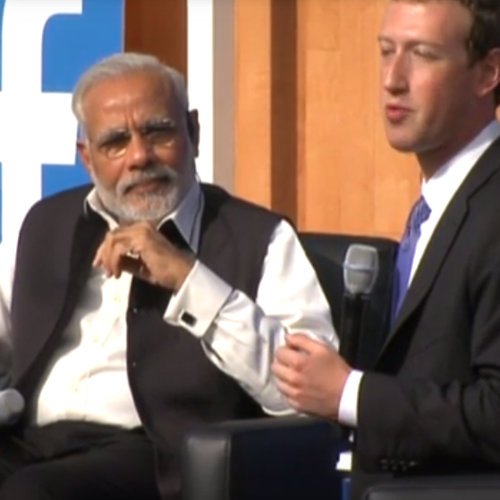
Indian PM Narendra Modi has visited the headquarters of Facebook in California on September 27.
During a Q&A session, Narendra Modi has hailed the political power of social media saying in Hindi: “To leaders all over the world: you are not going to gain by running away from social media.”
Facebook founder Mark Zuckerberg moderated the hour-long event.
Later on Sunday, Narendra Modi was welcomed by more than 20,000 people at a stadium in nearby San Jose.
The SAP Center event also drew protesters against Narendra Modi’s human rights records among other issues.
Speaking at Facebook’s campus in Menlo Park, Narendra Modi said: “The strength of social media today is that it can tell governments where they are wrong and can stop them from moving in the wrong direction.”
“We used to have elections every five years and now we can have them every five minutes,” he added.
Narendra Modi, 65, regularly uses both Facebook and Twitter to communicate with millions of his followers.
Both Mark Zuckerberg and Narendra Modi shared emotional moments during the discussion.
After Mark Zuckerberg pointed out his parents in the audience, Narendra Modi welled with tears speaking about his own.
The prime minister recounted stories from his childhood in a poor family, selling tea at a railway station and doing hard chores to earn money.
“It is hard to imagine that a tea seller has actually become the leader of the world’s biggest democracy,” he said.
Mark Zuckerberg also told of a time when the company was going through what he called a “rough patch”. His late mentor, Apple boss Steve Jobs, advised him to travel to India.
“Seeing the people and how people connected, reinforced what we were doing and is something I’ve always remembered,” he said.
Narendra Modi said he wanted to connect all India’s villages to the internet – around a billion Indians currently lack internet access.
Facebook says its internet.org project, which offers free access to a bundle of mobile phone web apps, can help get the developing world online.
However, the project has drawn criticism in India, accused of favoring Facebook over local services. Mark Zuckerberg has promised to open the scheme to a wider range of apps.
Narendra Modi’s tour of Silicon Valley included meetings with top officials from Apple, Google and other companies.
US tech companies see India as a big commercial opportunity, but want the country to reduce red tape.
Narendra Modi wants to bring the success his compatriots have enjoyed in Silicon Valley – where around one in four tech companies is founded or run by Indians and Indian Americans – back to India.
On September 28, Narendra Modi will attend the UN General Assembly in New York and is expected to hold talks with President Barack Obama.
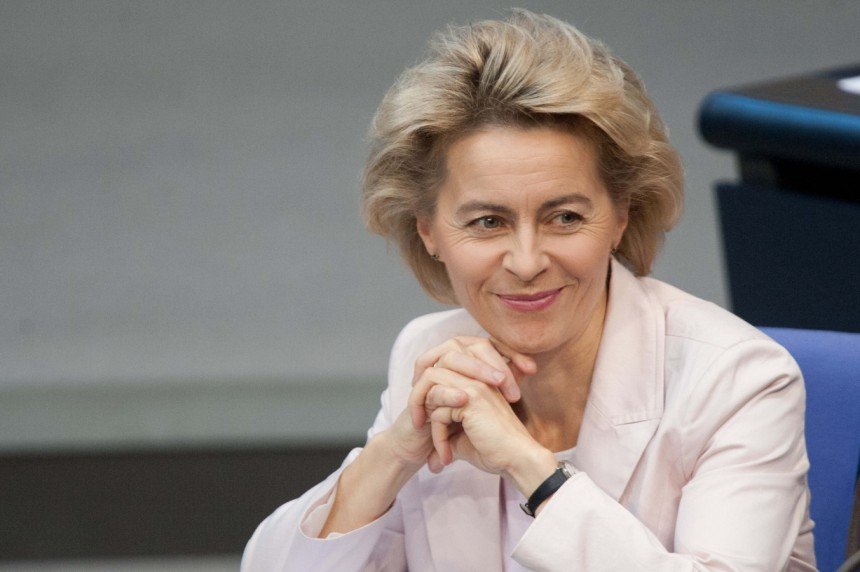
Germany’s Defense Minister Ursula von der Leyen denies claims she plagiarized parts of her doctoral thesis.
The crowd-sourced plagiarism hunting website VroniPlag Wiki claims to have found “elements of plagiarism” on 27 of the 62 pages of Ursula von der Leyen’s 1990 dissertation.
Ursula von der Leyen said she had asked her university to have her thesis evaluated after she learned of the allegations.
Two previous cabinet ministers have stepped down after plagiarism scandals.
Ursula von der Leyen told German media that it was “not new, that internet activists seek to spread doubts on the dissertations of politicians”.
She found out in August that her doctoral thesis was under scrutiny after a tip-off, she told Westfalenpost, and on the same day contacted Hanover Medical School. She has asked them to have an “expert and neutral” commission examine her dissertation, she said.
Ursula von der Leyen, of Chancellor Angela Merkel’s centre-right CDU party, qualified as a doctor in 1987 and was awarded a doctorate in medicine in 1991, according to her website.
She worked as a gynecologist and in public health, and had seven children, before entering politics – initially in the state assembly in Lower Saxony.
Ursula von der Leyen became a federal cabinet minister in Angela Merkel’s first government, in 2005, and has been defense minister since 2013.
Angela Merkel has already lost two cabinet ministers after their respective universities withdrew their doctoral titles following plagiarism claims.
In 2011, then-Defense Minister Karl-Theodor zu Guttenberg resigned after he was found to have copied large parts of his thesis.
In 2013, Education Minister Annette Schavan was forced to step down after her alma mater withdrew her degree.
However, it is not just conservative German politicians who have fallen victims to plagiarism allegations – Silvana Koch-Mehrin from the liberal FDP resigned as vice-president of the European Parliament in 2011 after claims that she did not properly source her university thesis.
Silvana Koch-Mehrin’s university subsequently stripped her of her doctoral title.
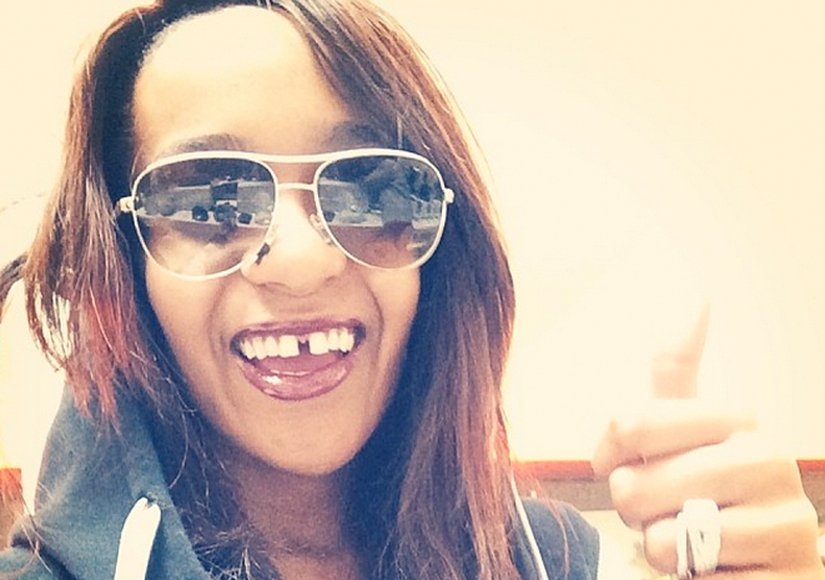
Bobbi Kristina Brown’s cause of death has been determined, but officials say they will not reveal the post-mortem results.
They say a court in Georgia ordered a medical examiner to seal the results.
Whitney Houston’s daughter died at the age of 22 at a hospice on July 26, six months after she was found unresponsive in a bath in her Atlanta flat.
Photo Instagram
The singer also drowned in a bath in 2012.
Whitney Houston died at a Los Angeles hotel on the eve of the Grammy Awards ceremony.
In a statement, the Fulton county medical examiner said Bobbi Kristina Brown’s post-mortem results would not be publicly released on the order of the Fulton county superior court.
“The Fulton County medical examiner has classified the cause and manner of Bobbi Kristina Brown’s death,” it said.
Bobbi Kristina Brown was the only child of Whitney Houston and Bobby Brown.
She was buried in August at the Fairview cemetery in Westfield, New Jersey, next to her mother.