
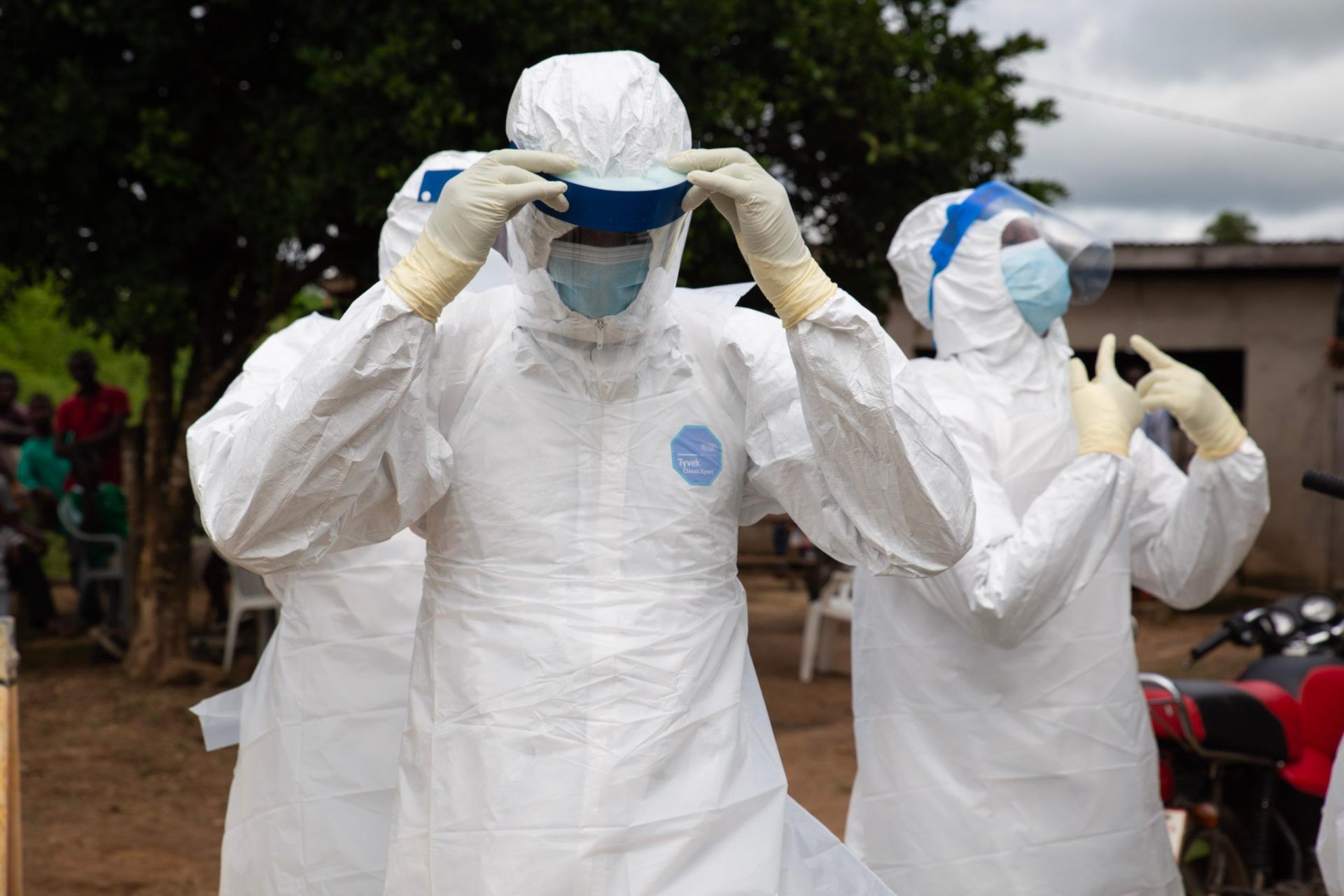
A highly contagious and deadly new outbreak of the Ebola virus has breached international borders after claiming at least 80 lives in the volatile eastern region of the Democratic Republic of Congo (DRC). The rapid escalation has triggered an emergency mobilization by the World Health Organization (WHO) and the Africa Centres for Disease Control and Prevention (Africa CDC), who warn that the virus is spreading through heavily populated mining hubs where existing vaccines are entirely ineffective.
The Index Case and the Silent Spread
The Congolese Health Ministry formally confirmed the outbreak late Friday after laboratory tests conducted in the capital, Kinshasa, identified the pathogen. According to the Health Ministry, the suspected index case was a nurse who died at the Evangelical Medical Centre in the city of Bunia.
Before being detected, the virus spread silently through dense gold-mining communities. Health zones in Mongwalu, Rwampara, and Bunia are currently the epicenters of the crisis, with authorities tracking at least 246 suspected cases. Victims are deteriorating rapidly, presenting with classic hemorrhagic symptoms including high fever, severe muscle pain, vomiting, and internal bleeding.
A Terrifying Twist: The Bundibugyo Strain
In a briefing that has deeply alarmed the international scientific community, genetic sequencing revealed that this is the Bundibugyo strain of the Ebola virus, rather than the more common Zaire variant.
This distinction carries catastrophic implications for containment:
- Zero Vaccine Protection: The global stockpile of licensed Merck and Janssen Ebola vaccines only protects against the Zaire strain. There is currently no approved vaccine or monoclonal antibody treatment for the Bundibugyo variant.
- High Lethality: Historically, this specific strain carries a case fatality rate of up to 50%, leaving medical workers reliant strictly on supportive rehydration therapy.
International Borders Breached
The window for local containment has already closed. Health officials in neighboring Uganda confirmed that the outbreak has become a regional crisis. A 59-year-old man who contracted the virus in the DRC managed to cross the border before succumbing to the disease, testing positive posthumously.
The Africa CDC has expressed grave concern regarding further regional transmission into South Sudan. The affected Ituri province is defined by intense population mobility, cross-border trade, and deep-seated conflict, which makes traditional contact tracing and isolation protocols exceptionally dangerous for humanitarian teams to execute.
War Zone Logistics
This marks the 17th Ebola outbreak in the DRC’s history, a country whose infrastructure has been perpetually battered by ethnic violence and militia warfare. While local health workers possess immense field experience from previous devastating epidemics, the lack of an immunization shield changes the calculus entirely.
Emergency operations centers have been activated, and protective equipment is being rushed to the front lines. However, with a highly mobile mining population and zero pharmaceutical defenses, global health agencies face their most perilous biological threat since the dawn of the decade.