
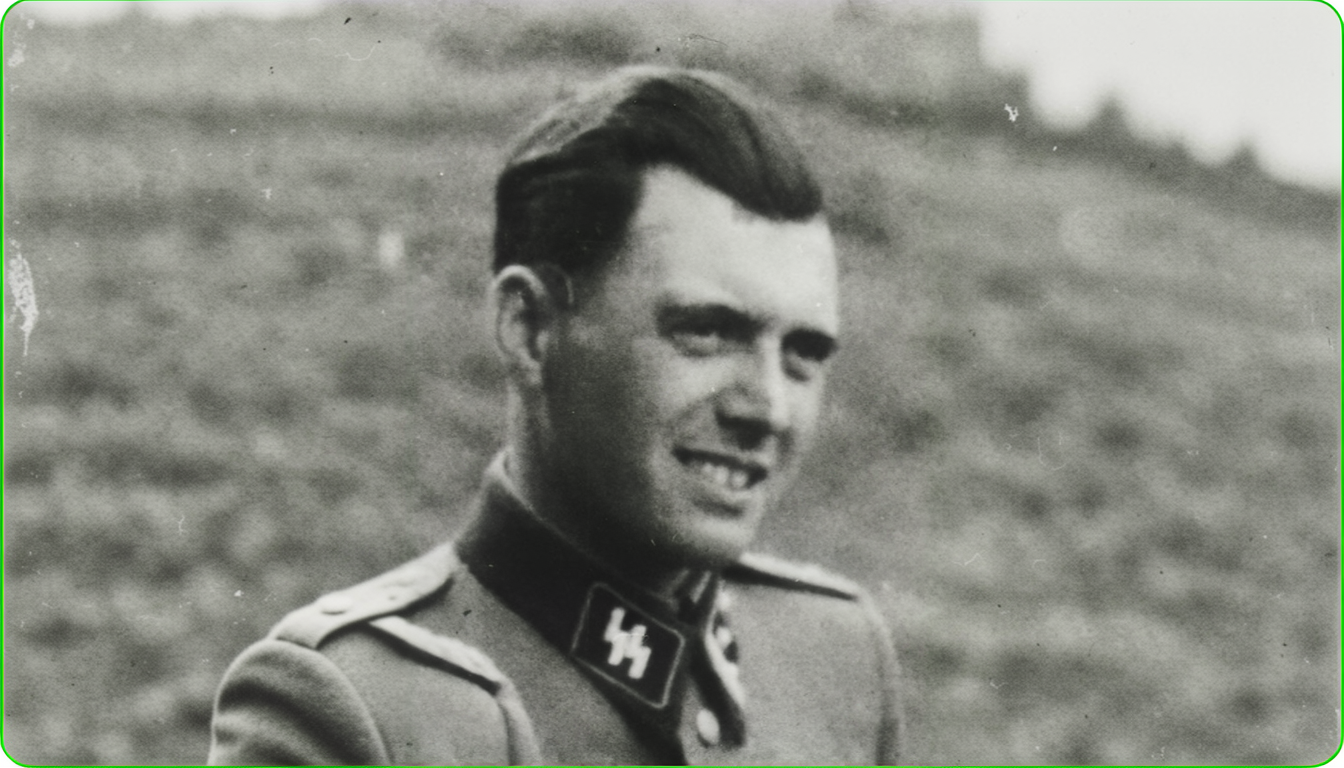
In a stunning reversal that promises to upend decades of official secrecy, the Swiss Federal Intelligence Service (FIS) has announced it will finally lift restrictions on its long-sealed archival dossier concerning Josef Mengele. The decision ends years of rigid institutional refusals and opens the door for historians to uncover how one of the 20th century’s most notorious Nazi war criminals repeatedly evaded justice—and whether Swiss authorities looked the other way.
A Sudden “New Situation”
The restricted files, currently held under extended protection rules at the Swiss Federal Archives, have been fiercely guarded for over two decades. As recently as February 2026, the FIS rejected a formal consultation request, citing the protection of intelligence sources, foreign relations, and the privacy of Mengele’s descendants.
However, faced with a high-profile legal appeal before the Federal Administrative Court, intelligence officials abruptly shifted course. In a brief statement, the FIS cited a “new situation” following a fresh assessment of the dossier, confirming that researchers will be allowed to consult the material under specific conditions and procedures still being finalized.
The Skiing Holiday Rumor and the Escape Network
For decades, historians and Holocaust survivors have pressured Switzerland to come clean about its intersection with the “Angel of Death”. Mengele, an SS physician at the Auschwitz extermination camp, was directly responsible for selecting an estimated 400,000 prisoners—mostly Jews—for the gas chambers. He also conducted sadistic, pseudomedical experiments on children and twins before fleeing Europe at the end of World War II.
The declassification of the Swiss files is expected to illuminate two critical avenues of inquiry:
- The Red Cross Papers: Investigators want to trace exactly how Mengele secured false International Committee of the Red Cross travel documents, which were reportedly issued via a Swiss consulate in Genoa to facilitate his initial escape to South America.
- The 1960s Alpine Excursions: Emerging research suggests that even after an international warrant was issued for his arrest in 1959, Mengele returned to Europe as a tourist. A Zurich-based historian has actively challenged the archive to verify claims that Mengele slipped into Kloten, Switzerland, in March 1961 under a false identity—allegedly to go on a skiing holiday with his wife.
The Shadow of the Bergier Commission
The Mengele dossier was previously scrutinized in the late 1990s by the Bergier Commission, an independent panel appointed by the Swiss government to investigate the nation’s wartime collaboration, dormant bank accounts, and asset handling of Holocaust victims. However, in December 2001, the authorities abruptly re-sealed the Mengele files under an extended restriction period, burying the findings from public view.
The International Auschwitz Committee warmly welcomed the intelligence service’s sudden policy shift, calling it a vital victory for transparency and historical truth. While the FIS has yet to provide an exact date for when the boxes will be unsealed, the decision has already prompted a broader internal review of how Switzerland handles classified archival data from the Nazi era.
Mengele ultimately died by drowning at a Brazilian beach resort in 1979, never having faced trial for his immense crimes. Nearly fifty years later, the opening of Bern’s secret vaults may finally explain how the world’s most hunted man spent his twilight years operating in plain sight.