
Iran has firmly insisted that only a negotiated solution can break the deadlock in its months-long conflict with the United States and Israel, directly responding to President Donald Trump’s blunt public rejection of a proposed roadmap to reopen the strategic Strait of Hormuz.
Speaking after the high-stakes diplomatic friction at the United Nations General Assembly in New York, Iranian Foreign Minister Abbas Araghchi clarified that Tehran’s conditions remain unyielding but emphasized that the path to peace requires mutual diplomacy, not intimidation. “Only a negotiated solution can get them out of this deadlock,” Araghchi posted on social media, dismissing Trump’s assertions of absolute leverage.
The diplomatic standoff leaves one of the world’s most critical maritime energy corridors trapped in a dangerous status quo, balancing on a razor-thin line between a negotiated truce and a sharp return to open hostilities.
Trump Rejects the Weeklong Roadmap
The sudden escalation followed a high-profile pitch by Iranian negotiators. Transmitted to the White House through Qatari mediators, Iran’s proposed seven-day plan offered to instantly halt military operations and restore normal commercial shipping lanes through the Strait of Hormuz.
In exchange, Tehran demanded that the United States lift its crippling naval blockade on Iranian ports, release frozen sovereign assets, and waive severe sanctions throttling Iranian oil sales. The fast-tracked proposal was specifically framed around the upcoming U.S. midterm elections in November, offering the White House a rapid foreign policy victory.
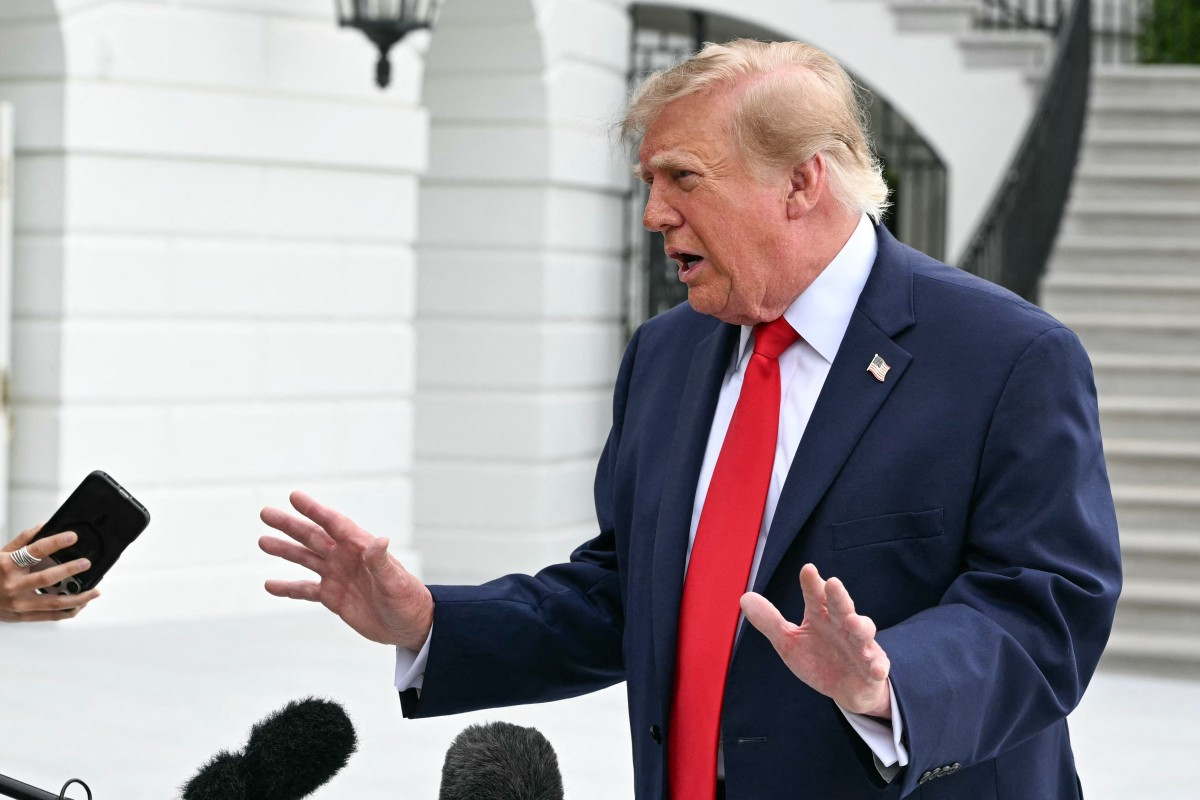
Trump, however, flatly dismissed the timeline. Speaking to reporters on the White House South Lawn, the president claimed the proposal was born entirely out of economic desperation. “I’m rejecting their deal,” Trump declared, adding that Iran is pushing for an immediate agreement on the key waterway because “they’re losing so badly”.
Tehran Digs In, Awaiting Official Channels
Despite the president’s aggressive public dismissal, Iranian officials noted that the backchannel networks handled by regional intermediaries have not yet delivered a definitive, formal refusal from the American government. Araghchi indicated that Tehran would withhold its final tactical decisions until Qatari mediators officially convey Washington’s synchronized stance.
At the same time, the foreign minister made it clear that Iran will not alter its core security baseline under public pressure. The conditions to open the strait remain inextricably linked to the lifting of the maritime blockade, and Iranian authorities maintain that they will continue to manage shipping permits and passage along their sovereign waters regardless of shipping volumes.
” We have never closed the door to diplomacy or negotiations, but at the same time, we have never backed down from our rights,” Araghchi stated via state broadcaster IRIB, mirroring statements from Iranian President Masoud Pezeshkian that the country will not accept “bullying or coercion”.
The Shadow of Post-Election Bombing
The collapse of the latest diplomatic initiative has heightened fears that the seven-month-old conflict—which began with massive U.S. and Israeli airstrikes in late February—is mutating into a permanent, grinding war of attrition.
The U.S. economic blockade has heavily degraded the domestic Iranian economy and prompted neighboring nations to cancel regional flights. Yet Trump’s refusal to accept anything short of an unconditional capitulation has stalled any genuine off-ramp. Privately, senior U.S. officials report that Trump remains profoundly skeptical of Iran’s commitments. Internal leaks indicate the White House is already preparing for a renewed, aggressive aerial bombing campaign against Iranian infrastructure immediately following the November congressional elections.
With the United States content to remain in a state of limbo for the next two months, the risk of miscalculation remains extreme. Iran’s armed forces have already warned they are prepared to deploy “new military technologies” if struck again, and the Revolutionary Guard has threatened direct strikes against warships in the Indian Ocean. Until one side blinks, the Strait of Hormuz remains a volatile choke point where a single spark could easily reignite a regional conflagration.