
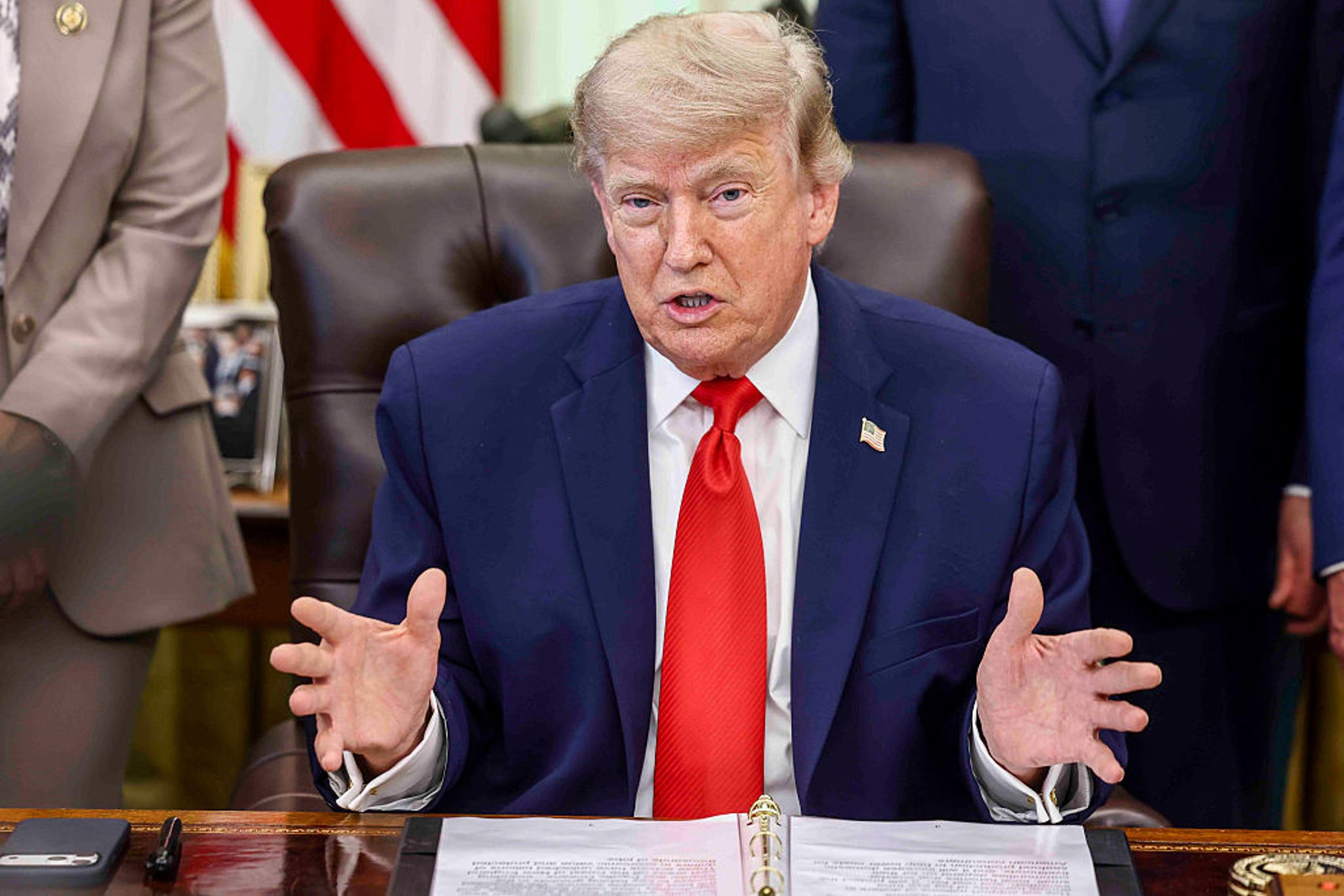
A diplomatic showdown has gripped the international stage as President Donald Trump confidently announced that a historic accord between the United States and Iran would be signed on Sunday, June 14, 2026. Speaking to reporters ahead of a weekend event, Trump claimed that months of back-channel negotiations had finally culminated in a breakthrough deal designed to ease crippling economic sanctions in exchange for strict verifications on Tehran’s nuclear program.
However, the optimistic timeline laid out by the White House was quickly met with skepticism across the globe. Just hours after the president’s remarks, officials in Tehran publicly pushed back, casting deep doubt on whether the remaining technical hurdles could be cleared in time for a weekend signing ceremony.
Conflicting Timelines from Washington and Tehran
The sudden friction highlights the volatile nature of the final hours of international dealmaking. Diplomatic sources suggest that while the broad strokes of the agreement have been ironed out, crucial disagreements persist regarding the exact sequencing of sanctions relief and international inspection schedules.
Trump told a gathering of supporters that the deal was entirely finalized and ready for signatures. He emphasized that the accord would represent a major foreign policy victory, promising to bring long-term stability to the Middle East while protecting American interests.
In sharp contrast, Iran’s Ministry of Foreign Affairs issued a cautious statement acknowledging that substantial progress had been made but emphasizing that a specific date for a formal signing ceremony remained premature. Iranian state media reported that negotiators are still reviewing the finalized legal texts, and officials noted that several highly sensitive points require further internal deliberation before any document is finalized.
European Mediators Call for Patience
The uncoordinated statements have injected fresh anxiety into European capitals, where diplomats have spent months working behind the scenes to facilitate the dialogue. European mediators privately expressed concern that setting hard, public deadlines could inadvertently jeopardize the delicate progress achieved during the secret talks.
Representatives from the United Kingdom, France, and Germany have urged both sides to focus on substance over speed. They noted that rushing a formal announcement before every technical annex is completely verified could create legal loopholes that undermine the durability of the entire pact.
Financial markets have reacted sharply to the unfolding drama, with global oil prices fluctuating wildly as traders weigh the potential return of Iranian crude to the global market against the risk of a last-minute collapse in talks.
The Shadow of Domestic Politics
The diplomatic maneuvering is playing out against a backdrop of intense domestic political pressure within both nations. In Washington, congressional critics from both parties have already voiced deep skepticism, demanding full transparency regarding any concessions made to Tehran and warning against an agreement that fails to address regional ballistic missile programs.
Meanwhile, hardliners in Tehran have consistently warned their own negotiating team against succumbing to Western economic coercion. Analysts suggest that the public pushback from Iranian officials may be partially intended to appease domestic critics and signal that Tehran will not be dictated to by an American legislative or executive timetable.
As the Sunday deadline approaches, the conflicting narratives have transformed what was intended to be a moment of diplomatic triumph into a tense, high-stakes waiting game. Whether the historic text is signed this weekend or delayed by further bureaucratic disputes, the coming hours will determine if decades of deep-seated hostility can finally give way to a verified diplomatic framework.