
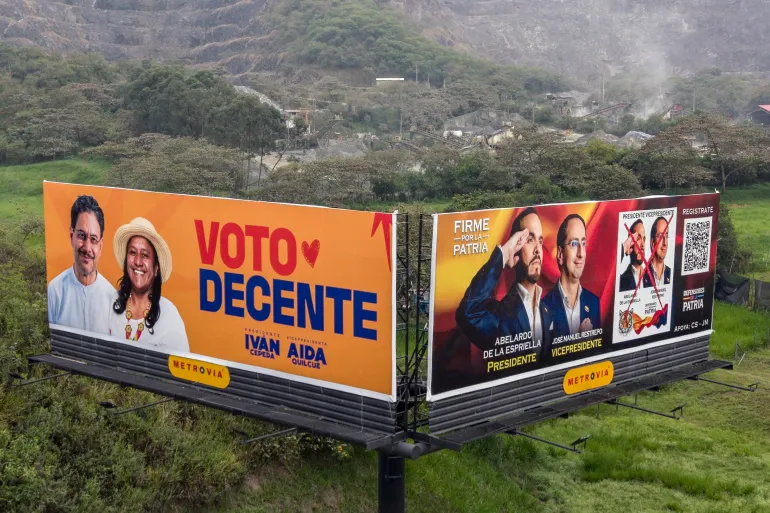
BOGOTÁ — As Colombians prepare to head to the polls, the rhythmic machinery of democracy is being drowned out by the familiar, devastating echo of gunfire. A stark and brutal escalation in the nation’s decades-old internal conflict has shattered years of relative calm, transforming the presidential election from a debate over economic reform into an urgent, existential battle over survival and national security.
Across rural departments like Cauca, Arauca, and Catatumbo, a violent surge by sophisticated guerrilla factions and entrenched drug cartels has effectively paralyzed local campaigns. The worsening humanitarian crisis has fundamentally upended the political landscape, shifting voter priorities away from traditional fiscal issues and forcing the leading candidates to draw clear, high-stakes battle lines over how to pacify a fracturing nation.
A Campaign Trail Under Siege
The reality of the security collapse has made traditional campaigning nearly impossible outside major urban centers. In recent weeks, regional political offices have been targeted with improvised explosives, and several local mayoral and congressional allies have survived targeted assassination attempts.
The primary catalyst for the renewed bloodshed is a fierce, multi-front turf war between the National Liberation Army (ELN) and powerful dissident factions of the Revolutionary Armed Forces of Colombia (FARC) who rejected the historic 2016 peace accord. These insurgent groups, alongside heavily armed neo-paramilitary cartels, are fighting for absolute control over strategic drug trafficking corridors, illegal gold mines, and extortion networks left vacant by previous demobilizations.
Human rights organizations operating on the ground report a terrifying spike in forced displacement, rural lockdowns, and the recruitment of minors. For millions of citizens living along the conflict lines, the upcoming vote is not an abstract ideological choice, but a referendum on whether the state can guarantee their right to live.
Two Divergent Paths to Peace
The intensifying violence has polarized the presidential field, leaving voters to choose between two diametrically opposed strategies for restoring order. The stark divide has eliminated room for political compromise, forcing candidates to pitch radically different visions for the country’s defense apparatus.
- The Strategy of Total Force: On one side, conservative and centrist law-and-order coalitions argue that the current escalation is proof that previous state leniency has failed. Their platform demands an aggressive, military-first approach, promising to deploy elite counter-insurgency battalions, resume controversial aerial fumigation of coca crops, and suspend ongoing peace dialogues until armed groups implement unilateral ceasefires.
- The Strategy of Structural Reform: Conversely, left-leaning and progressive factions argue that purely military solutions ignore the root socioeconomic causes of the violence. Their counter-strategy emphasizes the complete implementation of agrarian reforms, heavy state investment in marginalized rural infrastructure, and a transition toward voluntary crop substitution, arguing that peace can only be achieved by dismantling the financial incentives of the illicit economy.
The Breakdown of Trust
The escalating combat has also reignited fierce debates over the legacy of the 2016 peace agreement. With large swaths of the countryside experiencing violence reminiscent of the darkest days of the 20th-century civil war, public trust in institutions has worn dangerously thin.
Critics of the current administration argue that a failure to effectively govern territories previously surrendered by rebels allowed newer, more predatory criminal syndicates to take root. Meanwhile, defense analysts note that the current wave of violence is increasingly complex, as modern armed groups operate as decentralized criminal franchises rather than cohesive ideological movements, making them far harder to combat or negotiate with.
As the election approaches, the empty campaign stages in Colombia’s peripheral towns serve as a somber reminder of the challenges ahead. The next leader of the republic will not have the luxury of a political honeymoon; they will inherit a nation where the ballot box is under direct assault, and where the first order of business must be reclaiming the state’s monopoly on force.