
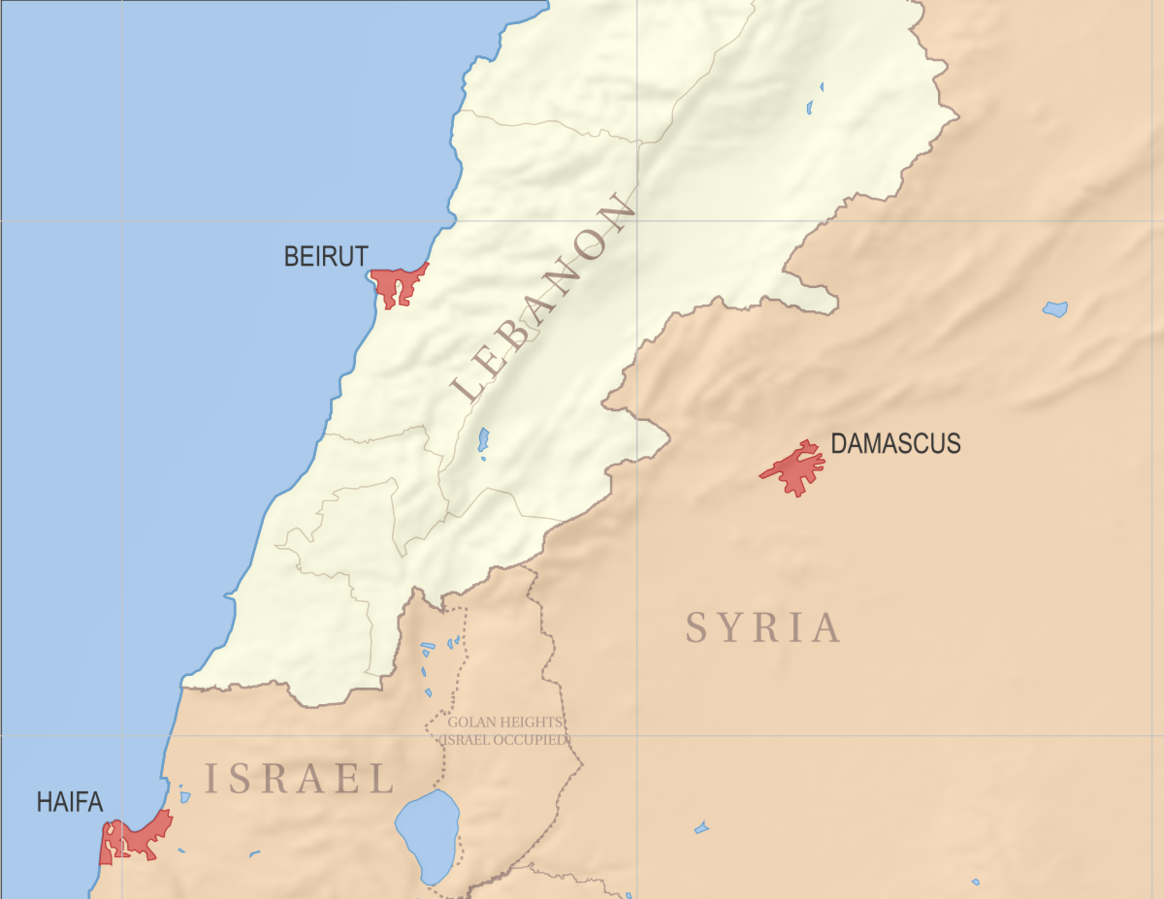
The silence of a month-long ceasefire was replaced by the familiar roar of jet engines and the thud of artillery on Saturday, as Lebanon’s Ministry of Public Health reported that at least 39 people were killed in a wave of intense Israeli airstrikes. The surge in violence marks the deadliest single day in the country since the April 16 truce, threatening to pull the region back into the abyss of full-scale war.
A Village in Mourning
The heaviest toll was felt in the southern town of Saksakiyeh, where a precision strike on a residential structure killed at least seven people, including a young girl. Emergency responders, assisted by heavy machinery and local volunteers, spent the afternoon pulling bodies from the gray concrete dust that was once a family home. At least 15 others, three of them children, were wounded in the same attack.
The Israel Defense Forces (IDF) stated the strike targeted militants operating from within a military building. While the IDF noted they were “aware of reports regarding harm to uninvolved civilians,” they maintained that steps were taken to mitigate collateral damage.
Targeted Strikes and Drone Attacks
The carnage was not limited to the south. In a series of escalatory drone strikes just south of Beirut, four more people were killed when their vehicles were targeted on the coastal road. Meanwhile, in Nabatieh, a Syrian national was killed and his 12-year-old daughter critically injured in what Lebanese officials described as a “pursuit strike” by a drone. According to reports from the ground, the drone struck the father’s motorbike multiple times as he attempted to move his injured daughter to safety.
A Ceasefire in Name Only
Saturday’s violence is the latest in a series of near-daily violations that have plagued the April 17 ceasefire deal. While the agreement sought to end the conflict that began following major regional strikes in March, the reality on the ground has been one of “defensive” skirmishes and retaliatory fire.
- Regional Response: Militant groups claimed responsibility for a drone attack on northern Israel on Saturday, which wounded three soldiers. Lebanese lawmakers stated the national stance remains one of defense against ongoing “aggression.”
- The Humanitarian Toll: Since the renewal of conflict earlier this year, the Lebanese health ministry reports that thousands have been killed, with the displacement of civilians reaching critical levels.

High-Stakes Diplomacy
The escalation comes at a precarious moment for regional diplomacy. The U.S. administration, which recently suggested a permanent deal could be on the horizon, is expected to facilitate a third round of intensive talks in Washington next week.
However, Lebanese leadership has urged the international community to pressure Israel to stop the “bulldozing” of homes in southern villages, warning that peace cannot be negotiated while the border landscape is being systematically erased.
As the sun set over a smoke-filled horizon in southern Lebanon, the hope for a lasting peace deal felt fainter than ever, replaced by the grim reality of a war that refuses to stay dormant.