
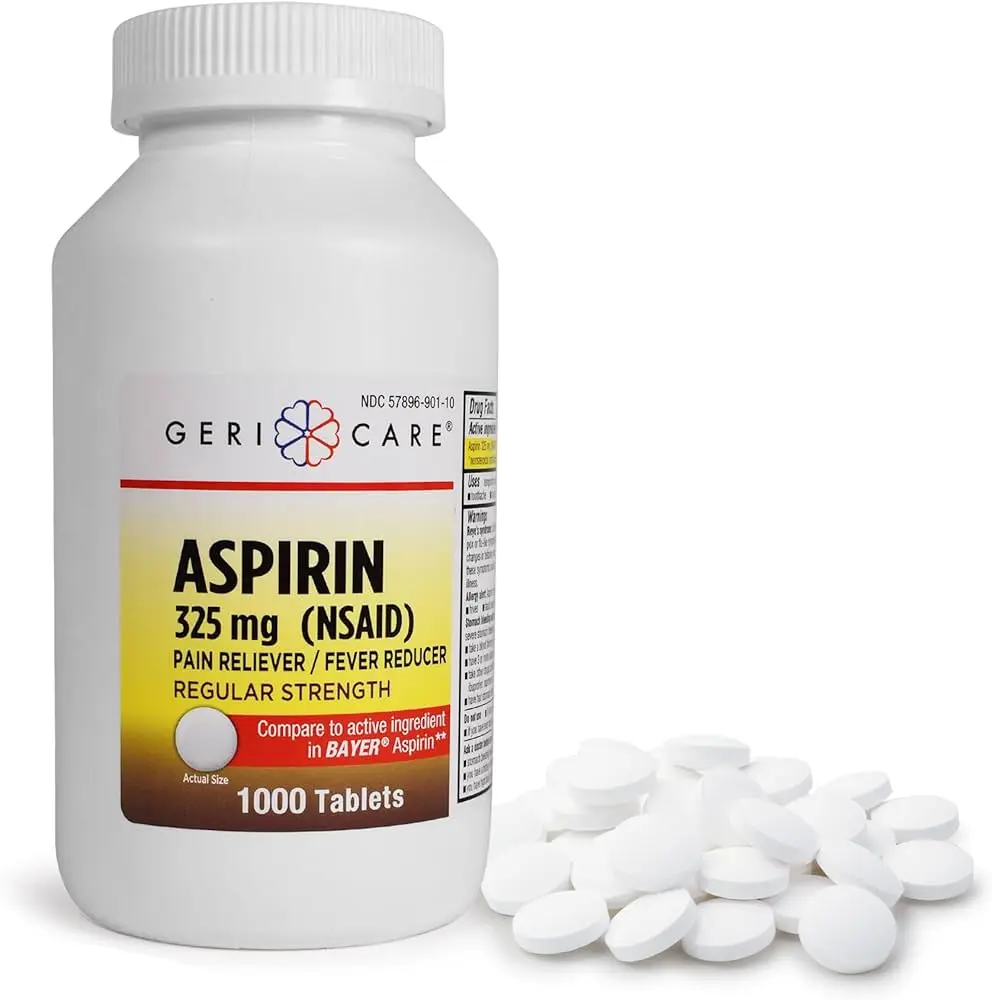
STOCKHOLM — For over a century, aspirin has been the humble workhorse of the medicine cabinet, easing headaches and thinning blood to prevent strokes. But a growing mountain of clinical evidence now suggests this century-old pill may be one of our most potent weapons against cancer—and researchers are finally beginning to understand why.
The breakthrough comes as new guidelines start to reflect a shifting medical consensus: for specific high-risk groups, a “baby aspirin” a day is no longer just for the heart—it’s for the long-term war against tumors.
The “Eureka Moment” in the Blood
While the link between aspirin and reduced cancer risk has been observed for decades, the biological “how” remained a mystery. Recent research has pinpointed a critical mechanism involving the body’s immune surveillance.
- Lifting the Veil: Cancer cells often use blood platelets as a “cloaking device” to hide from the immune system. Platelets release a clotting factor that effectively “turns off” T-cells—the body’s natural assassins.
- The Aspirin Intervention: By inhibiting this clotting factor, aspirin prevents this immune suppression, essentially “unmasking” cancer cells so the immune system can identify and destroy them before they spread—a process known as metastasis.
Tailoring the Treatment: The Rise of Biomarkers
The most exciting frontier is the transition from “one-size-fits-all” to precision prevention. Findings presented at major oncology symposiums have shown that aspirin’s benefits are not universal, but are particularly powerful in patients with specific genetic profiles.
- The PI3K Mutation: Patients with a mutation in the PI3K signaling pathway—found in about one-third of colorectal cancers—saw their risk of cancer recurrence slashed by more than 50% when taking daily low-dose aspirin.
- Lynch Syndrome: For those with this genetic predisposition to colon cancer, long-term aspirin use has been shown to halve the risk of developing the disease, leading to updated clinical recommendations for these patients to start therapy as early as age 20.
The Risk-Benefit Balancing Act
Despite the optimism, experts warn that aspirin is not a “magic pill” for everyone. The drug carries a significant risk of internal bleeding and stomach ulcers, which can sometimes outweigh the preventative benefits for healthy individuals at average risk.
“The data is getting better every year,” say leading researchers in the field. “But the decision must be individualized. We are now at a point where we can begin to say who will benefit, rather than just guessing that everyone might.”
As massive international trials continue to monitor thousands of participants, the medical world is watching closely to see if this ancient remedy from willow bark will become the next gold standard in adjuvant cancer care.