Tuesday, December 9, 2025
Home Blog Page 31

UN Agency WFP Out of Food Aid in Gaza as Israeli Blockade Bites

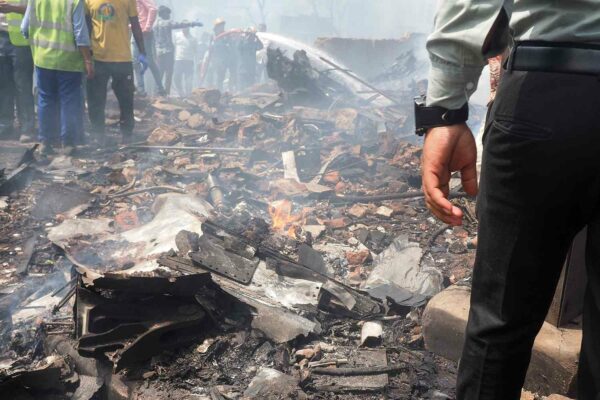
GAZA STRIP – A critical United Nations agency has announced that it has completely exhausted its food aid reserves within the Gaza Strip, a devastating consequence of the sustained Israeli blockade on the territory. The dire warning underscores the rapidly escalating humanitarian catastrophe facing the enclave’s 2.3 million residents, who have now endured nearly eight weeks without essential supplies entering.

The World Food Programme (WFP) confirmed the complete depletion of its food stocks on Friday, stating that the last of its supplies had been distributed to already overwhelmed charity kitchens. These kitchens, which have become a vital lifeline for hundreds of thousands of Gazans – in many cases their only source of sustenance – are now expected to run out of food entirely within the coming days.

“Today, WFP delivered its last remaining food stocks to hot meals kitchens in the Gaza Strip,” the agency said in a stark statement. “These kitchens are expected to fully run out of food in the coming days.”

Israel has maintained a strict blockade on the Gaza Strip since March 2nd, effectively cutting off all deliveries of food, fuel, medicine, and other essential humanitarian supplies. Israeli authorities allege that Hamas, the ruling faction in Gaza, is diverting aid for its own purposes, a claim vehemently denied by the group and humanitarian organizations who maintain strict monitoring protocols.
Image source: wfpusa.org

The closure of all border crossings marks the longest uninterrupted blockade Gaza has faced since the imposition of restrictions years ago. The impact on the civilian population has been catastrophic. The WFP reports that food prices have skyrocketed by as much as 1400% compared to levels during a brief ceasefire earlier this year, rendering even basic necessities unaffordable for most families. Essential commodities like meat, dairy, fresh fruits, and many vegetables have vanished from the markets.

The UN agency further warned of a severe lack of safe water and fuel for cooking, forcing desperate Gazans to scavenge for materials to burn in order to prepare meager meals. This situation has led to a surge in malnutrition, with the UN reporting a significant increase in cases of acute malnutrition among children.

“The situation inside the Gaza Strip has once again reached a breaking point: people are running out of ways to cope,” the WFP cautioned, urging all parties to “prioritize the needs of civilians and allow aid to enter Gaza immediately and uphold their obligations under international humanitarian law.”  

Adding to the urgency, the WFP noted that over 116,000 metric tons of food aid – enough to feed a million people for four months – are currently waiting at the border crossings, unable to enter the territory due to the ongoing blockade.

The international community has increasingly voiced its condemnation of the blockade, with rights groups labeling it a form of collective punishment and a potential war crime. Calls for Israel to immediately allow the unimpeded flow of humanitarian aid into Gaza have grown louder from numerous nations and international organizations.

The complete depletion of UN food aid marks a new and perilous phase in the Gaza crisis, raising the specter of widespread famine and further suffering for a population already reeling from months of conflict and deprivation. The coming days will be critical in determining whether international pressure can compel a change in policy and avert an even greater humanitarian disaster in the besieged enclave.

Wisconsin Judge Arrested Amid Allegations of Obstructing ICE Agents

MADISON, WI – A sitting Wisconsin Circuit Court judge was arrested today following allegations that she actively obstructed federal Immigration and Customs Enforcement (ICE) agents attempting to execute a lawful warrant. The arrest has sent shockwaves through the state’s legal community and ignited a fierce debate over the separation of powers and the role of state officials in federal immigration enforcement.

Judge Audrey Ziegler, who presides over the Dane County Circuit Court, was taken into custody at her residence this morning by federal authorities. While details surrounding the incident remain scarce, sources familiar with the matter indicate that the arrest stems from an alleged confrontation that occurred earlier this week when ICE agents were attempting to apprehend an individual within Judge Ziegler’s jurisdiction.

According to these sources, Judge Ziegler is accused of interfering with the agents’ efforts to execute a federal warrant, potentially by refusing them access to a location or by actively hindering their ability to take the individual into custody. The specific nature of the alleged obstruction has not yet been officially disclosed by federal law enforcement.

The arrest of a sitting judge on federal obstruction charges is an exceedingly rare and serious event, raising profound legal and ethical questions. It immediately throws into sharp relief the complex and often contentious relationship between federal immigration authorities and state and local governments, particularly in jurisdictions where there are differing views on immigration enforcement policies.

The Wisconsin Department of Justice has acknowledged the arrest but declined to provide further comment, citing the ongoing federal investigation. The Dane County Circuit Court has also issued a brief statement confirming the situation and indicating that it is cooperating fully with federal authorities.

“The court is aware of the situation involving Judge Ziegler and is taking it very seriously,” the statement read. “We are in communication with the relevant authorities and will provide further information as it becomes available.”

News of the arrest has already sparked strong reactions across the state. Supporters of stricter immigration enforcement have lauded the federal government’s action, arguing that no individual, regardless of their position, is above the law and that obstructing federal agents in the execution of their duties is a serious offense.

Conversely, civil rights advocates and those who believe in a clear separation between state and federal law enforcement have expressed deep concern. They argue that the arrest could have a chilling effect on the ability of state officials, including judges, to exercise their independent judgment and protect the rights of individuals within their jurisdiction. Questions are being raised about the scope of federal authority and the potential for overreach.

“This arrest raises significant questions about the boundaries between federal and state authority,” said Maria Hernandez, a legal scholar specializing in immigration law at the University of Wisconsin-Madison. “Judges have a duty to uphold the law and ensure due process. It is crucial to understand the specific actions Judge Ziegler is accused of and whether they truly constituted obstruction of a lawful federal warrant.”

The individual ICE agents were attempting to apprehend has not been identified, nor has the nature of the warrant been disclosed. This lack of information further fuels the speculation and legal debate surrounding the case.

Judge Ziegler, who has served on the Dane County Circuit Court for over a decade and is known for her independent streak, now faces serious federal charges. The investigation is likely to proceed swiftly, and the legal proceedings that follow will be closely watched by legal experts, policymakers, and the public nationwide, as they grapple with the implications of a state judge being accused of obstructing federal immigration enforcement.

‘Something Different in the Air’: Hushed Rome Reckons with Pope Francis’s Passing

ROME – A palpable stillness has settled over the normally vibrant streets of Rome in the days following the death of Pope Francis. The boisterous chatter of tourists has softened, the ubiquitous scooter engines seem to hum at a lower register, and a sense of collective contemplation hangs in the warm spring air. As the Vatican prepares for the arrival of world leaders and the hundreds of thousands of pilgrims expected for the late Pontiff’s funeral, the city that served as the backdrop for his transformative papacy is itself undergoing a profound reckoning.

The immediate shock of Monday’s announcement has given way to a more nuanced atmosphere – a blend of solemn mourning, quiet reflection, and an underlying sense of anticipation for what the future of the Catholic Church holds. The iconic landmarks of the city, from the Colosseum to the Trevi Fountain, seem to stand as silent witnesses to this historical juncture.

In the vicinity of the Vatican, the change is most pronounced. St. Peter’s Square, usually teeming with visitors, now hosts a steady stream of mourners, their footsteps echoing on the cobblestones. Lines snake patiently towards St. Peter’s Basilica, where the Pope’s body lies in state, a silent procession of individuals wishing to pay their final respects. The usual hawkers and tour guides have adopted a more subdued demeanor, their voices hushed in deference to the somber occasion.

“There’s something different in the air, isn’t there?” remarked Elena Mancini, a lifelong Roman resident, as she waited in line to enter the Basilica. “It feels like a part of the city’s soul has gone quiet. He was our Pope, even for those who aren’t particularly religious. He brought a different kind of energy here.”

Image source: Vatican City

Local newspapers and television channels are dominated by tributes to Pope Francis, recounting his key initiatives, his often-unconventional style, and the impact he had on both the Church and the world. Op-ed pieces grapple with his legacy, acknowledging both the widespread admiration he garnered and the pockets of resistance his reforms sometimes faced.

Beyond the immediate vicinity of the Vatican, the city is observing the passing of the Pope in its own way. Many shops and businesses are displaying small photographs of Pope Francis, often adorned with a simple black ribbon. Conversations in cafes and piazzas frequently turn to his life and his potential successor.

“It feels like we’re holding our breath a little,” said Marco Giuliani, a taxi driver navigating the quieter-than-usual traffic. “There’s a sense of an era ending, and we’re all wondering what comes next. He shook things up, that Pope. It will be interesting to see who follows him.”

The city’s religious institutions are also playing a central role in this period of mourning. Churches throughout Rome are holding special memorial masses and vigils, providing spaces for prayer and reflection for the local Catholic community.

As Rome prepares to host the influx of global dignitaries for the funeral, a sense of quiet pride mingles with the solemnity. The city, steeped in centuries of religious history, is once again the center of the world’s attention. Yet, amidst the logistical preparations and the anticipation of the conclave, there remains a hushed acknowledgment of the loss of a figure who left an undeniable mark on the Eternal City and its people. The reckoning in Rome is not just about the passing of a leader, but a moment of reflection on his impact and the uncertain path ahead.

Russian General Yaroslav Moskalik Killed in Moscow Amidst High-Level Diplomatic Activity

MOSCOW – General Yaroslav Moskalik, a high-ranking officer within the Russian military, has been found dead in Moscow, authorities confirmed today. The circumstances surrounding his death are currently under investigation, prompting intense speculation and raising questions amidst a period of significant diplomatic engagement between Russia and the United States.  

News of General Moskalik’s death broke earlier this morning, with initial reports offering scant details. Sources within Russian law enforcement later confirmed his identity, but declined to provide further information regarding the cause or time of death, citing an ongoing investigation. General Moskalik held a prominent position within a key department of the Russian General Staff, although his specific responsibilities have not been publicly disclosed.  

The timing of this incident is particularly noteworthy. News of General Moskalik’s death coincides with a high-profile visit to Moscow by a special envoy representing the previous US administration. While the agenda of this meeting between the envoy and President Vladimir Putin has not been officially released, sources suggest discussions are centered on potential pathways for resolving the ongoing conflict in Ukraine and broader issues of strategic stability between the two nations.  

The confluence of these two events has inevitably fueled conjecture. Security analysts are closely watching for any potential links, however tenuous, between the general’s death and the sensitive diplomatic talks. Thus far, there has been no official indication of any connection, and Russian authorities have given no suggestion of foul play, emphasizing the preliminary nature of their investigation.

However, the death of such a senior military figure in the Russian capital is a significant event in itself, bound to trigger heightened scrutiny within military and political circles. Depending on the findings of the investigation, the incident could have implications for internal Russian dynamics and potentially impact the ongoing geopolitical landscape.

The Kremlin has not yet issued an official statement regarding General Moskalik’s death. The US embassy in Moscow has also declined to comment on the matter, referring inquiries to the Russian authorities.

As investigators work to determine the circumstances surrounding General Moskalik’s death, the world watches closely, particularly in light of the delicate diplomatic engagements currently underway in Moscow. The outcome of both the investigation and the high-level talks could have significant ramifications for regional and international stability.

China Accuses Trump’s Deep-Sea Mining Order of Violating International Law

BEIJING – China has strongly condemned President Trump’s recent executive order to expedite deep-sea mining, stating that the move “violates international law and harms the overall interests of the international community.” The order, signed on Thursday, aims to accelerate the process of granting permits for seabed mineral exploration and commercial recovery, both within U.S. waters and in international territories.

Chinese Foreign Ministry spokesman Guo Jiakun stated that the U.S. authorization of exploration and exploitation of mineral resources on its outer continental shelf is against international law. China, while holding a significant number of exploration licenses, has so far refrained from mining in international waters, awaiting the establishment of regulations by the International Seabed Authority (ISA).

Trump’s order relies on a 1980 U.S. law, empowering the government to issue permits in international waters, a move that sidesteps the ISA, a UN-affiliated body that has been working since the 1990s to create a regulatory framework for deep-sea mining. The U.S. has not ratified the UN Convention on the Law of the Sea (UNCLOS), which established the ISA.

Image source: Wikimedia Commons

The White House has defended the order as a means to reduce reliance on foreign sources, particularly China, for critical minerals. These minerals are essential for various industries, including defense, advanced manufacturing, and energy. The order also aims to counter China’s growing influence in the seabed mineral resource sector.

However, environmental groups have criticized the order, warning of potential ecological damage to fragile and largely unexplored deep-sea ecosystems. They argue that fast-tracking deep-sea mining could lead to irreversible biodiversity loss.

China’s reaction highlights the growing tensions surrounding deep-sea mining. While the U.S. seeks to secure its access to critical minerals, China, a major player in the rare earth minerals market, emphasizes the importance of adhering to international law and the ISA’s regulatory process. The legal and environmental implications of deep-sea mining remain a subject of intense debate and international concern.

Golden State Gold Rush: California Overtakes Japan as World’s Fourth Largest Economy

SACRAMENTO, CA – In a seismic shift in the global economic landscape, the state of California has officially surpassed Japan to become the world’s fourth-largest economy. Buoyed by its thriving technology sector, robust real estate and finance industries, and a dynamic entrepreneurial spirit, the Golden State’s economic output reached an estimated $4.1 trillion in 2024, eclipsing Japan’s $4.02 trillion, according to data released by the International Monetary Fund (IMF) and the U.S. Bureau of Economic Analysis (BEA).  

Governor Gavin Newsom announced the landmark achievement on Wednesday, hailing California’s growth trajectory as a testament to its investment in people, commitment to sustainability, and embrace of innovation. “California isn’t just keeping pace with the world — we’re setting the pace,” Newsom declared, emphasizing the state’s 6% growth rate in 2024, which outpaced the expansion of the United States (5.3%), China (2.6%), and Germany (2.9%).  

Silicon Valley’s Engine Roars:

The ascent of California’s economy is largely attributed to the relentless dynamism of Silicon Valley, the global epicenter of technological advancement. Home to giants like Apple, Google (Alphabet), and Tesla, the region continues to attract massive investment and talent, driving innovation across software, artificial intelligence, biotechnology, and clean energy. This technological prowess has not only fueled California’s growth but has also had a profound impact on the global economy.

Beyond tech, California boasts the largest share of manufacturing and agricultural production in the United States, along with the nation’s two busiest seaports and the global hub of the entertainment industry. This diverse economic base provides a strong foundation for continued growth.  

Trump’s Tariffs Loom as Potential Headwind:

Despite celebrating this significant milestone, Governor Newsom issued a stark warning about the potential threat posed by President Donald Trump’s recent imposition of sweeping tariffs on imports. Newsom has been a vocal critic of the administration’s trade policies, arguing that they disproportionately harm California’s import-reliant economy.  

“While we celebrate this success, we recognize that our progress is threatened by the reckless tariff policies of the current federal administration,” Newsom stated. “California’s economy powers the nation, and it must be protected.” The governor has even initiated legal action against the Trump administration over the tariffs, highlighting the potential for “immediate and irreparable harm” to the state’s economy.  

Global Rankings and Future Outlook:

With this achievement, California now trails only the United States, China, and Germany in the global economic rankings. Its $4.1 trillion GDP represents approximately 14% of the entire U.S. economy.  

However, preliminary data suggests that India’s rapidly growing economy is projected to surpass California’s by 2026, indicating that the global economic hierarchy remains dynamic.  

A Symbol of American Economic Might:

California’s rise to become the world’s fourth-largest economy underscores the enduring economic power and innovative capacity of the United States. Despite facing challenges such as high living costs and federal trade headwinds, the Golden State’s ability to outpace major industrial nations like Japan highlights its crucial role as a driver of both national and global economic growth. The world will be watching closely to see how California navigates the complexities of international trade and sustains its impressive economic momentum in the years to come.

Andy Warhol Artwork Trashed! Accidental Destruction During Dutch Town Hall Renovation

MAASHORST, NETHERLANDS – A collective gasp has echoed through the art world and the Netherlands following the startling admission by the municipality of Maashorst that a valuable Andy Warhol screen print of the then-reigning Queen Beatrix has “most likely” been accidentally thrown away. The artwork, part of a collection of 46 missing pieces, vanished during renovations at the town hall in Uden, a borough now incorporated into the new Maashorst municipality.

The missing print is a rare piece from Warhol’s 1985 “Reigning Queens” series, a collection of silkscreen portraits depicting Queen Elizabeth II, Queen Margrethe II of Denmark, and Queen Ntombi Twala of Swaziland alongside the Dutch monarch. Signed prints from this series are highly sought after, often fetching tens of thousands of euros at auction, making this an oversight of potentially significant financial and cultural cost.

According to a statement released by the Maashorst municipality on Thursday, the artworks were stored in a basement during extensive renovation work at the Uden town hall last year. However, when officials of the newly formed Maashorst sought to inventory the collection, a staggering 46 pieces were unaccounted for.

A subsequent independent investigation, commissioned by the municipality between November and March, concluded with the grim assessment that the artworks were likely discarded as trash. The investigation pointed to a confluence of administrative failings, including a lack of clear ownership records, absent policies regarding the renovation process, insufficient action taken when the artworks were initially noticed missing, and a general lack of guidelines for the registration, storage, conservation, and security of the municipal art collection.

“It’s most likely that the artworks were accidentally taken away with the trash,” the Maashorst municipality stated, a starkly understated assessment of a monumental blunder.

Maashorst’s Mayor, Hans van der Pas, expressed his regret to local broadcaster Omroep Brabant, stating, “This is not how you treat valuable items. But it happened. We regret that.”

The news has ignited a wave of disbelief and anger among art historians and the Dutch public. The idea that a signed Warhol print of a former head of state could be so carelessly lost has been met with widespread condemnation. Questions are being raised about the competence and oversight within the municipality’s administration.

While the final report of the investigation will not be made fully public, citing privacy concerns, the core finding – that a valuable piece of art history ended up in a landfill – is a damning indictment of the handling of public cultural assets. The Maashorst municipality has acknowledged the “unacceptable error” and pledged to overhaul its art management procedures to prevent a recurrence.

However, the chances of recovering the unique artwork are considered extremely slim. The image of a potentially iconic Warhol portrait of Queen Beatrix buried under tons of refuse is a deeply unsettling one for art lovers and a stark reminder of the importance of proper stewardship of cultural treasures. The “oops” moment in Maashorst has inadvertently created a cautionary tale for municipalities worldwide.

Gwyneth Paltrow’s Post-Regime Revelations: Bread, Pasta, and the Pursuit of Balance

LOS ANGELES, CA – Gwyneth Paltrow, the Oscar-winning actress turned wellness guru, has confessed to a significant shift in her famously stringent dietary habits. After years of adhering to what she described as a “hardcore” food regime, including a lengthy stint on the paleo diet, the Goop founder revealed she’s now embracing the joys of sourdough bread, cheese, and even “a little pasta.”

Speaking candidly on the latest episode of her “Goop Podcast,” Gwyneth Paltrow, 52, admitted that after several years of a strict paleo lifestyle with her husband, producer Brad Falchuk, she’s feeling “a little sick of it, if I’m honest.” This marks a notable departure for Paltrow, who has often been associated with highly restrictive eating plans, including periods of macrobiotics and the elimination of entire food groups like grains and dairy.

Paltrow elaborated on her past dedication to “eating very, very healthily,” recalling a phase of “hardcore macrobiotics” where she became “obsessed” with consuming only the most virtuous foods. This intense focus, she explained, stemmed partly from a desire to support her late father, Bruce Paltrow, during his battle with throat cancer.

Gwyneth Paltrow on the red carpet at the Marvel’s Iron Man 3 premiere the in Los Angeles

However, the wellness entrepreneur now appears to be advocating for a more balanced approach. While she emphasized her continued commitment to “eating foods that are as whole and fresh as possible” to manage ongoing inflammation and health concerns, she acknowledged the shift towards incorporating previously forbidden items.

“I’m getting back into eating sourdough bread, and some cheese – there, I said it,” Paltrow confessed with a hint of defiance. “A little pasta after being strict with it for so long.”

This admission comes after years of Paltrow’s dietary choices making headlines, often drawing both admiration and criticism. Her past pronouncements on everything from bone broth lunches to elaborate detoxes have positioned her as a leading, albeit sometimes controversial, figure in the wellness space. In 2023, her description of a daily intake consisting largely of coffee, bone broth, and vegetables sparked a debate about restrictive eating.

Now, Paltrow seems to be signaling a move towards a less dogmatic approach to food. She described her current philosophy as using healthy eating as a “good template” while allowing for more flexibility and enjoyment. “I don’t think there is any doctor or nutritionist that would refute that [eating whole and fresh foods] is a good starting point,” she noted.

This dietary evolution could reflect a broader trend in the wellness industry, which has seen a gradual shift away from highly restrictive diets towards more sustainable and inclusive approaches to eating. Whether Paltrow’s newfound embrace of carbs will influence her Goop empire remains to be seen, but for now, it appears even the most dedicated wellness advocates occasionally crave a slice of sourdough.

Who Will Attend Pope Francis’ Funeral?

Hundreds of thousands of people are expected to attend Pope Francis’s funeral on April 26 in St Peter’s Square, among them world leaders, Catholic officials and mourners from around the globe.

Many heads of state and royals have confirmed their attendance,including President Donald Trump and First Lady Melania Trump, Prince William, French President Emmanuel Macron, Spain’s King Felipe VI and Queen Letizia, and Brazil’s President Luiz Inácio Lula da Silva.

Political figures will be out in full force at the ceremony, the most prominent gathering of world leaders since US President Donald Trump’s inauguration.

Pope Francis’s vocal opinions on global issues occasionally put him at odds with leaders – some of whom will be at the funeral.

Image source Wikimedia

When a Pope passes away, the funeral becomes a major global event, drawing a wide range of dignitaries. Here’s who typically attends, and how this might apply to a hypothetical Pope Francis funeral:  

Key Attendees:

  • Heads of State and Government:
    • Given Pope Francis’s global influence, particularly on issues like climate change and social justice, it’s expected that numerous presidents, prime ministers, and monarchs from around the world would attend.  
    • Leaders from nations with significant Catholic populations in Europe and Latin America would be highly likely to participate.  
    • It is reasonable to expect that leaders from major world powers, like the president of the United States, would also attend.  
  • Religious Leaders:
    • In line with Pope Francis’s emphasis on interfaith dialogue, representatives from various Christian denominations (Orthodox, Anglican, Protestant) and other faiths (Jewish, Muslim, Buddhist, etc.) would be present.
  • Royal Families:
    • European royal families, many with historical ties to the Vatican, would likely send representatives.
  • Diplomatic Corps:
    • Ambassadors and other diplomats accredited to the Holy See would be in attendance.
  • Catholic Church Officials:
    • Cardinals from around the globe would convene, both to attend the funeral and to prepare for the subsequent conclave to elect the next Pope.
    • Archbishops, bishops, and other clergy from across the Catholic Church would also attend.  
  • General Public:
    • Hundreds of thousands of pilgrims and members of the public would travel to Vatican City to pay their respects.

Factors Influencing Attendance:

  • Pope Francis’s Global Influence: His focus on social justice and environmental issues would likely attract a broader range of international leaders.
  • Geopolitical Climate: Current international relations could influence which leaders choose to attend.
  • The Pope’s Personal Relationships: Any close relationships Pope Francis had with specific world leaders could also impact attendance.

In essence, the funeral would be a massive, globally significant event, drawing a unique and diverse assembly of political, religious, and public figures.  

Multiple Fatalities as Israeli Strikes Barrage Gaza

GAZA STRIP – A series of intense Israeli strikes across the Gaza Strip have resulted in the deaths of at least 26 Palestinians, according to local medical sources. The aerial bombardments, which began in the early hours of Thursday, targeted various locations, including Gaza City and areas in the north of the enclave, marking a significant escalation in the ongoing conflict.

Medical officials on the ground reported that the majority of the casualties occurred in Gaza City and the northern regions, where the strikes were described as particularly heavy. Eyewitness accounts detailed multiple explosions and the frantic efforts of rescue teams to pull victims from the rubble of damaged buildings.

The intensity of the strikes has overwhelmed already strained medical facilities in Gaza, which are grappling with shortages of essential supplies and an influx of wounded individuals. Doctors and paramedics are struggling to cope with the sheer number of casualties as the bombardments continue.

Image source: Wikimedia Commons

Details regarding the specific targets of the Israeli strikes remain contested. The Israeli military has yet to issue a comprehensive statement on the day’s operations, but has previously stated that its actions target Hamas operatives and infrastructure within the Gaza Strip.

Palestinian sources have condemned the strikes as indiscriminate and targeting civilian areas. Reports indicate that residential buildings and public infrastructure have been hit, leading to the high number of casualties, which includes women and children.

The latest wave of violence comes against a backdrop of heightened tensions and stalled ceasefire negotiations between Israel and Hamas, the ruling faction in Gaza. International efforts to broker a truce have so far failed to yield a sustainable cessation of hostilities.

The international community has voiced increasing concern over the escalating violence and the devastating humanitarian situation in Gaza. Calls for an immediate ceasefire and the protection of civilians have grown louder in recent weeks.

The death toll from the latest Israeli strikes is expected to rise as rescue efforts continue and more information becomes available. The events of today underscore the fragility of the situation in the Gaza Strip and the urgent need for a lasting resolution to the conflict.

Tanzania Retaliates with Import Ban as Trade Spat with South Africa and Malawi Intensifies

DAR ES SALAAM – In a significant escalation of a burgeoning trade dispute, Tanzania has announced an immediate ban on all agricultural imports from both South Africa and Malawi. The move, effective from midnight last night, comes as a direct response to what Tanzanian authorities perceive as unfair and long-standing restrictions imposed by Pretoria and Lilongwe on Tanzanian agricultural exports.

Tanzania’s Agriculture Minister, Hussein Bashe, confirmed the sweeping ban, stating that it was a necessary measure to protect the country’s business interests and ensure reciprocal trade relationships. “We are taking this step to protect our business interests. This is business – in business, we must all respect each other,” Minister Bashe declared, signaling a hardening stance from Dar es Salaam.

The trade row has been simmering for some time. South Africa has for years maintained a prohibition on banana imports from Tanzania, a point of significant frustration for Tanzanian traders. Meanwhile, Malawi, which shares a border with Tanzania, last month implemented a temporary ban on several agricultural imports from its northern neighbor, including flour, rice, ginger, bananas, and maize, citing the need to protect local producers.

Tit-for-Tat Measures Disrupt Regional Trade:

Tanzania’s retaliatory ban is expected to have significant repercussions on trade flows within the Southern African Development Community (SADC), of which all three nations are members. South African exports to Tanzania, particularly fruits such as apples and grapes, will now face an immediate halt.

Landlocked Malawi stands to be particularly affected. The country relies heavily on Tanzanian ports, especially Dar es Salaam, for the transit of its key exports like tobacco, sugar, and soybeans to international markets. Essential imports, including fuel and machinery, also flow through Tanzania. Losing access to these crucial logistical routes could force Malawi to divert shipments through potentially more expensive Mozambican ports like Beira and Nacala.

Image source: Wikimedia Commons

Tanzania Defiant, Assures Food Security:

Minister Bashe was resolute in his defense of the import ban, assuring Tanzanians that it would not compromise the nation’s food security. “No Tanzanian will die from a lack of South African grapes or apples,” he asserted, emphasizing that the move was a strategic decision to safeguard Tanzanian economic interests. He had previously posted a social media video showing a truckload of Tanzanian bananas stranded at the Malawian border, highlighting the difficulties faced by Tanzanian exporters.

While confirming the import ban, Bashe indicated that diplomatic efforts to resolve the underlying trade issues were still ongoing, though previous attempts had yielded little success over the past five years, particularly regarding South Africa’s banana restrictions.

Regional Implications and Uncertain Future:

The escalating trade war raises concerns about the stability of trade relations within the SADC region. Malawi’s Trade Minister, Vitumbiko Mumba, had previously described Lilongwe’s import ban as a “strategic move to create an environment where local businesses can thrive without the immediate pressure of foreign competition.” However, this protectionist stance has now triggered a forceful response from Tanzania.

The governments of South Africa and Malawi have yet to officially comment on Tanzania’s import ban. The coming days and weeks will be crucial in determining whether diplomatic channels can effectively de-escalate the situation and prevent further damage to regional trade and economic cooperation. For now, a busy border crossing between Tanzania and Malawi was reported to be unusually quiet this morning, a stark visual representation of the deepening trade row. 

Anti-Hamas Protests on Rise in Gaza as Group’s Iron Grip Shows Signs of Strain

Anti-Hamas Protests on Rise in Gaza as Group’s Iron Grip Shows Signs of Strain

GAZA STRIP – Rare and increasingly vocal protests against Hamas’s rule are erupting across the Gaza Strip, signaling a potential shift in the group’s long-held authority amidst the devastating consequences of the ongoing conflict with Israel. While Hamas has maintained a tight grip on the enclave since 2007, the scale and persistence of these demonstrations suggest growing public frustration and a possible erosion of their control.

For years, dissent against Hamas’s governance has been muted, often met with swift and firm responses from the ruling faction. However, recent weeks have witnessed a notable uptick in public outcry, fueled by the dire humanitarian crisis, the immense destruction, and a growing weariness of the seemingly endless cycle of violence.

Echoes of Defiance in the Streets:

Reports and social media footage indicate gatherings in various parts of Gaza, including Beit Lahia and other areas that have borne the brunt of Israeli military operations. Protesters have been heard chanting slogans demanding an end to the war, the restoration of basic necessities, and, significantly, calls for Hamas to relinquish control. Phrases like “We want to live in peace” and “Yes to unity, no to terror” have been reported, indicating a desire for a different future for the beleaguered territory.  

This surge in public dissent comes at a time when the humanitarian situation in Gaza is катастрофический. With widespread displacement, shortages of food, water, and medical supplies, and the constant threat of further conflict, the population is facing unprecedented hardship. This desperation appears to be pushing some Gazans to overcome their fear and publicly voice their discontent, even at considerable personal risk.  

Israel is resuming its operations in Gaza, saying Hamas broke planned 72-hour ceasefire just hours after it had begun

Factors Contributing to Rising Discontent:

Several factors are likely contributing to this growing wave of anti-Hamas sentiment:

  • Humanitarian Catastrophe: The sheer scale of destruction and the ongoing deprivation have left many Gazans feeling abandoned and questioning the leadership that has led them into repeated conflicts.
  • Erosion of Trust: Some reports suggest a decline in public trust in Hamas’s ability to protect the population or negotiate a lasting peace. The perceived failure to prevent the extensive Israeli military response following the October 7th attacks has fueled criticism.
  • Desire for Stability: After years of living under blockade and the constant threat of war, a significant portion of the population appears to yearn for a more stable and peaceful future, even if it means a change in governance.
  • Perceived Prioritization: There are growing accusations that Hamas’s focus on armed resistance has come at the expense of the basic needs and well-being of the civilian population.

Hamas’s Response and Future Control:

Hamas has so far refrained from a large-scale violent crackdown on these protests, although some reports of arrests and intimidation have emerged. The group faces a delicate balancing act: forcefully suppressing dissent risks further alienating the population and drawing international condemnation, while allowing the protests to continue could embolden further challenges to their authority.

Analysts suggest that Hamas’s iron grip on Gaza, while still significant, is showing signs of strain under the immense pressure of the ongoing conflict and the deteriorating living conditions. The extent to which these protests will grow and whether they can pose a genuine threat to Hamas’s long-term control remains uncertain.  

However, the emergence of sustained and public anti-Hamas demonstrations represents a significant development in the complex dynamics of the Gaza Strip. It underscores the deep suffering of the civilian population and signals a potential shift in the long-standing power balance within the territory, with an increasing number of Gazans seemingly willing to risk speaking out against the ruling authority in their desperate search for an end to the cycle of conflict and hardship.

Bain of K-Pop Sensation JUST B Comes Out to Fans During Emotional US Concert

LOS ANGELES, CA – In a powerful and heartfelt moment, Bain, a member of the rising K-pop group JUST B, publicly came out to his fans during the group’s concert at the Novo in Los Angeles on Wednesday night. The announcement, delivered with raw emotion and met with an outpouring of love and support from the audience, marks a significant moment for LGBTQ+ representation within the global K-pop industry.

As JUST B neared the end of their set, Bain paused, taking a deep breath before addressing the cheering crowd. Speaking in English, his voice trembling slightly, the 23-year-old singer shared a personal message that resonated deeply with the thousands of fans present and those watching through live streams and social media.

“Tonight is a very special night for me,” Bain began, his bandmates standing পাশে him in a show of solidarity. “For a long time, I have carried something in my heart that I wanted to share with you all, with the people who mean the world to me, our BEATs.” (BEAT is the official fandom name for JUST B).

He continued, his voice gaining strength as he spoke, “I am gay.”

The announcement was met with an immediate eruption of cheers, applause, and supportive shouts from the audience. Many fans held up rainbow flags and signs expressing their love and acceptance. Tears streamed down the faces of both Bain and many in the crowd, creating a powerful atmosphere of vulnerability and connection.

Following his heartfelt confession, Bain expressed his gratitude for the unwavering support of his bandmates, his family, and his fans. “Your love and acceptance mean everything to me,” he said, his voice thick with emotion. “I hope that by sharing this part of myself, I can inspire others to be true to who they are.”

The remaining members of JUST B – Geonu, JM, Sangwoo, Lim Jimin, and Dy – embraced Bain, underscoring their unwavering support for their bandmate. The group then continued their performance, the energy in the venue palpably shifting to one of profound unity and celebration.

Bain’s coming out is particularly significant within the K-pop industry, where LGBTQ+ artists have often faced immense pressure and scrutiny. While there has been increasing visibility and acceptance in recent years, publicly coming out remains a courageous and often challenging decision for idols.

The moment quickly went viral on social media, with #BainCameOut and #WeLoveYouBain trending globally. Fans and fellow artists alike flooded platforms with messages of support and admiration for his bravery. Many praised his decision to share his truth on such a public platform, recognizing the potential impact it could have on young LGBTQ+ individuals around the world.

JUST B’s agency, Blue Dot Entertainment, released a statement shortly after the concert, expressing their full support for Bain’s decision. “We respect Bain’s courage and his decision to share this personal part of himself with his fans,” the statement read. “We will continue to support him and all the members of JUST B in their artistic endeavors and as individuals.”

Bain’s powerful coming out during JUST B’s US tour marks a watershed moment for both the artist and the K-pop industry. His bravery in sharing his truth on stage has not only strengthened his connection with his fans but also serves as an inspiring step forward for LGBTQ+ visibility and acceptance within the global music landscape. The outpouring of love and support that followed his announcement underscores the growing desire for authenticity and inclusivity within the K-pop community.

$TRUMP Meme Coin: Trump Themed-Crypto Soars After Dinner Invitation to Top Holders

President Donald Trump’s meme coin, $TRUMP, has experienced a significant surge in value following an announcement offering a private dinner with the former president to the token’s top holders. The price of $TRUMP jumped as much as 58% on Wednesday, reaching $14.32, after the dinner offer was posted on the coin’s website and X account.  

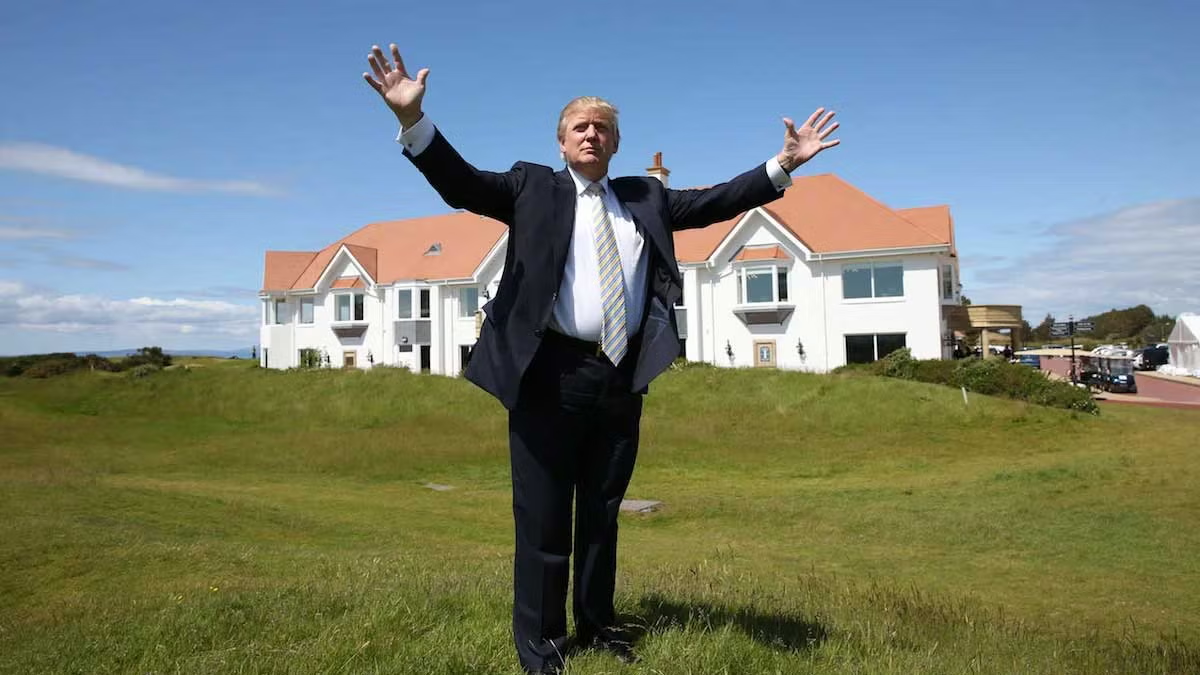
The exclusive dinner, scheduled for May 22, 2025, at Trump National Golf Club in Washington, D.C., is open to the top 220 holders of the $TRUMP token. The top 25 holders will also receive a VIP reception and a special tour. To qualify, holdings are assessed between April 23 and May 12.  

This offer has created a frenzy among investors, eager to secure a spot at the dinner and the exclusive perks that come with it. The $TRUMP coin website features a live leaderboard, updating hourly, intensifying the competition to accumulate and hold the token.  

Despite the recent price surge, $TRUMP remains significantly below its peak of $75.35, reached on January 19, the day before President Trump’s inauguration. The coin, launched just prior to his taking office, experienced an initial meteoric rise before a substantial decline.  

The dinner invitation has injected new life into the meme coin, which had seen its value plummet. Analysts suggest that this strategy of offering real-world access and experiences linked to the token is a novel approach in the meme coin space, potentially creating a longer-term value proposition beyond mere speculation.  

However, the initiative has drawn criticism from ethics watchdogs, who argue that it blurs the lines between political access and financial investment, potentially opening avenues for influence peddling. Senator Chris Murphy (D-CT) described the offer on social media as “brazenly corrupt.”  

Despite the ethical concerns, the market response has been undeniable. The price of $TRUMP has rallied strongly, providing a windfall for those who held onto the digital asset through its earlier slump. The coming weeks will reveal whether this novel strategy can sustain the coin’s value and what implications it holds for the intersection of cryptocurrency, celebrity, and political access.  

Beijing’s Arsenal: The Cards China Holds in a Trade War with the US

BEIJING – As the trade war between the world’s two largest economies intensifies, with the United States slapping unprecedented tariffs of up to 245% on Chinese goods and Beijing retaliating with levies reaching 125% on American imports, the question of leverage becomes paramount. While the US aims to pressure China into concessions, Beijing possesses a significant array of strategic advantages it can deploy in this high-stakes economic battle.  

1. The Pain Threshold: A Matter of Political Economy

China’s authoritarian political system provides a crucial advantage. Unlike the US, where public opinion and electoral cycles heavily influence policy, President Xi Jinping’s government has a higher tolerance for economic pain in the short term. Beijing is less constrained by immediate public sentiment regarding economic disruption, allowing it to play a longer game and potentially outwait Washington’s politically sensitive timelines, particularly with US mid-term elections looming in 2026.  

2. The Power of the Domestic Market:

With a population exceeding 1.4 billion, China boasts a massive domestic market that can absorb some of the impact of reduced exports to the US. While consumer spending has been a recent challenge, the government possesses levers, from subsidies to infrastructure projects, to stimulate internal demand and provide a buffer for affected industries. This internal engine offers a degree of insulation that the US, with a smaller population and greater reliance on consumption, may find harder to replicate.  

3. The Future is Made in China: Advanced Manufacturing and Technological Ambition

Beijing has poured vast resources into transforming its manufacturing sector from a low-cost producer to a high-tech powerhouse. Initiatives like “Made in China 2025” and massive investments in AI, robotics, and renewable energy are creating a more sophisticated industrial base less reliant on basic exports to the US. While supply chain dependencies remain, China’s growing technological prowess provides a crucial long-term advantage in a global economy increasingly driven by innovation.  

4. The Rare Earths Trump Card:

China holds a near-monopoly on the processing of critical minerals, essential components in everything from smartphones and electric vehicles to advanced military hardware. While Beijing has so far been cautious in wielding this power, the potential to restrict or halt exports of these vital materials gives it significant leverage over US industries and global supply chains. Recent reports of halted exports of certain critical minerals serve as a stark reminder of this potent weapon.  

5. Strategic Diversification: The Belt and Road and New Trade Partnerships:

Since the initial trade tensions with the US, China has actively pursued diversification of its trade relationships. Initiatives like the Belt and Road Initiative and strengthened ties with Southeast Asian nations, as evidenced by President Xi’s recent diplomatic tour, are reducing China’s reliance on the American market. These alternative trade corridors and partnerships provide Beijing with options and lessen the impact of US tariffs.  

6. Playing the Long Game: A Consistent Strategic Vision:

China’s centrally planned economy allows for a consistent, long-term strategic vision in trade and economic policy. Unlike the often-shifting priorities of the US administration, Beijing can implement and adhere to long-term plans, offering a degree of predictability to its partners and allowing it to weather short-term pressures with a focus on its overarching goals of global economic influence.  

The Unpredictable Endgame:

While the US possesses its own levers, including the sheer size of its consumer market and its technological innovation in certain sectors, China’s unique blend of political control, economic scale, strategic industrial policy, and control over critical resources presents a formidable challenge in this trade war. The ultimate outcome remains uncertain, but Beijing’s well-stocked hand suggests that this will be a protracted and complex battle with potentially significant global consequences.

Pope’s Funeral: Global Leaders Converge on Vatican City to Mourn Pope Francis

VATICAN CITY – An unprecedented gathering of world leaders, spanning the political spectrum from Washington to Kyiv, is expected to descend upon Vatican City this week to pay their respects at the funeral of Pope Francis. The pontiff, who passed away on Tuesday at the age of 88, leaves behind a legacy of reform and a profound emphasis on global compassion that resonated with figures across diverse ideological divides.  

Among the prominent attendees will be the 45th President of the United States, whose relationship with the late Pope was often marked by contrasting viewpoints but nonetheless held a degree of mutual respect. His presence underscores the global stature of the papacy and the recognition of Pope Francis’s influence on international affairs.  

Ukrainian President Volodymyr Zelensky is also expected to attend, a testament to the Pope’s unwavering calls for peace and his vocal condemnation of the ongoing conflict in Ukraine. The pontiff’s consistent appeals for an end to the violence and his solidarity with the Ukrainian people have been deeply appreciated in Kyiv.  

The attendance of these two figures, representing vastly different geopolitical perspectives, highlights the unique position of the Pope as a moral authority capable of transcending political boundaries in times of mourning and reflection.  

Image source: Vatican City

Numerous other heads of state and government from around the world are also anticipated to be present, including leaders from Europe, Latin America, Africa, and Asia. Royal families, representatives of international organizations, and leaders of other faiths are also expected to join the solemn occasion.  

The Vatican has outlined elaborate protocols for the funeral, which is scheduled to take place in St. Peter’s Square. Hundreds of thousands of mourners are expected to gather to pay their final respects to the pontiff, with millions more following the events through global media coverage.  

Security measures in Rome are being significantly heightened to accommodate the influx of dignitaries and pilgrims. Italian authorities are coordinating closely with the Vatican to ensure the safety and smooth flow of events.

The convergence of such a diverse and influential group of world leaders underscores the significant impact of Pope Francis’s papacy on the global stage. His calls for dialogue, his advocacy for the marginalized, and his powerful voice on issues ranging from climate change to social justice have left an indelible mark, prompting leaders from across the political landscape to unite in mourning his passing. The funeral is expected to be a momentous occasion, reflecting both the solemnity of the loss and the profound global influence of the man who led the Catholic Church for over a decade.  

IMF Slashes Global Growth Forecast, Citing Crippling Impact of Tariffs

WASHINGTON D.C. – The International Monetary Fund (IMF) has sharply downgraded its global economic growth forecast for this year and next, citing the significant and rapidly escalating impact of widespread tariffs imposed by the United States. The multilateral lender’s latest World Economic Outlook, released today, paints a considerably gloomier picture than its January projections, warning of a “new era” of economic fragmentation and increased uncertainty.

The IMF now projects global GDP to expand by just 2.8% in 2025 and 3.0% in 2026, a substantial 0.5 and 0.3 percentage point reduction respectively from its previous estimates. This downward revision reflects the Fund’s assessment of the damaging effects of the sweeping tariffs enacted by the Trump administration on nearly all trading partners, coupled with retaliatory measures.

“A New Era” of Economic Reset:

“We are entering a new era as the global economic system that has operated for the last 80 years is being reset,” stated IMF Chief Economist Pierre-Olivier Gourinchas during a press briefing. He emphasized that the abrupt increase in tariffs and the ensuing policy unpredictability are major drivers of the deteriorating outlook. “If sustained, increasing trade tensions and uncertainty will significantly slow global growth,” Gourinchas warned, noting that the recent U.S. tariff announcements have more than halved the Fund’s outlook for global trade growth this year.

The IMF’s analysis, based on policies implemented up to April 4th, reveals a broad negative impact across the globe. Notably, the forecast does not fully incorporate the latest escalations in tariffs, suggesting that the actual economic fallout could be even more severe if current trends persist.

US Growth Outlook Decimated:

The United States, the instigator of the widespread tariffs, is projected to experience a particularly sharp economic slowdown. The IMF has slashed its growth forecast for the U.S. to a mere 1.8% this year, a dramatic 0.9 percentage point reduction from January. Growth is expected to cool further to 1.7% in 2026. The Fund attributed this decline to “greater policy uncertainty, trade tensions, and softer demand momentum.” Simultaneously, the IMF has significantly raised its inflation forecast for the U.S. to 3.0% this year, anticipating that tariffs will contribute to broader price increases.

Global Trade Grinds to a Halt:

The repercussions of the tariff wars extend far beyond the U.S. The IMF has drastically cut its forecast for global trade growth to just 1.7% this year, more than half the 3.8% growth seen in 2024. This stark reduction underscores the damaging impact of trade barriers on international commerce and supply chains.

Major U.S. trading partners are also facing significant downgrades:

  • China: Growth forecast lowered to 4.0% for both 2025 and 2026, down from previous estimates, as increased government spending struggles to fully offset the tariff impact.
  • Mexico: Projected to contract by 0.3% this year, a staggering 1.7 percentage point reduction, before a modest recovery in 2026.
  • Canada: Growth outlook also sharply reduced.
  • Eurozone: Growth forecast trimmed to 0.8% in 2025 and 1.2% in 2026, with Germany now expected to see zero growth this year.

Risks of Financial Instability Loom:

Beyond the direct impact on economic growth and trade, the IMF also cautioned about increasing risks to global financial stability. The heightened policy uncertainty and volatile markets could strain financial institutions and trigger sharp asset price corrections.

The IMF’s stark warnings underscore the profound risks posed by escalating trade tensions and call into question the sustainability of a global economic system increasingly fractured by protectionist policies. The coming months will be critical in observing the real-world consequences of these tariffs and the potential for a coordinated international response to mitigate the looming economic slowdown.

Putin Signals Russia Open to Direct Talks with Ukraine Amidst Ongoing Strikes

MOSCOW – In a potentially significant shift in rhetoric, Russian President Vladimir Putin has suggested that Russia is open to direct negotiations with Ukraine, even as Russian forces continue to carry out strikes across Ukrainian territory. The apparent willingness to engage in direct dialogue comes after months of escalating conflict and persistent diplomatic deadlock, raising cautious hopes for a possible path towards de-escalation.  

Speaking at a televised meeting with senior officials, Putin stated that Russia “has never refused negotiations” and remains “open to dialogue” with Ukraine. He emphasized, however, that any talks would need to be based on “realities on the ground,” a phrase widely interpreted as a reference to Russia’s territorial gains in eastern and southern Ukraine.  

“We are ready for negotiations, but they must be based on the existing situation, not on some fantasies,” Putin said. “We need to understand the realities that have developed.”

Image source Wikimedia

Strikes Continue Amidst Diplomatic Overture:

The apparent openness to talks comes against a backdrop of continued military activity. Russian forces have carried out a series of strikes on Ukrainian cities in recent days, targeting critical infrastructure and civilian areas. Ukrainian officials have condemned the attacks, accusing Russia of deliberately escalating the conflict.  

The juxtaposition of diplomatic overtures and ongoing military action has raised questions about the sincerity of Putin’s offer. Ukrainian officials have responded with skepticism, demanding concrete actions from Russia to demonstrate its commitment to peace.  

“We have heard these statements before,” said a senior Ukrainian official, speaking on condition of anonymity. “What we need is not words, but actions. Russia must demonstrate a genuine willingness to end the aggression and withdraw its forces.”

International Reaction and Potential Obstacles:

The international community has reacted with cautious optimism to Putin’s remarks, but also with a degree of skepticism. Western leaders have reiterated their support for Ukraine and emphasized the need for any negotiations to respect Ukraine’s sovereignty and territorial integrity.  

Several key obstacles remain to any meaningful dialogue. Russia’s insistence on recognizing its territorial gains is a major point of contention. Ukraine has repeatedly stated that it will not cede any territory to Russia. The issue of war crimes and accountability is another significant hurdle.  

Furthermore, the level of trust between the two sides is extremely low. Months of conflict and accusations of atrocities have eroded any sense of mutual confidence.

A Fragile Hope for De-escalation:

Despite the challenges, the suggestion of direct talks represents a potential shift in the dynamics of the conflict. The possibility of dialogue, however fragile, offers a glimmer of hope for a future resolution.

The coming days and weeks will be crucial in determining whether Putin’s remarks represent a genuine willingness to engage in diplomacy or simply a tactical maneuver. The international community will be closely watching for any concrete steps that could pave the way for meaningful negotiations and a potential end to the conflict.

Conclave Awaits: Who Will Succeed Pope Francis? Key Candidates in an Unpredictable Contest

VATICAN CITY – With the passing of Pope Francis, the world’s attention now turns to the Vatican, where the College of Cardinals will soon gather in a conclave to elect his successor. The process, shrouded in tradition and secrecy, is notoriously unpredictable, but several key figures have emerged as potential candidates to lead the Roman Catholic Church.  

The election of a new Pope is a complex interplay of theological viewpoints, geopolitical considerations, and the often-mysterious workings of the Holy Spirit. While predicting the outcome is a perilous task, certain cardinals, known as papabili (those considered “pope-able”), are generating significant buzz within Vatican circles and among observers.  

Image source AP

Key Cardinals to Watch:

  • Cardinal Matteo Zuppi (Italy): The Archbishop of Bologna, Cardinal Zuppi, is often seen as a leading contender. His pastoral experience, coupled with his reputation as a moderate and bridge-builder, aligns with the style of Pope Francis. His work in mediating international conflicts has also garnered attention.  
  • Cardinal Luis Antonio Tagle (Philippines): The Pro-Prefect for the Dicastery for Evangelization, Cardinal Tagle, is a highly respected figure within the Church. His experience in Asia, a region of growing Catholic influence, and his eloquent communication style make him a compelling candidate.  
  • Cardinal Peter Erdő (Hungary): The Archbishop of Esztergom-Budapest, Cardinal Erdő, is a canon law expert and a respected figure in European Catholicism. His conservative theological views could appeal to cardinals seeking a more traditional direction for the Church.  
  • Cardinal Jean-Claude Hollerich (Luxembourg): The Archbishop of Luxembourg, Cardinal Hollerich, is a prominent voice on social justice issues and a strong advocate for interfaith dialogue. His progressive stance on certain issues could resonate with cardinals seeking continuity with Pope Francis’s legacy.  
  • Cardinal Odilo Scherer (Brazil): The Archbishop of São Paulo, Cardinal Scherer, represents the largest Catholic country in the world. His experience in Latin America and his moderate approach make him a potential consensus candidate.

Factors Shaping the Conclave:

  • Geopolitical Considerations: The geographical representation of the College of Cardinals plays a role, with cardinals from regions like Africa and Asia gaining increasing influence.
  • Theological Debates: The conclave will likely reflect ongoing debates within the Church regarding issues such as social justice, environmentalism, and the role of the Church in the modern world.
  • Continuity vs. Change: Cardinals will grapple with the question of whether to elect a successor who will continue Pope Francis’s reforms or steer the Church in a different direction.
  • The Influence of the Holy Spirit: Ultimately, the election is seen as a process guided by the Holy Spirit, making it inherently unpredictable.

An Unpredictable Process:

The conclave, held in the Sistine Chapel, is a tightly controlled process. Cardinals are sequestered, and their deliberations are kept strictly confidential. The election requires a two-thirds majority, and the process can take days or even weeks.  

While the aforementioned cardinals are considered key figures, the conclave has a history of surprising outcomes. “White smoke” will signal the election of a new Pope, but until then, the world waits in anticipation. The chosen successor will inherit a Church facing numerous challenges, both internal and external, and will be tasked with guiding its 1.3 billion members through a rapidly changing world.

Pope Francis Dies at 88, Leaving Legacy of Reform and Compassion

VATICAN CITY – Pope Francis, the 266th pontiff of the Roman Catholic Church, has died at the age of 88. His passing, announced by the Vatican early this morning, marks the end of a transformative papacy characterized by a focus on social justice, interfaith dialogue, and a profound emphasis on the pastoral role of the Church.  

Elected in 2013, Cardinal Jorge Mario Bergoglio of Argentina became the first Latin American Pope, choosing the name Francis in honor of St. Francis of Assisi, a symbol of poverty and simplicity. His election signaled a shift in the Church’s priorities, with a renewed emphasis on serving the marginalized and addressing global inequalities.  

A Papacy of Profound Impact:

Pope Francis’s tenure was marked by a series of significant actions and pronouncements that resonated far beyond the Catholic Church.

  • Emphasis on the Poor and Marginalized: He consistently spoke out against economic inequality, environmental degradation, and the plight of refugees and migrants, urging the Church and the world to embrace a “culture of encounter.”  
  • Reform of the Vatican: He initiated significant reforms within the Vatican bureaucracy, aiming to increase transparency and accountability, particularly in financial matters.  
  • Interfaith Dialogue: He actively promoted dialogue with other religious leaders, fostering closer relationships with Jewish, Muslim, and Orthodox Christian communities.  
  • Environmental Advocacy: His 2015 encyclical “Laudato si’,” a powerful call to action on climate change and environmental stewardship, garnered global attention and influenced international policy discussions.  
  • Pastoral Approach: He emphasized a pastoral approach to complex issues, advocating for a Church that is merciful and inclusive, particularly towards those on the margins of society.  
Image source Wikimedia

A Global Figure:

Pope Francis’s approachable demeanor and genuine compassion earned him widespread admiration, even among those outside the Catholic faith. He became a global figure, using his platform to address pressing issues and advocate for peace and justice.  

His health had been a subject of increasing concern in recent years, but he continued to carry out his duties with remarkable dedication. The Vatican’s statement indicated that he passed peacefully, surrounded by close aides.  

Mourning and Succession:

The Vatican has begun the traditional period of mourning, with ceremonies and tributes planned in St. Peter’s Square. Cardinals from around the world will soon convene in a conclave to elect his successor.

The passing of Pope Francis leaves a void in the Catholic Church and the world. His legacy of reform, compassion, and unwavering commitment to social justice will continue to inspire generations to come.  

Pope Francis Delivers Easter ‘Urbi et Orbi’ Blessing, Calls for Global Peace and Unity

VATICAN CITY – From the central balcony of St. Peter’s Basilica, a recovering Pope Francis today delivered his traditional Easter Sunday “Urbi et Orbi” blessing, addressing the city of Rome and the world with a message of hope, peace, and unity. Despite ongoing health concerns following a recent bout of pneumonia, the Pontiff appeared resolute as he imparted the solemn blessing, a highlight of the Christian calendar marking the resurrection of Jesus Christ.

While the Holy Week liturgies leading up to Easter saw key roles delegated to cardinals, anticipation had been building throughout the morning regarding the Pope’s participation in the “Urbi et Orbi.” Ultimately, Pope Francis made a significant appearance, delivering the blessing himself, though the traditional lengthy address on global issues was notably absent.

Instead, Cardinal Angelo Comastri, the Archpriest Emeritus of St. Peter’s Basilica, presided over the Easter Morning Mass in St. Peter’s Square, which preceded the papal blessing. Following the Mass, a hushed anticipation fell over the tens of thousands gathered in the square and the millions more watching via global broadcast as Pope Francis was assisted to the balcony.

A Concise Message of Easter Hope:

The Pontiff’s message, while brief, carried the weight and significance of the occasion. He spoke of the joy and hope inherent in the resurrection, emphasizing its universal message of overcoming darkness and despair.

“Christ is risen! He is truly risen!” the Pope declared in Latin, his voice clear despite his recent illness. He then invoked the traditional blessing, extending it to all those present and those following through various media.

The “Urbi et Orbi” blessing, which translates from Latin to “to the city and to the world,” is the most solemn form of blessing in the Catholic Church. Traditionally given only on Easter, Christmas, and upon the election of a new Pope, it carries with it the granting of a plenary indulgence for those who devoutly receive it, under the usual conditions.

Focus on Unity Amidst Global Challenges:

While the Pope did not deliver an extended discourse, the very act of his presence and the impartation of the blessing were seen as a powerful symbol of continuity and spiritual leadership. In his brief remarks, he alluded to the many challenges facing the world, reiterating his consistent calls for peace, reconciliation, and solidarity among nations.

The delegation of some Holy Week duties to cardinals, particularly Cardinal Giovanni Battista Re who presided over the Easter Vigil on Holy Saturday, had raised concerns about the Pope’s ability to fulfill all traditional Easter obligations. However, his appearance today for the “Urbi et Orbi” will likely reassure many of the faithful.

Global Audience Receives Papal Blessing:

The blessing was broadcast live across the globe, reaching millions of Catholics and non-Catholics alike. The image of the Pope, standing on the iconic balcony overlooking St. Peter’s Square, served as a powerful visual representation of the Easter message radiating outwards.

As celebrations continue around the world on this Easter Sunday, Pope Francis’s “Urbi et Orbi” blessing serves as a poignant reminder of the central tenets of Christianity and a call for global unity and hope in a world often marked by division and strife.

Easter Joy Resounds Globally: Celebrations Mark Day of Resurrection and Renewal

Today, across continents and cultures, a spirit of joy and renewal has swept the world as billions commemorate Easter Sunday. From solemn religious services to vibrant cultural traditions, communities have come together to mark this pivotal day in the Christian calendar, celebrating the resurrection of Jesus Christ and embracing themes of hope, new beginnings, and the triumph of life.  

In the heart of Christianity, solemn and celebratory church services are the cornerstone of Easter Sunday. Congregations, adorned in their finest attire, filled cathedrals and local parishes alike. Hymns of praise echoed through sanctuaries, and scriptures recounting the resurrection story were shared, reaffirming the central tenet of Christian faith: the victory over death and the promise of eternal life. For many, Easter Sunday marks the culmination of the Holy Week observances, following Good Friday’s somber reflection on the crucifixion.  

Beyond the religious observances, a kaleidoscope of traditions, both sacred and secular, unfolded worldwide, reflecting the diverse cultural interpretations of this significant day.  

Global Traditions Embrace Spring and New Life:

  • Egg Hunts and Decorations: The iconic Easter egg, symbolizing new life and resurrection, featured prominently in festivities. Children, and adults alike, participated in spirited egg hunts in parks and gardens, their laughter filling the air. Elaborately decorated eggs, painted with vibrant colors and intricate designs, adorned homes and churches, embodying the arrival of spring.  
  • Culinary Customs: Feasts played a significant role in Easter celebrations. In many Western cultures, lamb is traditionally served, echoing ancient sacrificial traditions. Hot cross buns, spiced sweet rolls marked with a cross, graced breakfast tables in the United Kingdom and its former colonies. In Italy, the Colomba Pasquale, a dove-shaped cake symbolizing peace, was shared among families.  
  • Festive Gatherings: Easter Sunday is a time for families and friends to reunite and celebrate. Lavish brunches and dinners brought loved ones together, fostering a sense of community and shared joy. The themes of renewal and hope inherent in Easter often inspire acts of kindness and generosity within communities.  
  • Unique Local Customs: Across the globe, unique regional traditions added local flavor to the celebrations. In Bermuda, colorful kites soared into the sky, symbolizing Christ’s ascension. In Greece, the tradition of cracking red-dyed eggs, representing the blood of Christ and the new life, was a lively social custom. Poland celebrated Wet Monday, a playful tradition involving the drenching of others with water, believed to bring good fortune and fertility.  

A Message of Hope and Renewal:

Regardless of the specific traditions observed, the underlying message of Easter Sunday – a message of hope, renewal, and the triumph of life over death – resonated universally. As the world continues to navigate complex times, the themes of resurrection and new beginnings offered a sense of optimism and resilience to many.

The celebrations unfolding today serve as a powerful reminder of the enduring significance of Easter, not only as a cornerstone of Christian faith but also as a global symbol of hope and the cyclical renewal of life in the spring season.

Image source: needpix.com

Seventy Revolutions and a Birthday Landing: Oldest Serving US Astronaut Returns to Earth

KAZAKH STEPPE – In a remarkable confluence of cosmic milestones and terrestrial celebrations, NASA astronaut Dr. Michael Pettit, the United States’ oldest active astronaut, touched down safely on Earth today – his 70th birthday. After a 220-day mission aboard the International Space Station (ISS), Dr. Pettit and his Russian crewmates, Alexey Ovchinin and Ivan Vagner, landed in the Soyuz MS-26 capsule on the vast plains of Kazakhstan, marking the end of their seven-month research expedition.

The landing, which occurred under clear skies in the early morning hours local time, brought to a close a mission that saw the trio orbit Earth an astounding 3,520 times, traversing a distance of over 93 million miles. For Dr. Pettit, this mission was his fourth journey into space, bringing his cumulative time spent orbiting our planet to an impressive 590 days – just shy of nineteen months.

While Dr. Pettit holds the distinction of being the oldest active U.S. astronaut, he does not hold the record for the oldest person to ever venture into space. That honor belongs to the legendary John Glenn, who flew on the Space Shuttle Discovery at the age of 77 in 1998.

Dr. Pettit, born in Oregon on April 20, 1955, celebrated his milestone birthday in a truly unique fashion, hurtling through the atmosphere aboard the descending Soyuz capsule. Images released by NASA showed the small spacecraft parachuting gently onto the Kazakh steppe against the backdrop of the rising sun.

Upon landing, the crew appeared to be in good spirits, offering thumbs-up gestures as they were carefully extracted from the capsule by recovery teams and transferred to a mobile medical unit for initial check-ups. NASA reported that Dr. Pettit was “doing well and in the range of what is expected for him following return to Earth.”

During their extended stay on the ISS, Dr. Pettit and his crewmates conducted a wide array of scientific research, contributing to advancements in areas such as in-orbit metal 3D printing, water purification technologies, the study of plant growth in microgravity, and the investigation of fire behavior in the unique environment of space.

Following their initial medical assessments in Kazakhstan, Dr. Pettit will be flown to NASA’s Johnson Space Center in Houston, Texas, where he will undergo a period ofReadjustment to Earth’s gravity. His Russian colleagues will return to the Zvyozdniy Gorodok cosmonaut training facility in Russia.

Dr. Pettit’s return marks the end of another successful ISS mission and highlights the dedication and endurance of astronauts who spend extended periods in the demanding environment of space. His remarkable achievement of returning to Earth on his 70th birthday serves as an inspiring testament to the human spirit and the enduring quest for exploration beyond our planet.

Humanity vs. Machine: Robots Take to the Track in Unique Chinese Half Marathon

SUZHOU, CHINA – In a spectacle that blurred the lines between athletic prowess and technological innovation, a contingent of humanoid robots joined thousands of human runners in the Suzhou Half Marathon held this morning. The event, billed as a unique experiment in human-robot interaction within a competitive sporting environment, drew significant attention both on the ground and online.

While the vast majority of the approximately 15,000 participants were human athletes vying for personal bests, a designated group of ten specially designed humanoid robots also took to the 21.1-kilometer course. These robots, developed by various Chinese research institutions and tech companies, were programmed to maintain a consistent pace, offering a novel challenge and pacing guide for human runners.

Mechanical Marathoners Take Their Marks:

The robots, ranging in size and design but all adhering to a standardized height of approximately 1.5 meters for visibility, were equipped with advanced navigation systems and battery technology allowing them to complete the half marathon distance. Each robot was assigned a target finish time, ranging from 1 hour 30 minutes to 2 hours 30 minutes, clearly indicated by illuminated displays on their chests.  

“This is a fascinating intersection of sports and technology,” commented Dr. Li Wei, lead researcher from the Shanghai Robotics Institute, whose team fielded two robots in the race. “Our goal is not to replace human athletes but to explore the capabilities of robots in endurance events and to see how humans interact with them in this context.”

Human-Robot Interaction on the Course:

Throughout the race, human runners were observed running alongside the robots, using them as pacemakers to achieve their target times. Some runners expressed a mix of curiosity and encouragement towards their mechanical counterparts.

“It’s a bit surreal running with a robot,” said Zhang Lei, a participant aiming for a sub-2-hour finish. “But it’s actually quite helpful to have a consistently paced runner right beside you. They don’t get tired or change their stride.”

However, the robots were not without their challenges. Navigating the crowded course proved more complex than anticipated, with some robots occasionally veering slightly off the optimal running line or requiring minor adjustments from their human handlers who followed alongside. One robot, aiming for a 1 hour 45 minute finish, experienced a minor technical glitch around the 15-kilometer mark and had to be briefly assisted before continuing.

Finish Line Results and Future Implications:

All ten robots successfully completed the half marathon, with their actual finish times closely aligning with their programmed targets. The fastest robot clocked in at 1 hour 31 minutes and 12 seconds, while the slowest finished in 2 hours 28 minutes and 55 seconds.

Organizers hailed the event as a success, highlighting the potential for robots to play a more integrated role in future sporting events, potentially as pacemakers, guides for visually impaired athletes, or even participants in their own dedicated categories.

“This was a pilot event, and we have learned a great deal,” said Chen Tao, director of the Suzhou Sports Bureau. “We see potential for this to grow, perhaps with more sophisticated robots and even different types of races in the future. It’s about pushing the boundaries of what’s possible.”

The Suzhou Robot Half Marathon has undoubtedly sparked conversation about the evolving relationship between humans and machines, even in traditionally human-dominated fields like athletics. While the sight of robots competing alongside humans might still seem novel, this event offers a glimpse into a future where such interactions could become increasingly commonplace.

50501 Movement: Nationwide Demonstrations Erupt as Thousands Protest Trump Administration Policies

WASHINGTON D.C. – A wave of demonstrations swept across major cities and smaller towns throughout the United States on Saturday, as thousands of citizens took to the streets to express their dissent against the policies of the Trump administration. The protests, organized under various banners but unified in their opposition and known as 50501 movement, highlighted deep divisions within the country and underscored the intensity of public sentiment.

From the National Mall in Washington D.C., where a diverse crowd gathered to voice their concerns, to the bustling streets of New York City and Los Angeles, and in numerous other locales, demonstrators articulated their grievances on a range of issues.

Key Issues Driving the Protests:

  • Immigration Policies:
    • A central focus of the protests was the administration’s approach to immigration, with demonstrators expressing outrage over policies they deemed inhumane and discriminatory.
    • Concerns about family separations, border security measures, and the treatment of asylum seekers were prominent themes.
  • Social and Environmental Policies:
    • Protesters also voiced strong opposition to the administration’s stance on environmental protection, healthcare, and social welfare programs.
    • Concerns about climate change, access to affordable healthcare, and cuts to social safety nets were frequently cited.
  • Civil Rights and Equality:
    • Demonstrators rallied in defense of civil rights and equality, expressing concerns about perceived rollbacks of protections for marginalized communities.
    • Issues related to racial justice, LGBTQ+ rights, and women’s rights were prominent within the protests.
  • Economic Policies:
    • Many protestors also voiced concerns about the economic policies of the administration, and how they would effect the average citizen.
Trump inauguration
Image source: rawpixel.com

Observations from the Demonstrations:

  • Diverse Participation:
    • The protests drew a broad spectrum of participants, including students, labor union members, activists, and concerned citizens from various backgrounds.
    • This diversity underscored the wide-ranging nature of the opposition to the administration’s policies.
  • Organized Efforts:
    • Many of the demonstrations were the result of coordinated efforts by grassroots organizations and advocacy groups.
    • Social media played a significant role in mobilizing and organizing the protests.
  • Peaceful Demonstrations:
    • While there were isolated incidents of confrontation, the vast majority of the protests were peaceful, with demonstrators exercising their First Amendment rights.

The nationwide protests served as a powerful display of public dissent, reflecting the deep polarization that has characterized the political landscape. The scale and intensity of the demonstrations underscored the significant challenges facing the administration in navigating the complex and often conflicting demands of the American people.