
Health promotion shines as a guiding light in proactive care. At its essence, health promotion isn’t solely about preventing diseases or ailments. Rather, it encompasses creating an environment where individuals can achieve holistic wellbeing, encompassing physical, mental and social aspects. This nurturing atmosphere ensures that patients not only remain free from illness but also possess the necessary tools, knowledge and resources to lead lives brimming with fulfillment.
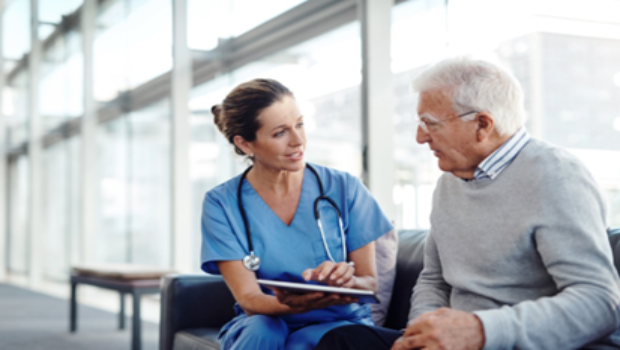
Nurse practitioners (NPs) play a crucial role within this context. They go beyond the traditional scope of nursing by providing comprehensive patient care that includes clinical expertise, patient education, advocacy and empowerment. Their approach is holistic as they tailor their care to meet each patient’s unique needs, aspirations and circumstances. It goes beyond treating the ailment; it focuses on understanding the individual behind it.
Nurse practitioners have increasingly taken on a crucial role in promoting health, especially when access to doctors might be limited. Their expertise and unwavering dedication to patient welfare place them at the forefront of a healthcare revolution.
Health promotion strategies used by nurse practitioners
The health promotion journey is a collaborative effort between healthcare providers and patients. Nurse practitioners play a vital role in this partnership, bridging the gap between advanced clinical care and patient-centric advocacy. Their strategies encompass various approaches, with client education being particularly important.
Client education
Patient education is vital in preventive care, serving as an ancillary service and a cornerstone. Informed patients possess the tools to positively impact their health journeys by making well-informed decisions. Knowledge holds significant power, particularly within the healthcare realm, determining whether individuals receive early intervention or face late-stage treatment.
Nurse practitioners deeply understand the importance of client education, which is at the heart of their practice. Their patient interactions extend beyond addressing symptoms alone. For example, when working with a diabetic patient, an NP not only prescribes medication but also guides dietary choices, lifestyle adjustments, and emphasizes the significance of routine check-ups and effective blood sugar monitoring techniques.
The techniques for effective patient education employed by NPs often include:
- Personalized learning: NPs recognize the uniqueness of each patient and adapt their educational approach to meet individual needs, considering learning preferences and cultural backgrounds.
- Visual aids: Infographics, charts and models can greatly enhance patients’ understanding of complex medical information. These powerful tools provide a more accessible way to digest intricate concepts in health.
- Interactive sessions: These aim to move away from one-way information delivery. Instead, facilitators encourage participants to ask questions, engage in role-playing activities or even participate in hands-on demonstrations. This approach ensures better understanding and comprehension among attendees.
- Follow-up and reinforcement: Learning is an ongoing process. Many organizations or educational institutions often schedule follow-up sessions to reinforce acquired knowledge and assist with any queries or concerns that may arise after the initial education is provided.
The potential for transforming lives through client education is profound. When patients fully grasp the underlying reasons behind medical advice, their adherence increases, leading to better health outcomes. These educational efforts undertaken by NPs extend beyond disease treatment; they nurture well-informed individuals who can take control of their destinies in health matters.
Advocacy and empowerment
Nurse practitioners go beyond the role of caregiver. They serve as strong advocates for their patients, championing their rights and ensuring equitable care. NPs prioritize giving patients a voice in their healthcare journey, honoring their decisions even when they differ from conventional medical advice. This includes facilitating access to necessary treatments and services while respecting individual choices concerning their care.
In addition, NPs often serve as intermediaries, advocating for patients and engaging in negotiations with healthcare systems and insurers. By equipping patients with crucial information and championing their rights, NPs play a pivotal role in empowering individuals to actively participate in making informed decisions about their health outcomes.
Lifestyle and behavioral counseling
Holistic healthcare involves addressing the underlying causes of health issues, many of which are influenced by lifestyle and behavior. Nurse practitioners use a patient-centered approach that helps them excel in guiding patients through these areas. Their interactions often explore the intricacies of a patient’s daily life, encompassing dietary habits, physical activity, stress management and sleep routines.
Nurse practitioners play a vital role in guiding patients towards healthier life choices by highlighting the intricate relationship between physical wellbeing and mental and emotional health. They provide personalized recommendations considering an individual’s unique circumstances, challenges and motivations. Instead of advocating extreme diets, NPs may suggest simple yet sustainable dietary adjustments. Additionally, they might recommend local community groups that offer physical activities aligned with a patient’s interests.
Nurse practitioners empower patients by offering personalized, actionable guidance. This enables individuals to make well-informed choices that contribute to their long-term health and overall wellbeing.
Utilization of community resources
Community resources are crucial in extending care beyond the clinic walls in the healthcare system. Nurse practitioners act as vital links within this extensive network, connecting patients to the necessary resources that address their wider health and wellbeing needs.
Collaborative work with community resources
Nurse practitioners recognize that optimal patient health outcomes often require a multifaceted approach. While medical interventions are crucial, the supportive services and programs offered by community resources are equally important. By collaborating with these entities, NPs ensure a more comprehensive and holistic care pathway for their patients.
For instance, when treating a patient with hypertension, an NP may prescribe medication. They could also refer the individual to a local healthcare clinic offering nutrition workshops. Similarly, for patients displaying signs of depression, the NP might recommend a community center providing group therapy or wellness activities alongside therapeutic interventions.
Some examples and roles of community resources include:
- Local health clinics: These facilities often offer affordable healthcare services, educational workshops and preventative care screenings. Nurse practitioners frequently collaborate with such clinics to ensure that patients, particularly those from underserved communities, can consistently access necessary medical treatment.
- Community centers: These offer a variety of activities, ranging from exercise classes to workshops focused on mental wellbeing. Healthcare professionals may recommend these centers to patients to enhance community connections, promote physical activity or address specific health needs.
- Mental health resources: Mental health and physical health are closely intertwined. With this understanding, nurse practitioners can facilitate connections between patients and local therapists, support groups or mental health workshops. This approach ensures a comprehensive level of care for patients.
Supporting patients outside the clinical setting
Medical interventions are crucial, but long-term health greatly relies on the support individuals receive in their daily lives. Community resources are essential as they provide ongoing assistance, education and tools that empower people to take charge of their health.
Nurse practitioners play a vital role by incorporating these resources into a patient’s care plan, ensuring that health extends beyond the confines of the clinic. Rather than being limited to specific moments, care becomes integral to every aspect of an individual’s life — promoting recovery and sustained wellbeing. Through their collaboration with community resources, NPs embody the comprehensive nature of healthcare by placing patients at the heart of a supportive and nurturing ecosystem.
The role of nursing education in health promotion
Nurse practitioners utilize a foundation of knowledge and skills acquired through their rigorous nursing education. This comprehensive education imparts clinical expertise and equips them with the nuanced abilities necessary for effective health promotion. Effective communication stands as a pivotal component within this educational framework.
Training in patient communication
Effective communication is crucial in patient care. It goes beyond simply exchanging information. Within the healthcare setting, it builds trust, fosters understanding and encourages collaboration between healthcare providers and patients. When patients are well-informed, they are more likely to follow medical advice, ask relevant questions and take an active role in their healthcare journey. On the contrary, when there is miscommunication, it can result in misunderstandings, non-compliance and even medical errors.
In addition, effective communication encompasses both speaking and listening. Nurse practitioners must actively listen to patients, attentively addressing their concerns, fears and beliefs. This ensures that the care provided aligns with the patient’s values and preferences.
How nursing education equips NPs with communication skills
Nursing education recognizes the centrality of communication in patient care. From the onset, nursing students are immersed in courses and practical sessions that hone their communication skills. These courses cover various topics, from the basics of clear information exchange to the subtleties of non-verbal communication, cultural sensitivity and therapeutic communication techniques.
Nursing students enhance their communication skills in real-world settings through role-playing sessions, patient simulations and supervised clinical placements. These experiential learning opportunities enable them to effectively convey complex medical information in simple terms to ensure better understanding. Additionally, they develop the ability to navigate challenging conversations concerning terminal diagnoses or end-of-life care decisions while ensuring informed consent.
Emphasis on holistic care in nursing curriculum
Holistic nursing embraces the idea that patients are more than their symptoms. It recognizes them as individuals with unique life experiences, emotions, beliefs and values. By considering not only the patient’s physical wellbeing but also their emotional and spiritual aspects, holistic care acknowledges the profound connection between mental health, emotional state and physical wellbeing in a patient’s overall health.
Nursing education extensively focuses on holistic patient care. Students are exposed to various learning methods such as coursework, case studies and hands-on clinical practice. These approaches enable them to adopt a comprehensive perspective when dealing with patients. Nursing students learn about the interconnections between mental, physical and spiritual wellbeing and learn to incorporate this understanding into their care plans.
Clinical placements and real-world experience
Clinical placements play a vital role in nursing education, bridging theoretical knowledge and practical application. They provide students with an interactive setting where they can put their learned principles into practice, promote critical thinking and refine clinical skills while being supervised by experienced professionals.
In these educational settings, students go beyond providing medical care. They actively engage with a diverse range of patients, gaining valuable insights into their unique needs, concerns and personal experiences. Additionally, students collaborate closely with interdisciplinary healthcare teams and familiarize themselves with the various resources available within the community.
The advantages of online nursing programs
Education has undergone a significant transformation with the emergence of online learning. Even nursing, driven by its tireless dedication to continuous growth and adaptability, has embraced this trend. Notably, online nursing programs, including the widely recognized family NP online programs offered through reputable institutions such as the University of Indianapolis have gained remarkable prominence in offering numerous advantages to both aspiring and practicing nurses. These programs ensure students are able to conduct comprehensive health assessments effectively with the sound knowledge and skills needed within a variety of healthcare settings.
Flexibility and accessibility for working professionals
Online nursing programs offer a distinct advantage in terms of flexibility. For working professionals, juggling a demanding job alongside educational pursuits can be daunting. However, online platforms alleviate this challenge by allowing students to conveniently access lectures, resources and assignments on their own schedule. This asynchronous mode of learning ensures that nurses can seamlessly integrate work, learning and personal life without compromising their existing commitments.
Robust resources and tools for enhanced understanding
Online learning goes beyond offering flexibility; it also utilizes technology to enhance the learning experience. Digital platforms provide various resources, including interactive video lectures, discussion forums, simulations and e-libraries. These tools promote a deeper understanding of concepts, facilitate peer interaction and offer instant feedback. As a result, learning becomes interactive, dynamic and engaging.
Integrating health promotion strategies through online platforms
There is a misconception that online learning lacks the practical aspects of traditional classrooms. However, modern programs prove this idea wrong. The MSN-FNP program effectively incorporates health promotion strategies into its curriculum, providing students with both theoretical knowledge and practical insights. Through virtual simulations, case studies and interactive sessions, students can develop their skills, make critical decisions and understand the consequences of their choices. This comprehensive approach ensures a well-rounded educational experience for all participants.
Conclusion
The journey towards achieving better patient outcomes intertwines with implementing effective health promotion strategies, which prioritize proactive care rather than reactive measures. Nurse practitioners, positioned at the core of this transformative care model, play a crucial role in guiding positive health trajectories. Undoubtedly, their effectiveness within this domain is significantly enhanced by their comprehensive nursing education.
As the field of education continues to evolve, innovative online programs emerge as valuable tools for shaping skilled, knowledgeable and compassionate NPs. By blending traditional wisdom with contemporary flexibility, these programs ensure that the future of healthcare rests in capable hands -always prepared to advocate for patient wellbeing.