
HELSINKI — A fierce blaze continued to burn aboard a sanctioned Russian cargo ship off the southern coast of Finland on Sunday, November 22, 2026, following a dramatic drone attack in the Baltic Sea that has brought the fallout of the Russia-Ukraine war directly onto NATO’s northern doorstep.
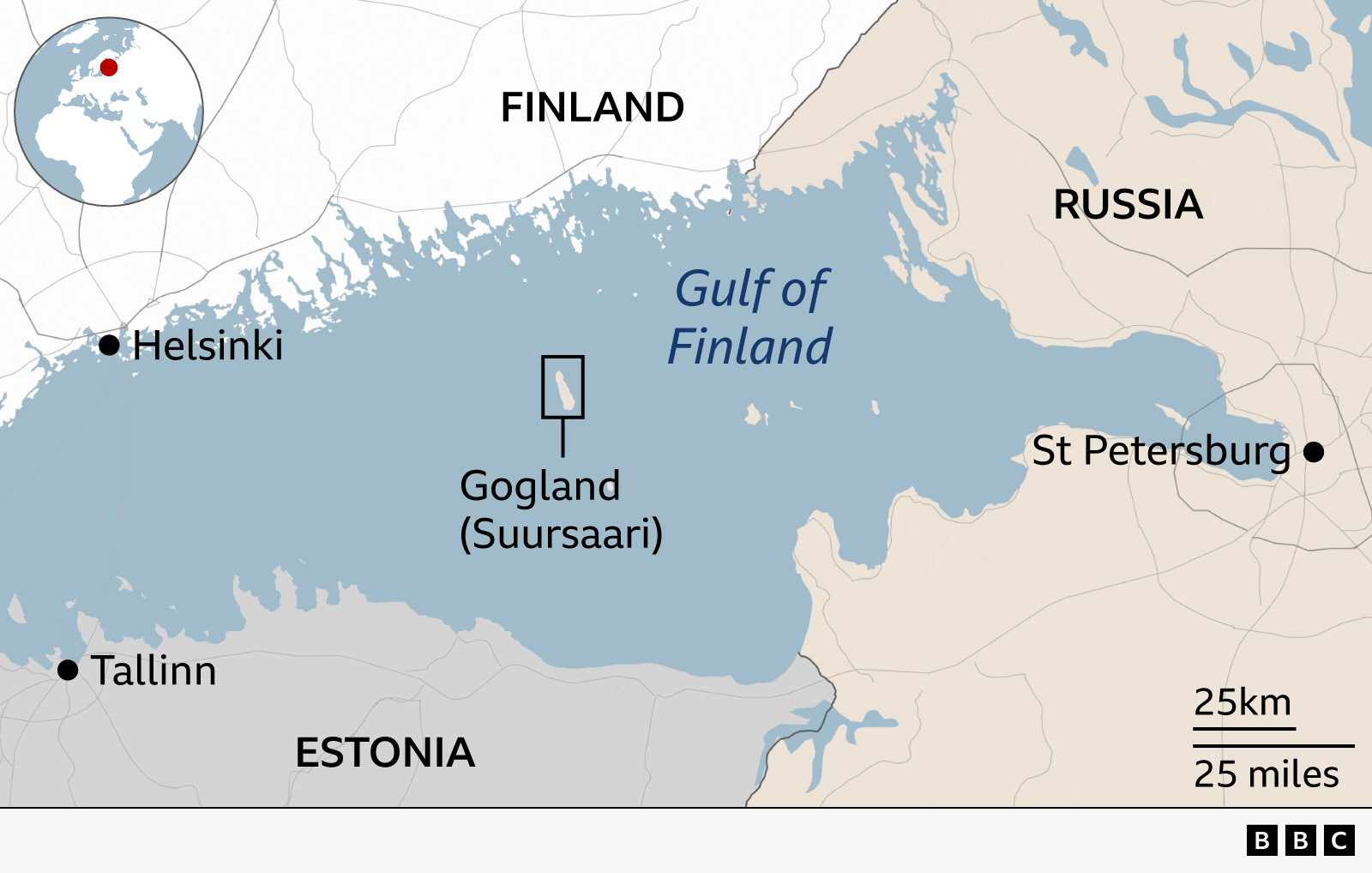
The 121-meter vessel, the Sparta II, was struck by two drones in international waters west of Russia’s Gogland Island on Saturday morning while sailing from St. Petersburg toward the heavily militarized Russian exclave of Kaliningrad. After losing propulsion and erupting in flames, the disabled ship drifted into Finnish territorial waters off the coastal town of Loviisa, prompting an emergency multi-nation maritime response.
While Kyiv has remained silent on the strike, Finnish defense officials stated that Ukraine is likely behind the operation. The incident marks the second time in less than two weeks that a Russian vessel has been hit in the narrow, heavily trafficked waterway—signaling a bold expansion of Ukraine’s long-range strike capabilities more than 1,000 kilometers from its own borders.
A Sanctioned Target with Military Ties
Aerial photographs released by the Finnish Border Guard showed thick plumes of black smoke billowing from the stern of the Sparta II as Finnish and Estonian rescue vessels sprayed the hull with water cannons throughout Saturday night to cool containers stacked on its deck.
All 16 Russian crew members abandoned ship via lifeboats and were safely transferred to a passing Russian vessel bound back for Russia, according to Finnish Border Guard Commander Ilja Iljin. At Finland’s request, the Russian rescue ship Murman joined the firefighting effort, with Helsinki indicating it plans to allow Russia to tow the charred wreckage back to Russian waters once the blaze is extinguished.
Though Moscow referred to the ship as a merchant vessel, the Sparta II is no ordinary freighter:
- Defense Ministry Ties: The vessel is owned by Oboronlogistika, a state-linked shipping company operating directly within the structure of Russia’s Defense Ministry.
- Weapons Transport History: Subject to both U.S. and Ukrainian sanctions, the ship has previously been flagged by international sanctions monitors for transporting weapons and military equipment from Syria to Russia.
- Unverified Cargo: Finnish border officials noted that while the exact contents of the burning containers have not yet been confirmed, the presence of military materiel on board “cannot be ruled out.”
‘War Is Spilling Over’ onto NATO’s Frontier
The strike occurred amid a wider overnight drone barrage targeting Russia’s northwestern Leningrad region, where local Governor Alexander Drozdenko claimed air defenses shot down 80 drones. Just ten days earlier, on November 11, Ukrainian drones struck the Russian Navy missile corvette Naro-Fominsk and damaged a major oil terminal at the nearby Baltic port of Ust-Luga.
The escalating maritime warfare in the Gulf of Finland—one of the world’s busiest shipping lanes, traversed annually by millions of ferry passengers and critical subsea infrastructure—has put Nordic and Baltic capitals on high alert.
“The war is spilling over into our neighboring areas,” Finnish Prime Minister Petteri Orpo wrote on social media on Saturday, even as he backed Kyiv’s right to self-defense. “Ukraine has the right to fight back against the aggressor.”
Tensions spiked further hours after the attack when a Russian helicopter briefly violated Finnish airspace near Loviisa, venturing more than four kilometers into NATO territory in what Finnish Defense Minister Antti Häkkänen suggested was likely linked to Russian rescue or monitoring operations around the stricken ship. In response, Helsinki enforced temporary aviation and maritime restrictions in the eastern gulf, while Swedish combat aircraft—operating under Finnish command—patrolled the skies to safeguard NATO airspace.
As firefighters work to subdue the lingering flames off Loviisa, Estonian Navy Commander Ivo Vark warned on Sunday that the risk of further strikes in the Gulf of Finland cannot be ruled out—a stark reminder that for Russia’s Baltic fleet and supply lines, distance from the Ukrainian front no longer guarantees sanctuary.