
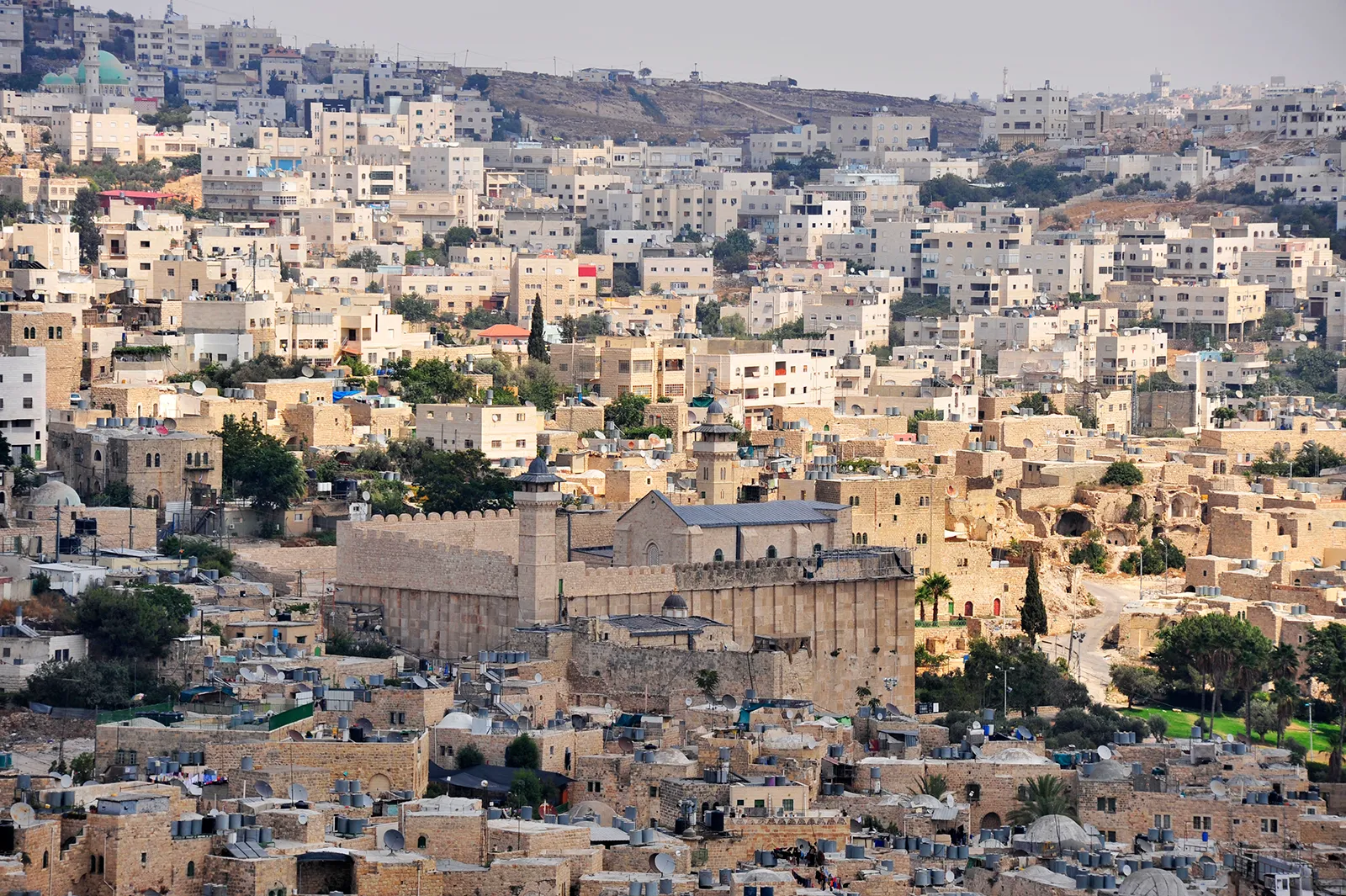
JERUSALEM — The Israeli military announced on Sunday, October 25, 2026, that it will enforce a total closure of all land crossings with the occupied West Bank on Tuesday’s general election day. The sweeping security restrictions will completely bar Palestinian workers from entering Israel, Jordan Valley industrial zones, and Israeli settlements.
The blanket restrictions take effect amid an intensifying military crackdown across the Palestinian territory. The escalation was triggered by a shooting attack on Friday near the city of Hebron, where Palestinian gunmen shot dead two Israeli soldiers and wounded three others at a checkpoint.
Crucial Votes and Collective Punishment
The border shutdown coincides with an aggressive, multi-day military offensive centered on Hebron. Israeli security forces have moved through roughly 40 areas across the territory, detaining around 40 suspects and ordering the immediate evacuation of local neighborhoods.
Defense Minister Israel Katz confirmed that approximately 2,000 Palestinian residents have been displaced from their homes. In a hardline stance that drew immediate condemnation from human rights groups, Katz declared that the evacuated families “will not be allowed to return until we’ve finished dealing with all the Hamas issues in Hebron.”
Footage from the ground shows entire commercial streets and structures in Hebron flattened by military machinery. Hebron Mayor Youssef al-Jaabari openly accused Prime Minister Benjamin Netanyahu and his cabinet of utilizing the destructive raids as an explicit election strategy. Al-Jaabari stated the operation is designed to pander to far-right political factions and settler movements just days before the polls open.
Political Survival on a Razor’s Edge
The sudden escalation and subsequent border closures arrive at a highly volatile political moment for Netanyahu. Israel’s longest-serving prime minister is locked in a tight, unpredictable race to protect his legacy. His traditional, security-first political brand remains severely compromised by the systemic intelligence and defense failures of the October 7, 2023, attacks.
Seeking to project absolute resolve, Netanyahu promised an imminent operation on a scale not seen in decades. In a weekend television interview, he directly threatened a “very big surprise” for the Palestinian Authority, which maintains semi-autonomous civil control over sections of the West Bank.
However, Netanyahu faces fierce pressure from multiple fronts. On Saturday night, thousands of protesters organized by the “October Council”—a group representing the families of the October 7 victims and hostages—flooded the streets of Tel Aviv. The mass rally demanded transparency and an official state commission of inquiry into the government’s failures. Prominent opposition figures, including former Military Chief of Staff Gadi Eisenkot, joined the demonstration. Eisenkot currently stands neck and neck with Netanyahu in major polling data.
Severe Economic and Humanitarian Toll
The immediate economic impact of the military shutdown is poised to be severe. Though Israel heavily curtailed Palestinian labor permits following the 2023 escalation, the small fraction of workers who had successfully restored their employment access will now find themselves completely blocked from their livelihoods.
The Palestinian Authority has urged international bodies to intervene immediately, warning that the mass evacuations, blockades, and targeted property demolitions amount to unlawful collective punishment against innocent civilians. With the military stating the Hebron lockdown will persist for several days, the West Bank enters a high-stakes week defined by an unprecedented security gridlock and an election that will shape the region’s geopolitical future.