
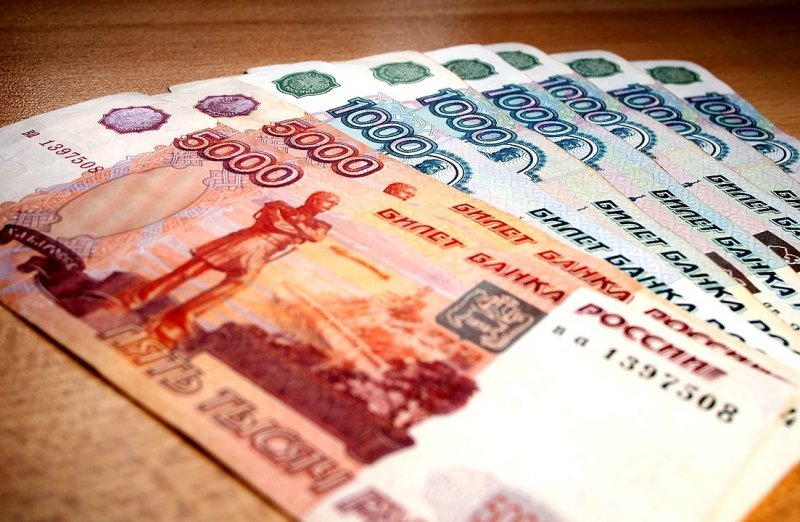
MOSCOW — Russian citizens and businesses are abandoning digital banking and returning to physical cash at a record pace. The shift is driven by widespread mobile internet blackouts caused by drone strikes and a desperate corporate effort to evade newly introduced war taxes.
The state has injected a staggering 1.56 trillion rubles ($20 billion) in physical currency into circulation since the start of the year. This represents the largest non-pandemic cash surge in modern Russian history, occurring just as the Ministry of Economy slashed its GDP growth forecast to a near-stagnant 0.4%.
Drone Strikes and Network Blackouts Kill Digital Payments
A primary catalyst for the cash hoarding is the severe disruption of Russia’s digital payment infrastructure. Regular drone strikes targeting critical domestic energy and communication facilities have forced the implementation of sweeping, region-wide mobile internet shutdowns to counter the attacks.
With cellular networks routinely knocked offline, electronic point-of-sale terminals have become highly unreliable. Ordinary citizens are finding themselves unable to buy basic necessities with digital cards or mobile applications, prompting a mass psychological flight back to the safety of paper bills.
Small Businesses Go Under the Table to Dodge War Tax
Compounding the infrastructure failure is an aggressive corporate move into the informal economy. This was triggered by the Kremlin’s move to fund its war deficit through increased taxation, including a VAT hike from 20% to 22%.
Faced with collapsing consumer demand, many small businesses—including independent pharmacies, cafes, and repair shops—are now operating on a cash-only basis. By rejecting digital payments, these entities are able to avoid official banking systems, obscure their true revenues, and dodge the heavy tax burdens.
The Mattress Bank: Deposits Evaporate Despite High Interest
The flight from the banking system has triggered a massive drain on commercial liquidity. In a single month, Russian citizens pulled 550 billion rubles out of bank accounts, completely ignoring high deposit interest rates out of sheer economic anxiety.
An increasing number of companies are paying workers salaries “in envelopes” to hide revenue. Because this money stays with the public rather than returning through ATMs or bank branches, commercial financial institutions are running critically short on stable deposits.
A Widening Fiscal Trap for the Kremlin
This cash flight presents a major challenge for Russia’s war-focused economy, which is already burdened by inflation and rising bankruptcies. By operating in the informal sector, businesses are reducing government tax revenue. Meanwhile, the Central Bank is forced to print more cash to replace that which has disappeared into private hands, further fueling the inflationary fire.