
BRUSSELS — In a breakthrough that marries high-stakes energy logistics with continental security, the European Union has moved to finalize a €90 billion ($106 billion) loan for Ukraine, effectively ending a bitter, months-long deadlock that threatened to leave Kyiv solvent-dry by summer.
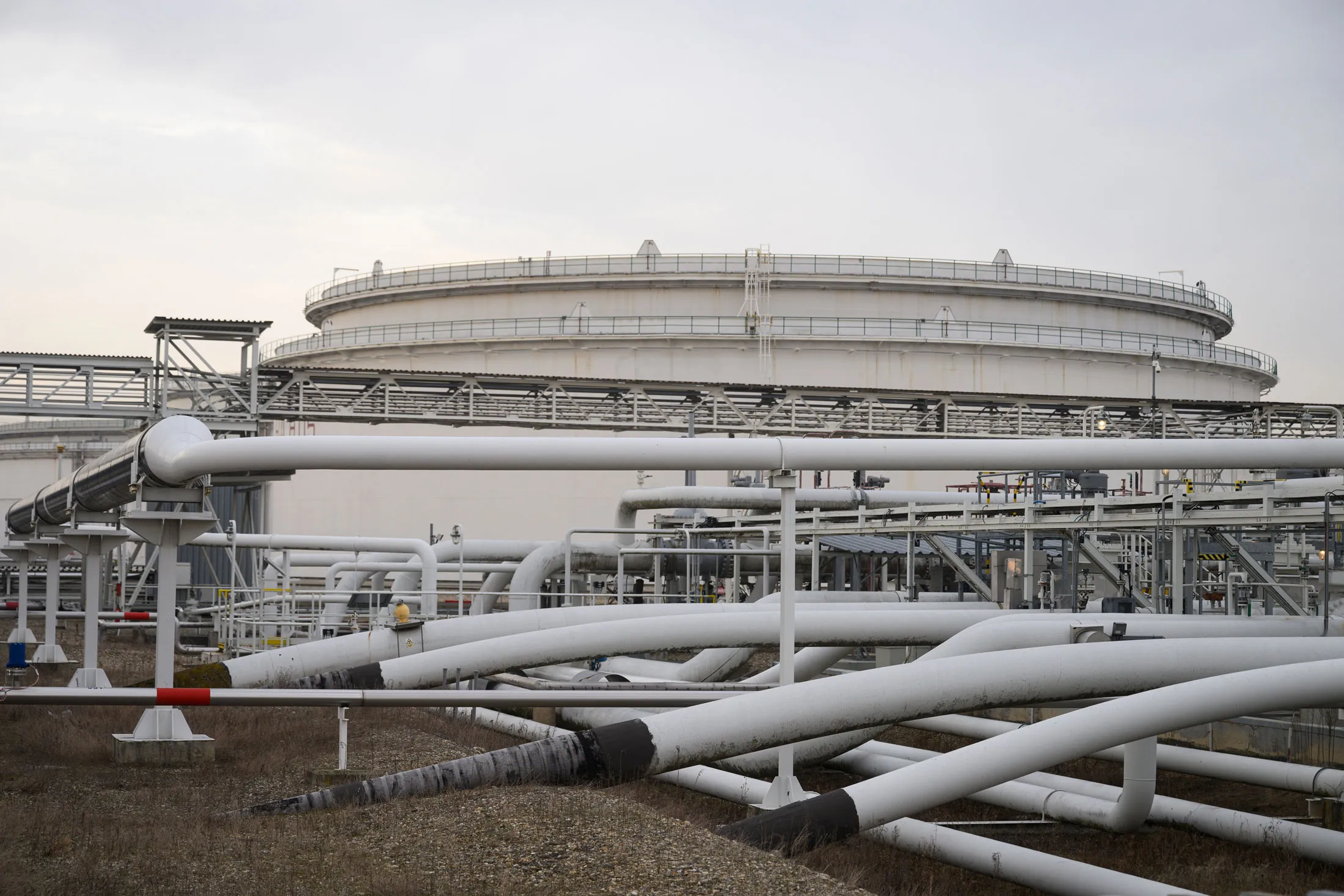
The diplomatic dam broke on Wednesday as engineers in Ukraine turned the valves on the war-damaged Druzhba pipeline, restoring the flow of Russian crude oil to Hungary and Slovakia. The resumption of deliveries prompted Budapest to finally withdraw its longstanding veto, clearing the path for the largest single financial support package in the bloc’s history.
The End of the “Energy Blackmail” Standoff
The standoff began in February when Hungary’s outgoing Prime Minister Viktor Orbán blocked the funds, accusing Kyiv of “energy blackmail” after a Russian missile strike shuttered the pipeline transit through Ukrainian territory. Kyiv maintained the delay was purely technical, caused by the difficulty of repairs under constant bombardment.
The political landscape shifted dramatically following Hungary’s April 12 general election, which saw the defeat of Orbán’s Fidesz party. While the incoming leader, Péter Magyar, is not yet in office, his public support for a reset in Brussels-Budapest relations—coupled with the physical return of oil—delivered the momentum needed to resolve the crisis.
A Multi-Year Lifeline for Kyiv
The €90 billion interest-free loan is designed to keep Ukraine liquid through 2026 and 2027. The funding structure is divided to meet the dual pressures of a nation at war:
- Defense & Weapons: Approximately €60 billion is earmarked to strengthen military capabilities and support the procurement of equipment.
- Budgetary Support: The remaining €30 billion will cover urgent macro-financial needs, including maintaining public services and infrastructure.
The loan is uniquely structured to be repayable only once Russia pays war reparations to Ukraine, essentially placing the long-term financial burden on the aggressor.
The “Right Signal”
“The unblocking is the right signal under the current circumstances,” Ukrainian President Volodymyr Zelenskyy posted online, confirming that implementation of the agreement is now effectively underway. EU foreign policy chief Kaja Kallas echoed the sentiment, noting the funds are a “decisive step” for economic resilience.
In addition to the loan, EU ambassadors also greenlit the 20th package of sanctions against Russia, which had been held hostage by the same energy dispute.
Final formal approval by all 27 member states is expected via a written procedure on Thursday afternoon. If the schedule holds, the first tranche of funds is slated to reach Kyiv by late May or early June 2026.
The €90bn Breakdown
- Total Loan: €90 billion ($106 billion)
- Period: 2026–2027
- Repayment: Contingent on Russian reparations
- Defense Allocation: €60 billion
- Budget Allocation: €30 billion