
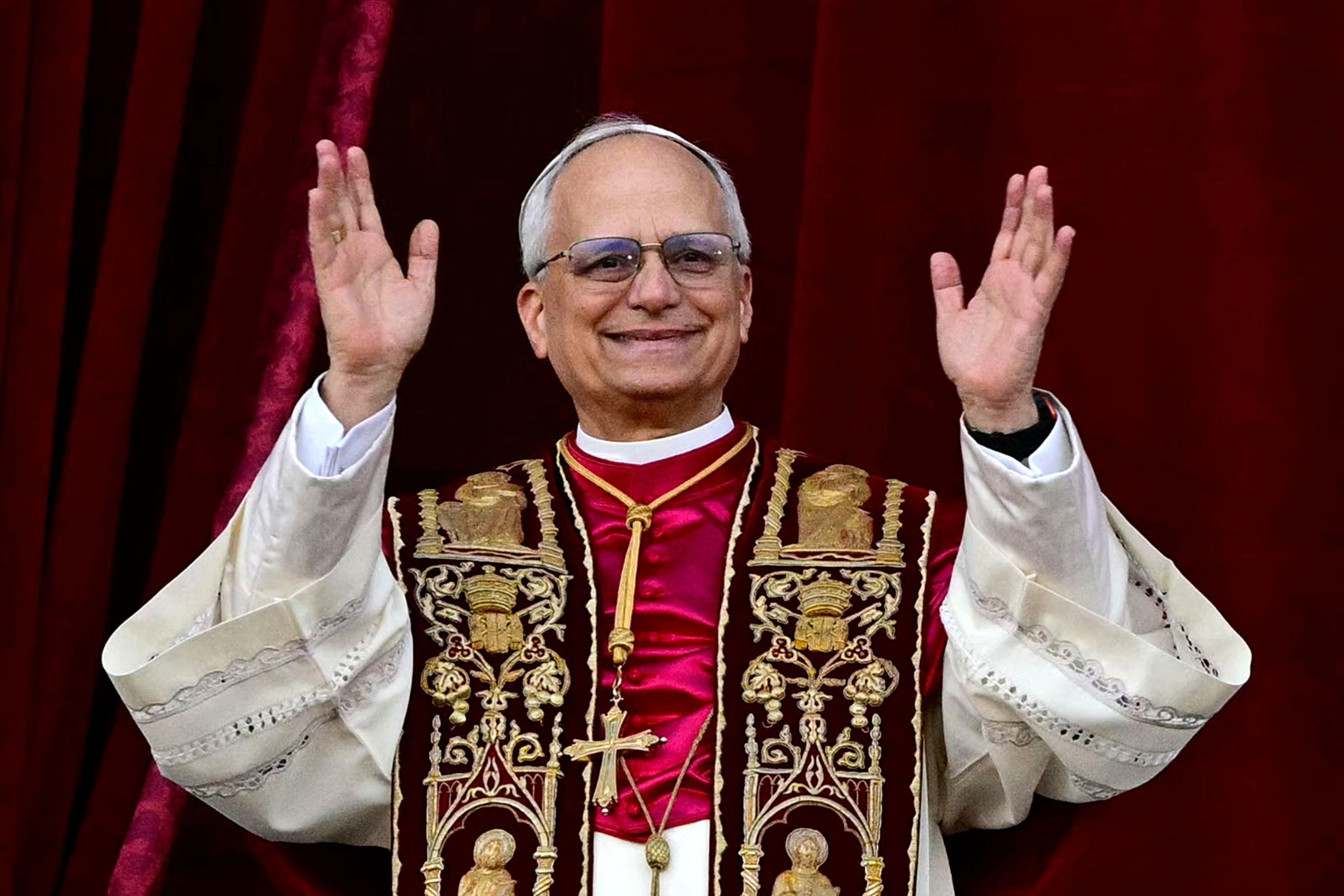
ABOARD THE PAPAL PLANE — High above the Atlantic en route to Luanda, Angola, Pope Leo XIV sought to extinguish a firestorm of his own making. In an impromptu session with journalists late Saturday, the first American-born pontiff directly pushed back against a global media narrative that characterized his recent “handful of tyrants” speech in Cameroon as a veiled assault on President Donald Trump.
“There has been a certain narrative that has not been accurate in all its aspects,” the Pope said, his voice steady despite the political turbulence following him from Washington. “Dragging that which is sacred into darkness and filth is not my mission.”
The Bamenda Spark
The controversy ignited on April 16 in the conflict-stricken city of Bamenda, Cameroon. Speaking from the heart of the Anglophone crisis, Pope Leo delivered a blistering critique of global leadership, lamenting that “the world is being ravaged by a handful of tyrants” who spend billions on warfare while ignoring the cries of the poor.
While the speech was delivered in a region plagued by a decade of separatist violence, its timing proved explosive. It came just days after President Trump attacked the Pope on social media, labeling him “weak on crime and soft on foreign policy,” and briefly sharing an AI-generated image of himself as a Christ-like figure.
“Prepared Two Weeks Ago”
Aboard the flight to Angola, Leo XIV dismantled the timeline that had pitted the Vatican against the White House in a 24-hour news cycle. He revealed that the Bamenda address was finalized long before his departure from Rome.
“That speech was prepared two weeks ago, well before the person had ever commented on me or the message of peace I am promoting,” the Pope clarified. “And yet, as it happens, it was viewed as if I was trying to debate again with the President, which is not in my interest at all. Much of what has been written has been more commentary on commentary.”
The Pope’s clarification serves as a diplomatic “cool down” in what has become an increasingly personal exchange between the world’s two most prominent American leaders. Vice President JD Vance had also entered the fray earlier in the week, advising the Pope to “stay out of politics” and focus on matters of morality.
A Focus on the “Forgotten Heart”
The Pope’s primary frustration, he told reporters, was that the political spat had overshadowed the humanitarian crisis in Cameroon. The central African nation, often called “Africa in miniature” for its diversity, has been torn between French-speaking and English-speaking factions.
“The visit to Cameroon was significant because it represents the heart of Africa,” Leo said. He emphasized that his words were directed at the “masters of war” who exploit local resources and fuel corruption—a message he intended for regional autocrats as much as the global military-industrial complex.
By shifting the focus to the Anglophone crisis, the Pope sought to reclaim his role as a “pastor of the world” rather than a political foil for the Trump administration.
The Road to Angola
As the papal journey continues into its third leg in Luanda, the Vatican appears determined to keep the focus on “the Gospel and the poor.” The Pope highlighted his meetings with local imams and students, reaffirming his predecessor Pope Francis’s commitment to interfaith fraternity.
However, in a world where every papal utterance is scrutinized through the lens of the U.S.-Iran conflict and shifting global alliances, maintaining that pastoral distance remains a challenge. For now, Pope Leo XIV has made his position clear: he is in Africa to build bridges, not to enter the boxing ring with Washington.
“I hope that the Lord will continue to bless all of us on this trip,” he concluded. “See you in Angola!”