
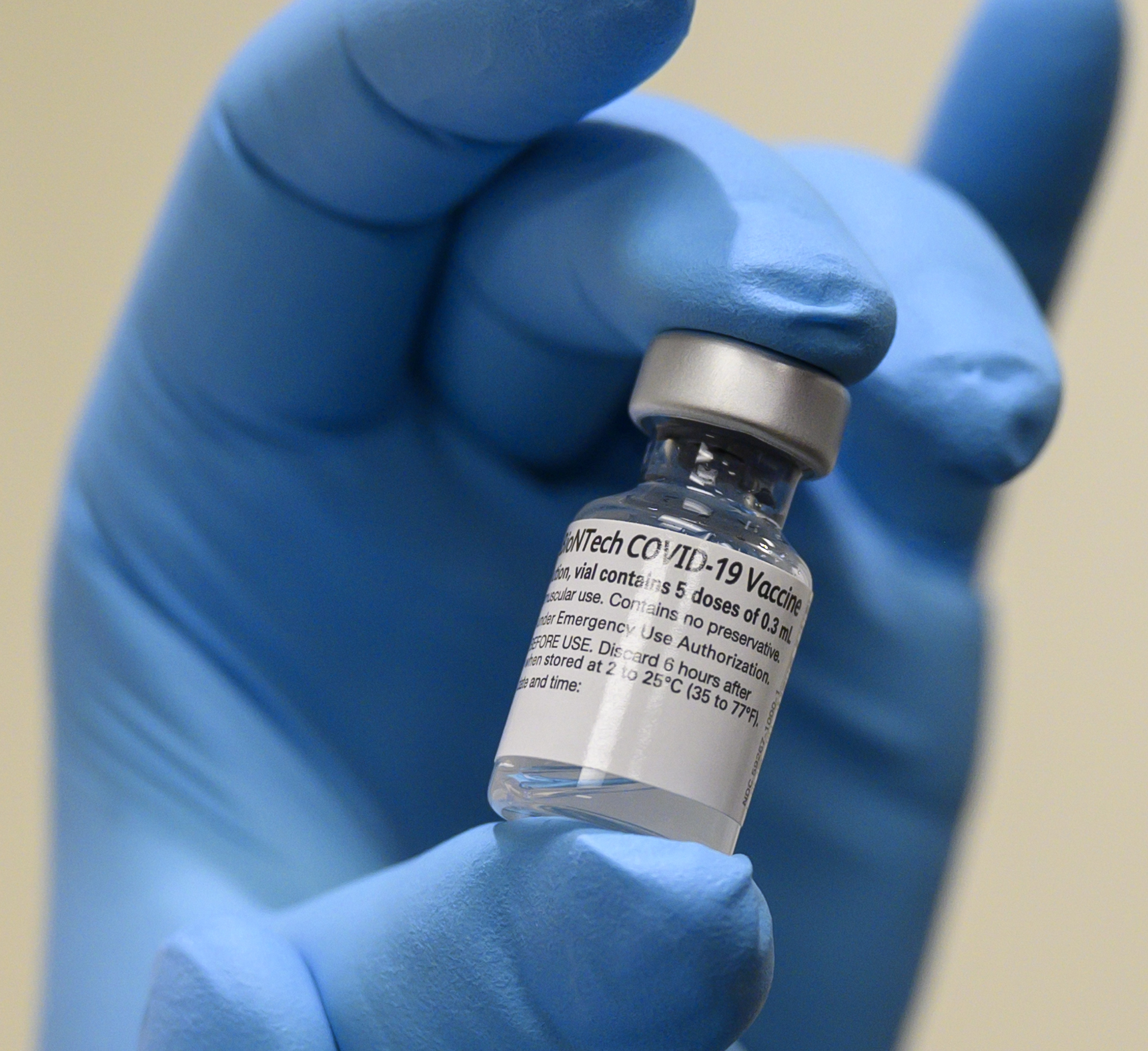
In a move that has sent shockwaves through the global scientific community, U.S. Health Secretary Robert F. Kennedy Jr. has announced the termination of 22 federal projects dedicated to developing mRNA vaccines, effectively halting nearly $500 million in funding for a technology credited with saving millions of lives during the COVID-19 pandemic. The decision marks the most dramatic policy shift yet from the longtime vaccine critic, who is now redirecting the funding toward what he calls “safer, broader vaccine platforms.”
The announcement, made in a statement on Tuesday by the Department of Health and Human Services (HHS), signals a fundamental change in the nation’s public health strategy. The canceled projects, which were being developed by leading pharmaceutical companies like Pfizer and Moderna to combat respiratory viruses such as COVID-19 and the flu, are the latest in a series of decisions by Kennedy to reshape U.S. health policy.
“After reviewing the science and consulting top experts at NIH and FDA, HHS has determined that mRNA technology poses more risk than benefits for these respiratory viruses,” Kennedy said in a video posted to his social media account. He claimed that the “data show these vaccines fail to protect effectively against upper respiratory infections like COVID and flu” and that they can “encourage new mutations and can actually prolong pandemics.”
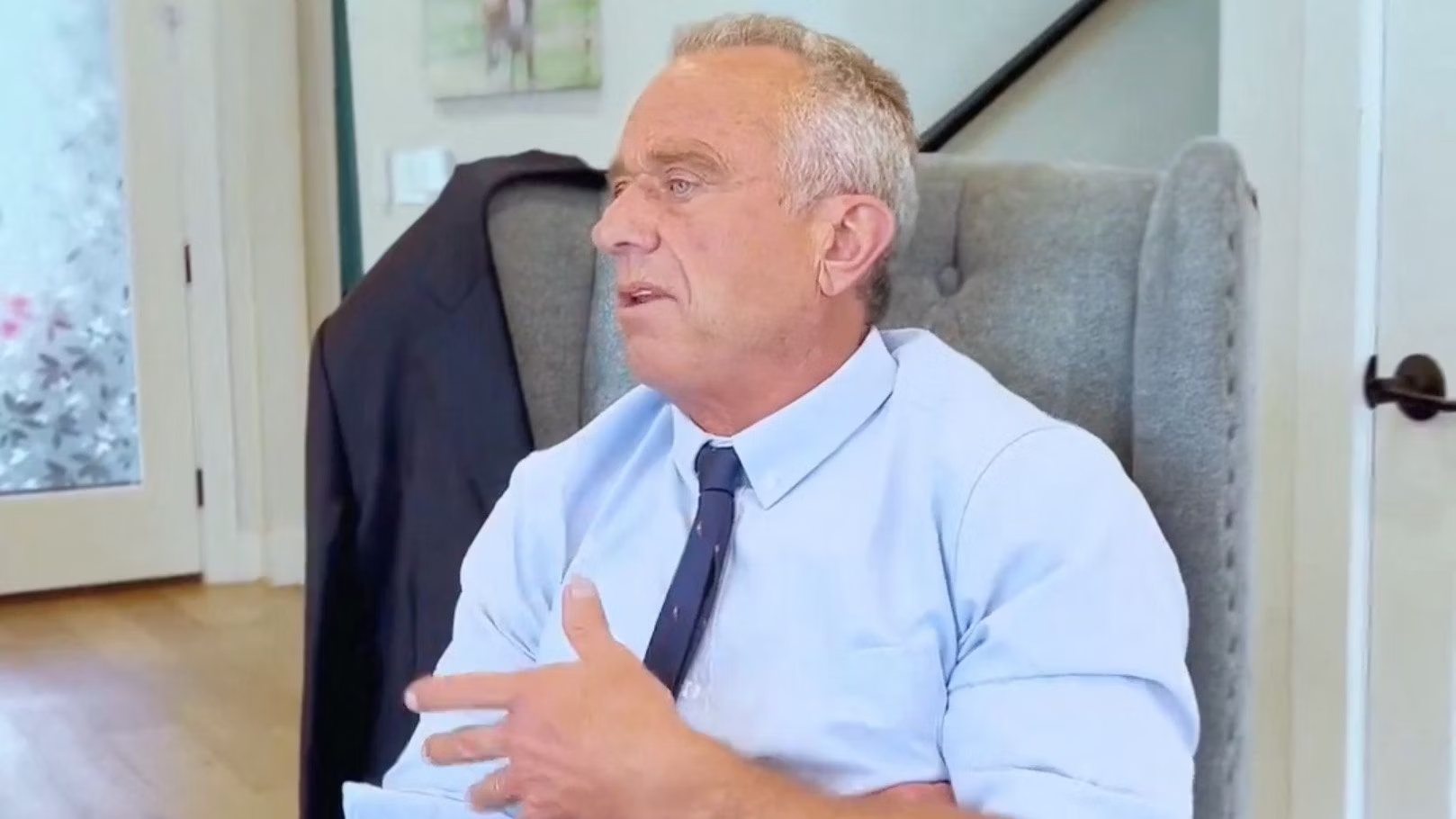
This rationale has been met with fierce condemnation from infectious disease experts and public health officials around the world. Dr. Mike Osterholm, a leading expert on pandemic preparedness at the University of Minnesota, called the move “one of the most dangerous decisions in public health in my 50 years in the business.” He and other experts argued that mRNA technology offers the critical advantage of rapid production, which is essential for a fast response to a new pandemic. The idea that viruses mutate because of vaccines is “utterly spurious,” according to Professor Stephen Evans of the London School of Hygiene and Tropical Medicine.
The affected projects were funded through the Biomedical Advanced Research and Development Authority (BARDA), the federal agency responsible for developing medical countermeasures against public health threats. Among the canceled projects is an award to Moderna for a bird flu shot, a decision that comes amid rising concerns about a potential H5N1 pandemic.
The move is the latest in a series of actions Kennedy has taken to enact his long-held skepticism about vaccines. He has previously fired an expert panel that advises the government on vaccines, and his department has removed recommendations for COVID-19 shots for healthy children and pregnant women.
While Kennedy’s announcement stated that “HHS supports safe, effective vaccines for every American who wants them,” the decision to abandon research into mRNA technology has been criticized as a self-inflicted wound that could leave the country vulnerable to future health crises. As the world watches to see if other nations will follow suit, many scientists worry that the decision will have a damaging impact on public trust in vaccines and set back biomedical innovation for years to come.