Friday, December 5, 2025
Home Blog Page 28

Kyiv Ultimatum: European Leaders Demand 30-Day Unconditional Ceasefire from Russia

KYIV, UKRAINE – In a significant show of unity and resolve, the leaders of four major European nations have delivered a stark ultimatum to Russian President Vladimir Putin, demanding an unconditional 30-day ceasefire in Ukraine to begin on Monday. The unprecedented joint initiative, announced during a high-stakes visit to Kyiv, comes with the implicit threat of significantly escalated sanctions should Moscow fail to comply.

French President Emmanuel Macron, German Chancellor Friedrich Merz, British Prime Minister Keir Starmer, and Polish Prime Minister Donald Tusk travelled to the Ukrainian capital together, meeting with President Volodymyr Zelenskyy to underscore their unwavering support and to present their unified ceasefire proposal. The European leaders emphasized that the offer requires no preconditions from Ukraine, directly countering previous Russian demands.  

“We have just now… decided to support a ceasefire which will begin next Monday, without any preconditions,” President Macron declared during a joint press conference in Kyiv. He further revealed that the United States, including President Donald Trump, had been briefed on the initiative and had agreed to support the European demands.  

The proposed 30-day cessation of hostilities would encompass a comprehensive halt to fighting across land, sea, and air, aiming to create a window for de-escalation and the commencement of meaningful peace negotiations. The European leaders stressed the urgency of ending the three-year conflict, which has caused immense human suffering and destabilized the continent.  

Chancellor Merz echoed Macron’s sentiment, stating, “We are thankful that the American president fully supports our initiative.” He added that there was a commitment from the US government to monitor the ceasefire, a crucial element in ensuring its effectiveness.  

The European leaders did not mince words regarding the consequences of non-compliance. President Macron warned of “massive sanctions prepared and coordinated, between Europeans and Americans,” should Russia violate the proposed truce. These sanctions are expected to target key sectors of the Russian economy, including energy and banking, with the aim of making the continuation of the war prohibitively costly for Moscow.  

Prime Minister Starmer emphasized the united front presented by the European allies, stating, “This is Europe stepping up, showing our solidarity with Ukraine. We are clear: an unconditional ceasefire, rejecting Putin’s conditions, and clear that if he turns his back on peace, we will respond.”  

While the European initiative has been welcomed by Kyiv as a crucial step towards peace, skepticism remains regarding Russia’s willingness to adhere to the demands. Kremlin spokesperson Dmitry Peskov, in comments to CNN, stated that Moscow would “think through” the proposal but emphasized Russia’s resistance to any kind of pressure.

The coming days will be critical in determining Russia’s response to this concerted European effort. The unified stance of major European powers, backed by the United States, represents a significant escalation of diplomatic pressure on Moscow to halt its aggression and engage in genuine peace talks. The world watches intently to see if this determined push can break the deadlock and offer a glimmer of hope for an end to the devastating conflict in Ukraine.

Elton John and Dua Lipa Lead Fight for AI Protection

LONDON, UK – Music titans Sir Elton John and Dua Lipa have joined forces with hundreds of other prominent artists, writers, and creatives to demand urgent protection against the growing threat of artificial intelligence to their livelihoods and intellectual property. In a powerful open letter addressed to UK Prime Minister Keir Starmer, the collective of over 400 signatories calls for legislative action to safeguard copyright in the age of rapidly advancing AI technology.

The letter, spearheaded by film director Beeban Kidron, a vocal campaigner for artists’ rights in the digital age, expresses deep concern over the potential exploitation of their creative works by AI developers without proper consent or compensation. The signatories, a who’s who of the British creative scene including Sir Ian McKellen, Coldplay, Florence Welch, and acclaimed author Kazuo Ishiguro, are urging the government to amend the Data (Use and Access) Bill currently under consideration.

Their primary aim is to ensure transparency, requiring AI companies to disclose the copyrighted material used to train their models and to establish fair licensing regimes. The artists argue that the current trajectory could lead to a significant devaluation of human creativity, jeopardizing future income streams and the UK’s standing as a global creative powerhouse.

“Creative copyright is the lifeblood of the creative industries,” the letter states, emphasizing the economic contribution of the sector, which employs millions across the UK. “We will lose an immense growth opportunity if we give our work away at the behest of a handful of powerful overseas tech companies and with it our future income, the UK’s position as a creative powerhouse, and any hope that the technology of daily life will embody the values and laws of the United Kingdom.”

The artists are specifically backing an amendment to the Data (Use and Access) Bill proposed by Baroness Beeban Kidron. This amendment would mandate that AI developers be transparent about the creative content they utilize for training purposes, paving the way for a licensing framework that balances technological innovation with the protection of creators’ rights.

The government, while stating its commitment to supporting both the creative industries and the burgeoning AI sector, has so far resisted calls for specific amendments to the bill. A government spokesperson indicated that they are consulting on a package of measures and will ensure that any changes fully consider the interests of creators.

However, the sheer weight of the signatories, representing a broad spectrum of the UK’s cultural landscape, underscores the urgency and depth of concern within the creative community. The debate comes ahead of a crucial vote on the proposed amendment in the House of Lords on Monday, May 12th, a vote that could have significant implications for the future of copyright law in the UK and the relationship between human artists and artificial intelligence.

The collective action by these influential figures highlights a growing global unease among artists regarding the potential impact of AI on their work and livelihoods. As AI technology continues to evolve at a rapid pace, the battle for fair compensation and control over creative output is set to intensify, with the UK currently at the center of this pivotal debate.

Image source: Wikimedia Commons

White House Weighs Suspension of Habeas Corpus, Raising Alarms Over Civil Liberties

WASHINGTON D.C. – The Trump administration is reportedly considering the extraordinary step of suspending habeas corpus, a fundamental legal right enshrined in the U.S. Constitution, according to multiple sources within the administration. The potential move, purportedly aimed at addressing national security concerns, has ignited a firestorm of controversy and raised profound alarms about the erosion of civil liberties.  

Habeas corpus, a Latin term meaning “you have the body,” is a legal writ that protects individuals from unlawful detention. It requires authorities to bring a detained person before a court to determine the legality of their imprisonment. Suspension of this right would allow the government to detain individuals indefinitely without judicial oversight.  

Sources familiar with the internal deliberations, speaking on condition of anonymity, indicate that the discussion centers on its potential use in cases involving suspected terrorism or other national security threats. Advocates of the measure argue that it would provide law enforcement and intelligence agencies with greater flexibility in detaining and interrogating individuals deemed dangerous.

However, legal experts and civil liberties advocates have vehemently condemned the proposal, arguing that it represents a dangerous overreach of executive power and a direct assault on the Constitution. They contend that suspending habeas corpus would create a slippery slope, potentially leading to the arbitrary detention of citizens and the erosion of fundamental legal protections.  

Image source: Nick Youngson CC BY-SA 3.0 Pix4free

“This is an unprecedented attack on the very foundations of American democracy,” said a prominent constitutional law professor. “Habeas corpus is a cornerstone of our legal system, protecting individuals from unlawful imprisonment. To even consider suspending it is a grave threat to our civil liberties.”  

The potential move has also drawn sharp criticism from members of Congress, with both Democrats and some Republicans expressing deep concerns about its implications. They argue that suspending habeas corpus would undermine the rule of law and create a dangerous precedent for future administrations.

“This is not a partisan issue; it’s about protecting our fundamental rights,” said a senior Democratic senator. “The idea that the government could detain people indefinitely without due process is anathema to everything we stand for as a nation.”

The Trump administration has not officially confirmed or denied the reports, but the mere suggestion of considering such a measure has sent shockwaves through the legal and political communities. The debate over the potential suspension of habeas corpus comes at a time of heightened political polarization and growing concerns about executive overreach.

The Constitution explicitly addresses the suspension of habeas corpus in Article I, Section 9, which states that it can only be suspended “when in Cases of Rebellion or Invasion the public Safety may require it.” Legal scholars argue that this provision sets a high bar for suspension, requiring a genuine national emergency.  

The potential suspension of habeas corpus would likely trigger immediate legal challenges and a fierce public backlash. The courts would likely play a pivotal role in determining the legality of such a move, potentially setting a precedent that could have far-reaching implications for American civil liberties.

As the debate intensifies, the nation grapples with the fundamental question of how to balance national security concerns with the preservation of individual rights. The potential suspension of habeas corpus represents a stark reminder of the fragile nature of civil liberties and the importance of vigilance in safeguarding them.

MAGA Figures Criticize Pope Leo XIV’s Globalist Vision, Question “America First” Alignment

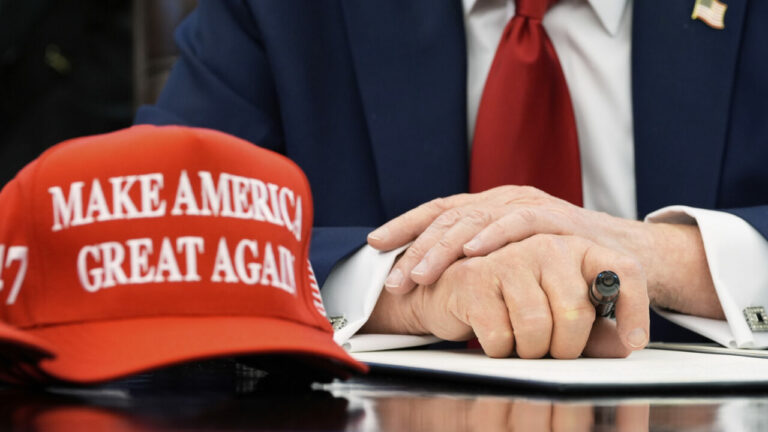
WASHINGTON D.C. – The election of American Cardinal Robert Prevost as Pope Leo XIV, while celebrated by many in the United States, has drawn sharp criticism from prominent figures within the “Make America Great Again” (MAGA) movement. These voices, known for their staunchly nationalist and isolationist views, are questioning the new pontiff’s commitment to “America First” principles, citing his emphasis on global unity and social justice as signs of a “globalist” agenda.  

The criticism surfaced following Pope Leo XIV’s first Mass, where he called the Church “a beacon to illuminate the dark nights of this world” and emphasized the importance of missionary outreach and solidarity with the marginalized. His focus on addressing global challenges, such as poverty, inequality, and the climate crisis, has been interpreted by some MAGA commentators as a departure from a strictly nationalistic worldview.  

“While it’s great to have an American Pope, his message seems more focused on the world than on America,” said a prominent conservative talk show host on a widely viewed podcast. “He’s talking about global unity and social justice, which sounds a lot like the same globalist rhetoric we’ve been fighting against.”

Another influential MAGA blogger echoed these sentiments, writing, “We need a Pope who understands the importance of putting America first. His focus on international issues and his criticisms of materialism and consumerism suggest he may not be aligned with the values of hardworking, patriotic Americans.”

The criticism centers around Pope Leo XIV’s perceived embrace of international cooperation and his advocacy for policies aimed at addressing global inequality. His background as a missionary in Peru, where he spent two decades working with the poor and marginalized, has been cited as evidence of his “globalist” leanings.  

“He spent years in Peru, preaching about social justice and criticizing the excesses of capitalism,” said a former Trump administration official on social media. “Now he’s bringing that same message to the Vatican. It’s not what America needs right now.”  

The MAGA critique also targets Pope Leo XIV’s apparent alignment with Pope Francis’s emphasis on environmental protection and climate action. Some commentators have characterized these positions as “anti-American” and detrimental to economic growth.  

“He’s talking about saving the planet while American businesses are struggling,” said a conservative commentator on a cable news program. “We need a Pope who understands the importance of energy independence and economic prosperity.”

The Vatican has not officially responded to the criticism. However, some Catholic commentators have defended Pope Leo XIV’s message, arguing that it is consistent with the Church’s long-standing teachings on social justice and global solidarity.  

“The Pope’s message is rooted in the Gospel and the Church’s tradition of caring for the poor and marginalized,” said a Catholic theologian in an interview with a religious news outlet. “It’s not about being ‘America First’ or ‘Globalist.’ It’s about being Christian.”

The controversy highlights the growing tension between nationalist and globalist ideologies within the United States, even within religious circles. As Pope Leo XIV begins his pontificate, he faces the challenge of navigating these complex political and cultural divides, while remaining true to the universal message of the Catholic Church.

“A Beacon to Illuminate Dark Nights”: Pope Leo XIV’s Vision Unveiled in First Mass

VATICAN CITY – In his first Mass as the newly elected pontiff, Pope Leo XIV today articulated a powerful vision for the Catholic Church, calling it “a beacon to illuminate the dark nights of this world.” Presiding over the solemn liturgy in the Sistine Chapel, the very space where his historic election unfolded just yesterday, the first American Pope laid out a message of hope, unity, and a renewed commitment to missionary outreach in an increasingly secular age.  

Dressed in simple white and gold vestments, the former Cardinal Robert Prevost, Archbishop of Chicago, addressed the College of Cardinals who had elected him, as well as a global audience watching via broadcast. He began his homily with a few heartfelt words in English before transitioning to fluent Italian, expressing profound humility in accepting the mantle of leadership.  

“God has called me by your election to succeed the prince of the apostles, and has entrusted this treasure to me,” Pope Leo XIV stated, his voice resonating with conviction. Drawing from the day’s scripture readings, he emphasized the Church’s fundamental role: “For we are the people whom God has chosen as his own, so that we may declare the wonderful deeds of him who called us out of darkness into his marvellous light.”  

The 69-year-old pontiff acknowledged the challenges facing the Church in a world where faith is often marginalized or considered “absurd,” a preserve of “the weak and unintelligent.” He pointed to the dominance of “technology, money, success, power, or pleasure” as alternative securities that often lead to a “lack of faith” tragically accompanied by “the loss of meaning in life, the neglect of mercy, appalling violations of human dignity, the crisis of the family and so many other wounds that afflict our society.”  

It is precisely in these “dark nights,” Pope Leo XIV asserted, that the Church’s missionary outreach is “desperately needed.” He envisioned a Church that acts as “an ark of salvation sailing through the waters of history and a beacon that illuminates the dark nights of this world” – not through grand structures, but through the “holiness of her members.”  

In an unscripted moment before his homily, Pope Leo XIV also called for unity among the cardinals, speaking in his American-accented English: “I know I can rely on each and every one of you to walk with me as we continue, as a church, as a community of friends of Jesus, as believers to announce the Good News.”  

His words echoed themes from his first address to the crowds in St. Peter’s Square on Thursday evening, where he spoke of a “missionary” Church that “builds bridges, which holds dialogues, which is always open,” and his predecessor Pope Francis’s vision of a synodal Church characterized by shared leadership and inclusivity.

The swift election of Pope Leo XIV after a relatively short conclave has been met with a mixture of surprise and hope. His background as a missionary in Peru for two decades is seen as a significant influence on his perspective, suggesting a potential focus on the global south and the challenges of evangelization in diverse cultural contexts.  

The coming days will see Pope Leo XIV further define his pontificate, with his Sunday midday Regina Coeli prayer and a Monday press conference eagerly awaited for further insights into his vision for the Church and the direction he intends to lead its 1.4 billion faithful. For now, his first Mass has offered a powerful message of hope and a clear articulation of the Church’s enduring mission in a world grappling with uncertainty.


Xi Jinping Joins Vladimir Putin at Moscow’s Victory Day Parade, Displaying Deepening Ties

MOSCOW, RUSSIA – Chinese President Xi Jinping’s presence at Russia’s Victory Day parade in Moscow’s Red Square has underscored the increasingly close relationship between China and Russia, a display of solidarity that comes amid ongoing geopolitical tensions.  

The event, commemorating the 80th anniversary of the Soviet Union’s victory over Nazi Germany in World War II, saw President Vladimir Putin hosting a number of world leaders. Xi’s attendance carries particular significance, signaling China’s continued support for Russia on the international stage.  

Key takeaways from the event:

  • Display of Solidarity:
    • Xi’s presence at the parade, a highly symbolic event in Russia, reinforces the deepening strategic partnership between the two nations.  
    • This display of unity occurs against the backdrop of Russia’s ongoing war in Ukraine, and increased tensions between China and the west.  
  • Bilateral Relations:
    • The event served as a platform for further discussions between Xi and Putin, highlighting the strengthening of bilateral ties across various sectors.  
    • Reports indicate that increased trade, and diplomatic cooperation were high on the agenda.  
  • Geopolitical Implications:
    • The united front presented by Xi and Putin is likely to be viewed with concern by Western nations, who see the growing alliance as a challenge to the existing international order.  
    • The event highlights the shifting global power dynamics, with China and Russia increasingly aligning their interests.  
  • Victory Day significance:
    • Victory day is a highly important day within Russia, and the presence of foreign leaders, especially that of Xi Jinping, is a show of support for Russia on the international stage.  

The event has drawn attention from international observers, who are closely monitoring the evolving relationship between China and Russia. As the two nations continue to strengthen their ties, the geopolitical landscape is poised for further shifts.

Kyiv Arrests Two Hungarians in Alleged Pro-Russian Spy Operation

KYIV, UKRAINE – Ukrainian authorities have detained two Hungarian nationals suspected of operating a spy network on behalf of Russia, the Security Service of Ukraine (SBU) announced today. The arrests, carried out in a coordinated operation in Kyiv and another undisclosed location, have ignited a diplomatic row between Ukraine and neighboring Hungary, a member state of both the European Union and NATO.

According to the SBU, the two individuals, whose identities have not yet been officially released, are accused of gathering intelligence on Ukraine’s military capabilities, critical infrastructure, and political landscape. The security service alleges that the suspects were recruited and funded by Russian intelligence agencies, with their activities coordinated through intermediaries in Hungary.

“The Security Service of Ukraine has neutralized an extensive network of Russian intelligence operating in our country,” stated an SBU spokesperson during a press briefing in Kyiv. “As part of this operation, two Hungarian citizens have been apprehended who were actively involved in collecting and transmitting sensitive information to the Russian Federation.”

The SBU claims that the suspects utilized various methods to obtain classified data, including cultivating contacts within Ukrainian state institutions and employing sophisticated communication channels to relay information to their handlers. The alleged intelligence gathered was reportedly intended to aid Russia’s ongoing military aggression against Ukraine.

“The information obtained by this network posed a direct threat to the national security of Ukraine,” the SBU spokesperson emphasized. “Their activities were aimed at undermining our defense capabilities and destabilizing the socio-political situation in our country.”

The arrests have immediately strained relations between Kyiv and Budapest, which have been complex since the start of the full-scale Russian invasion. Hungary, under Prime Minister Viktor Orbán, has maintained a more cautious stance towards Russia compared to other EU and NATO allies, often voicing opposition to stringent sanctions and maintaining open communication channels with Moscow.

The Hungarian government has reacted to the news with concern, confirming the detention of two Hungarian citizens but demanding further details and due process from Kyiv. Foreign Minister Péter Szijjártó stated in a press conference in Budapest that the allegations were “serious” but urged Ukraine to provide concrete evidence to support the accusations.

“We are in contact with the Ukrainian authorities and our embassy in Kyiv is providing consular assistance to the detained individuals,” Szijjártó said. “It is crucial that their rights are respected and that the investigation is conducted in a transparent and impartial manner. We expect Ukraine to share all relevant information with us.”

The timing of the arrests is particularly sensitive, occurring amidst ongoing debates within the EU regarding further sanctions against Russia and the level of support for Ukraine. Hungary’s perceived reluctance to fully align with the EU’s stance on the conflict has often led to friction with other member states and with Kyiv.

Ukrainian authorities have indicated that a thorough investigation is underway and that the detained Hungarians could face charges of espionage and treason, which carry significant prison sentences under Ukrainian law. The SBU has released blurred images of the suspects and some of the alleged evidence seized during the operation, including electronic devices and documents.

The incident underscores the intense intelligence war being waged alongside the physical conflict in Ukraine, with both sides actively seeking to gain strategic advantages through espionage and counter-espionage efforts. The involvement of citizens from an EU and NATO member state adds a significant layer of complexity to the geopolitical implications of the case.

As the investigation progresses and diplomatic channels are tested, the case of the two detained Hungarians is likely to remain a prominent point of contention between Kyiv and Budapest, further highlighting the divergent approaches within the Western alliance towards the ongoing conflict in Ukraine.

Image source: (C) Ukraine Presidency/Ukraine Presi/Planet Pix via ZUMA Press Wire

Robert Prevost: From Missionary to Pope Leo XIV – A Profile of the Church’s Historic American Leader

VATICAN CITY – The election of Cardinal Robert Prevost as Pope Leo XIV has sent shockwaves through the Catholic world, marking a historic moment as the first American to ascend to the papacy. While his name may not have been among the most widely speculated before the conclave, his background and experience reveal a figure uniquely positioned to lead the Church in the 21st century.  

Born in Chicago, Illinois, in 1951, Robert Prevost is a member of the Augustinian religious order, a community with a rich history of service and scholarship. His early life was marked by a strong sense of vocation, leading him to join the Augustinians after completing his studies. He was ordained a priest in 1982, embarking on a path of service that would take him far beyond the familiar landscapes of his native Chicago.  

A significant portion of Cardinal Prevost’s ministry was spent in Latin America, a region with a deep and vibrant Catholic tradition and a growing global influence within the Church. For two decades, he served in Peru, immersing himself in the local culture and the challenges faced by the Church in the developing world. His time in Peru included serving as Bishop of Chiclayo from 2015 until his appointment as Prefect of the Dicastery for Bishops by Pope Francis in 2023, a key Vatican role that placed him at the heart of episcopal appointments worldwide. He also became a naturalized citizen of Peru during his extensive service there, a testament to his deep connection with the region.

His appointment to the influential Dicastery for Bishops signaled Pope Francis’s confidence in Prevost’s judgment and his understanding of the global Church. In this role, he was intimately involved in the selection of new bishops, gaining firsthand knowledge of the diverse needs and challenges facing dioceses across the globe. This experience likely provided him with a broad perspective that resonated with the cardinal electors during the conclave.

While not considered a traditional “powerbroker” within the Vatican, Cardinal Prevost is known for his pastoral approach, his ability to foster dialogue, and his commitment to the core tenets of Catholic social teaching. His background as a missionary suggests a deep concern for the poor and marginalized, themes that were central to the pontificate of his predecessor, Pope Francis.

The choice of the name Leo XIV also offers insights into the potential direction of his papacy. Past Popes Leo are often associated with intellectual rigor and a willingness to engage with the complexities of the modern world. Pope Leo XIII, for example, is renowned for his encyclical Rerum Novarum, a foundational text on social justice. This choice of name may indicate Pope Prevost’s intention to address contemporary issues with a thoughtful and engaged approach.

As the first American Pope, Robert Prevost brings a unique perspective shaped by the experiences of the Catholic Church in the United States – a diverse and dynamic landscape facing its own set of challenges and opportunities. His election could also signal a greater emphasis on the role of the Church in the Americas and a recognition of its growing influence on the global stage.

The coming days will undoubtedly reveal more about Pope Leo XIV’s vision for the Church. However, his background as a missionary, his experience in the Vatican, and his chosen papal name suggest a pontificate that will likely be characterized by pastoral care, a commitment to social justice, and a thoughtful engagement with the complexities of the modern world, all viewed through the lens of his unique American and missionary experience.

American Cardinal Robert Prevost Elected Pope, Takes Name Leo XIV in Historic Conclave

VATICAN CITY – In a stunning and historic development that reverberated across the globe, American Cardinal Robert Prevost has emerged from the secrecy of the papal conclave as the successor to Pope Francis. The Archbishop of Chicago, a relative newcomer to the College of Cardinals, accepted the momentous responsibility and will be known as Pope Leo XIV, the Vatican announced to a jubilant crowd gathered in St. Peter’s Square moments ago.

The white smoke that billowed from the Sistine Chapel earlier this evening heralded an election that surprised many Vatican observers. While several prominent European and Latin American cardinals were widely considered frontrunners, the choice of Cardinal Prevost, 72, marks a significant departure and a potential turning point for the Catholic Church. He becomes the first American to ascend to the papacy.

The announcement from the balcony of St. Peter’s Basilica by the Cardinal Protodeacon sent waves of excitement and astonishment through the assembled faithful and the world watching via live broadcast. The name “Leo XIV” carries significant weight in papal history, evoking the legacy of intellectualism and engagement with the modern world associated with past Popes bearing that name.

Cardinal Prevost, a member of the Augustinian religious order, was only elevated to the College of Cardinals by Pope Francis in 2022. His relatively recent elevation and his background as a missionary in Latin America were not widely seen as indicators of frontrunner status. However, sources within the Vatican suggest his pastoral experience, his reputation as a consensus-builder, and his fresh perspective on the challenges facing the Church may have resonated with the cardinal electors.

The conclave, which began earlier this week following the death of Pope Francis, proceeded with an unexpected swiftness. The election on what is believed to be the third day of balloting underscores the sense of urgency among the cardinals to provide the Church with new leadership.

Pope Leo XIV appeared on the balcony shortly after the announcement, offering a traditional blessing “Urbi et Orbi” to the city and the world. His initial remarks, delivered in Italian, were brief but heartfelt, expressing a sense of humility and a commitment to serving the global Catholic community.

“Brothers and sisters,” the new Pope began, his voice calm yet carrying across the square, “this is a moment of profound grace. I accept this heavy responsibility with a spirit of service and a deep trust in the Lord’s guidance. Let us walk together, united in faith and love, to bring the light of the Gospel to all corners of the world.”

The election of an American Pope brings a new dynamic to the leadership of the Catholic Church. The United States has the fourth-largest Catholic population in the world, and Cardinal Prevost’s selection reflects the growing global influence of the Church in the Americas. His background in missionary work in Peru also signals a potential emphasis on the needs of the developing world.

The coming days and weeks will be crucial in understanding the priorities and vision of Pope Leo XIV. His first encyclicals and appointments will offer further insights into the direction he intends to steer the Church on issues ranging from social justice and ecumenical dialogue to internal governance and the challenges of a secularizing world.

For now, however, the focus remains on the historic moment witnessed in St. Peter’s Square – the election of the first American Pope, a development that promises to usher in a new and potentially transformative era for the Catholic Church. The world watches with anticipation as Pope Leo XIV begins his pontificate.

“Habemus Papam!” White Smoke Signals New Pope Elected as Cheers Erupt in St. Peter’s Square

VATICAN CITY – The centuries-old tradition has held true once again. Just moments ago, plumes of white smoke billowed from the chimney atop the Sistine Chapel, sending a wave of elation through the tens of thousands of faithful gathered in St. Peter’s Square. The unmistakable “fumata bianca” signals that the cardinal electors, sequestered within the Vatican walls, have successfully chosen the 267th successor to Saint Peter.

A collective cheer erupted from the expectant crowd, a mixture of relief, joy, and fervent anticipation. Bells began to toll across Rome, confirming the momentous news that the Catholic Church has a new leader. After days of intense prayer, deliberation, and secret balloting within the sacred confines of the Sistine Chapel, the College of Cardinals has reached the required two-thirds majority.

The identity of the new pontiff remains a closely guarded secret for now, adding to the electric atmosphere in the square. All eyes are now fixed on the balcony of St. Peter’s Basilica, where the senior cardinal deacon will soon appear to utter the historic words: “Annuntio vobis gaudium magnum: Habemus Papam!” – “I announce to you a great joy: We have a Pope!”

The conclave, triggered by the death of Pope Francis on April 21st, saw 133 cardinal electors from around the globe locked in prayer and discussion, seeking divine guidance in their momentous decision. The white smoke, a visual representation of the Holy Spirit’s perceived influence, marks the culmination of this deeply spiritual and politically significant process.

The world now waits with bated breath to learn the name of the cardinal chosen to lead the world’s 1.4 billion Catholics. The new Pope will inherit a Church facing a complex array of challenges, including issues of social justice, internal reform, and its role in a rapidly changing global landscape.

The anticipation in St. Peter’s Square is palpable, with pilgrims and locals alike sharing embraces and shedding tears of joy. The atmosphere is one of profound historical significance, as the Church prepares to welcome its new shepherd. The announcement from the balcony will not only reveal the identity of the next Pope but will also offer the first glimpse into the direction he intends to steer the Catholic Church in the years to come. For now, however, the focus remains on the simple yet powerful signal of the white smoke – a symbol of unity, continuity, and the enduring traditions of the Vatican.

Tensions Flare as Israeli Forces Close UN-Run Schools in East Jerusalem

EAST JERUSALEM – Israeli security forces today forcibly closed six schools in East Jerusalem operated by the United Nations agency for Palestinian refugees (UNRWA), escalating tensions in the already fraught city. The move, impacting hundreds of Palestinian students, comes months after Israel officially banned UNRWA from operating on its soil, accusing the agency of harboring anti-Israel sentiment and ties to terror groups – allegations UNRWA vehemently denies.

Heavily armed Israeli police and Education Ministry officials arrived at the UNRWA-run schools in the Shuafat refugee camp and other neighborhoods early Thursday morning, ordering the immediate evacuation of students and staff. According to UNRWA, at least one staff member was detained during the operation.

Philippe Lazzarini, the Commissioner-General of UNRWA, condemned the closures as a “blatant disregard of international law” and an “assault on children” and their right to education. In a statement posted on X, Lazzarini asserted that the schools are “inviolable premises of the United Nations.”

Closure orders, written in Hebrew and affixed to school entrances, stated that the operation of educational institutions, the employment of staff, and the entry of students were prohibited, effective today. UNRWA reported that over 550 students, some as young as six, were present at three of the affected schools in Shuafat camp when the closures were enforced.

Eyewitness accounts described scenes of distress and confusion as students were forced to leave their classrooms. Some children were seen hugging teachers and crying, uncertain about their educational future.

The Israeli Ministry of Education stated that the closures were due to the schools operating without the necessary licenses. However, this justification has been met with skepticism by Palestinians and international observers, who view the action as the culmination of a sustained campaign by Israel against UNRWA.

The Palestinian Authority condemned the closures as a “violation of children’s right to education” and called on international institutions to intervene. The British consulate in Jerusalem, along with representatives from the EU, Norway, Switzerland, Turkey, and Japan, issued a joint statement strongly opposing the closure orders and expressing solidarity with the affected students, parents, and teachers.

UNRWA, which has been providing essential services to Palestinian refugees for over 70 years, has long faced scrutiny from Israeli authorities. Tensions intensified following the October 7, 2023, Hamas attacks on Israel, with Israel alleging the involvement of some UNRWA staff members – claims the agency is investigating but denies systemic complicity.

While the Israeli government claims it will place the displaced students in other Jerusalem schools, concerns remain about the logistical challenges and potential discrimination these students may face. Parents and educators caution that the closures could force children to navigate crowded and potentially dangerous checkpoints daily, with some lacking the permits required to pass through.

The forced closure of UNRWA-run schools marks a significant escalation in the ongoing conflict between Israel and the Palestinians in East Jerusalem, further jeopardizing the already fragile situation and raising serious concerns about the future of Palestinian education in the contested city.

US Lifts Steel and Aluminum Tariffs, Slashes Car Rate in Landmark UK Deal

WASHINGTON D.C. – In a significant development for transatlantic trade relations, the United States has announced the removal of tariffs on UK steel and aluminum, and a substantial reduction in tariffs on British-made cars. This agreement, unveiled by both US and UK officials, marks a major step towards strengthening economic ties between the two nations.  

The deal, which has been hailed as a “landmark” by both sides, addresses longstanding trade disputes that have impacted key industries. The most notable elements of the agreement include:  

  • Elimination of Steel and Aluminum Tariffs:
    • The US has agreed to remove the 25% tariffs that had been imposed on UK steel and aluminum exports. This move is expected to provide a significant boost to the UK’s steel industry, which has faced considerable challenges in recent years.  
  • Reduction of Car Tariffs:
    • Tariffs on UK car exports to the US have been drastically reduced from 27.5% to 10%. This reduction is anticipated to provide a major advantage to British car manufacturers, making their vehicles more competitive in the American market.  
  • Reciprocal Trade Measures:
    • In exchange, the UK has agreed to remove tariffs on US ethanol and to provide increased market access for US beef.  
FILE – In this May 9, 2019, file photo, steel rods produced at the Gerdau Ameristeel mill in St. Paul, Minn., await shipment. In a deal announced Tuesday, March 22, 2022, the United States has agreed to lift tariffs on British steel and aluminum, mending a rift between allies that dates back to the Trump administration. (AP Photo/Jim Mone, File)

The announcement was made in a joint statement, emphasizing the commitment of both nations to fostering a strong and mutually beneficial trade relationship. Officials from both countries highlighted the potential for the deal to create jobs, stimulate economic growth, and strengthen supply chains.

The deal has been met with widespread approval from industry leaders in both the UK and the US. Representatives from the steel, aluminum, and automotive sectors have praised the agreement, citing its potential to revitalize their respective industries.

This agreement is being seen as a major step forward, and signals a strengthening of the relationship between the US and the UK. While there are still other trade issues to be addressed, this deal has created a strong foundation for future trade negotiations.

Inside the Conclave: Decoding the Ancient Ritual That Elects the Pope

VATICAN CITY – As the world awaits the white smoke signaling the election of a new Pope, the inner workings of the papal conclave, a centuries-old ritual steeped in tradition and secrecy, remain a source of fascination and intrigue. Here’s a look at the key steps involved in this extraordinary process:  

1. The “Extra Omnes” and Sequestration:

Following the death or resignation of a Pope, and after a period of mourning, the cardinals gather in Rome. The conclave officially begins with the “Extra Omnes” (Latin for “everyone out”) declaration, signaling that all non-cardinals must leave the Sistine Chapel. The doors are then locked, sealing the cardinals off from the outside world. This sequestration aims to ensure complete freedom from external influence and maintain absolute secrecy.  

2. The Cardinal Electors:

Only cardinals under the age of 80 are eligible to vote. This restriction, introduced by Pope Paul VI, aims to ensure that those electing the Pope possess the physical and mental capacity to handle the demands of the papacy. The current conclave comprises 133 cardinal electors, representing a diverse cross-section of the global Catholic Church.  

3. The Balloting Process:

The election takes place through a series of secret ballots. Each cardinal writes the name of their chosen candidate on a slip of paper, folds it, and places it in a designated urn. The ballots are then counted by scrutineers.  

4. The Two-Thirds Majority:

For a candidate to be elected Pope, they must receive a two-thirds majority of the votes cast. In the current conclave, this means 89 votes. If no candidate achieves this majority, the ballots are burned, and black smoke is released from the Sistine Chapel chimney, signaling a failed vote.  

5. Multiple Rounds of Voting:

The balloting process continues, typically with two votes in the morning and two in the afternoon. If no Pope is elected after three days of voting, a pause for prayer and reflection is observed. The voting then resumes, and if a deadlock persists, the cardinals may adjust the voting procedure, potentially requiring a simple majority after a specified number of ballots.

6. The White Smoke and “Habemus Papam”:

When a candidate receives the required two-thirds majority, the ballots are burned with damp straw, producing white smoke. This signal is the eagerly awaited sign that a new Pope has been elected. The senior cardinal deacon then announces the election from the balcony of St. Peter’s Basilica, proclaiming “Habemus Papam” (“We have a Pope”), followed by the new Pope’s chosen name.  

7. The New Pope’s Acceptance and Vesting:

The elected cardinal is asked if he accepts the election. Upon acceptance, he chooses a papal name and is vested in the white papal garments. He then appears on the balcony of St. Peter’s Basilica to give his first blessing, “Urbi et Orbi” (“to the city and to the world”).  

8. Secrecy and Security:

Throughout the conclave, stringent measures are in place to maintain secrecy. Cardinals are forbidden from communicating with the outside world, and electronic devices are confiscated. The Vatican also employs signal jammers to prevent any form of electronic eavesdropping.  

9. The Role of the Holy Spirit:

While the conclave involves a structured electoral process, Catholics believe that the Holy Spirit guides the cardinals in their decision. The cardinals engage in prayer and reflection, seeking divine guidance as they discern who should lead the Church.  

The papal conclave, with its blend of ancient tradition and modern security, remains a unique and compelling event. As the world watches, the cardinals’ deliberations will determine the future direction of the Catholic Church and its influence on the global stage.


Vatican City Gripped by Anticipation as Conclave Begins: World Watches to See Who Will Be the Next Pope

VATICAN CITY – The ancient ritual has commenced. One hundred and thirty-three cardinals, sequestered within the hallowed walls of the Vatican, have begun the solemn and secretive process of electing the 267th successor to Saint Peter. The world’s 1.4 billion Catholics, and indeed people of all faiths and none, are now focused on the Sistine Chapel, waiting for the tell-tale plumes of smoke that will signal the dawn of a new pontificate.  

The conclave, triggered by the death of Pope Francis on April 21st at the age of 88, began with a morning Mass in St. Peter’s Basilica, a powerful invocation of divine guidance before the weighty task ahead. This afternoon, the cardinal electors, all under the age of 80 and hailing from across the globe, processed into the frescoed Sistine Chapel, chanting the “Litany of the Saints” and the “Veni Creator,” imploring the Holy Spirit to illuminate their choice.  

Under the gaze of Michelangelo’s masterpieces, these men, now cut off from the outside world, will engage in prayer, deliberation, and multiple rounds of secret balloting until one candidate receives the necessary two-thirds majority – at least 89 votes. To ensure absolute secrecy and freedom from external influence, the Vatican has implemented stringent measures, including the confiscation of mobile phones and the deployment of signal jammers around the Sistine Chapel and the Domus Santa Marta, where the cardinals will reside.  

The process is steeped in tradition and designed to be both contemplative and shielded from secular pressures. Ballots are cast, counted, and then burned in a special stove. Black smoke billowing from the chimney signals that no decision has been reached, while the appearance of white smoke will trigger joyous celebrations and the iconic announcement: “Habemus Papam” – “We have a Pope.”  

The field of potential candidates remains closely guarded, as is the nature of the conclave itself. However, several names have been frequently mentioned by Vatican observers and oddsmakers. Cardinal Pietro Parolin, the Vatican’s Secretary of State, is often cited as a leading contender, a seasoned diplomat and high-ranking figure within the Church hierarchy. Other prominent names include Cardinal Luis Antonio Tagle of the Philippines, known for his pastoral approach and global perspective, and Cardinal Matteo Zuppi of Italy, seen as a progressive voice. The Patriarch of Jerusalem, Cardinal Pierbattista Pizzaballa, has also emerged as a significant figure, particularly given the current geopolitical climate in the Middle East.  

The cardinals, a diverse group representing the Catholic Church’s expanding presence in Africa, Asia, and Latin America, as well as its traditional European base, face a complex array of challenges as they discern who should lead the Church in the years ahead. Issues such as the role of women, LGBTQ+ inclusion, the climate crisis, and the ongoing need for reform and accountability within the Church are expected to weigh heavily on their deliberations.  

While some anticipate a swift election, history suggests that papal conclaves can be unpredictable. The lengthiest conclave in history stretched for nearly three years, but modern conclaves have typically been much shorter. The election of Pope Francis in 2013 concluded after just five ballots.  

As the world holds its breath, the cardinals embark on this profound spiritual and political undertaking. The question of who will emerge from the Sistine Chapel as the next Pope remains shrouded in mystery, but the commencement of the conclave marks the beginning of a new chapter for the Catholic Church and its global flock. The white smoke, when it finally appears, will signal not just the election of a new leader, but the direction the Church will take in navigating the complexities of the 21st century.

India Launches Missile Strikes into Pakistan and Kashmir, Islamabad Vows Retaliation

ISLAMABAD, PAKISTAN – Tensions between nuclear-armed rivals India and Pakistan have spiraled dramatically after India launched a series of missile strikes deep into Pakistani territory and Pakistan-administered Kashmir early Wednesday morning. Pakistan has vehemently condemned the attacks as a “blatant act of war” and promised a “robust response,” raising fears of a wider military conflict in the already volatile region.

India’s military confirmed the strikes, codenamed “Operation Sindoor,” stating that they were “precision strikes” targeting what they described as “terrorist infrastructure” from where attacks against India had been planned and directed. The Indian government emphasized that the actions were “focused, measured and non-escalatory in nature” and claimed that no Pakistani military facilities were targeted.

However, Pakistan presented a starkly different account. Prime Minister Shehbaz Sharif addressed his nation, denouncing the Indian action as “cowardly and unlawful,” asserting that the missiles struck civilian areas, including mosques, and resulted in the deaths of at least 26 people, including women and children, with dozens more injured. Pakistan’s military also claimed to have shot down several Indian fighter jets in retaliation, a claim that India has yet to confirm.

The strikes follow a recent deadly attack on tourists in Indian-administered Kashmir, which New Delhi has blamed on Pakistan-backed militant groups. Islamabad has vehemently denied any involvement in the April 22nd attack that killed 26 people, mostly Indian tourists, and had called for an independent investigation.

Eyewitness accounts from Pakistan-administered Kashmir painted a picture of chaos and fear as loud explosions rocked cities like Muzaffarabad and Kotli. Residents reported being jolted awake by the blasts, with some areas experiencing power outages. In Pakistan’s Punjab province, officials confirmed that missiles struck a mosque in Bahawalpur, resulting in casualties.

In the aftermath of the Indian strikes, the Pakistani military announced that its air force had launched retaliatory operations and claimed to have downed Indian military aircraft. Heavy shelling and gunfire were also reported across the Line of Control (LoC), the de facto border separating Indian- and Pakistan-administered Kashmir, resulting in further casualties on both sides. Indian sources reported at least three civilian deaths due to Pakistani shelling into Indian-controlled Kashmir.

The international community has reacted with grave concern, urging both sides to exercise maximum restraint and avoid further escalation. The United Nations, the United States, and China have all called for de-escalation and a return to diplomatic channels.

“The world cannot afford a military confrontation between India and Pakistan,” said UN Secretary-General António Guterres’ spokesperson.

The current crisis marks a significant escalation in the long-standing animosity between the two nuclear-armed neighbors, who have fought multiple wars over the disputed Kashmir region. The tit-for-tat actions have raised fears of a dangerous cycle of retaliation that could have catastrophic consequences for the region and beyond. As both nations brace for further developments, the world watches with bated breath, hoping for a swift de-escalation of this perilous situation.

Political Earthquake in Berlin: Friedrich Merz Ascends to Chancellorship After Unprecedented Vote Chaos

BERLIN, GERMANY – In a stunning turn of events that has shaken the foundations of German politics, Friedrich Merz has been elected Chancellor after an initial, historically unprecedented failure to secure a majority in the Bundestag. The dramatic parliamentary session, marked by procedural chaos and intense political maneuvering, has left the nation reeling and raised serious questions about the stability of Germany’s political system.  

The initial vote, intended to install Merz as Chancellor following the collapse of the previous coalition government, ended in an extraordinary deadlock. For the first time in the history of the Federal Republic, no candidate achieved the required absolute majority in the first ballot. The chamber erupted in disbelief as the results were announced, prompting immediate speculation about a constitutional crisis.

The failure was attributed to a combination of factors: internal dissent within Merz’s own Christian Democratic Union (CDU), unexpected abstentions from smaller parties, and a highly charged atmosphere of political distrust. The fractured political landscape, characterized by the rise of smaller parties and the erosion of traditional party loyalties, contributed to the unpredictable outcome.  

The subsequent hours were a whirlwind of closed-door negotiations and frantic attempts to salvage the situation. Party leaders, including Merz himself, engaged in intense discussions aimed at securing the necessary votes. The prospect of a second, potentially equally chaotic, vote loomed large, threatening to plunge the nation into further uncertainty.  

Image source: Wikipedia

However, after a day of intense political wrangling, Merz was ultimately elected in a second ballot. A last minute, fragile agreement was reached, involving concessions to several smaller parties. The exact details of the agreement remain undisclosed, but it is believed to involve significant policy compromises and promises of cabinet positions.  

The atmosphere in the Bundestag during the second vote was tense, with palpable relief as Merz finally secured the required majority. Despite the successful outcome, the unprecedented vote failure has cast a long shadow over his chancellorship.

“This has been a deeply challenging day for German democracy,” Merz stated in his inaugural address. “We have faced an unprecedented crisis, but we have emerged stronger. I pledge to lead this nation with integrity and determination, to restore trust in our institutions, and to address the pressing challenges facing our country.”

The political fallout from the day’s events is expected to be significant. Analysts are already predicting a period of heightened political instability, with the newly formed government facing an uphill battle to maintain cohesion and address the nation’s pressing issues, including economic uncertainty, energy security, and the ongoing conflict in Ukraine.

The opposition parties have seized on the chaos, accusing Merz of political opportunism and questioning his ability to unite a fractured nation. The far-right AfD, in particular, has capitalized on the disarray, portraying the day’s events as evidence of the political establishment’s incompetence.

The international community is also watching the situation closely, with concerns about the impact of Germany’s political instability on European unity and global affairs. The European Union, in particular, will be keen to see how Merz’s government navigates the challenges ahead.

The unprecedented vote failure and Merz’s eventual election mark a watershed moment in German politics. The coming weeks and months will be crucial in determining whether he can restore stability and effectively govern a nation deeply divided.

Hollywood on High Alert: Trump Considers 100% Tariffs on Foreign Films, Industry Braces for Seismic Shift

WASHINGTON D.C. – The American film industry is bracing for a potential upheaval as the executive branch reportedly considers imposing a staggering 100% tariff on movies not produced in the United States. Sources within the administration, speaking on condition of anonymity, indicate that the proposal is in early stages of discussion but has the potential to drastically reshape the global cinematic landscape and the viewing habits of American audiences.

The rationale behind the tariff, according to insiders, aligns with the administration’s broader “America First” agenda, aiming to bolster domestic film production and potentially generate significant revenue through import duties. Proponents of the measure argue it would incentivize studios to film within the US, create American jobs, and ensure that the content consumed by American audiences is predominantly American-made.

The potential impact of such a drastic tariff is immense. A 100% levy would effectively double the cost of importing foreign films, making them significantly more expensive for distributors to acquire and for consumers to access through streaming platforms, rentals, and theatrical releases. This could lead to a drastic reduction in the availability of international cinema in the US market.

Hollywood studios, while likely to benefit from reduced competition from abroad, are reportedly divided on the proposal. While it could strengthen the domestic box office for American films, many studios rely on international co-productions and distribution deals for significant revenue streams. Furthermore, some fear retaliatory tariffs from other countries on American films shown overseas, potentially harming their global earnings.

Image source: Wikipedia

Independent film distributors and art house cinemas are expressing deep concern, arguing that the tariff would severely limit the diversity of films available to American viewers and potentially decimate their businesses, which often rely heavily on foreign cinema.

“This would be catastrophic for film culture in the United States,” said Ira Deutchman, a veteran independent film distributor. “Foreign films offer vital perspectives and artistic innovation that enrich our cinematic landscape. To impose such a punitive tariff would be a cultural and artistic loss.”

Streaming giants, which have increasingly invested in international content to attract global subscribers, would also face significant challenges. They would likely have to either absorb the massive cost increase or drastically reduce their offerings of non-American films, potentially leading to subscriber dissatisfaction.

The proposal is also likely to face strong opposition from consumer groups and international trade bodies, who would argue that it constitutes protectionism and limits consumer choice. Legal challenges based on international trade agreements are also a strong possibility.

The discussions within the administration are reportedly preliminary, and it remains unclear whether the proposal will advance to a formal policy recommendation. However, the mere consideration of such a sweeping tariff signals a potential shift in the government’s approach to the entertainment industry and international trade. The global film industry is watching closely, bracing for a development that could have profound and lasting consequences for the movies Americans watch and the future of international cinema exchange.

Red Carpet Revelation: Rihanna Announces Third Pregnancy with A$AP Rocky at Met Gala

NEW YORK, NY – Global superstar Rihanna has once again turned a high-profile event into a personal celebration, revealing that she is expecting her third child with partner A$AP Rocky at the prestigious Met Gala on Monday evening. The singer and entrepreneur, known for her show-stopping entrances, subtly debuted her baby bump, sending the fashion world and her legions of fans into a frenzy.

Rihanna, 37, arrived fashionably late, as is her custom for the annual fundraising gala for the Metropolitan Museum of Art’s Costume Institute, showcasing her growing baby bump in a striking ensemble. While initial reports circulated earlier in the day after paparazzi photos captured the singer en route to the event, A$AP Rocky, a co-chair for this year’s Met Gala, confirmed the joyous news to reporters on the red carpet.

“It feels amazing, you know,” the rapper told the Associated Press, beaming. “It’s time that we show the people what we was cooking up. And I’m glad everybody’s happy for us ’cause we definitely happy, you know.”

For the “Superfine: Tailoring Black Style” themed event, Rihanna graced the blue carpet in a custom Marc Jacobs creation. The outfit featured a structured, corseted bodice that elegantly accentuated her baby bump, paired with a cropped suit jacket and a tailored skirt with a unique tied bustle detail. Completing the memorable look was an oversized black hat, a maroon polka-dot cravat, and dazzling Cartier jewelry.

This marks the third pregnancy for Rihanna and A$AP Rocky, who are already parents to two sons: RZA, who will turn three this month, and Riot Rose, 21 months. The couple, who publicly confirmed their relationship in 2020, have often spoken about their deep bond and the joys of parenthood.

Image source: Twitter

Rihanna has a penchant for iconic pregnancy reveals. She famously announced her second pregnancy during her electrifying Super Bowl halftime performance in 2023, a moment that became instantly viral. This more subtle, yet equally impactful, reveal at the Met Gala underscores her continued ability to command attention and blend her personal milestones with major cultural events.

A$AP Rocky, 36, who walked the carpet separately before Rihanna’s arrival, sported a custom suit by his creative agency, AWGE, describing his look as having a “bit of Harlem Nights” vibe. He also carried a diamond-studded umbrella, adding his signature flair to the evening.

The news of Rihanna’s pregnancy adds another layer of excitement to an already star-studded Met Gala, further solidifying her status as a fashion icon and a cultural force. As the world celebrates this happy announcement, anticipation builds for the arrival of the couple’s third child.

Trump Floats Controversial “Self-Deportation” Plan, Offering $1,000 Incentive to Undocumented Immigrants

WASHINGTON D.C. – In a highly controversial proposal that has ignited a firestorm of debate, the White House has floated a plan to offer undocumented immigrants a one-time payment of $1,000 to voluntarily leave the United States. The proposal, reportedly under preliminary discussion within administration circles, has been framed as a cost-effective and humane alternative to large-scale deportation efforts.

Sources familiar with the internal deliberations, speaking on condition of anonymity, indicate that the “self-deportation” incentive is being explored as a potential strategy to reduce the undocumented population while avoiding the significant financial and logistical burdens associated with forced removals. Proponents within the administration argue that offering a financial incentive could encourage some individuals to return to their home countries, thereby easing pressure on the immigration system.

The idea was reportedly first floated during a recent policy brainstorming session and has since gained traction among some advisors seeking more pragmatic solutions to the complex issue of illegal immigration. The White House has yet to formally announce or endorse the plan, and its details remain vague. However, the reported consideration of such a measure has already drawn তীব্র condemnation from both sides of the political spectrum.

Immigration advocacy groups have slammed the proposal as “coercive” and “morally reprehensible,” arguing that it would pressure vulnerable individuals into making life-altering decisions under duress. They contend that a one-time payment is insufficient to address the root causes of migration or to ensure the safe and sustainable return of individuals to their home countries.

“This is nothing more than a thinly veiled attempt to circumvent due process and further demonize immigrants,” said Esmeralda Vargas, an attorney with the American Civil Liberties Union (ACLU). “Offering a paltry sum of money to uproot lives and leave the country is not a humane solution; it’s a form of financial coercion.”

Conversely, hardline immigration critics within the Republican party have dismissed the proposal as “amnesty by another name,” arguing that it rewards individuals for violating US immigration laws. They maintain that the focus should remain on strict enforcement and the deportation of all undocumented immigrants.

“This sends the wrong message entirely,” said Representative Jim Buckley, a vocal critic of illegal immigration. “We should be enforcing our laws, not offering taxpayer dollars to those who have broken them. This is a dangerous precedent.”

Legal experts also raise significant questions about the legality and practicality of such a plan. It remains unclear how eligibility would be determined, how the payments would be distributed, and what safeguards would be in place to prevent fraud or exploitation. There are also concerns about whether such a program would genuinely lead to a significant reduction in the undocumented population.

The reported consideration of this “self-deportation” plan comes as the administration continues to grapple with high levels of illegal immigration at the southern border. While enforcement efforts have been intensified, the sheer number of individuals crossing the border presents a significant logistical and humanitarian challenge.

Whether this controversial proposal will ever be formally introduced remains uncertain. However, its mere consideration underscores the ongoing debate within the administration about how to address the complex issue of illegal immigration and the search for solutions beyond traditional enforcement measures. The idea has undoubtedly ignited a contentious debate that is likely to continue as the administration navigates this politically charged issue.

Gaza Braces for Intensified Conflict as Israel Security Cabinet Greenlights Plan for ‘Capture’

JERUSALEM – In a move signaling a potential and significant escalation of the conflict in the Gaza Strip, Israel’s security cabinet has reportedly approved a plan for the “capture” of the Palestinian territory. The decision, reached during a late-night meeting on Sunday, comes as the Israel Defense Forces (IDF) have called up tens of thousands of reservists, raising concerns of a full-scale ground offensive.

According to an Israeli official who spoke to AFP on condition of anonymity, the expanded military operations will include “the conquest of the Gaza Strip and the holding of the territories,” alongside the controversial measure of “moving the Gaza population south for their protection.” A separate senior security source indicated that a “central component of the plan is a large-scale evacuation of the entire Gazan population from the fighting zones… to areas in southern Gaza.”

The 1 decision by the security cabinet, which includes Prime Minister Benjamin Netanyahu and key ministers, was reportedly unanimous and aims to achieve the stated goals of defeating Hamas and securing the return of hostages still held in the territory. The plan also includes “powerful strikes against Hamas,” although the specifics of these operations remain undisclosed.  

Israel is resuming its operations in Gaza, saying Hamas broke planned 72-hour ceasefire just hours after it had begun

The announcement has already drawn sharp criticism and expressions of concern from international bodies. The European Union voiced its unease, urging restraint and warning that the plan “will result in further casualties and suffering for the Palestinian people.”

This development follows a resumption of major Israeli military operations across Gaza on March 18th, after a fragile two-month ceasefire largely collapsed. Since then, the IDF has intensified its aerial bombardments and expanded ground incursions across the Palestinian enclave. Gaza medical sources reported on Monday that Israeli airstrikes had killed at least 19 people.

The plan also appears to align with a long-standing proposal by US President Donald Trump for the “voluntary transfer” of Gaza’s population to neighboring countries, a concept that has been vehemently rejected by Arab nations and the Palestinians themselves.

Adding another layer of complexity, the Israeli security cabinet also approved a new framework for the distribution of humanitarian aid in Gaza, with the stated aim of preventing Hamas from seizing control of supplies and undermining its governance capabilities. This move has been met with skepticism and condemnation from UN agencies and aid organizations, who argue that it contravenes fundamental humanitarian principles and appears designed to exert pressure as part of a military strategy. Hamas has denounced the new aid framework as “political blackmail.”

Inside Israel, the proposed escalation has also ignited debate. While some citizens express support for decisive action against Hamas, families of the hostages held in Gaza have voiced fears that a large-scale offensive could further endanger their loved ones. An Israeli campaign group representing hostage families described the plan as “sacrificing” those still in captivity.

Opposition Leader Yair Lapid has also questioned the timing and objectives of mobilizing tens of thousands of reservists without a clear strategic goal beyond military action.

As the situation rapidly unfolds, the 2.3 million Palestinians trapped within the densely populated Gaza Strip brace for what appears to be a significant and potentially devastating new phase of the conflict. The international community watches with increasing alarm as the prospect of a full-scale Israeli operation to “capture” Gaza looms large.

Met Gala Ticket Prices Soar to $75,000 as Fundraising Powerhouse Returns

NEW YORK, NY – The price of admission to fashion’s most coveted and exclusive night has reached a new stratosphere. Tickets for the annual Met Gala, a fundraising behemoth for the Metropolitan Museum of Art’s Costume Institute, are now commanding a staggering $75,000 per individual, a significant jump from last year’s $50,000, industry sources have confirmed. Tables for brands and corporations looking to secure a prime presence at the star-studded event are reportedly fetching upwards of $500,000.

The eye-watering price tag underscores the Met Gala’s unparalleled status as a nexus of celebrity, high fashion, and philanthropy. The event, traditionally held on the first Monday in May, serves as the opening for the Costume Institute’s annual blockbuster exhibition and is a critical fundraising source for the museum’s fashion department, which operates as a self-funded entity.

This year’s Met Gala, themed “Sleeping Beauties: Reawakening Fashion” with a dress code of “The Garden of Time,” promises another spectacle of avant-garde ensembles and A-list attendees. The fundraising target for this year’s event is reportedly ambitious, aiming to surpass previous records.

The substantial increase in ticket prices reflects the immense demand to be part of this ultra-exclusive gathering. With limited space and an ever-growing list of potential attendees – ranging from Hollywood royalty and music icons to tech titans and fashion’s elite – the Costume Institute, under the leadership of its influential curator Andrew Bolton, wields considerable power in curating the guest list.

For individuals, securing a ticket often involves a personal invitation or a connection to a sponsoring brand. The $75,000 fee essentially buys access to an unparalleled networking opportunity and the chance to rub shoulders with the world’s most influential figures in a dazzling and highly photographed setting.

For major fashion houses and luxury brands, purchasing tables at the Met Gala is a strategic investment. It provides an unparalleled platform to showcase their designs on high-profile celebrities, generate global media attention, and cultivate relationships with key industry players. The hefty price tag is often viewed as a marketing expense with the potential for significant returns in brand visibility and prestige.

The Met Gala’s fundraising prowess is undeniable. Last year’s event reportedly raised over $22 million for the Costume Institute, a testament to the event’s unique ability to leverage celebrity power and fashion prestige for philanthropic gain. The increased ticket prices this year signal a continued drive to maximize fundraising efforts.

However, the escalating cost of entry also raises questions about accessibility and inclusivity within the fashion world. While the Met Gala is undeniably a fundraising event, its increasing exclusivity underscores the growing divide between the ultra-wealthy and the broader creative community.

As the countdown to the first Monday in May continues, the focus will undoubtedly be on the spectacular fashion on display. However, the staggering $75,000 ticket price serves as a stark reminder of the Met Gala’s unique position at the apex of wealth, celebrity, and the art of fashion.

Little Monsters Unite: Two Million Strong for Free Lady Gaga Spectacle on Rio’s Copacabana Beach

RIO DE JANEIRO, BRAZIL – Mother Monster has delivered a historic performance for her Brazilian faithful. An estimated two million fans, a sea of enthusiastic “Little Monsters,” flocked to Rio de Janeiro’s iconic Copacabana Beach on Saturday night for a monumental, free Lady Gaga concert, marking the largest crowd of her illustrious career.

The massive turnout, significantly exceeding initial city projections of 1.6 million, transformed the famous shoreline into a vibrant, pulsating celebration of music and inclusivity. Fans, many of whom had camped out for hours under the blazing sun to secure a prime viewing spot, were rewarded with a spectacular, career-spanning set from the pop superstar.

Lady Gaga, making her highly anticipated return to Brazil for the first time since 2012, did not disappoint. Kicking off the show around 10:10 PM local time with her 2011 hit “Bloody Mary,” the energy from the tightly packed crowd was palpable, with attendees singing and dancing shoulder-to-shoulder across the vast expanse of sand.

Throughout the two-hour extravaganza, Gaga delivered a dazzling array of her classic anthems, including “Poker Face” and “Alejandro,” seamlessly transitioning between elaborate costumes, one of which proudly displayed the colors of the Brazilian flag. The performance was a visual feast, featuring intricate choreography, dramatic staging, and heartfelt interactions with the adoring audience.

“Brazil, I missed you so much,” Gaga exclaimed in Portuguese to thunderous applause, before launching into another hit. The singer repeatedly expressed her gratitude and the emotional significance of the evening, dedicating the record-breaking concert to her LGBTQ+ fans. Waving a pride flag high above the ecstatic crowd during “Born This Way,” Gaga emphasized her unwavering support for the community that has long embraced her as an icon.

The free mega-concert was a strategic initiative by Rio de Janeiro’s City Hall to revitalize the local economy following the Carnival and New Year’s Eve festivities, and ahead of the June Saint John’s Day celebrations. City officials had estimated the event would inject at least 600 million reais (approximately $106 million USD) into the city’s coffers. The staggering attendance of over two million is expected to significantly amplify that economic impact.

To ensure the massive crowd could experience the show to its fullest, sixteen sound towers were strategically positioned along the beach. A robust security operation was also in place, with thousands of police officers, military personnel, drones, and facial recognition technology deployed to maintain order and safety.

The sheer scale of the event surpassed even last year’s massive free concert by Madonna on the same iconic beach, which drew an estimated 1.6 million attendees. While still short of the Guinness World Record for the largest free rock concert – Rod Stewart’s 1994 New Year’s Eve performance on Copacabana, reportedly attended by 3.5 million – Lady Gaga’s show firmly cements its place as one of the most significant live music events in recent history.

As the final notes of “Bad Romance” echoed across the beach, followed by a spontaneous encore sung by the captivated audience, it was clear that Lady Gaga had not just delivered a concert, but a cultural moment. For the two million “Little Monsters” who gathered on the sands of Copacabana, it was a night of unity, celebration, and a powerful testament to the enduring connection between a global superstar and her devoted Brazilian fanbase.

Weinstein Accuser Breaks Down Under Grilling Cross-Examination in Retrial

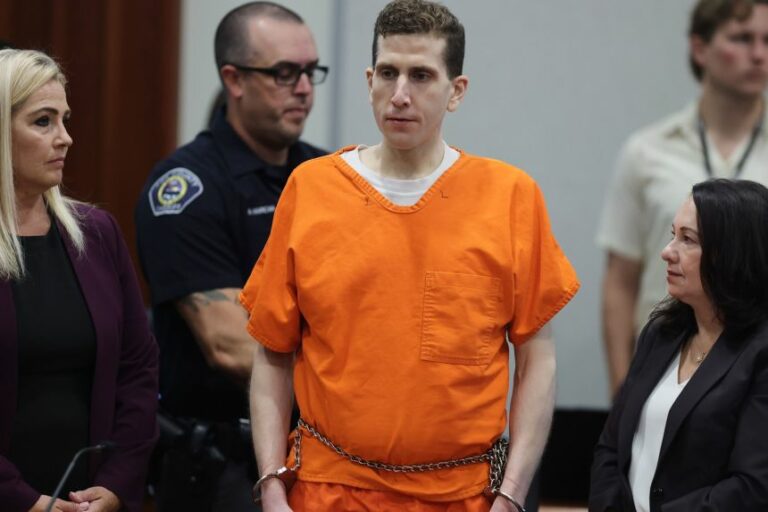
NEW YORK, NY – The second day of cross-examination for one of Harvey Weinstein’s accusers in his Manhattan retrial descended into raw emotion and heated exchanges today, as the woman broke down in tears and used expletives while facing intense questioning from the defense. The accuser, Miriam Haley, who alleges the former Hollywood mogul assaulted her in 2006, struggled to maintain composure as Weinstein’s lawyer pressed her on inconsistencies and gaps in her recollection of the alleged assault.

Haley, 48, who also testified at Weinstein’s overturned 2020 trial, had recounted earlier in the week how Weinstein allegedly backed her into a bedroom, pushed her onto a bed, and ignored her pleas of “no” before sexually assaulting her. Today, defense attorney Jennifer Bonjean focused on Haley’s actions and memory surrounding the alleged incident and its aftermath, at times adopting an aggressive line of questioning.

The tension in the courtroom became palpable as Bonjean questioned why Haley would agree to go to Weinstein’s apartment after what she described as previous “bizarre” and “overwhelming” behavior by the powerful producer, including him allegedly barging into her home weeks earlier. Haley explained that she didn’t have a reason to refuse his invitation and didn’t fear for her safety at that moment.

Image source Wikimedia

The emotional dam broke when Bonjean pressed Haley on the specifics of how her clothes were removed before the alleged assault. Haley, her voice trembling, stated that Weinstein took her clothing off while she was “busy struggling” and couldn’t recall the precise details.

“You removed your clothes, right?” Bonjean asked, a question that appeared to trigger a visceral reaction from the witness.

“He was the one who raped me, not the other way around,” Haley retorted, her voice rising with anger and tears streaming down her face.

“That is for the jury to decide,” Bonjean responded calmly.

“No, it’s not for the jury to decide,” Haley shot back, her voice thick with emotion. “It’s my experience. And he did that to me.”

Haley then used an expletive to describe Weinstein, prompting Judge Curtis Farber to immediately halt questioning and send the jury out of the courtroom for a brief recess. Haley left the witness stand visibly distraught, her face red and glistening with tears, avoiding eye contact with Weinstein who sat impassively between his legal team.

Following the break, Haley returned to the stand, appearing more composed but with occasional flashes of frustration in her voice. Bonjean continued her cross-examination, probing Haley about specific details she did and did not remember from the alleged assault and its aftermath, including an instance a couple of weeks later when Haley admitted to having a sexual encounter with Weinstein that she didn’t want but didn’t physically resist.

Bonjean questioned why Haley wouldn’t have mentioned the alleged rape during that subsequent encounter. Haley reiterated that she felt “numb” during that later incident.

The intense cross-examination highlights the defense’s strategy of attempting to undermine Haley’s credibility by pointing out inconsistencies in her account and suggesting a more complex relationship with Weinstein than she has portrayed. The emotional breakdown on the stand underscores the high stakes and the personal toll of the retrial for the accusers.

Weinstein, 73, has pleaded not guilty to charges of sexually assaulting Haley and another woman, and raping a third. His 2020 conviction on similar charges was overturned earlier this year by an appeals court citing errors in the trial proceedings. Regardless of the outcome of this retrial, Weinstein remains imprisoned following a separate rape conviction in Los Angeles.

Tragedy on the Highway: Seven Killed in Tour Bus Crash Near Yellowstone

HENRY’S LAKE, ID – A devastating collision between a tour bus and a pickup truck near Yellowstone National Park has claimed the lives of seven people and left eight others injured, Idaho State Police confirmed late Thursday. The fiery crash occurred on a highway in eastern Idaho, approximately 16 miles west of the popular national park, sending shockwaves through the local community and the tourism industry.

The incident, which took place just before 7:15 PM local time, involved a Dodge Ram pickup truck and a Mercedes passenger van carrying a tour group of 14 people. According to a press release from the Idaho State Police, both vehicles caught fire upon impact. The driver of the pickup truck and six occupants of the tour van tragically died at the scene.

Emergency responders, including air ambulances and paramedics, rushed to the location near Henry’s Lake State Park. The eight surviving occupants of the van sustained injuries and were transported to nearby hospitals for treatment. The extent of their injuries has not yet been released.

Witnesses described a chaotic and horrific scene. Roger Merrill, 60, who was driving home at the time of the crash, recounted seeing flames engulfing both vehicles as bystanders desperately tried to assist survivors from the mangled van. He noted the highway, a main artery leading to Yellowstone’s west entrance, is often heavily trafficked, particularly by tourist vans.

“It is a very dangerous highway because it leads to the main entrance of Yellowstone National Park,” Merrill told the Associated Press. “It’s extremely busy.” He also expressed concern about the time it took for emergency services to arrive, attributing it to the remote location.

Authorities have not yet released the names of the deceased or injured, stating that they are still in the process of notifying their families. The nationalities and hometowns of those involved also remain undisclosed at this time. The cause of the collision is currently under investigation by the Idaho State Police.

The Fremont County coroner’s office has not yet released any information regarding the identification of the victims. Highway 20, where the crash occurred, was fully closed for several hours as emergency crews worked at the scene and investigators began their inquiry.

The tragedy serves as a stark reminder of the potential dangers on roadways leading to popular tourist destinations, especially during peak seasons. The highway where the crash occurred had an average daily traffic volume of approximately 10,500 vehicles in 2023, according to the Idaho Transportation Department, which has identified the route for potential safety improvements.

This incident marks the second fatal collision involving a vehicle and a passenger van on the same stretch of highway in Idaho in less than a year, raising further concerns about road safety in the area. The investigation into this latest tragedy is expected to be thorough and will likely examine factors such as speed, visibility, and the condition of the vehicles involved.

The news of the fatal crash has undoubtedly cast a pall over the communities near Yellowstone National Park and will likely prompt renewed discussions about highway safety measures in the region as the summer tourist season gets underway.

Thousands Evacuated in Chile and Argentina Following Tsunami Warning

SANTIAGO, CHILE – Coastal communities in Chile and Argentina are on high alert today after a significant 7.4 magnitude earthquake struck off the southern tip of South America, triggering tsunami warnings and the evacuation of thousands of residents. The powerful tremor, which occurred in the Drake Passage between Cape Horn and Antarctica, prompted immediate action from authorities in both nations to move populations to higher ground.

The earthquake, registered at a depth of just 10 kilometers (6 miles) by the United States Geological Survey (USGS), struck at 9:58 AM local time (12:58 GMT). Its epicenter was located approximately 219 kilometers (136 miles) south of Ushuaia, Argentina, the world’s southernmost city, and a similar distance from the Chilean town of Puerto Williams.

Chile’s National Disaster Prevention and Response Service (SENAPRED) swiftly issued a tsunami warning for the entire coastal region of Magallanes, the country’s southernmost territory, and the Chilean Antarctic Territory. President Gabriel Boric took to social media to urge residents to heed the evacuation orders and emphasized that all necessary resources were being deployed.

“We are calling for the evacuation of the coastline throughout the Magallanes region,” President Boric stated. “Right now, our duty is to be proactive and heed the authorities.”

According to SENAPRED, over 1,700 people have been evacuated from sparsely populated coastal areas, including Puerto Williams and Puerto Natales. Videos circulating on social media showed residents calmly moving away from the shoreline as tsunami sirens blared in the background.

In Argentina, authorities in the far-south Tierra del Fuego province reported that the earthquake was strongly felt in Ushuaia. As a precautionary measure, all water activities and navigation in the Beagle Channel were suspended for several hours, and residents in the town of Puerto Almanza were preventatively evacuated to higher ground.

Photo by Nayla Charo

While there have been no immediate reports of significant damage or casualties in either country, authorities are closely monitoring sea levels and anticipating the arrival of potential tsunami waves. The Chilean Navy’s Hydrographic and Oceanographic Service (SHOA) estimated that waves ranging from 0.3 to 3 meters could reach the Antarctic Peninsula and the southern coasts of South America in the coming hours.

The region is highly seismically active, located within the Pacific Ring of Fire, a zone responsible for a vast majority of the world’s earthquakes. Chile has a history of experiencing powerful earthquakes, including the 1960 Valdivia earthquake, the strongest ever recorded at magnitude 9.5, and the 2010 Maule earthquake, which triggered a devastating tsunami.

As the situation unfolds, emergency response teams are on the ground in both Chile and Argentina, and international monitoring agencies are tracking potential tsunami activity. The focus remains on ensuring the safety of coastal populations and assessing any potential damage from the earthquake and subsequent waves.