
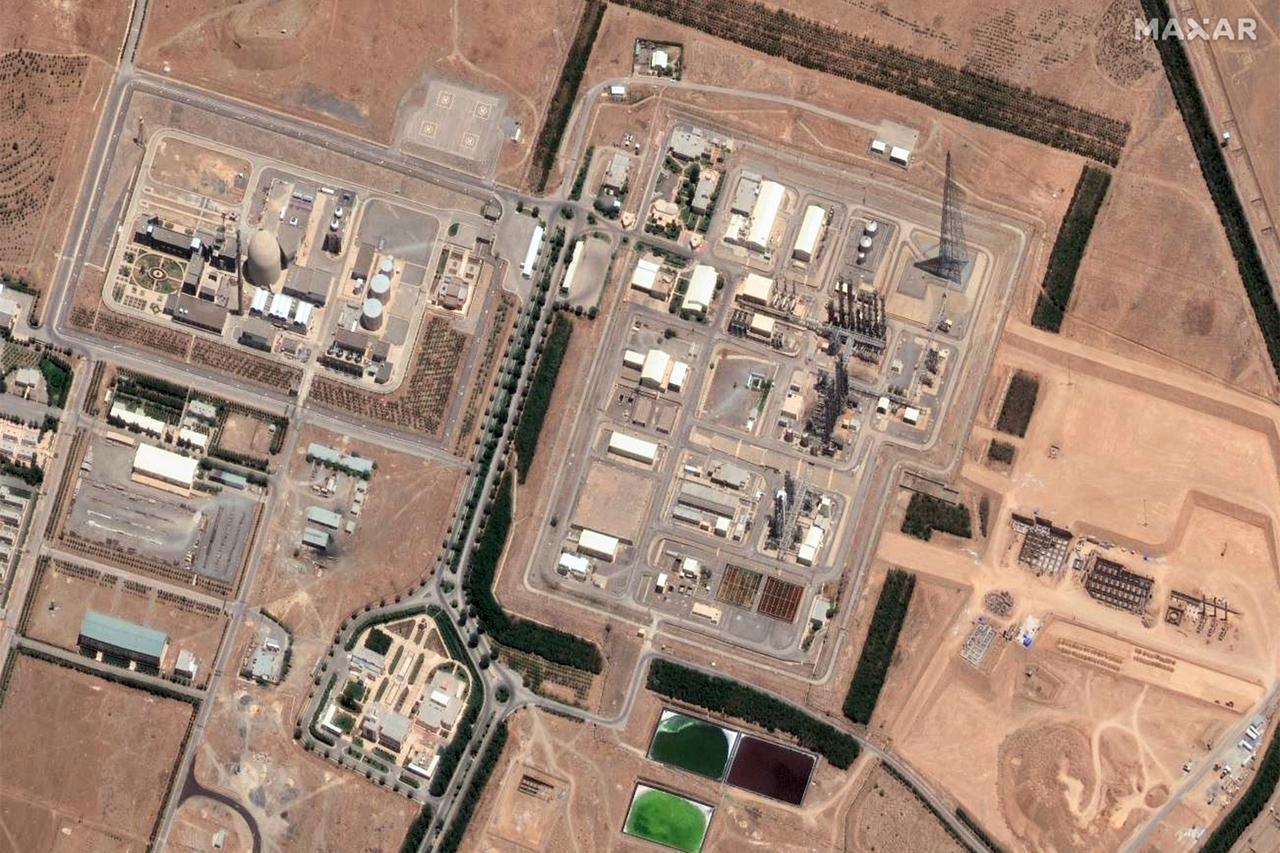
WASHINGTON — In an aggressive pivot toward human intelligence gathering, the United States State Department has announced a staggering reward of up to $20 million for actionable information targeting Iran’s nuclear infrastructure.
The high-stakes offer, publicized on Friday through the long-standing “Rewards for Justice” program, explicitly promises multi-million dollar payouts and “possible relocation” for whistleblowers, scientists, or insiders willing to expose hidden facilities, supply chains, and personnel. The move signals a critical acknowledgement by Washington that satellite surveillance and electronic intercepts are no longer sufficient to monitor Tehran’s heavily fortified underground ambitions.
Piercing the ‘Continuity of Knowledge’ Gap
The multi-million-dollar bounty comes at a moment of extreme geopolitical gridlock and military friction. In its official release, the State Department justified the unprecedented cash offer by highlighting a severe breakdown in international oversight. The administration noted that Iran’s chronic “lack of compliance” with the International Atomic Energy Agency (IAEA) has resulted in a complete loss of the agency’s “continuity of knowledge” regarding the production and inventory of critical enrichment components, such as advanced centrifuges.
The strategic anxiety driving this intelligence rush is deeply technical. Western intelligence agencies are operating under a tight timeline:
- The 60% Purity Threshold: Iran remains the only non-nuclear-weapon state globally to enrich uranium to 60% purity—a level experts describe as a minimal technical step away from the 90% weapons-grade purity required for an atomic warhead.
- The Fortified Deep: Much of Iran’s remaining sensitive technology has been moved to ultra-deep underground bunkers, such as the tunnel complexes adjacent to the Natanz facility, which are bored 80 to 100 meters into mountain ranges to withstand aerial bombardments.
- The Insider Target: By expanding the reward parameters to include details on “associated personnel, such as those in the scientific community,” Washington is explicitly trying to spark defections, compromise logistical networks, and sow paralyzing distrust within Tehran’s insular scientific elite.
The Mixed Signals of Air Strikes and Diplomatic Deals
The massive financial bounty contrasts sharply with recent triumphalist rhetoric from the White House. President Donald Trump has repeatedly claimed that previous joint U.S.-Israeli bombing campaigns over the past year had “completely and totally obliterated” the core of Iran’s nuclear footprint. Only days ago, Trump confirmed “minor strikes” disabling Iranian air defense systems on Qeshm Island.
Yet, the sudden, urgent requirement for human informants suggests that Washington is blind to what remains intact beneath the rock. On the eve of this week’s midterm elections, Trump explicitly mused on television about the necessity of hitting “Pickaxe Mountain,” an underground facility that Tehran denies is a nuclear site, boasting it could be taken out in “one hour”.
Simultaneously, the administration is navigating a complex domestic political reality. Following noticeable setbacks for the Republican Party in the midterms—which both Trump and Vice President JD Vance partially attributed to public fatigue over an extended, eight-month military conflict with Iran—the White House has subtly shifted its posture toward a diplomatic off-ramp.
Trump insisted on Friday that an economically strangled Tehran is eager for an exit strategy, stating, “We’re dealing with them now. They want to make a deal very badly.” Mediators in Qatar are actively floating a draft proposal that would lift the current U.S. naval and port blockades in exchange for Iran granting IAEA inspectors unfettered access to bombed and suspected sites.
Containment on the High Seas
As Washington dangles millions for digital tips via encrypted networks like Signal and Tor, the conventional military squeeze continues to tighten. Alongside the cash reward, U.S. Central Command announced the activation of “Task Force Iron Gate,” a multi-agency military operation operating out of Tampa, Florida.
The specialized task force is designed to fortify the existing U.S. naval blockade, which Central Command estimates has already starved the Iranian economy of more than $25 billion in illegal crude oil revenue. Task Force Iron Gate will focus specifically on choking off the flow of dual-use technologies, weaponry, and illicit revenue streams moving across Iran’s borders.
By combining an ironclad economic blockade, selective military strikes, and a multi-million dollar psychological operation targeting the loyalty of Iran’s top scientists, the United States is deploying every available tool short of total war. Whether a disgruntled insider takes the $20 million bait before the regional negotiations succeed or fail will likely determine the nuclear balance of power in the Middle East.