
A painful rift is growing between the Kremlin and its borderland citizens as hundreds of Russian civilians remain missing two years after Ukraine’s historic 2024 cross-border assault.
While Moscow repeatedly claims it has restored total stability following the liberation of the southern Kursk region, a quiet desperation has taken root among local families. Frustrated by systemic bureaucratic silence, lost DNA samples, and unreturned inquiries, everyday citizens are forming independent databases to track down their vanished loved ones.
The conflict, which exploded into Russian territory in August 2024, exposed profound vulnerabilities along the country’s border. However, for the families left behind, the true tragedy is the lingering human cost that state television refuses to address.
Shattered Trust in the Borderlands
When Ukrainian forces launched their surprise ground offensive, capturing the regional hub of Sudzha and dozens of surrounding villages, thousands of residents were left completely stranded. Many families now openly express bitterness toward local authorities who downplayed the severity of the initial attack, delaying crucial evacuations.
The immediate aftermath has transformed into a long-term administrative nightmare:
- The Bureaucratic Void: Relatives attempting to locate missing family members report a chaotic labyrinth of official apathy, with multiple state agencies deflecting responsibility.
- Lost Evidence: Distraught relatives have come forward recounting how DNA samples provided to identify bodies in regional mortuaries were simply lost by officials, forcing families to wait months for closure.
- Discrepancies in Data: While regional authorities publicly estimate that roughly 300 individuals remain unaccounted for, local volunteer groups and initial official lists historically suggested the number of untraceable people was significantly higher.
The Defiant Quest for Truth
Refusing to accept the official narrative that everything is under control, the families of the missing have taken matters into their own hands. Relying on encrypted messaging apps and grassroots networks, they are actively cross-referencing military reports, scrolling through Ukrainian social media channels for glimpses of captured relatives, and visiting overwhelmed morgues.
This independent mobilization represents a rare, delicate friction point within wartime Russia. Demanding accountability over missing civilians is not an explicitly anti-war stance, yet it fundamentally challenges the Kremlin’s projection of flawless domestic defense and comprehensive social support.
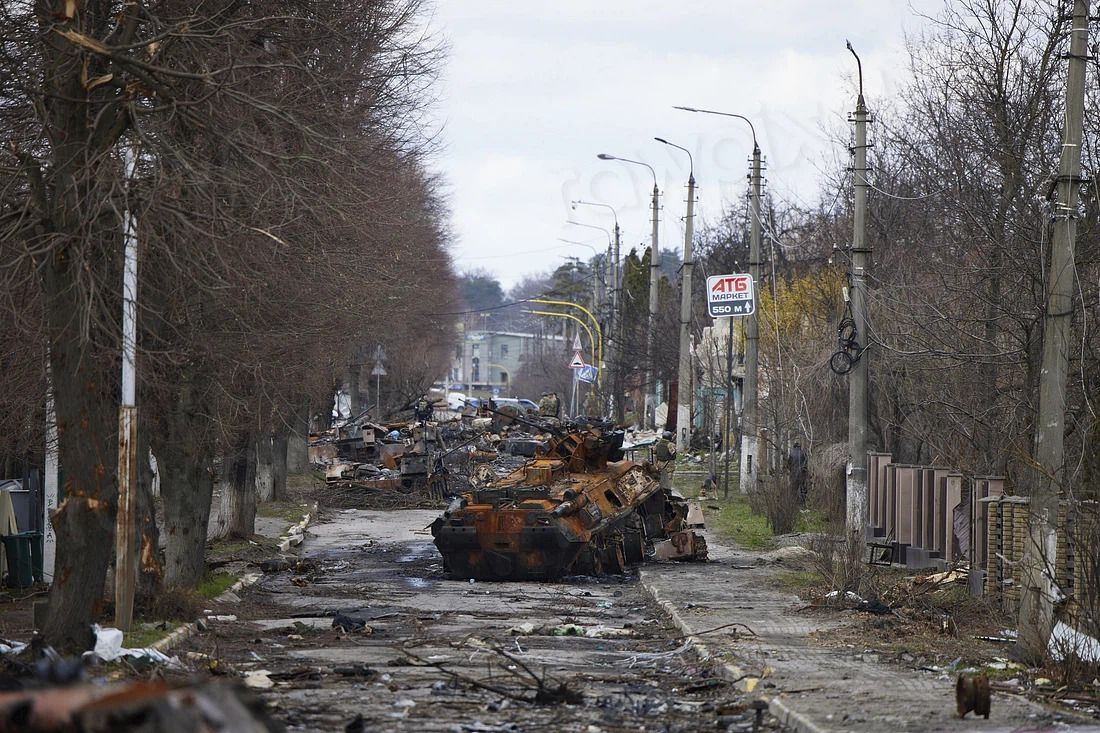
For many, the physical landscape has permanently changed alongside their faith in the state. Towns that once maintained vibrant cultural and economic ties across the border have been reduced to rubble.
A Transatlantic Blame Game
The question of what happened to the civilians trapped under foreign military control remains highly contested. Ukrainian human rights representatives and military commanders assert that civilians evacuated during their eight-month administration of the zone were systematically handed back to the Russian side.
Despite these assurances, the official silence from Russian regional governors, human rights commissioners, and state-backed relief organizations persists. As the front lines shift and the war grinds relentlessly onward, the unresolved fate of these borderland citizens stands as a stark reminder of a harsh reality: in the calculation of modern warfare, the civilian lives caught in the crossfire are often the first to be erased from the official ledger.