
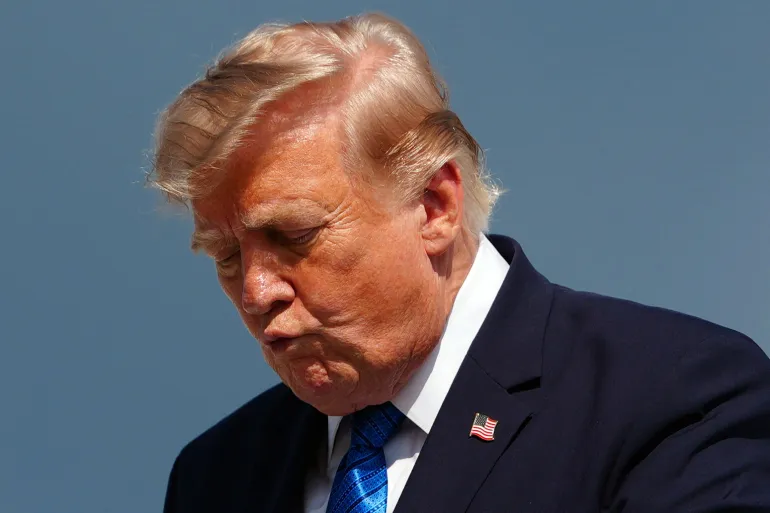
In a dramatic, late-night reversal that has upended a rapidly escalating Middle East war, U.S. President Donald Trump announced he has cancelled a massive, imminent bombing campaign against Iran. The decision follows an urgent, high-stakes diplomatic intervention by regional powers and Tehran, with Trump declaring the pause is strictly conditional on finalizing a comprehensive peace deal “rapidly”.
Writing on his social media platform Truth Social, Trump claimed that Tehran and other Middle Eastern countries approached Washington to “hold off any attack” because the broad “perimeters of a deal” had finally been established. Despite the diplomatic opening, the President issued a fiery ultimatum, warning that American forces remain “locked and loaded” to unleash a wave of military power “not seen since World War II” if negotiations stall.
The Brink of a Massive Energy War
The sudden stand-down came just as Western and Israeli forces were reportedly preparing to launch what defense officials described as the harshest bombing campaign of the war, specifically targeting Iran’s core energy infrastructure. Tensions had reached a breaking point following a series of devastating tit-for-tat exchanges, including a ballistic missile strike in Jordan that killed four American soldiers last month.
The planned weekend strikes had caused significant global anxiety, with reports suggesting that any attack on Iranian infrastructure would trigger retaliatory strikes on energy facilities across the Gulf. Simultaneously, the U.S. State Department anticipated widespread travel disruptions, and Iran warned of a “decisive” response.
Regional Pressure and a Fragile Pivot
Trump’s reversal followed intense lobbying from Gulf allies, particularly a conversation with Saudi Arabia’s Crown Prince regarding the risk of Iranian counterattacks. The proposed deal seeks to address the nuclear threat and ensure the reopening of the Strait of Hormuz.
Despite the pause, the situation remains volatile. While the U.S. claims alignment, questions remain regarding Israel’s position, and some Iranian media have dismissed the deal, calling it a fabrication. With high public apprehension regarding the conflict, the focus shifts to whether negotiators can solidify a lasting agreement.