
CAPE CANAVERAL — For the first time in more than half a century, a rocket designed to carry human beings to another world stands illuminated on the Florida coast, ready for its final trial.
At 6:42 p.m. EST on Saturday, NASA’s Space Launch System (SLS) rocket and Orion spacecraft completed a painstaking, 12-hour journey from the iconic Vehicle Assembly Building (VAB) to Launch Pad 39B. The arrival of the 322-foot-tall “Mega Moon Rocket” marks the most significant milestone yet for Artemis II, a mission that will send four astronauts on a ten-day journey around the Moon and back.
“We’re making history,” said John Honeycutt, chair of the Artemis II mission management team, as the 11-million-pound stack was secured to the pad. “These are the kinds of days that we live for.”
A Four-Mile Trek for a 600,000-Mile Journey
The rollout began at dawn on Saturday, as the massive Crawler-Transporter 2—a 6.6-million-pound relic of the Apollo era—slowly lurched into motion. Moving at a top speed of just 0.82 mph, the crawler carried the rocket along a river-rock path, pausing briefly to allow engineers to reposition the crew access arm.
On hand to witness the move were the four crew members who will fly the mission:
- Reid Wiseman (Commander): A Navy veteran and experienced NASA astronaut.
- Victor Glover (Pilot): Who will become the first Black astronaut to fly beyond Earth orbit.
- Christina Koch (Mission Specialist): The record-breaking astronaut who will be the first woman to travel to the Moon.
- Jeremy Hansen (Mission Specialist): A Canadian Space Agency (CSA) astronaut making history as the first Canadian on a lunar mission.
“I’m actually pretty pumped to see that,” Hansen told reporters as the orange-and-white rocket emerged from the VAB. “In just a few weeks, you’re going to see four humans fly around the Moon.”
The Road to February 6
The arrival at Pad 39B triggers a high-stakes series of tests. The most critical, the Wet Dress Rehearsal, is currently targeted for no later than February 2. During this simulation, NASA will load the rocket with nearly 700,000 gallons of super-cooled liquid hydrogen and liquid oxygen, running through a full launch countdown that stops just seconds before ignition.
| Key Event | Scheduled Date | Objective |
| Rollout to Pad | January 17, 2026 | Position the rocket for final testing. |
| Wet Dress Rehearsal | Feb. 2, 2026 (approx) | Fueling test and full-speed countdown rehearsal. |
| Earliest Launch Window | February 6, 2026 | First opportunity for liftoff to the Moon. |
The Mission Ahead
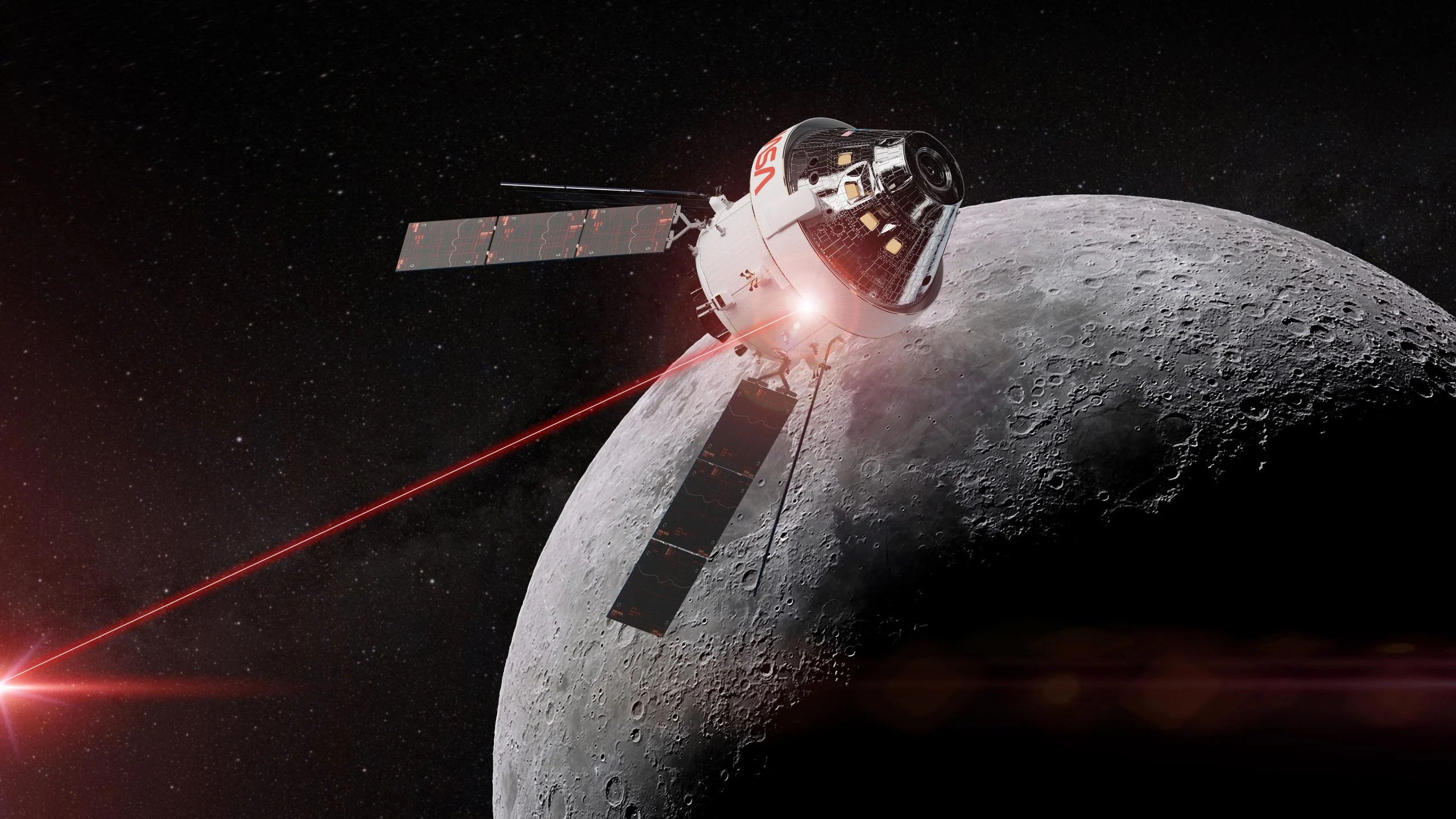
Unlike the uncrewed Artemis I flight in 2022, which tested the rocket’s durability, Artemis II is about the human element. The crew will spend ten days testing life-support systems, communications, and the spacecraft’s ability to protect them from deep-space radiation.
They will not land, but they will fly roughly 4,600 miles above the lunar surface, using the Moon’s gravity to slingshot them back toward a splashdown in the Pacific Ocean. It is the essential “dress rehearsal” for Artemis III, which aims to land the first woman and first person of color on the lunar South Pole as early as late 2027.
“We’re swinging for the fence,” said pilot Victor Glover. “Trying to make the impossible possible.”
As the Florida sun sets over the SLS, the mission now rests in the hands of the engineers. If the fueling tests go according to plan, the countdown for February 6 will begin in earnest, ending a 54-year wait for a crewed voyage to the lunar frontier.