
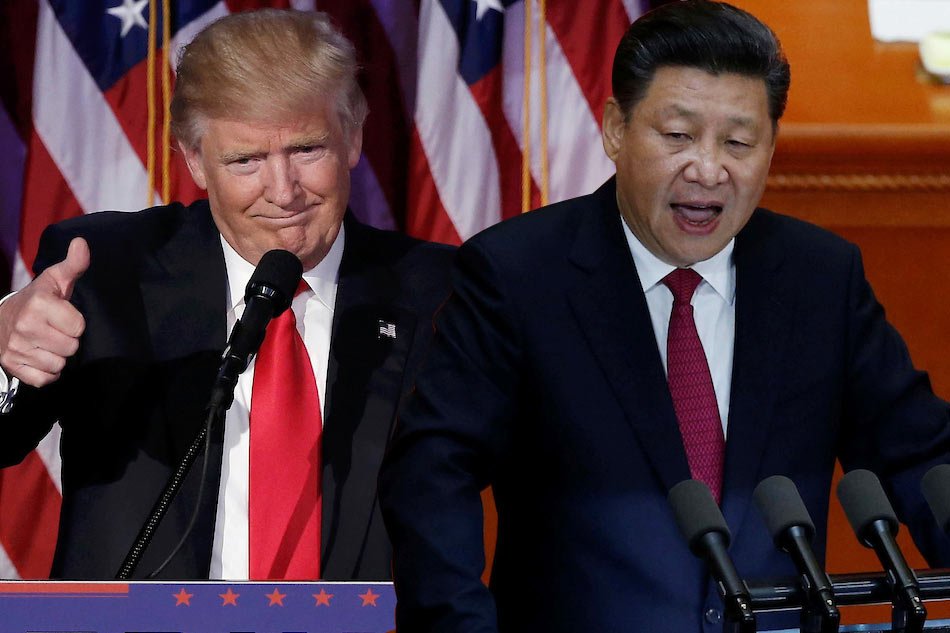
ON BOARD AIR FORCE ONE— In a significant diplomatic maneuver that underscores Washington’s growing frustration with the stalled Ukraine peace process, President Donald Trump has publicly appealed to Chinese President Xi Jinping to leverage Beijing’s “very big influence” to push Russia toward a negotiated settlement.
As he embarked on a crucial trip to Asia, culminating in a meeting with the Chinese leader, the President recast Beijing—long viewed by the West as an enabler of Moscow’s war effort—as a potential off-ramp provider for Vladimir Putin.
“I’d like China to help us out with Russia,” President Trump told reporters, adding that he has a “very good relationship with President Xi” and believes the Chinese leader “can have a big influence on Putin.” The remarks signal a tactical pivot by the Trump administration, acknowledging that the path to ending the bloody, multi-year conflict may run not through Moscow alone, but through its most powerful ally.
The Diplomatic Deadlock
The White House’s increasingly open reliance on Beijing’s potential influence comes on the heels of several diplomatic setbacks. The President has expressed deep frustration that his personal rapport with President Putin has failed to translate into concrete peace movement. Just days ago, a planned summit with the Russian leader was scuttled, with the administration signaling a “wasted meeting” was not an option.
This disappointment has been followed by the imposition of the administration’s first direct sanctions on major Russian oil companies, a significant financial squeeze designed to increase the cost of the war for the Kremlin. The President’s new strategy appears to be a two-pronged approach: economic pressure on Moscow, paired with high-level diplomatic pressure from Beijing.
The logic is evident: China remains Russia’s indispensable economic lifeline. Its soaring purchases of discounted Russian energy and its supply of critical dual-use materials have cushioned the Kremlin from the full impact of Western sanctions. This massive trade relationship is seen by Washington as Beijing’s ultimate leverage.

The Problem of “Pro-Russian Neutrality”
The effectiveness of the Trump administration’s China appeal, however, is heavily debated in capitals from Kyiv to Brussels.
China has consistently maintained a stance of “neutrality,” while simultaneously deepening its “no-limits partnership” with Russia. Top Chinese officials have even been quoted privately expressing a desire not to see Russia lose, fearing that a swift Russian collapse would allow the United States to shift its full strategic focus toward Asia.
For Beijing, cooperating with Washington to halt the war is a diplomatic high-wire act. On one hand, brokering a high-profile peace deal would elevate China’s status as a global superpower and responsible actor. On the other, overtly forcing Putin’s hand risks damaging its relationship with a crucial strategic partner that shares Beijing’s goal of challenging the U.S.-led international order.
A Deal for Peace, or a Deal for Trade?
The upcoming meeting between President Trump and President Xi is nominally focused on resolving the contentious trade war, with the threat of severe, looming tariffs on Chinese goods hanging over the negotiations.
This backdrop creates a transactional dynamic in the talks: Could Washington offer concessions on trade or tariffs in exchange for a meaningful Chinese commitment to press the Kremlin?
For President Trump, a quick, negotiated end to the conflict—a goal he promised to achieve on the campaign trail—would be a monumental foreign policy win. The question facing Mr. Xi is whether that win is worth expending the hard-won leverage he holds over his ally in Moscow.
The price of peace in Ukraine, it seems, will be negotiated not in Kyiv or Moscow, but in the tense, high-stakes summit rooms of Asia, with the world watching to see if Beijing will finally move from bystander to indispensable broker.