
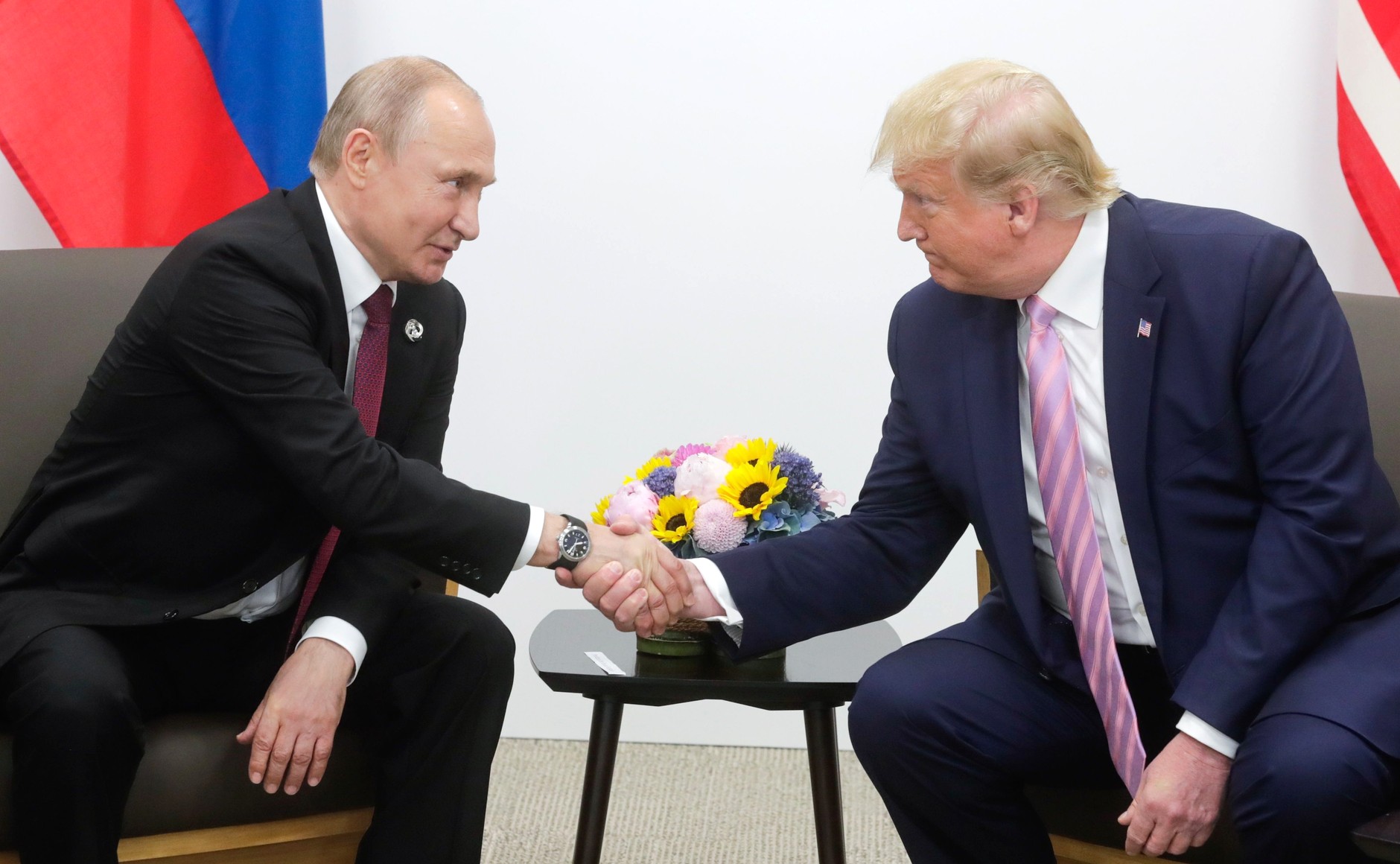
President Donald Trump, citing exasperation with the stalled process to end the war in Ukraine, imposed what he called “tremendous sanctions” on Russia’s two largest oil companies, a dramatic policy shift that came just a day after he cancelled a planned summit with Vladimir Putin.
The U.S. Treasury Department on Wednesday announced sanctions targeting Rosneft and Lukoil, a move Secretary Scott Bessent stated was necessary due to Russian President Vladimir Putin’s “refusal to end this senseless war.” The measures are designed to choke off a vital revenue stream—oil sales—that has funded the Kremlin’s military operations.
Speaking from the Oval Office, President Trump expressed his mounting frustration with his Russian counterpart.
“We cancelled the meeting with President Putin. It just, it didn’t feel right to me. It didn’t feel like we were going to get to the place we have to get,” Trump said, referring to a proposed summit in Budapest. “In terms of honesty, the only thing that I can say is, every time I speak with Vladimir, I have good conversations and then they don’t go anywhere. They just don’t go anywhere.”
The End of ‘Good Conversations’
The new sanctions mark a sharp departure from the administration’s previous reluctance to directly target Russia’s core energy sector. For months, the White House had held off on such comprehensive measures, relying on trade tariffs and diplomatic pressure in an attempt to broker a peace deal.
However, a week of intense, high-stakes diplomacy appears to have collapsed. The planned meeting in Budapest—which had already unnerved European allies fearful of a deal that would grant Moscow undue concessions—was abruptly put on hold after preparatory talks between the U.S. and Russian foreign ministers stalled.
The Treasury Department’s action blocks all U.S. assets of Rosneft and Lukoil, preventing American companies and citizens from conducting business with them. This financial pressure is widely seen as the strongest punitive step taken by the Trump administration against Moscow in the three-and-a-half-year conflict.
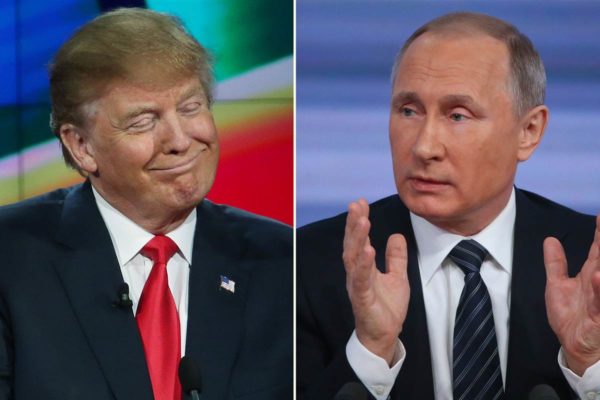
A New Chapter of Coercion
Treasury Secretary Bessent, calling the sanctions “one of the largest” packages against the Russian Federation, stated the U.S. was “prepared to take further action if necessary” and encouraged allies to join the effort. The announcement coincided with the European Union approving its own 19th sanctions package, which included a ban on Russian liquefied natural gas (LNG) imports.
The move is a clear pivot from diplomacy to economic coercion, signaling a loss of patience from a president who has repeatedly touted his personal relationship with the Russian leader as the key to ending the war.
The administration is now hoping that this “tremendous” economic pressure will compel President Putin to abandon his maximalist demands and negotiate a ceasefire that is viewed as equitable by the international community.
“We hope that the war will be settled,” President Trump concluded, adding that he hoped the sanctions would be “swiftly withdrawn” if Russia agreed to end the fighting. But for now, the path to peace appears to have traded the negotiating table for the financial battlefield.