
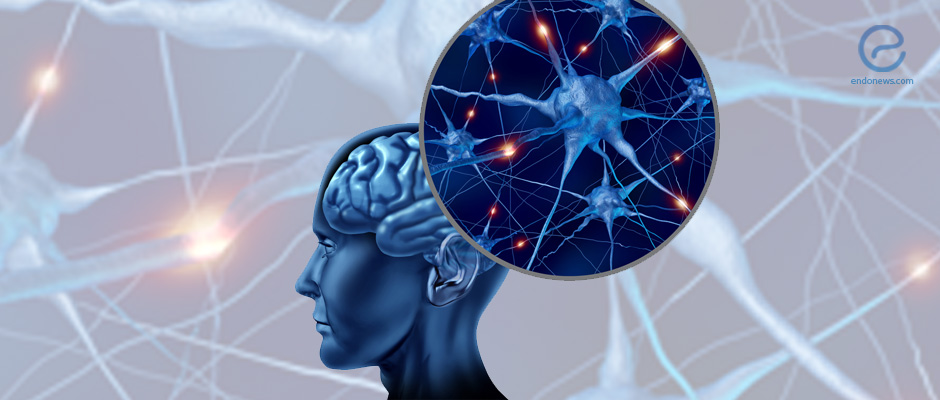
Forget the simple stereotype of hormones just governing puberty and periods. A quiet but powerful system of chemical messengers circulating in your blood is, in fact, the chief conductor of your mind’s entire orchestra—dictating your stress levels, sparking your motivation, and even shaping your memories. This is the realm of neuroendocrinology, and its discoveries are forcing us to redefine what truly controls our mental and emotional lives.
The truth is, your brain is not merely a collection of neurons; it is a sensitive, hormone-reactive organ, and the slightest fluctuation in its chemical environment can be the difference between a day of focused productivity and a spiral of anxiety.
The Big Four That Dictate Your Day
While dozens of hormones influence your brain, four key players stand out as the primary architects of your mood and cognition:
1. Cortisol: The Double-Edged Sword of Stress
Known as the “stress hormone,” cortisol is secreted by the adrenal glands to trigger your body’s essential “fight-or-flight” response. A sudden spike can save you in an emergency. But chronic, elevated levels—a hallmark of modern life—are toxic to the brain.
- The Mind Impact: Sustained high cortisol levels have been repeatedly linked to anxiety disorders, irritability, and even depression. More alarmingly, they are known to impair the hippocampus, the brain region essential for memory formation and concentration, leading to the common experience of “brain fog” under pressure.
2. Serotonin and Dopamine: The Axis of Happiness
These two neurotransmitters, which also act as hormones, form the core of your emotional well-being.
- Serotonin: Often called the “feel-good” chemical, it is critical for stabilizing mood, sleep, and appetite. Low levels are famously associated with clinical depression and anxiety.
- Dopamine: This is the “reward hormone.” It’s responsible for feelings of pleasure, but its main job is to drive motivation and focus. It creates the urge to seek a reward, whether it’s checking your phone, earning a promotion, or finishing a workout. A deficiency can lead to apathy and a profound lack of enthusiasm.
3. Sex Hormones: The Cognitive Protectors
Estrogen and Testosterone are not just about reproduction; they are vital for maintaining brain structure and function in both sexes.
- Estrogen: Particularly in women, estrogen has a neuroprotective effect. It supports neuron growth and regulates other neurotransmitters. The rapid decline during menopause is why many women experience symptoms like memory lapses, brain fog, and mood instability.
- Testosterone: While primarily a male hormone, it impacts mood and overall well-being in women, too. Low levels in both men and women have been associated with fatigue, low motivation, and an increased risk of depression.
The Critical Window for Intervention
The most profound effects of hormonal control are seen when the system shifts. Researchers have identified critical periods in life—such as puberty, pregnancy, and the transition to menopause—where dramatic hormonal fluctuations make the brain most vulnerable to mood and cognitive changes.
For instance, studies have shown that women may be at a higher risk for cognitive decline due to the significant drop in estrogen, which affects the brain’s energy levels and protective functions. The ongoing research suggests that understanding these hormonal shifts is key to early intervention, whether through lifestyle changes or targeted therapies.
Reclaiming Control: Working With Your Biochemistry
The science of neuroendocrinology offers a powerful takeaway: our internal state is not purely a matter of will or character, but a tangible, physical process we can influence. You can’t stop the flow of hormones, but you can manage the environmental cues that trigger them.
Top journalists always advise on actionability, and here the prescription from science is clear:
- Target Cortisol: Practices like mindfulness, deep breathing, and meditation are scientifically proven to reduce circulating cortisol levels, directly promoting emotional resilience.
- Boost the Happy Hormones: Regular exercise is a potent trigger for both dopamine and endorphins. Exposure to natural sunlight helps boost serotonin production.
- Prioritize Sleep: Quality sleep is non-negotiable for hormonal reset. Consistent sleep hygiene helps restore the delicate balance, particularly for dopamine and the body’s entire stress system.
The mind is deeply connected to the body’s chemistry. By recognizing our hormones as the chemical puppet masters, we gain the necessary insight to pull the strings ourselves and build a more stable, motivated, and resilient mind.