

Former President Joe Biden has commenced an intensive course of radiation therapy as part of a newly escalated treatment plan for the aggressive form of prostate cancer he was diagnosed with earlier this year. The disclosure, made by a spokesperson on Saturday, marks a significant, and perhaps inevitable, turning point in the 82-year-old Democrat’s health journey.
“As part of a treatment plan for prostate cancer, President Biden is currently undergoing radiation therapy and hormone treatment,” confirmed aide Kelly Scully in a statement. The radiation is expected to be delivered over approximately five weeks, supplementing the hormone medication the former president has already been taking since his diagnosis.
The move was widely anticipated by medical observers, given the severity of his illness. In May, Biden’s post-presidential office revealed that he was battling a highly aggressive, high-grade cancer—classified with a concerning Gleason score of 9—that had already spread, or metastasized, to his bones.
While the diagnosis itself is sobering, his medical team has previously noted a crucial mitigating factor: the cancer appears to be “hormone-sensitive,” which allows for effective management by starving the cancer cells of the testosterone they need to grow. The combination of hormone therapy and targeted radiation aims to aggressively suppress the disease and slow its progression.
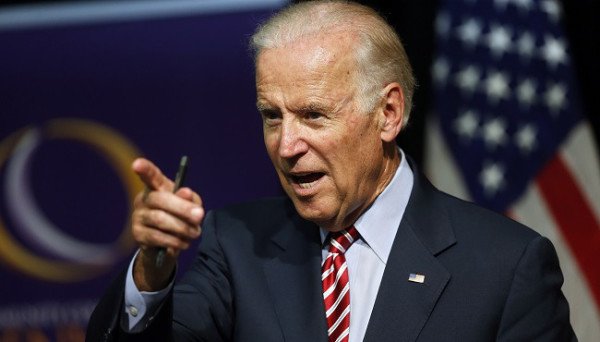
The news brings the former President’s health squarely back into the spotlight, months after his decision to withdraw from a re-election bid, following a period of intense public scrutiny over his age and fitness for office.
Mr. Biden, who turns 83 next month, is no stranger to the personal devastation of the disease, having championed the “Cancer Moonshot” initiative after the passing of his son, Beau, in 2015. His continued public transparency, even after leaving the highest office, provides a stark reminder of the challenges faced by millions of Americans.
This is the second significant medical procedure for Mr. Biden in recent weeks, following Mohs surgery in September to remove cancerous skin lesions from his head.
While medical experts agree that metastatic prostate cancer with a high Gleason score is generally not considered curable, modern combination therapies have dramatically improved life expectancy and quality of life for patients. The coming weeks will be a major test of the former President’s resolve as he navigates this demanding new stage of treatment, a personal fight under the unrelenting lens of national attention.