
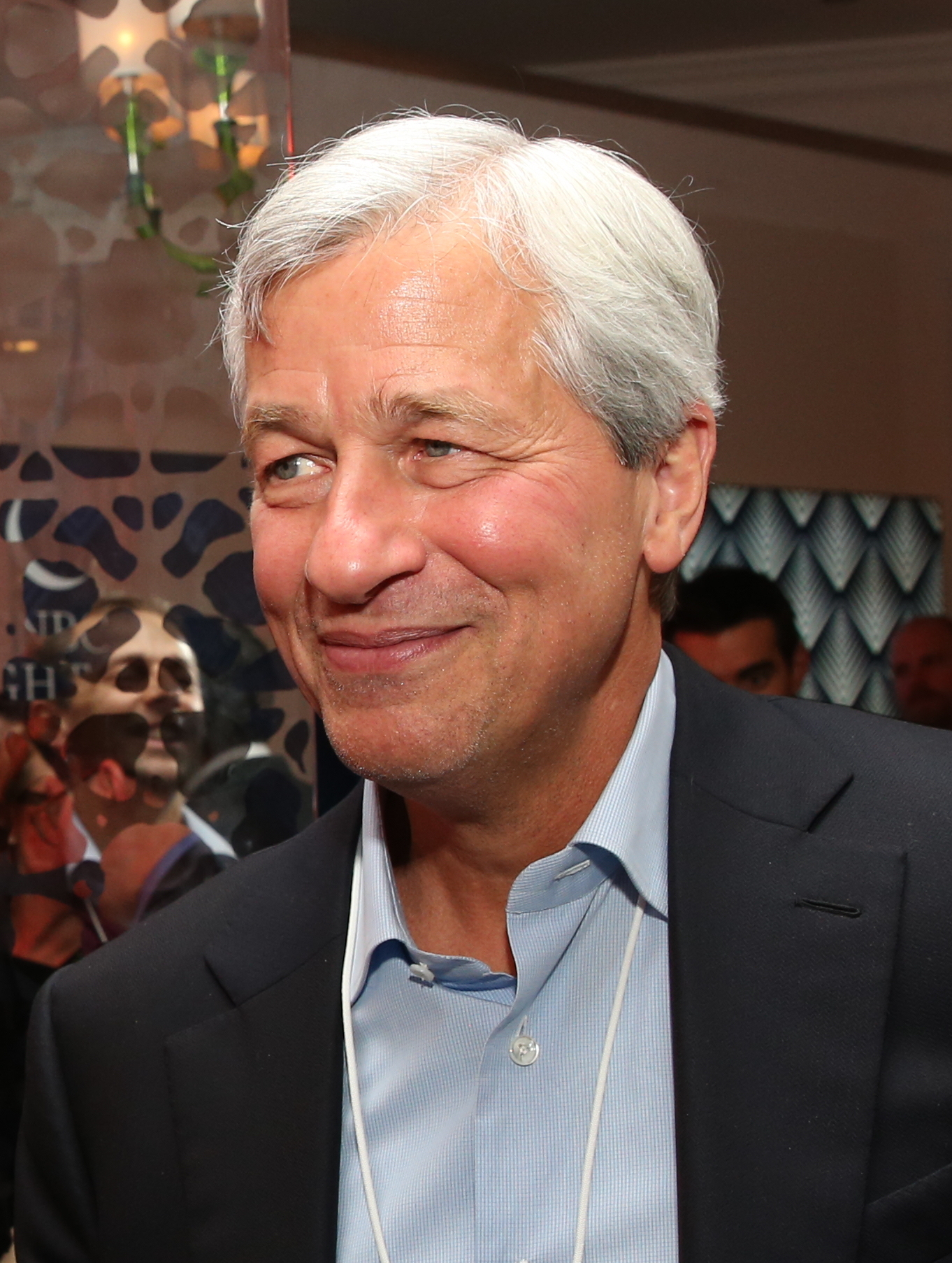
The U.S. stock market’s relentless climb is masking a cocktail of severe risks that could trigger a major correction, according to Jamie Dimon, the influential Chief Executive of JPMorgan Chase & Co. In a stark warning to investors and financial professionals, the head of America’s largest bank stated he is “far more worried than others” about the potential for a “serious fall” in U.S. equities over the next six months to two years.
Speaking in a rare and wide-ranging interview while visiting the UK, Dimon cited a confluence of global and domestic factors that have elevated the level of uncertainty far above what he considers “normal.” He specifically pointed to:
- Geopolitical Turmoil: Ongoing conflicts in Ukraine and the Middle East, coupled with general global remilitarisation, create unpredictable disruption risks for energy markets and global commerce.
- Fiscal Recklessness: Heavy U.S. government spending and the nation’s mounting deficit—which Dimon has long cautioned is an unsustainable issue—are sowing the seeds of future instability.
- Persistent Inflation and Rates: The difficulty the Federal Reserve is facing in taming sticky inflation means interest rates may need to remain elevated, a condition that historically pressures asset valuations.
- The AI Bubble Risk: While acknowledging that Artificial Intelligence is a genuine and transformative technology, Dimon warned that the current market optimism could be overdone, drawing historical parallels to past technology booms where most investors ultimately lost out. “AI is real and will pay off overall… but most investors in those industries didn’t do well,” he remarked.
The veteran banker, whose views are among the most closely monitored on Wall Street, suggested the probability of a market correction is significantly higher than currently priced in by investors, stating there is a “30% chance of a correction.”
Complacency in the Face of Crisis
Dimon’s comments arrive at a moment when major U.S. equity indices are trading near all-time highs, seemingly shrugging off both domestic economic uncertainty and international tensions. This resilience, the banker implied, borders on complacency.
His firm, JPMorgan, has previously warned that the current period of U.S. “exceptionalism” in economic performance is fading, and that the long-term impact of rising trade tariffs and geopolitical realignment will eventually squeeze corporate profit margins and consumer spending.
“All these things create issues we don’t yet know how to answer,” Dimon noted. “So I say the level of uncertainty should be higher in most people’s minds than what I would call normal.”
The implicit advice for investors is clear: prepare for volatility. While Dimon did not forecast an imminent crash, his warning from the top echelon of American finance serves as a critical counterpoint to the market’s current bullish consensus, suggesting that the recent price gains may not reflect the full scope of global risk now on the table.