
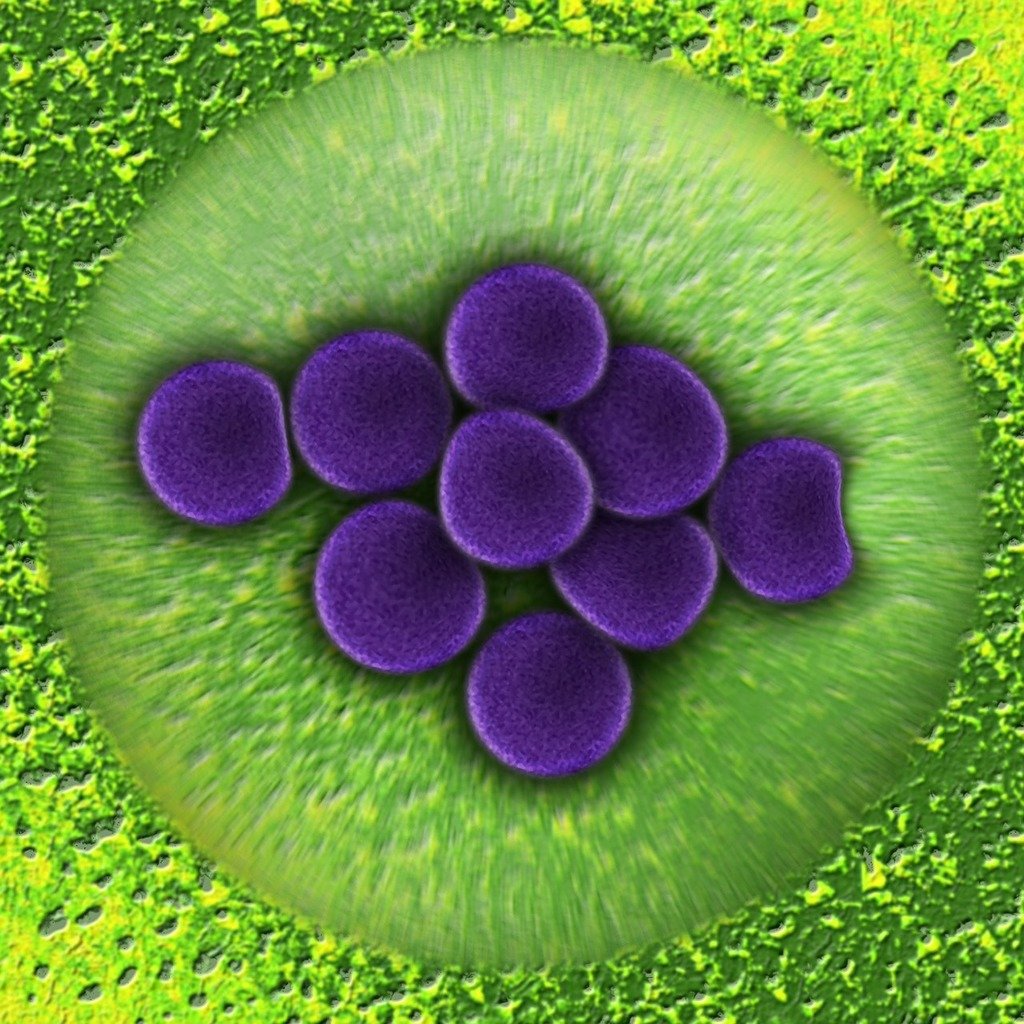
In a breakthrough that could usher in a new “golden age” of medicine, scientists have used generative artificial intelligence (AI) to design two entirely new antibiotics capable of killing drug-resistant gonorrhoea and the deadly superbug MRSA. The discovery, led by researchers at the Massachusetts Institute of Technology (MIT), marks a significant leap from using AI to screen existing compounds to using it to create brand-new ones, atom by atom.
The research, published in the journal Cell, is a powerful response to the global crisis of antimicrobial resistance, which claims nearly five million lives a year. For decades, the pace of antibiotic discovery has stalled, leaving doctors with fewer and fewer options to treat increasingly resilient bacteria. Now, AI is offering a new path forward.
“We’re excited because we show that generative AI can be used to design completely new antibiotics,” said Professor James Collins, the senior author of the study and a leading figure in the Antibiotics-AI Project at MIT. “AI can enable us to come up with molecules cheaply and quickly and in this way, expand our arsenal, and really give us a leg up in the battle of our wits against the genes of superbugs.”
The MIT team used two different AI models to design more than 36 million potential compounds. Crucially, they instructed the models to create molecules that were structurally distinct from any existing antibiotics, in the hope of finding drugs that work by novel mechanisms that bacteria haven’t yet learned to resist.
The effort yielded two promising drug candidates, which the researchers have named NG1 and DN1. In laboratory tests, NG1 proved highly effective at killing drug-resistant gonorrhoea, and it successfully cleared the infection in a mouse model. Similarly, DN1 demonstrated strong activity against MRSA, clearing a skin infection in mice. Both compounds appear to work by disrupting the bacteria’s cell membranes, a mechanism different from many current antibiotics.
While the discovery is a major triumph, the journey to a viable drug is still long. The compounds require further refinement and years of rigorous clinical trials before they could ever be prescribed to humans.
The success of this study follows a growing trend of AI’s use in medicine. Previous efforts have seen AI successfully screen ancient microbes and existing drugs to find new antibiotic properties. But this new study, which uses generative AI to invent novel compounds, is seen by many as a game-changer. It demonstrates the power of AI to explore vast and previously inaccessible areas of “chemical space” and to create bespoke solutions to some of medicine’s most intractable problems.
For now, the two AI-designed compounds are being developed further by a nonprofit affiliated with the Antibiotics-AI Project, with the goal of improving their pharmacological properties. The ultimate hope is that this new era of AI-driven drug discovery will not only give doctors the tools to fight today’s superbugs but also enable them to stay one step ahead of the next global health threat.