
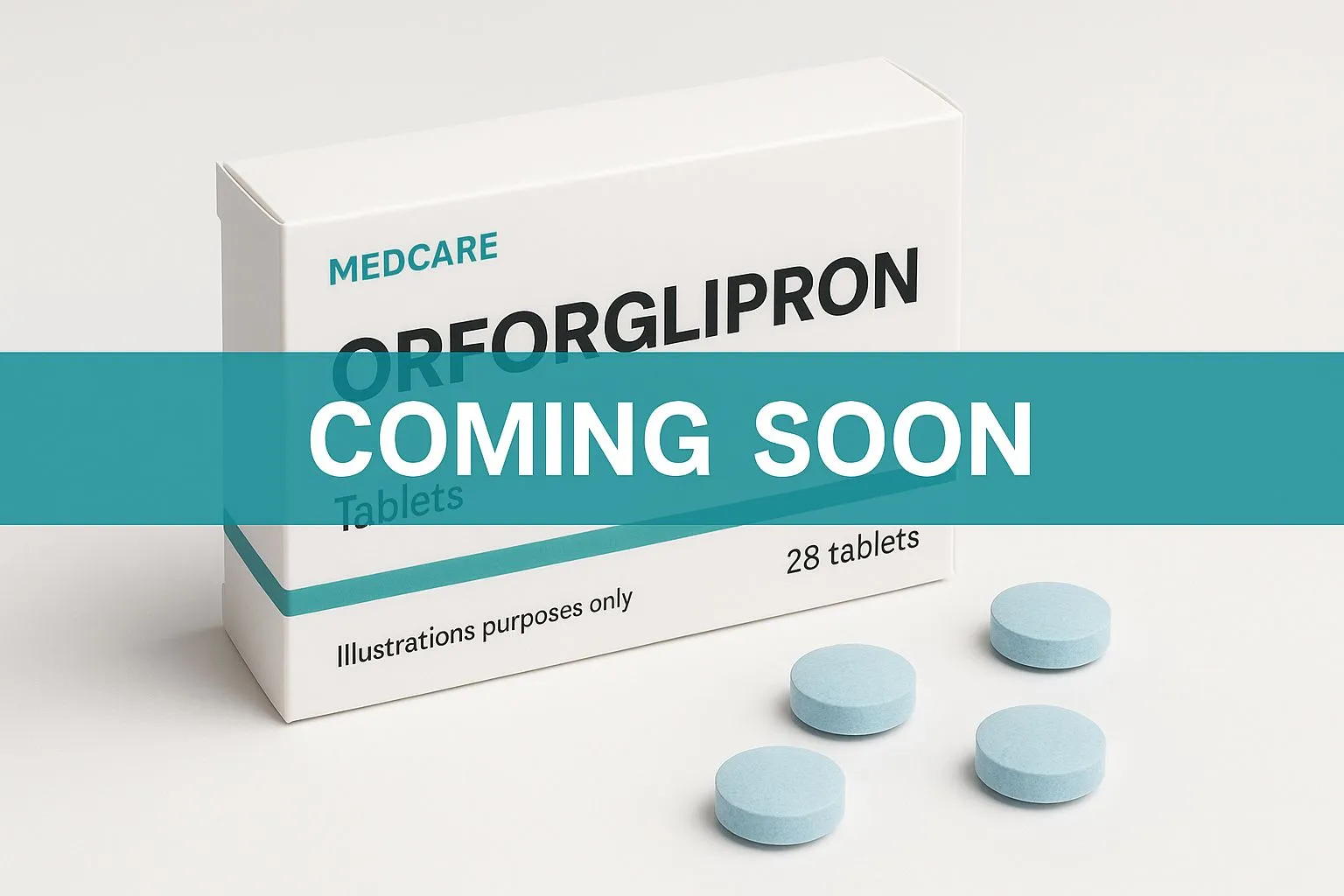
The race to dominate the multi-billion-dollar weight loss drug market is heating up. Pharmaceutical giant Eli Lilly today announced positive results from a late-stage clinical trial for its experimental once-daily weight loss pill, orforglipron, which helped patients lose an average of 12.4% of their body weight, or roughly 27 pounds, over a period of 72 weeks. The news positions the drug as a powerful new player in the market, offering a convenient oral alternative to the wildly popular injectable treatments like Wegovy and Zepbound.
The Phase 3 ATTAIN-1 trial, which involved over 3,100 overweight or obese adults, met all of its primary and key secondary endpoints, according to a statement from the company. Participants on the highest dose of the drug, 36 milligrams, saw a significant average weight reduction compared to the placebo group. Beyond weight loss, the drug also showed improvements in key cardiovascular health markers, including reductions in blood pressure and cholesterol.
“With orforglipron, we’re working to transform obesity care by introducing a potential once-daily oral therapy that could support early intervention and long-term disease management, while offering a convenient alternative to injectable treatments,” said Kenneth Custer, an executive vice president and president of Lilly.
The convenience of a daily pill is seen as a potential game-changer. While injectable GLP-1 drugs like Ozempic, Wegovy, and Eli Lilly’s own Zepbound have revolutionized weight loss, some patients are put off by the need for weekly injections. Unlike Novo Nordisk’s oral diabetes drug Rybelsus, which has strict rules about when it must be taken, Eli Lilly says orforglipron can be taken any time of day, with or without food or water restrictions.
However, the results, while clinically significant, have been met with a mixed reaction from Wall Street. Analysts had hoped for weight loss figures that would more closely rival Eli Lilly’s injectable drug, Zepbound, which has shown an average weight reduction of over 20% in trials. The 12.4% figure from orforglipron’s trial is slightly below the 15% weight loss seen in trials for Wegovy, the injectable GLP-1 from rival Novo Nordisk.
The most common adverse events reported in the trial were gastrointestinal in nature, including nausea, constipation, and vomiting. These side effects were generally mild to moderate in severity and consistent with those seen in the injectable GLP-1 class of drugs. Discontinuation rates due to these side effects were around 10% for the highest dose, though overall treatment discontinuation rates were lower than the placebo group.
Despite falling slightly short of the ambitious weight loss figures seen with some injectables, orforglipron is still considered a “good drug” by many analysts. Its ease of use could make it a powerful tool for earlier intervention in the management of obesity and type 2 diabetes. Eli Lilly says it plans to submit the drug for global regulatory approval by the end of the year. If approved, orforglipron could usher in a new era of oral weight loss medications, offering millions of people a highly effective and more convenient option in their battle with obesity.