
Cornell University President Michael I. Kotlikoff broke his silence following a week of intense campus protests and national scrutiny, acknowledging that the Ivy League institution “must do better” in its handling of sexual violence.
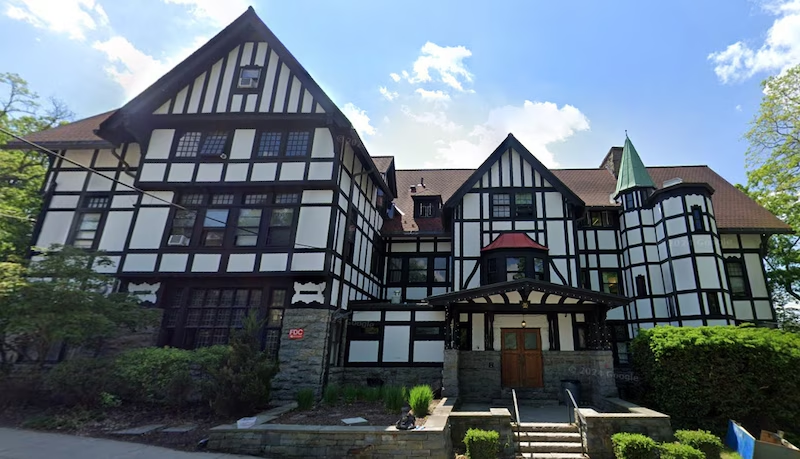
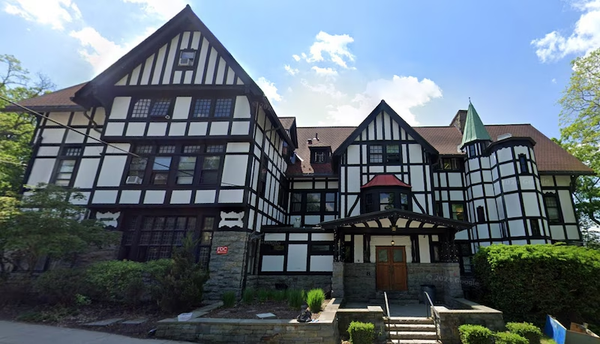
In an extraordinary video address to the campus community, Kotlikoff described the explosive allegations surrounding the drug-facilitated gang rape of a student at an off-campus fraternity house as a “defining moment” in Cornell’s history. The public reckoning follows an explosive civil lawsuit filed by a former student, identified as Jane Doe, who alleges she was drugged with ketamine and assaulted for seven hours by seven members of the Chi Phi fraternity.
“My Heart Aches”
The dynamic on the Ithaca, New York campus transformed rapidly into a crisis of institutional trust. During a packed, emotionally charged student assembly hearing, multiple speakers openly demanded Kotlikoff’s resignation, accusing the administration of prioritizing corporate risk management over student safety.
Attempting to defuse the growing anger, Kotlikoff struck a starkly conciliatory tone in his video address:
- The Admission of Failure: “I believe we as an administration, and we as a community, must do better,” Kotlikoff stated, conceding that the university’s historical communication limits had fueled widespread campus distrust.
- The Personal Toll: “What happened to Jane Doe in 2024 is deeply disturbing and will weigh heavily on our community for years to come. My heart aches when I think of what she experienced,” the president said.
- A Pledge for Systemic Review: Kotlikoff announced that Cornell’s Board of Trustees will hire an outside, independent law firm to review every aspect of how the university handled the 2024 allegations.
The Breakdown of the Initial Inquiry
The central friction point gripping the university centers on what happened after Jane Doe initially reported the assault to the Cornell University Police Department two weeks after the October 2024 incident. Despite an intensive campus police probe, local county prosecutors ultimately declined to file criminal charges, citing a lack of sufficient evidence under state law.
Doe then navigated a grueling, multi-month Title IX campus disciplinary framework. According to internal files, Cornell eventually barred the Chi Phi fraternity from campus and imposed a range of disciplinary measures, including expulsions against some suspects. However, other accused students faced lesser consequences: one graduated before a final ruling could be handed down, and two were cleared of sexual misconduct.
The case took a dramatic political turn when New York Governor Kathy Hochul announced she had “lost faith” in the local district attorney’s ability to oversee the matter. Hochul stripped local authorities of jurisdiction, assigning New York State Attorney General Letitia James to lead an active, independent criminal investigation into the underlying assault and the subsequent institutional handling. Kotlikoff publicly backed the governor’s intervention, promising full institutional compliance.
Confronting Greek Life Culture
Beyond the legal fallout, the scandal has forced an agonizing reassessment of the university’s sprawling Greek system. Mainstream student organizations argue that the traditional protections afforded to elite fraternities perpetuate dangerous environments where alcohol and drug abuse flourish without accountability.
In response, Kotlikoff promised a top-to-bottom re-evaluation of Greek life at Cornell, pledging to seek input from students, alumni, and safety experts to build an environment where sexual assault is entirely inexcusable.
For a university facing one of the most turbulent periods in its modern history, the administrative promises of transparency mark a desperate attempt to regain control of the narrative. But with a state-level criminal probe widening and a civil trial looming, Cornell’s leadership is discovering that vague commitments to “do better” may no longer satisfy a campus demanding radical structural change.