
ZURICH — A high-stakes diplomatic gamble is unfolding in the serene valleys of Switzerland as senior officials from the United States and Iran open critical face-to-face negotiations. The face-off comes just hours after Tehran triggered global economic anxiety by declaring the strategically vital Strait of Hormuz entirely closed to maritime traffic.
The technical-level talks represent a crucial bid to solidify a fragile, 14-point interim framework aimed at permanently halting regional warfare. However, the diplomatic summit kicked off in a state of high friction. The delegation from Tehran is wielding a massive economic leverage tool, explicitly warning that negotiations cannot advance while Israel continues its devastating military campaign in Lebanon.
A Diplomatic Tug-of-War in the Alps
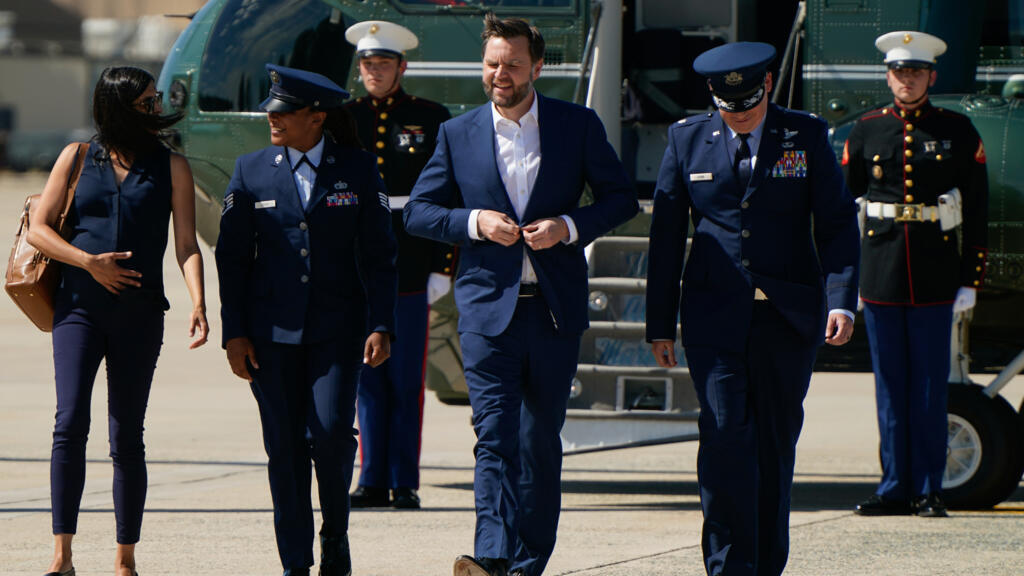
A high-level American delegation led by U.S. Vice President JD Vance arrived in Switzerland to establish the architecture for a more durable regional peace accord. The American side is hoping to quickly guide the conversations toward strict technical annexes concerning Iran’s nuclear enrichment capabilities.
The Iranian negotiating team arrived in Zurich with an aggressive posture. Led by parliamentary Speaker Mohammad Bagher Ghalibaf and Foreign Minister Abbas Araghchi, Tehran’s officials have positioned the immediate cessation of violence in Lebanon as an unalterable prerequisite for broader compliance.
The Iranian military command announced that its Revolutionary Guard naval forces had shut down the waterway. They explicitly cited what they labeled a clear breach of promises by the U.S. and Israel, warning all international merchant vessels to stay clear of the shipping lane. Through emergency radio broadcasts, Iranian commanders warned that any ship attempting unauthorized transit would be classified as a direct military target.
Opposing Realities at the Choke Point
The sudden maritime declaration sent immediate shockwaves through global energy markets, but the Pentagon was quick to issue an absolute denial. U.S. Central Command forcefully dismissed Iran’s claim of control, stating unequivocally that the international shipping lane remains open and unblocked.
Central Command announced that the international shipping lane remains open and unblocked, confirming that American naval assets are heavily monitoring the perimeter to ensure the uninterrupted flow of global commerce. According to verified military logs, at least 55 commercial merchant ships successfully navigated the strait, delivering more than 17 million barrels of crude oil to international buyers despite the threats originating from Tehran.
The maritime dispute intensified further when President Donald Trump weighed in from Washington. Trump fired off a blunt warning, stating that while the interim pact guarantees toll-free travel through the region for 60 days, the United States might ultimately implement its own maritime fees for acting as the guardian protecting Middle Eastern trade if a definitive accord collapses.
The Lever for Lebanon
Independent geopolitical defense analysts note that Iran’s dramatic maneuver in the Persian Gulf is almost certainly a calculated pressure tactic engineered specifically for the Swiss negotiating table. By theoretically holding 20 percent of the world’s liquefied natural gas and oil supply hostage, Tehran is attempting to force Washington to restrain its regional allies.
Despite a nominal ceasefire structure intended to pause hostilities across all fronts, the ground reality remains exceedingly bloody. Over the weekend, localized strikes in southern Lebanon killed dozens of people, prompting immediate retaliatory rocket fire from Hezbollah units.
As negotiators cloister themselves behind closed doors in Switzerland, the stark disconnect between the diplomatic civility in Europe and the threat of maritime warfare in the Gulf underscores the immense volatility of the moment. The unfolding direct talks will serve as a definitive test of whether economic leverage and aggressive posturing will wreck a historic chance at peace, or force both nations toward an enduring compromise.