
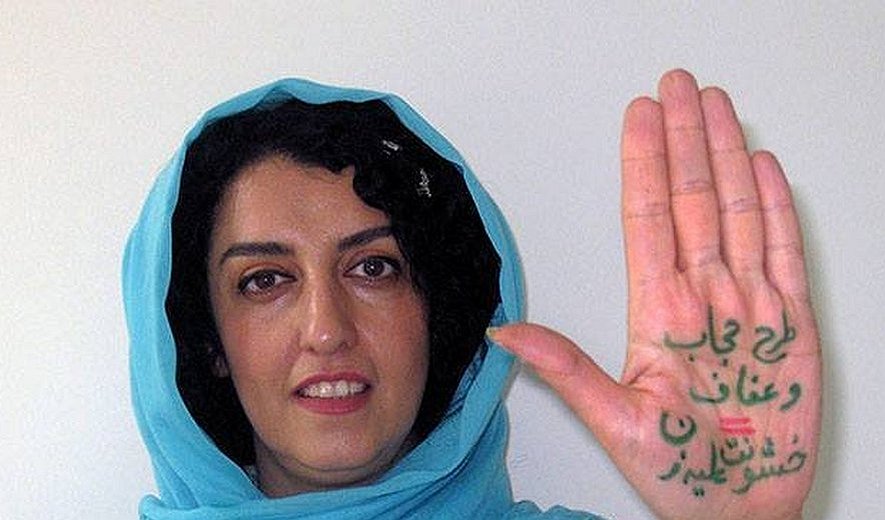
ZANJAN, Iran – The 2023 Nobel Peace Prize laureate Narges Mohammadi, currently serving a cumulative sentence of over 30 years, was urgently transferred from a prison in northwestern Iran to a hospital Friday following a “catastrophic deterioration” in her health. Family members report the 54-year-old activist suffered two episodes of complete loss of consciousness and a severe cardiac crisis after months of alleged medical neglect in state custody.
The transfer to an intensive care unit (ICU) in Zanjan comes after the laureate reportedly suffered a heart attack in late March—an incident for which her family says she was initially denied specialized care.
A Nobel Prize Behind Bars
Mohammadi is one of the world’s most high-profile political prisoners, currently held for her unwavering defiance of the Iranian government. Her legal and physical struggles highlight the personal cost of her activism:
- Ongoing Detention: Mohammadi was re-arrested on December 12, 2025, in the city of Mashhad while attending a memorial service for a human rights lawyer. Since then, she has been held for over 140 days in what her foundation describes as “arbitrary detention.”
- Mounting Sentences: In February 2026, while already incarcerated, she was sentenced to an additional seven and a half years for “propaganda against the state” and “gathering and collusion,” bringing her total outstanding prison time to several decades.
- Refusal of Transfer: Despite her critical condition, authorities have reportedly blocked requests to move her to a specialized hospital in Tehran, where her own medical team is located.
Life at “Immediate Risk”
The Norwegian Nobel Committee, which awarded Mohammadi the peace prize “for her fight against the oppression of women in Iran,” stated on Saturday that her life remains at serious risk. Her foundation warned that the hospital transfer might be a “last-minute” measure that has come too late.
As the laureate remains on supplemental oxygen with severely fluctuating blood pressure, international pressure is mounting on Tehran. “The responsibility for her life and health lies entirely with the Iranian authorities,” the Nobel Committee declared.