
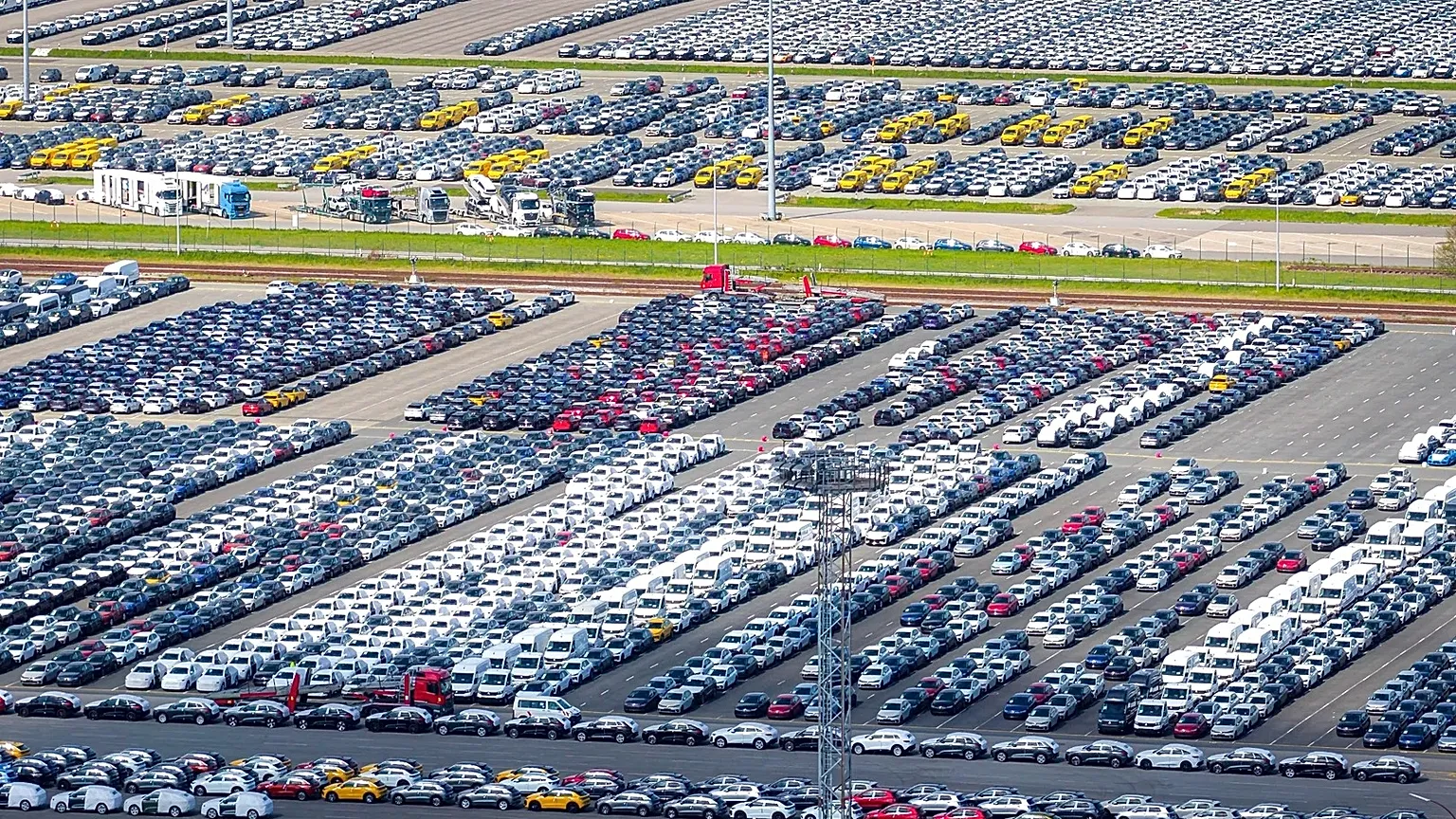
In a move that has sent shockwaves through global markets and ignited fears of a renewed transatlantic trade conflict, Donald Trump has pledged to impose a sweeping 25% tariff on all automobiles imported from the European Union. The proposal, a cornerstone of his latest economic platform, marks a dramatic escalation of his “America First” agenda and threatens to dismantle decades of established trade norms.
A “Fortress America” Strategy
Speaking to a crowd of cheering supporters, the former president framed the move as an essential correction to what he described as years of European exploitation. “They send us their Mercedes, their BMWs, and their Volkswagens by the millions, but they don’t want our cars,” Trump declared. “That ends now. We are going to build them here, or they are going to pay a very big price to get them in.”
The 25% figure is a significant jump from the current 2.5% rate applied to passenger cars, though it mirrors the “Chicken Tax” currently applied to light trucks and SUVs. Economic analysts warn that such a steep hike would likely be passed directly to American consumers, potentially adding thousands of dollars to the sticker price of European-made vehicles.
Brussels Braces for Impact
The reaction from Brussels was swift and stern. European Union officials characterized the proposed tariffs as a violation of international trade law and signaled that the bloc is already preparing a list of retaliatory measures. Historically, the EU has responded to U.S. protectionism by targeting politically sensitive American exports, such as bourbon, motorcycles, and agricultural products.
“Trade is a two-way street,” a spokesperson for the European Commission noted. “Unilateral actions of this magnitude invite instability and will ultimately harm workers and consumers on both sides of the Atlantic.”
The Industrial Fallout
While Trump argues the tariffs will force European manufacturers to move production to U.S. soil, industry experts suggest the reality is more complex. Global supply chains are deeply integrated; many “German” cars are already built in states like South Carolina and Alabama, while American manufacturers rely on specialized European components.
The German Association of the Automotive Industry (VDA) warned that the tariffs could “decouple” the two largest Western economies at a time when they face increasing competition from China’s growing electric vehicle sector.
A High-Stakes Gamble
As the campaign season intensifies, the 25% car tariff has become a litmus test for voter sentiment on globalization. For supporters, it is a long-overdue defense of the American middle class. For critics, it is a protectionist gamble that risks a global recession and the alienation of America’s closest allies.
With the auto industry serving as the backbone of both the American and European manufacturing sectors, the stakes could not be higher. What began as a campaign promise may soon become the opening salvo in a trade war that reshapes the 21st-century economy.