
ISLAMABAD — The sun rises over a silent Serena Hotel, its fortified gates ready for a diplomatic breakthrough that refuses to arrive. In the waters of the Persian Gulf and the meeting rooms of Islamabad, the United States and Iran are locked in a high-stakes “war of blockades,” a trial of strength where global energy markets hang in the balance and Pakistan desperately tries to pull both sides back from the abyss.
The Standoff: Gunboat Diplomacy in the 21st Century
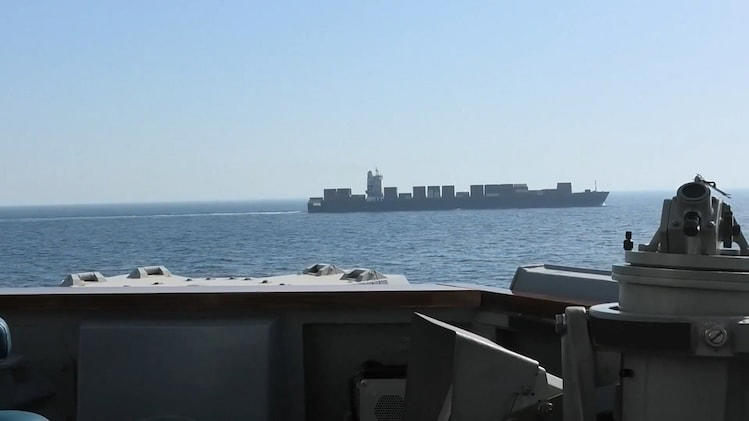
What began as a localized conflict on February 28 has mutated into a grinding naval siege. The U.S. Navy has effectively locked down trade to Iranian ports, an act Iran’s Foreign Ministry labels “no different than bombing.” In retaliation, Tehran has tightened its own grip on the Strait of Hormuz, seizing commercial vessels like the MSC Francesca and Epaminondas and threatening to “knock out” regional infrastructure if the siege continues.
The U.S. military’s Central Command reports intercepting dozens of vessels, while President Donald Trump insists the blockade will remain until a permanent peace deal is signed. “I expect to be bombing,” Trump warned recently, even as he indefinitely extended a ceasefire on April 21 to allow diplomacy “one last chance.”
Pakistan’s Tightrope Act
At the center of this geopolitical storm is Pakistan. Prime Minister Shehbaz Sharif and Army Chief Field Marshal Asim Munir have emerged as the primary intermediaries, engaging in frantic shuttle diplomacy between Washington and Tehran.
Pakistan’s mediation initially secured a fragile two-week ceasefire, but the momentum stalled when the U.S. seized the Iranian-flagged cargo ship Touska for allegedly running the blockade. Tehran reacted by vowing retaliation and signaling it would boycott the second round of talks in Islamabad.
- Islamabad’s Efforts: Arranging a 15-point proposal from the U.S. and a 10-point counter-proposal from Iran.
- The Stick: President Trump’s threat to destroy Iran’s infrastructure if a “deal” is not reached.
- The Carrot: An indefinite ceasefire extension granted by the White House on April 21 at the specific request of Pakistani mediators.
A Fragile Peace in Limbo
The human and economic toll of the conflict is staggering, with over 5,000 dead since February and global energy prices soaring, with Brent crude nosediving over $100 per barrel. While Vice President JD Vance’s planned trip to lead negotiations in Islamabad was recently postponed due to Iranian reluctance, Pakistani officials remain “cautiously hopeful” that a second round of talks could happen within days.
For now, the world watches the Strait. As one senior Pakistani source noted, the achievement isn’t just a deal—it’s keeping the parties talking while their navies are at each other’s throats. The blockade remains, the ceasefire holds by a thread, and Pakistan remains the only bridge left standing in a region on fire.