
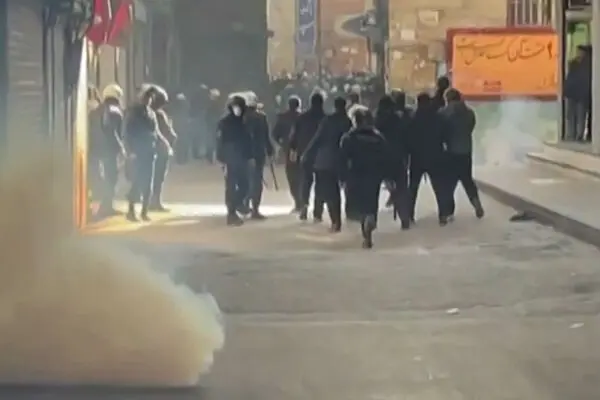
TEHRAN — The floors of Imam Khomeini Hospital in Ilam are no longer sanitized white; they are stained with the copper-scented residue of a national uprising.
As night fell on the twelfth day of nationwide protests, the corridors of Iran’s medical centers transformed from sanctuaries of healing into the final, desperate frontlines of a state crackdown. Medics, speaking under condition of anonymity for fear of execution, describe a scene of carnage that has overwhelmed the country’s healthcare system.
“We were receiving dozens of gunshot victims every hour,” said one trauma surgeon in Tehran. “Many were dead on arrival—shot in the head or heart at close range. For some, there wasn’t even time to start CPR. We had to step over bodies to get to those who still had a pulse.”
Hospitals Under Siege
The crisis is not merely a matter of capacity; it is a matter of combat. Reports from Ilam, Tehran, and Shiraz indicate that security forces—including the Islamic Revolutionary Guard Corps (IRGC) and Basij militia—have repeatedly stormed medical facilities to arrest the wounded.
At Imam Khomeini Hospital in Ilam, eyewitnesses described a scene of “total terror” on January 4. Security forces reportedly deployed tear gas inside the wards and used shotguns to force entry, smashing glass doors and beating medical staff who refused to hand over patients.
“They aren’t just coming for the living,” a nurse from Ilam told human rights monitors. “They are seizing the bodies of the dead from the morgue to prevent families from holding public funerals. They want the evidence of their crimes to disappear.”
The Anatomy of a Crackdown
The scale of the casualties is staggering, though a nationwide internet blackout has made precise verification a race against time.
| Region | Reported Impact (January 2026) | Key Incident |
| Tehran | 200+ Dead | Hospitals overwhelmed with gunshot wounds; internet severed to mask toll. |
| Ilam | Hospital Raids | IRGC forces fired tear gas inside Imam Khomeini Hospital; medics beaten. |
| Lorestan | High Child Fatality | Multiple minors, including 15-year-old Taha Safari, confirmed killed. |
| Shiraz | Capacity Crisis | Blood supplies exhausted; security forces blocking donations. |
The “Shadow Doctors”
Because seeking professional medical help has become a precursor to arrest, a dangerous “shadow” medical network has emerged. Protesters with metal pellet wounds or broken limbs are increasingly avoiding hospitals, opting instead for clandestine treatment in basements and private homes.
“I saw a man who had been shot in the leg with a hunting rifle,” one human rights defender reported. “He was taken to a livestock farm because his family was too afraid of the IRGC presence at the local clinic. He died from an infection that should have been treatable.”
The UN-mandated Fact-Finding Mission on Iran has called the targeting of hospitals a “grave violation of international humanitarian law.” UN officials warned that the use of lethal force in ethnic minority regions, such as Kurdistan and Ilam, has been particularly “brutal and indiscriminate.”
A System at the Breaking Point
Inside the hospitals, the emotional toll on the staff is reaching a tipping point. Medical professionals, bound by an oath to treat everyone, find themselves at odds with a judiciary that has ordered “no leniency” toward those it labels “saboteurs.”
“We are being asked to choose between our patients and our lives,” the Tehran surgeon said. “But when you see a 16-year-old boy bleed out on your table because the special forces wouldn’t let the blood bank delivery through, there is no choice left. There is only grief.”
As the sun rises over a city still smelling of acrid smoke and tear gas, the death toll continues to climb. Rights groups like HRANA and Amnesty International warn that without international intervention, the halls of Iran’s hospitals will continue to serve as a silent witness to a massacre in the dark.