
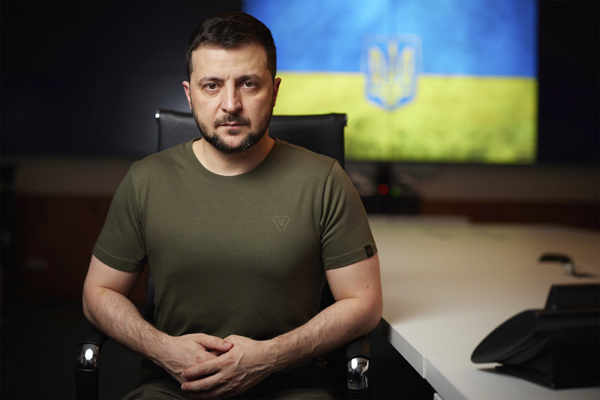
KYIV, UKRAINE—Ukrainian President Volodymyr Zelensky has struck a cautiously optimistic note regarding the U.S.-mediated peace plan to end the war with Russia, stating that the proposal “looks better” following multiple rounds of intensive negotiations with American envoys in recent days.
Zelensky’s comments, made after a flurry of high-level diplomatic activity in Miami and Paris, signal a significant easing of Kyiv’s initial fears that the U.S.-authored framework heavily favored Russian demands. While the most contentious issue—territorial control—remains an impasse, both Washington and Kyiv say they have made substantial progress on establishing a post-war security framework for Ukraine.
Amending the Controversial Draft
The current push for peace, championed by the Trump administration, began with a controversial 28-point proposal drafted in cooperation between U.S. envoy Steve Witkoff and Russian officials. That original draft drew immediate, sharp criticism from Kyiv and European allies for suggesting a forced ceding of Ukrainian land and imposing severe limits on Ukraine’s military sovereignty.
- Kyiv’s Revisions: Following intense talks in Geneva and Florida over the last two weeks, Ukrainian negotiators successfully amended the proposal. President Zelensky confirmed that the initial 28 points had been refined to a 20-point framework, removing some of Russia’s maximalist demands.
- The Positive Assessment: “It looks better,” Zelensky said, highlighting the positive shift in the proposal’s contents. His top security officials, Rustem Umerov and Andriy Hnatov, met with U.S. envoys Witkoff and Jared Kushner for a third day of talks in Miami, which both sides described as “constructive.”
The joint readout from the U.S. and Ukrainian delegations stated they had “agreed on the framework of security arrangements” and discussed “necessary deterrence capabilities to sustain a lasting peace,” suggesting a breakthrough on the issue of Ukraine’s future protection.
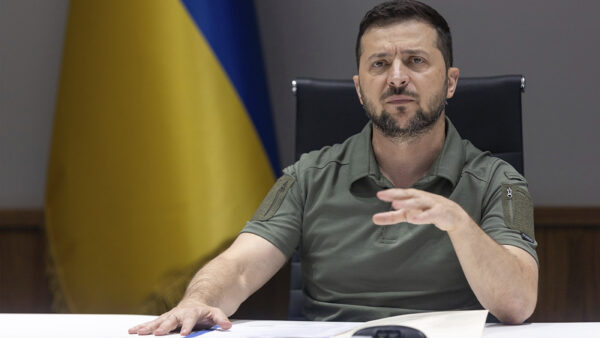
The Enduring Red Line: Territory
Despite the diplomatic momentum, the fundamental issue of territory continues to represent a near-insurmountable barrier to a final agreement.
President Zelensky reiterated that the question of Ukraine’s full control over its internationally recognized borders remains the “most complicated” and non-negotiable part of the discussions.
This position directly clashes with Russian President Vladimir Putin’s latest statements, in which he vowed that Moscow will accept nothing less than the unconditional withdrawal of Ukrainian forces from the four partially occupied oblasts—Donetsk, Luhansk, Kherson, and Zaporizhzhia—or seize the territory by force.
The Focus Shifts to Moscow
While Kyiv and Washington appear to have successfully aligned on a post-war security structure, the spotlight now shifts back to Moscow. U.S. envoy Steve Witkoff recently met with President Putin to discuss the amended plan.
Following the meeting, a top Kremlin aide, Yuri Ushakov, described the talks as “very useful,” but conceded that “no compromise version of a peace settlement has been found.”
The joint statement from the U.S. and Ukraine delegations underscored the high-risk nature of the diplomacy: “Both parties agreed that real progress toward any agreement depends on Russia’s readiness to show serious commitment to long-term peace, including steps toward de-escalation and cessation of killings.”
The signal from Kyiv is clear: they have done their part to amend the deal and secure their security guarantees. The responsibility for the next step, and the ultimate end of the conflict, now rests squarely with the Kremlin.