
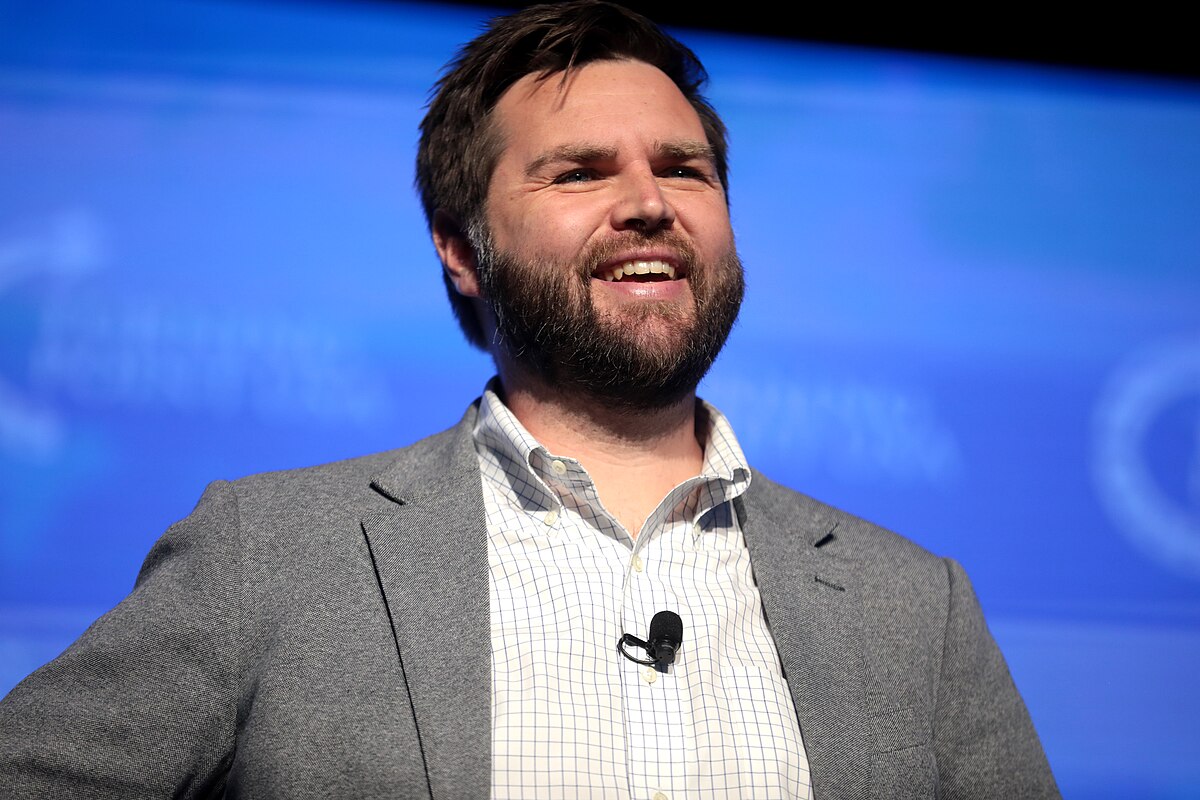
The White House is actively considering a request to supply Ukraine with the long-range Tomahawk cruise missile, a move that would represent a seismic shift in U.S. policy and dramatically escalate the pressure on Russia, Vice President J.D. Vance confirmed on Sunday.
The powerful statement from the Vice President, made during a televised interview, follows a request by Ukrainian President Volodymyr Zelensky to secure the weapons system, which boasts a strike range of up to 2,500 kilometers (1,550 miles)—a distance capable of placing Moscow and other deep-inland Russian targets within Kyiv’s reach.
“We’re certainly looking at a number of requests from the Europeans,” Vice President Vance said, confirming the administration is reviewing the deal, which would involve the U.S. selling the Tomahawks to European allies for eventual transfer to Ukraine. He stressed that President Donald Trump would make the “final determination” on the matter.
The Leverage of Escalation
The revelation comes amid a noticeable hardening of the administration’s stance on the conflict. After a recent meeting with President Trump, President Zelensky reportedly framed the possession of such a capability as the ultimate leverage to force Russian President Vladimir Putin to the negotiating table.
This potential policy reversal contrasts sharply with the White House’s earlier resistance to providing long-range weapons, rooted in fears of escalating the war into a direct confrontation between NATO and Russia.
However, after what U.S. officials described as President Trump’s growing frustration with Putin’s refusal to engage in meaningful peace talks and the continuation of what the U.S. President has called a “war that should have taken a Real Military Power less than a week to win,” the appetite for a bolder strategy appears to be growing.
Kremlin’s Warning: An Escalatory Step
Russia’s reaction was swift and pointed. Kremlin spokesman Dmitry Peskov immediately warned that the potential delivery of Tomahawks would constitute a “major escalation.”
“Moscow has heard Washington’s statements about possible Tomahawk deliveries to Ukraine and is carefully analyzing them,” Peskov said, raising pointed questions about who would be responsible for operating and targeting the missiles. “It is important to understand who will be directing and launching the Tomahawk missiles from Ukrainian territory—the Americans or the Ukrainians themselves.”
Despite the threat of escalation, former National Security Adviser and current U.S. Special Envoy to Ukraine, Keith Kellogg, appeared to green-light the concept of deeper strikes. Speaking on the same day as Vance, Kellogg asserted that Ukraine must have the ability to “hit deep” into Russian territory. “There are no such things as sanctuaries” in war, he added, providing further evidence of a dramatic change in White House posture.
The U.S.-made Tomahawk, a precision-guided munition carrying a formidable warhead, would offer a significant strategic upgrade to Ukraine’s current long-range arsenal, which is limited by the range of existing ATACMS and Anglo-French Storm Shadow missiles. For Kyiv, the transfer would be a game-changer; for the Kremlin, it presents a challenge to the perceived security of its command centers and military infrastructure far from the front lines.
As the request enters its final review stage, the potential introduction of the Tomahawk into the war zone looms as a decisive test of how far the U.S. is willing to go to force a diplomatic resolution to the conflict.