
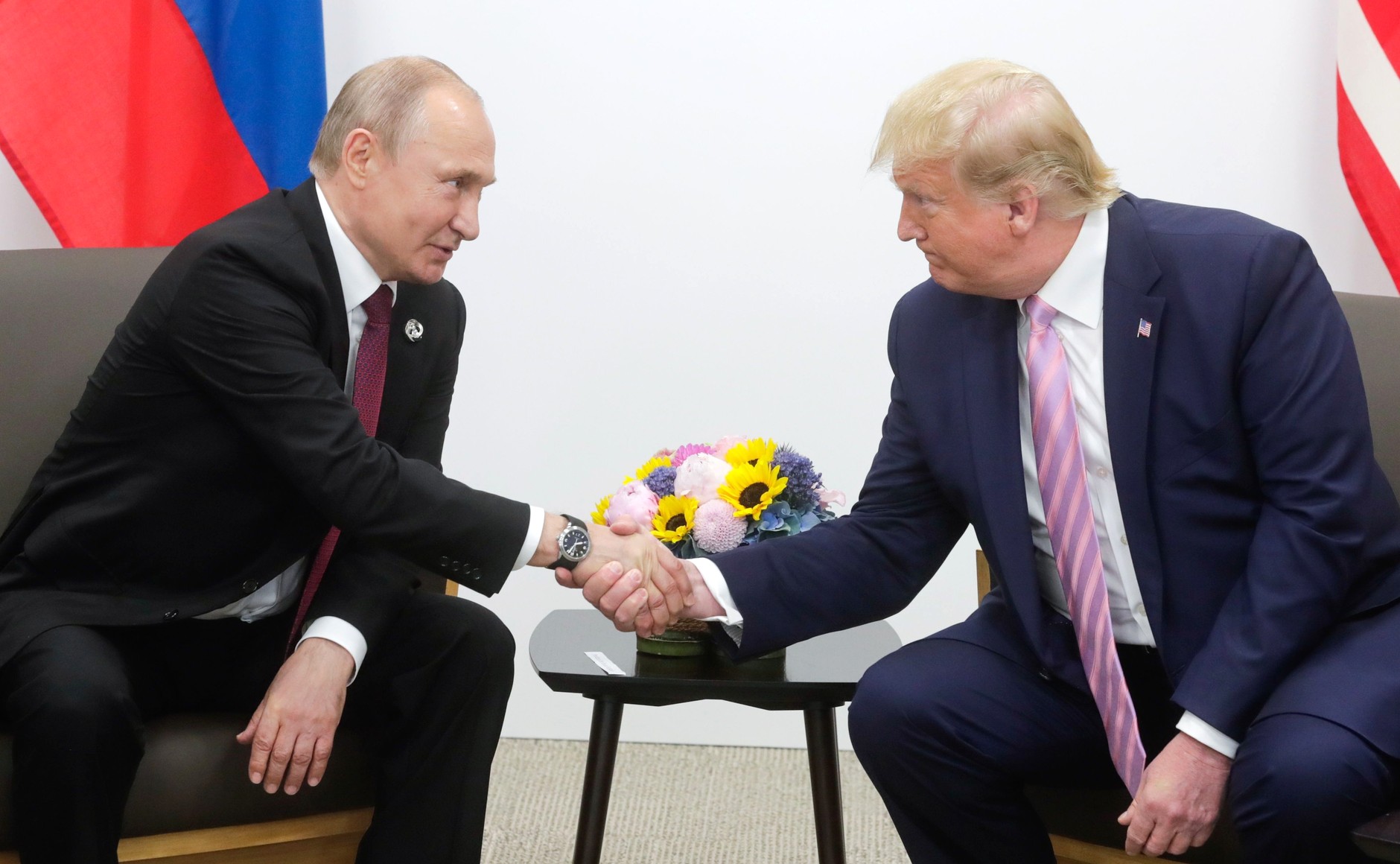
In a dramatic and high-stakes gambit, President Donald Trump has issued a new challenge to NATO allies: the U.S. is ready to impose “major sanctions” on Russia, but only if every NATO member first agrees to halt all purchases of Russian oil. The ultimatum, which was outlined in a social media post on Saturday, puts the onus of economic pressure squarely on Europe and has reignited fierce debate over the alliance’s commitment to the war in Ukraine.
In a post on his Truth Social platform, Trump wrote, “I am ready to do major Sanctions on Russia when all NATO Nations have agreed, and started, to do the same thing, and when all NATO Nations STOP BUYING OIL FROM RUSSIA.” He criticized what he called a “shocking” level of Russian oil purchases by some members of the 32-country alliance, arguing that it “greatly weakens your negotiating position, and bargaining power, over Russia.” Trump’s statement comes amidst heightened tensions after Russian drones violated Polish airspace earlier in the week.
A Divided Alliance
The president’s proposal comes at a crucial moment for the alliance, which has been grappling with internal divisions over how to confront Russia. While the European Union has imposed extensive sanctions and largely cut off its reliance on Russian energy since 2022, a few key NATO members have continued to purchase Russian oil. According to the Centre for Research on Energy and Clean Air, NATO member Turkey remains the third-largest buyer of Russian oil globally, after China and India. Fellow members Hungary and Slovakia also continue to import Russian oil, citing economic hardship and a lack of alternative energy sources.
The conditional nature of the sanctions puts pressure on these countries, but it also provides a potential justification for the Trump administration to withhold further action against Russia. While some U.S. officials have backed the president’s call, critics have accused the move of being a tactic to avoid directly confronting Russian President Vladimir Putin himself.
The Economic Gamble
The plan also hinges on a second, equally controversial demand: that NATO members impose punitive tariffs of 50 to 100 percent on China, which is a major buyer of Russian energy. “China has a strong control, and even grip, over Russia, and these powerful Tariffs will break that grip,” Trump wrote. He has already taken a similar step by imposing 50 percent tariffs on Indian imports, straining relations between Washington and New Delhi.
Economists are divided on the proposal’s feasibility. While a complete halt to Russian oil purchases by all of NATO would be a significant blow to the Kremlin’s war funding, it would also cause widespread economic disruption and inflation for many European countries. For now, the administration’s position is clear: the United States is ready to act, but Europe must lead the charge. The message is simple: “Anyway, I am ready to ‘go’ when you are. Just say when?”