
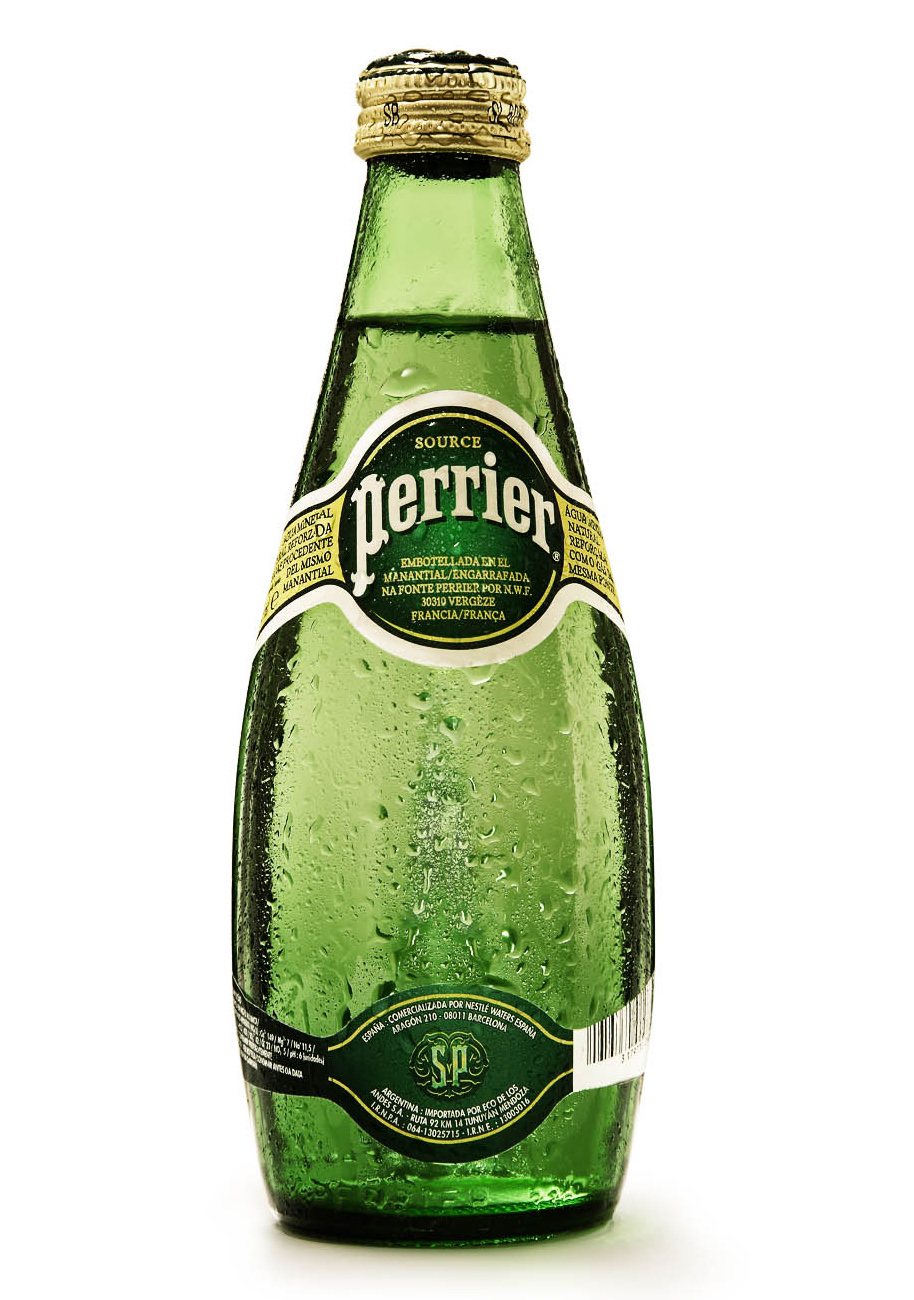
The pristine, bubbly image of France’s most iconic mineral water, Perrier, has been shattered by a scandal of monumental proportions, revealing that the company has been illegally treating its water for years to mask contamination and that the French government knowingly allowed the deception. A damning Senate report, released this week, has ignited what one journalist is calling a “French Watergate,” bringing down the curtain on a long-held myth of purity and raising serious questions about the integrity of the bottled water industry.
At the heart of the scandal is Nestlé Waters, the parent company of Perrier and other brands, which has admitted to using prohibited purification methods, including activated carbon filters and ultraviolet light—methods typically used for treating tap water. European and French law are unequivocal on this point: “natural mineral water” must be sourced from an underground spring and remain in its natural, unaltered state from the source to the bottle.
The explosive revelations, which began with an investigation by French news outlets Le Monde and Radio France, found that the illicit treatments were a response to a pressing problem: the springs, long considered pristine, were becoming increasingly contaminated with bacteria and chemicals. In 2024, Nestlé was forced to destroy nearly three million bottles of Perrier after fecal contamination was discovered in one of its wells.
But the scandal goes far beyond corporate wrongdoing. The Senate report alleges a deliberate and extensive cover-up at the highest levels of the French government. The report states that the presidency of the Republic, including top officials and advisors, was aware of Nestlé’s illegal practices as early as 2022. Instead of taking legal action, the government entered into a “transactional” relationship with Nestlé, allowing the company to replace its prohibited filtration methods with a new, controversial microfiltration process. This new process, while technically within a loosened regulatory framework, still alters the water’s natural composition, according to hydrologists.
The report also criticized the government’s lack of transparency with both local authorities and the public. “The presidency of the Republic knew, at least since 2022, that Nestlé had been cheating for years,” the report states. It further noted that a top aide to President Emmanuel Macron refused to appear before the inquiry commission, citing a separation of powers.
The fallout from the scandal is both cultural and legal. For consumers who pay a premium for bottled water, believing it to be a product of natural, untouched purity, the revelations are a profound betrayal. The case has also led to a preliminary investigation into Nestlé Waters for “deception,” with a consumer advocacy group, Foodwatch, filing a complaint.
Nestlé, for its part, has expressed “regret” for its past practices but insists that the safety and quality of its products have always been guaranteed. However, the company’s long-term reliance on illegal treatments to ensure safety, even while marketing its water as “natural,” has severely damaged its credibility.
The “Perriergate” scandal is a stark warning that even the deepest springs are no longer immune to the effects of climate change and pollution. As the European Union grapples with the implications of the French government’s actions, the integrity of an entire industry is now in question, leaving consumers to wonder if the water they are drinking is as pure as they are led to believe.