
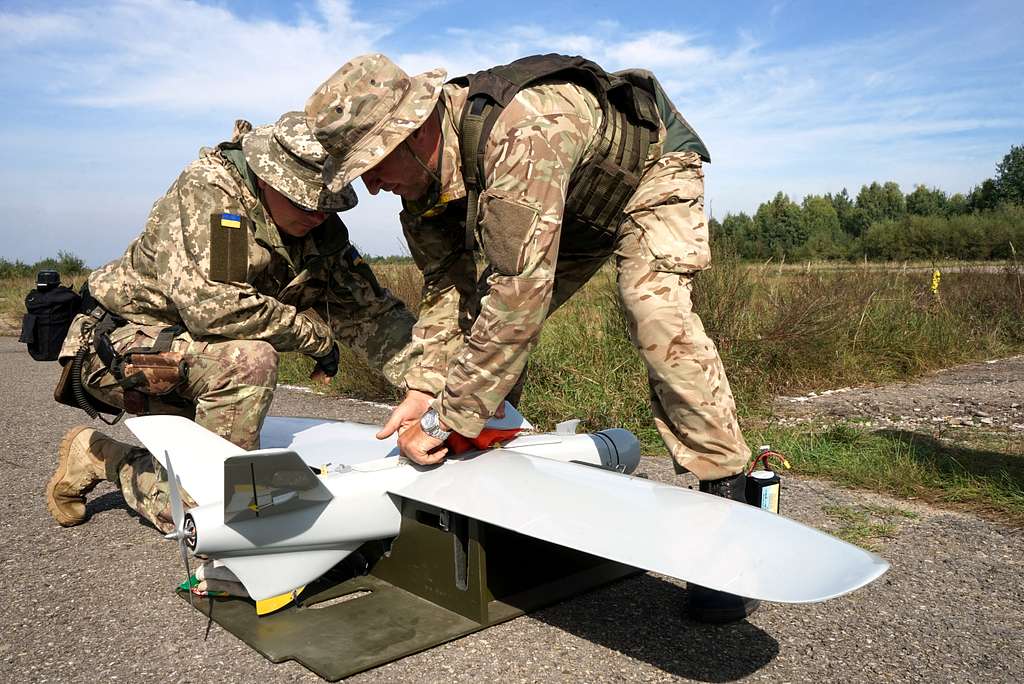
Ukraine’s anti-corruption agencies have arrested a member of parliament and several other officials in a “large-scale corruption scheme” involving the procurement of military drones and electronic warfare systems, a development that strikes at the heart of the country’s war effort and its pledge to stamp out systemic graft. The arrests come just days after the agencies regained their independence following a major political battle that led to widespread protests.
The National Anti-Corruption Bureau of Ukraine (NABU) and the Specialised Anti-Corruption Prosecutor’s Office (SAPO) announced on Saturday that they had exposed a scheme to systematically embezzle public funds. According to a joint statement, the officials allegedly orchestrated a plot to sign state contracts with suppliers at deliberately inflated prices, receiving kickbacks of up to 30% of the contract’s value. The investigation revealed that this criminal group had been operating since at least 2024, siphoning off funds desperately needed for the country’s defense.
Among the four people arrested are a sitting lawmaker, two heads of local government administrations, and several National Guard personnel. While the agencies did not officially name the suspects, Ukrainian media outlets have identified the MP as Oleksii Kuznietsov, a member of President Volodymyr Zelenskyy’s “Servant of the People” party, and one of the local officials as former Luhansk governor Serhii Haidai. The Ministry of Internal Affairs has already suspended the National Guard service members involved and launched an internal investigation.
The timing of this announcement is particularly significant. Just last week, President Zelenskyy’s government faced a rare, unified public backlash for attempting to strip the anti-corruption agencies of their independence, a move that critics feared would cripple the fight against graft and jeopardize Ukraine’s bid for European Union membership. Following the largest anti-government protests since the war began, Zelenskyy performed a stunning political U-turn and signed a new bill restoring the agencies’ autonomy.
Image source: picryl.com
In a statement on his Telegram channel, President Zelenskyy thanked the anti-corruption agencies for their work and reaffirmed his commitment to the fight against corruption, writing, “There can only be zero tolerance for corruption, clear teamwork to expose corruption and, as a result, a just sentence.”
The new arrests serve as a powerful first demonstration of the renewed strength and independence of the anti-corruption bodies. The case underscores the persistent and difficult challenge Ukraine faces in rooting out corruption, even as it fights a brutal war. It highlights a painful paradox: while the nation’s military is celebrated for its bravery on the battlefield, some officials are allegedly profiting from the very needs of the frontline.
For Ukraine’s Western allies, who have provided billions of dollars in military and financial aid, the swift action against corruption is a welcome, though sobering, sign. Transparency and accountability are key requirements for continued international support and for the nation’s eventual integration into the European Union. As the investigation continues, the focus will be on ensuring that all those involved are held to account, sending a clear message that wartime profiteering will not be tolerated.