
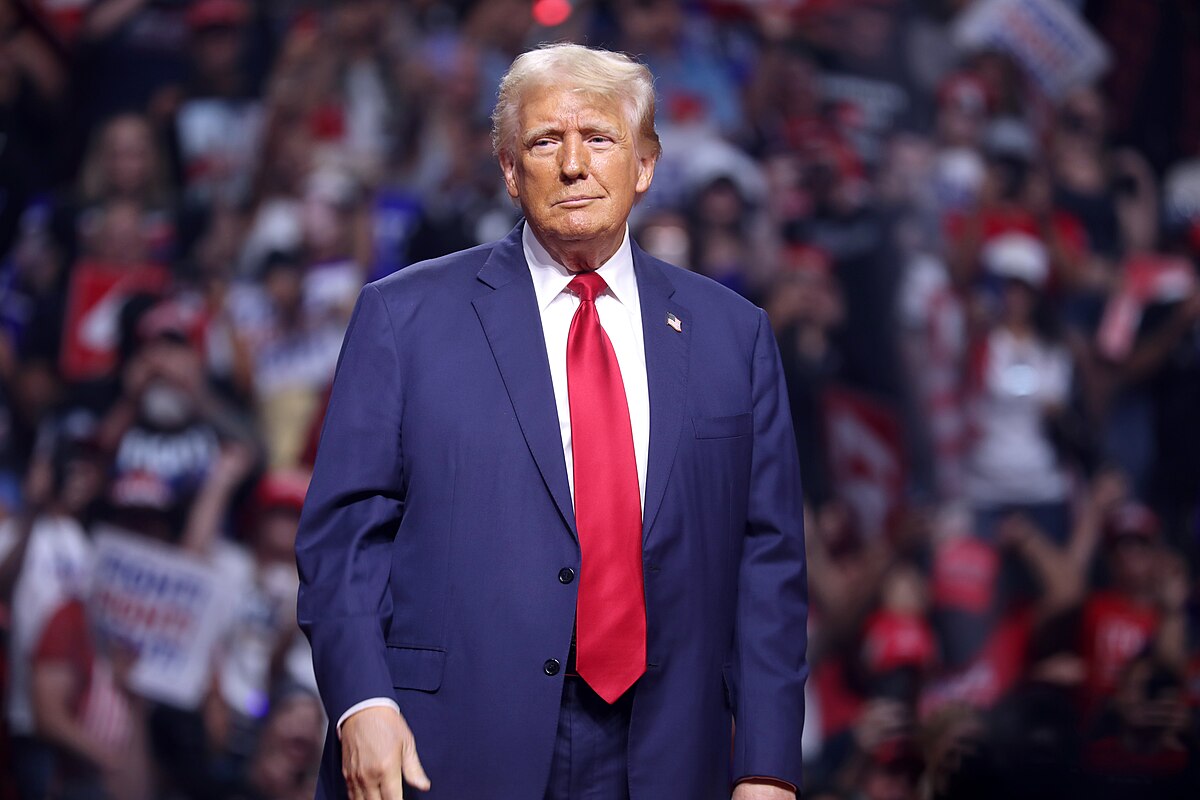
President Donald Trump is facing an unprecedented revolt from within his most loyal base, as his administration’s handling of the Jeffrey Epstein sex trafficking investigation sparks a furious backlash and exposes a rare fissure between the populist leader and his ardent followers. In a stunning shift, the very conspiracy theories Trump himself has often fueled are now turning against him, threatening to fracture the “America First” movement.
The schism erupted after the Justice Department and the FBI recently walked back previous suggestions of a “client list” related to Epstein’s alleged sex trafficking network, stating that no such list exists and that no more files would be made public. This announcement directly contradicted earlier promises from Attorney General Pam Bondi, who had previously indicated such a document was “sitting on her desk.”
The reversal ignited a firestorm among Trump’s most fervent supporters, many of whom have long believed that Epstein’s network implicated powerful elites and that a “deep state” was actively suppressing the truth. For years, figures within Trump’s orbit, including FBI Director Kash Patel and Deputy Director Dan Bongino, have championed the notion that the Epstein case held explosive secrets that would be revealed under a Trump administration.
“Their new SCAM is what we will forever call the Jeffrey Epstein Hoax, and my PAST supporters have bought into this ‘bullshit,’ hook, line, and sinker,” Trump wrote on his Truth Social site this week, using an expletive to express his frustration. He went on to call these once-loyal backers “weaklings” and declared, “I don’t want their support anymore!”
This highly aggressive rhetoric marks a dramatic escalation for President Trump, who typically prides himself on his unbreakable bond with his base. While he has occasionally chastised supporters in the past, never has he done so with such fervor and public dismissal.
The backlash from prominent conservative influencers and media personalities has been swift and severe. Figures like Steve Bannon have warned of significant electoral consequences, suggesting that the dispute could cost Republicans seats in the upcoming midterm elections. Others, like far-right commentator Jack Posobiec, have vowed to continue pressing for full disclosure, echoing calls for a “Jan. 6 committee on the Jeffrey Epstein files.” Even House Speaker Mike Johnson, a staunch Trump ally, has publicly called for the Justice Department to “put everything out there and let the people decide,” indicating a break from the White House’s current messaging.
“This is a crisis of Trump’s own making,” observed Dr. Robert Jones, a political communication specialist at Georgetown University. “He spent years cultivating a base that thrives on uncovering conspiracies and distrusting established institutions. Now, when his administration doesn’t deliver the answers they expect on a core conspiracy, they’re turning that same skepticism on him. It’s the genie coming out of the bottle.”
The political stakes are immense. The Epstein saga has become a potent symbol for many on the right, encapsulating their belief in a shadowy elite protected by a corrupt system. By appearing to dismiss their concerns or, worse, being seen as part of a “cover-up,” Trump risks undermining the very foundation of trust he built with his most devoted followers.
As the internal war rages within the “America First” movement, the Democratic Party is seizing on the rare opportunity to highlight the division and hypocrisy. Meanwhile, President Trump continues to dismiss the controversy as a “hoax” perpetrated by the “Radical Left,” attempting to deflect blame and redirect his base’s anger. However, for a significant segment of his supporters, the Jeffrey Epstein case is far from over, and their demand for answers is now a direct challenge to the leader they once unreservedly championed. The true cost of this internal schism remains to be seen.