
In a monumental leap for reproductive medicine and genetic science, researchers in the United Kingdom have announced the successful birth of eight healthy babies conceived using DNA from three individuals, a groundbreaking technique designed to prevent the transmission of severe, often fatal, inherited diseases. This medical triumph, detailed in new research, offers a profound new avenue of hope for families long burdened by incurable genetic conditions.
The pioneering method, known as mitochondrial donation treatment (MDT) or sometimes colloquially as “three-parent IVF,” involves combining the genetic material from the prospective mother and father with healthy mitochondria from a donor woman. This ensures that babies inherit the vast majority of their DNA from their parents, but receive healthy mitochondria – the “powerhouses” of the cells – from a third party, effectively bypassing the diseased mitochondria that would otherwise be passed down from the mother.
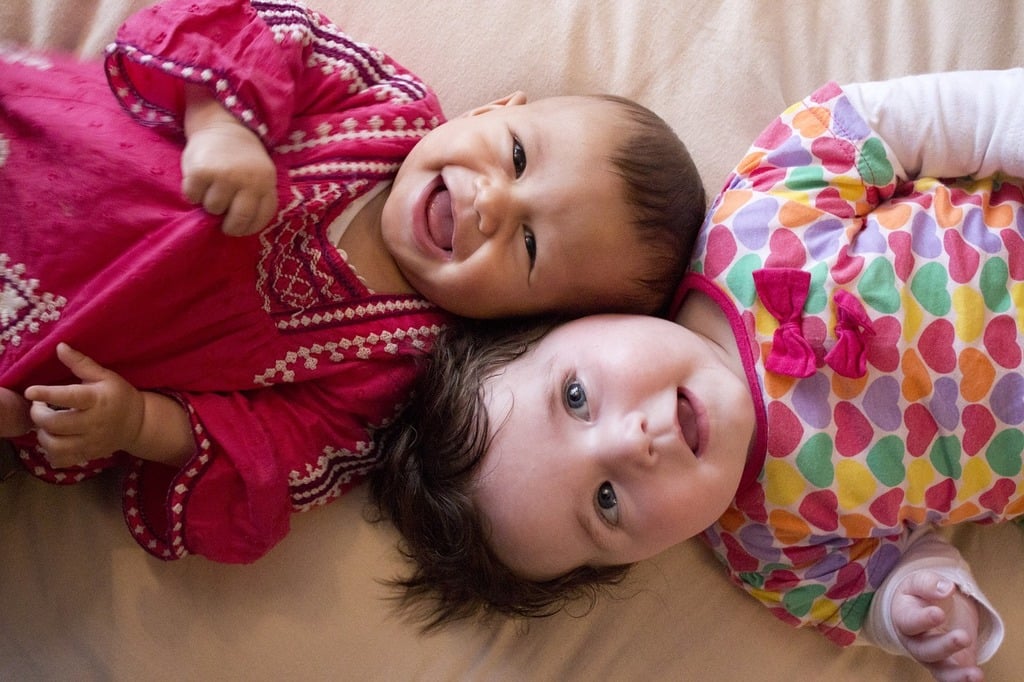
The team at Newcastle University and the Newcastle Fertility Centre, who have been at the forefront of this research for over a decade, confirmed that the eight babies – four boys and four girls, including one set of identical twins – have been born healthy and are meeting their developmental milestones. These children are now aged between under six months and over two years old.
“This is an extraordinary achievement for these families,” stated Professor Sir Doug Turnbull, an emeritus professor at Newcastle University who helped pioneer the treatment. “Mitochondrial diseases are devastating, with no cure, and without this technique, these families would have faced the agonizing prospect of passing on these conditions. Now, they have the chance to have children growing up without this terrible disease.”

Mitochondrial diseases are a group of debilitating genetic disorders that affect approximately one in 5,000 births. They occur when the mitochondria, responsible for generating energy in cells, don’t function properly, leading to a wide range of symptoms that can affect almost any organ, including the brain, heart, muscles, liver, and kidneys. These conditions are typically inherited solely from the mother.
The key technique employed by the Newcastle team is “pronuclear transfer (PNT).” It involves fertilizing the eggs of both the affected mother and a healthy donor with the father’s sperm. Crucially, the nucleus (containing the primary genetic material) is then removed from the mother’s fertilized egg and transferred into the donor’s fertilized egg, which has had its own nucleus removed but retains healthy mitochondria. This reconstructed embryo is then implanted into the mother’s womb.
While the procedure means the resulting child carries a tiny fraction of DNA (less than 0.1%) from the donor woman, this genetic material is only responsible for the function of mitochondria and does not influence traits like appearance or personality. Advocates stress that this is distinct from gene-editing and is a targeted approach to prevent specific diseases.
The UK was the first country in the world to legalize mitochondrial donation treatment in 2015, following extensive ethical and scientific review. Every couple seeking the procedure must undergo a rigorous approval process by the Human Fertilisation and Embryology Authority (HFEA), the country’s fertility regulator.
“After years of waiting, we now know that eight babies have been born using this technique, all showing no signs of mito,” said Liz Curtis, founder and CEO of The Lily Foundation, a charity dedicated to fighting mitochondrial disease. “For many affected families, it’s the first real hope of breaking the cycle of this inherited condition.”
While ongoing monitoring of these children will be crucial to ensure long-term health, the initial results offer profound optimism. This scientific breakthrough not only provides a powerful new option for families at risk but also solidifies the UK’s position at the forefront of ethical and innovative reproductive medicine, ushering in an era where the burden of inherited disease can be lifted from future generations.