French food and drink company Danone has announced it will cut 900 jobs after weakness in southern European economies hit sales.
The owner of Activia yogurt and Evian bottled water reported sales of 20.1 billion euros ($26.8 billion) in 2012, up 5.4% from a year earlier.
But sales in Europe fell 3% following a “severe deterioration” in consumer demand.
As a result, Danone has announced a cost-cutting plan.
The firm plans to cut about 900 management and administrative positions across 26 European countries.
“2013 will be a year of transition, with vigorous development in business in our growth markets and a drive to strengthen operations in Europe,” said chairman and chief executive Franck Riboud in a statement.
Danone has announced it will cut 900 jobs after weakness in southern European economies hit sales
The world’s biggest maker of yogurts predicted its profit margins would fall again this year, with a negative trend for demand in Europe and prices of raw materials staying high.
Its sales growth in 2012 was at the lower end of its own expectations and behind the 5.9% achieved by its Swiss rival Nestle.
Danone is heavily exposed to European economies, with about 38% of its sales coming from Western Europe.
Sales at its Spanish dairy division were particularly weak.
Danone announced in December that it was preparing a two-year cost-cutting programme to save about 200 million euros.
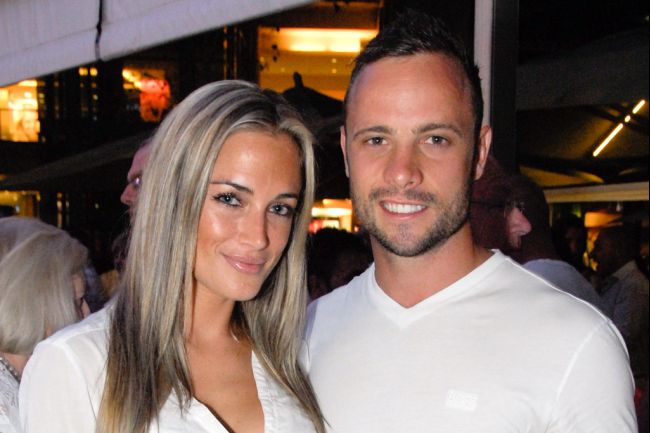
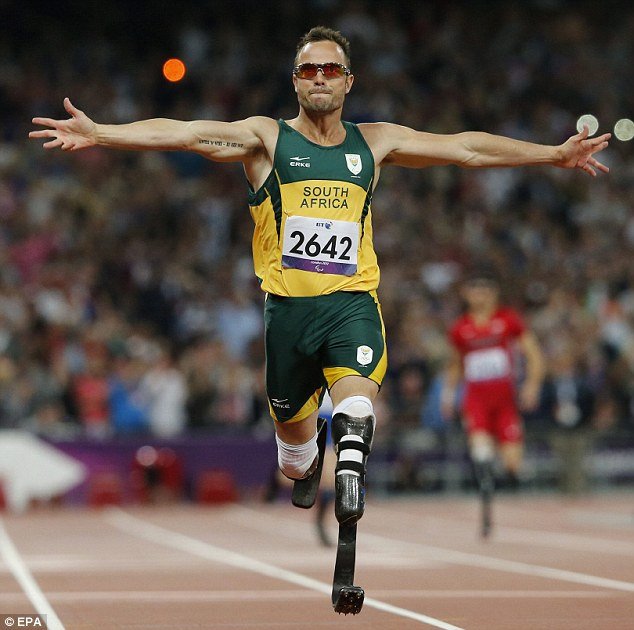
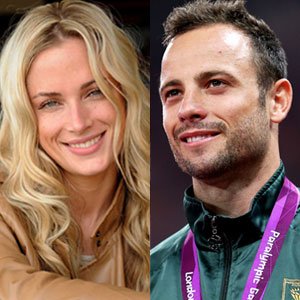
Oscar Pistorius has broken down in tears at court this morning as he begged for bail on the same day Reeva Steenkamp will be buried by her family.
Oscar Pistorius, 26, was hidden under a blanket in the back of a police car as he was swept into the Pretoria courthouse where he was accused of gunning down model Reeva Steenkamp on Valentine’s Day.
The Paralympic champion began to sob in the dock before he slumped forwards with his head in his hands as the prosecutor accused him of murdering an “unarmed and innocent woman”.
The court was also told that Reeva Steenkamp had arrived at his home at around 6 p.m., with an overnight bag, before being “shot three times while on the toilet” in the middle of the night.
600 miles away in the coastal city of Port Elizabeth Reeva Steenkamp’s family, friends and loved-ones will be attending her private funeral.
They have demanded to know why their “beautiful angel” was blasted to death with his 9mm gun and have begged the sprinter to “tell the truth” about the shooting when he appears in court today.
Meanwhile olice focus their investigations on Reeva Steenkamp’s iPad amid concerns she received an early-hours message that may have sparked a row.
Oscar Pistorius has broken down in tears at court this morning as he begged for bail on the same day Reeva Steenkamp will be buried by her family
Reeva Steenkamp’s tablet computer was found on the bedroom floor – and this is now being checked by investigators along with both her and Oscar Pistorius’ phone for any clues about her death.
June Steenkamp, Reeva’s mother said: “All we want are answers … answers as to why this had to happen, why our beautiful daughter had to die like this?”
But the mystery of her final moments deepened after the tragedy was recreated in a controversial “cartoon” strip in South Africa.
The bizarre images suggest Reeva Steenkamp was shot in the hip in Oscar Pistorius’ bedroom before being attacked and seeking refuge in the bathroom, sitting on the toilet seat.
Today it also emerged that sportswear brand Nike, one of the athlete’s main sponsors, has no plans to use Oscar Pistorius in future ad campaigns.
This came as Reeva Steenkamp’s brother Adam called for the truth, telling reporters that the only person left alive who can say what happened is Oscar Pistorius.
Asked what could possibly be the motive behind his niece’s murder, Reeva’s uncle Mike Steenkamp said: “The only person who can answer that is Reeva”
But her brother Adam said: “Oscar.”
Adam Steenkamp, a 36-year-old father of two who works at the University of Cambridge, has flown back to his parent’s home in South Africa to help deal with the crisis. Though he is Reeva Steenkamp’s half brother, as they have different mothers, he said that they considered each other direct siblings.
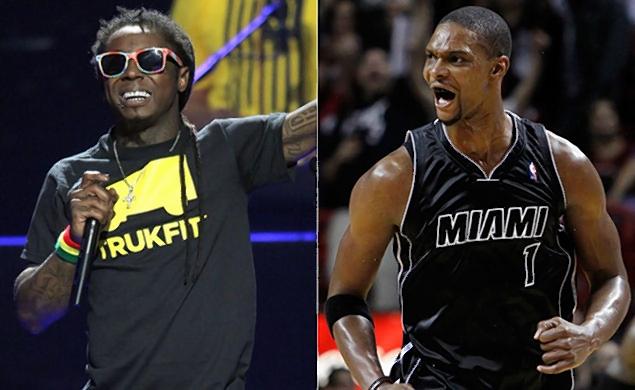
Lil Wayne claims he slept with the wife of NBA player Chris Bosh.
Rapper Lil Wayne, whose real name is Dwayne Carter Jr., told a packed audience that he bedded Adrienne Williams Bosh, the spouse of Chris Bosh.
The outspoken music star made the claim on stage as he hosted LIV on Sunday All Star Weekend edition at Stereo Live in Houston, Texas.
Lil Wayne, 30, explained: “If you’re wondering why you didn’t see me at the All Star Game it’s because I was banned from attending all NBA events. The Miami Heat got me banned.”
He then led the crowd in chanting: “F**k NBA! F**k Lebron! F**k SheWade! F**k Chris Bosh! And I f**ked Chris Bosh wife!”
It comes after Lil Wayne was escorted out of a Miami Heat game at the American Airlines Arena last week for apparently cheering on the Los Angeles Lakers.
In a Twitter rant Lil Wayne said he had been banned from future games too.
“So I’m @ da Heat game right, rootin 4 da Lakers kuz dats my team & would u believe they got police 2 make me leave?! Wow! F**k da Heat.”
Lil Wayne told a packed audience that he bedded Adrienne Williams Bosh, the spouse of Chris Bosh
The rapper continued to explain to fans at the gig attended by stars including Drake, J Cole and the Young Money collective: “The NBA banned me from all NBA events … because the Miami Heat told them to ban me.”
However, a spokesperson from the Florida team told USA Today that the performer was not kicked out but he chose to leave.
Also, according to multiple reports, a fan named Danny Vega said that Lil Wayne was kicked out for making gun gestures at another attendee.
Despite his apparent rage towards the organization Lil Wayne paid his respects upon hearing that the owner of his favorite team had passed away aged 80 on Monday morning after a long illness.
Lil Wayne said about LA Lakers owner Dr. Jerry Buss via Twitter: “Rest peacefully Dr. Buss and may God bless your family. Purple-Gold.”
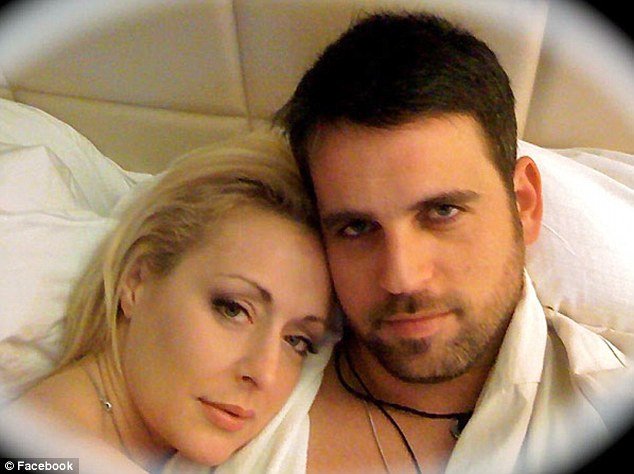
Country star Mindy McCready is the fifth former contestant on Celebrity Rehab reality show who died within three years of appearing on the television show.
Since Mindy McCready, 37, was found after an apparent suicide at her cabin in Arkansas, Celebrity Rehab has come under increased scrutiny.
However, Mindy McCready herself was possibly under scrutiny at the time of her death. Police were reportedly planning question her about the death last month of her boyfriend David Wilson, who was shot at the same Heber Spring, Arkansas, home where Mindy McCready killed herself.
Celebrity Rehab, which is currently in its fifth season on VH1, is lead by Dr. Drew Pinsky and features a changing cast of celebrities. Camera chronicle their journey through a 21-day rehabilitation clinic where they are treated for various drug addictions.
In addition to Mindy McCready, four other castmates have died because of different incidents relating to their addictions.
The most fatal of the show’s seasons was the third season, since Mindy McCready’s death brings the fatality count up to three out of the nine featured cast members.
It was revealed on Monday that Mindy McCready had been working on a suicide awareness video right before her death, it was revealed today.
Private investigator Danno Hanks told E! News Mindy McCready had asked him to work on a cover of I’ll See You Yesterday which was written by Courtney Dashe, a fan of McCready’s who wanted her to sing the song.
Then on Saturday, the day before she was found dead from a self-inflicted gunshot wound at her Arkansas home, Mindy McCready sent him a frame for a video with a suicide hotline number.
He said: “She said she wanted to put together this video to help people deal when someone had suffered a suicide in their life and God, she was literally having me write her suicide note.
“If I had known, I would have made sure someone was there with her all the time. I thought she was talking about sending a message about suicide for David’s death but this is unbelievable.
“She was sending me a message. I wish I had been more alert to what it was. I just didn’t think she would do this. She had two kids to live for. I still can’t fathom the whole thing.”
Mindy McCready was also facing public scrutiny over the death of David Wilson on January 13.
Sheriff’s deputies investigating the case had said the death was suspicious. They were planning to re-interview before she died, People magazine reports.
Mindy McCready denied having anything to do with his death – calling David Wilson her “soulmate” – but police said unanswered questions remain.
“At first, she said she hadn’t heard the gunshot because the TV was too loud. Then she said she had heard the gunshot,” a source told People.
“So obviously there were a lot of questions, and the Sheriff was asking for clarification.”
Mindy McCready is the fifth former contestant on Celebrity Rehab reality show who died within three years of appearing on the television show
Former Real World contestant Joey Kovar died in August of last year, just three years after the third season of Celebrity Rehab aired.
Though his family said that he had maintained his sobriety following the show, an autopsy revealed that his cause of death was opiate intoxication.
That is believed to be a result of the painkiller that Joey Kovar was taking at the time, which was called Norco and classified as an opiate though it was never confirmed that the drug caused his death.
Their fellow cast mate Mike Starr, a bass player from the grunge rock band Alice in Chains, was arrested in February 2011 for possessing two different types of prescription medication that were deemed controlled substances.
Mike Starr was found dead less than a month later as a result of what Dr. Drew deemed a prescription drug overdose.
The two other stars who died after their series aired were actor Jeff Conaway of Grease fame and Rodney King, the man whose beating sparked the Los Angeles police brutality riots.
Jeff Conaway, who made a name for himself as Kenickie in the musical film, was featured on both the show’s first and second seasons because his addiction to prescription medication returned following back surgeries.
At first it was thought that he died in May 2011 due to a drug overdose, but Dr. Drew later made a public statement saying that he was placed in a medically induced coma following a combination of pneumonia and sepsis caused by years of drug abuse.
Rodney King, who shot to fame after he was seen being beaten by police in Los Angeles which went on to prompt the infamous riots of the early 1990s, was found dead after having drowned in his swimming pool.
The drowning was ruled an accident but an autopsy proved that he had a mix of cocaine, marijuana, and alcohol in his system at the time of his death in June of last year.
Now much of the criticism is falling on the shoulders of Dr. Drew Pinsky who serves as a host, executive producer and doctor on the show.
“Although I have not treated her for a few years, I had reached out to her recently upon hearing about the apparent suicide of her boyfriend and father of her younger children. She was devastated,” Dr. Drew Pinsky said in a statement Monday.
“Although she was fearful of stigma and ridicule she agreed with me that she needed to make her health and safety a priority. Unfortunately it seems that Mindy did not sustain her treatment.”
Mindy McCready had been in the news over the past month because her live-in boyfriend David Wilson also died in an apparent suicide at the same cabin in Heber Springs.
Mindy McCready was allegedly in the house at the time of his death but she allegedly did not hear the gun shot because the television was too loud.
Following David Wilson’s death, she attended court-ordered rehab and her two sons were put into foster care, and they remained in the custody of the state at the time of her death.
On her bio page from Celebrity Rehab’s website, VH1 made references to her personal problems and even pegged the root of her troubles on her relationships.
Mindy McCready’s biography on the show’s page says: “Although she was arrested and jailed for trying to buy OxyContin with a false prescription and attempted suicide with an overdose of drugs and alcohol, Mindy believes her only true addiction is to violent relationships.”
Oscar Pistorius is due back in court in Pretoria today for a bail hearing that may reveal further details of the murder case against him.
Prosecutors plan to pursue a charge of premeditated murder against Oscar Pistorius, a charge he is expected to deny.
His girlfriend, model Reeva Steenkamp, was shot dead at his home on Thursday. Police later recovered a hand gun.
Reeva Steenkamp is due to be cremated at a private ceremony in Port Elizabeth later.
Oscar Pistorius’s appearance in court will be the first since he broke down and wept at an initial hearing on Friday.
Prosecutors are expected to outline their evidence against Oscar Pistorius to support their argument that he should be denied bail before his trial begins.
The athlete is also likely to enter a plea for the first time.
Oscar Pistorius is due back in court in Pretoria today for a bail hearing that may reveal further details of the murder case against him
Oscar Pistorius, who has both legs amputated below the knee, was held at a local police station over the weekend, and has not spoken publicly about Reeva Steenkamp’s death.
But a statement released by Oscar Pistorius’s family suggests he will deny the charges being prepared against him.
“The alleged murder is disputed in the strongest terms,” it said.
Meanwhile the family of Reeva Steenkamp has spoken of its grief in a newspaper interview published on Monday.
Speaking to the Times of South Africa, her mother June Steenkamp said: “All we want are answers… answers as to why this had to happen, why our beautiful daughter had to die like this.”
The bail hearing is not expected to be televised after lawyers agreed there should be “no live recording” of proceedings.
The case has aroused huge interest both in South Africa, where Oscar Pistorius is regarded as a national hero, and around the world.
Oscar Pistorius rose to fame as one of the most recognizable faces of Paralympic sport, and the first double-amputee track athlete to race in the Olympics.
Swiss-based firm Nestle has removed beef pasta meals from shelves in Italy and Spain after tests revealed traces of horse DNA.
Nestle, the world’s biggest food company, halted deliveries of products containing meat from a German supplier.
The company is the latest in a string of major food producers to find traces of horsemeat in beef meals.
A spokesman for Nestle said levels of horse DNA were very low but above 1%.
Last week the firm said its products did not contain horsemeat.
Nestle withdrew two chilled pasta products, Buitoni Beef Ravioli and Beef Tortellini, in Italy and Spain.
Lasagnes a la Bolognaise Gourmandes, a frozen product for catering businesses produced in France, will also be withdrawn.
A spokesman for the company said Nestle had identified a problem with a supplier from Germany.
A statement on the Nestle website identified the supplier as HJ Schypke, a sub-contractor of JBS Toledo, a major meat processing company based in Belgium.
“There is no food safety issue, but the mislabelling of products means they fail to meet the very high standards consumers expect from us,” the statement said.
Nestle has removed beef pasta meals from shelves in Italy and Spain after tests revealed traces of horse DNA
In addition to removing the three affected products from sale, Nestle would be “enhancing our existing comprehensive quality assurance programme by adding new tests on beef for horse DNA prior to production in Europe”, it added.
The news that Nestle is now having to withdraw some foods, shows the problem is far wider than previously thought and, critics say, how dangerously unregulated the food industry has become.
The widening scandal over mislabelled horsemeat has affected at least 12 European countries, including Switzerland, where the retailer Co-op – famous for its broad range of organic, locally-sourced food – was on Monday forced to remove nine different products from its shelves.
Last Wednesday, Co-op said it had found horsemeat in its own-brand frozen lasagne produced by the Comigel food processing company in France.
Co-op now faces possible charges of negligence from the Swiss authorities.
France meanwhile partially lifted a production ban for another meat processing firm, Spanghero.
The French government revoked its licence last week over suspicions that Spanghero knowingly sold horsemeat labelled as beef, an allegation the company rejects.
The French authorities said that unwitting workers should not be penalized.
As a result Spanghero will be allowed to produce minced meat, sausages and ready-to-eat meals, but not to stock frozen meat.
Meanwhile the UK and Germany have also both pledged to step up testing of frozen food products.
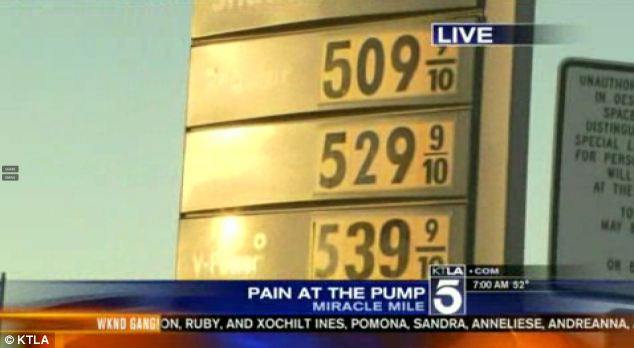
Fuel prices have skyrocketed across the US, with a gallon of gas reaching past $5.00 in some parts of the country.
The price of petrol has been continually climbing for the past 32 days, causing many Americans to spend as much as 10% of their income on gas.
Experts are puzzled why prices keep ascending, as many drivers tend to shy away from long trips in the winter months due to slick road conditions.
According to AAA’s Daily Fuel Gauge report, the national average for a gallon of regular gas is $3.73, up two cents from yesterday.
A year ago, the median price was $3.56 per gallon.
The escalating cost of fuel comes as many Americans are facing an end to Bush-era tax cuts and are already coping with smaller paychecks and less disposable income.
KTLA reports that regular fuel costs $5.09 a gallon, while premium can run up to an eye-watering $5.39 a gallon.
With most non-hybrid vehicles getting between 20-30 miles per gallon and most drivers averaging 29 miles a day, the price spike is worrisome, especially since fuel prices tend to rise during the spring and summer months.
Fuel prices have skyrocketed across the US, with a gallon of gas reaching past $5.00 in some parts of the country
The cause of the price hikes is complex – CNN Money reports that it is a “confluence of factors, from rising crude oil prices, to production cuts and refinery closings”.
In addition, consumer reports show that the job and housing markets are slowly but surely creeping back to where they were before the recession, meaning the cost of oil has been rising with it.
North Dakotans have paid the most for fuel, based on their income. According to AAA’s Fuel Gauge Report, the average gas price is $3.67 a gallon.
While it’s not the priciest in the nation, it is a whopping 10.3% of their income.
Prices typically rise in March and April, when car owners begin to travel longer distances.
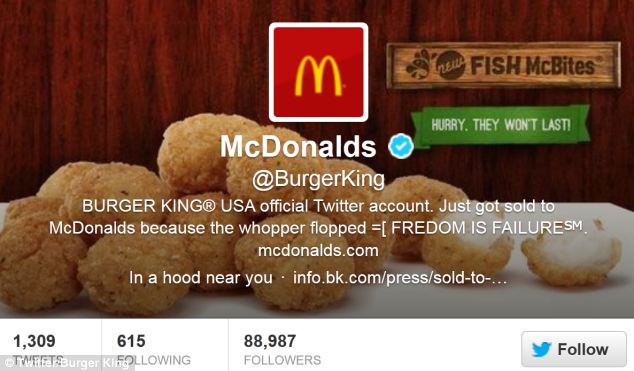
Burger King’s Twitter account was hacked by a McDonald’s fan.
Burger King’s Twitter page, which has more than 89,000 followers, has been changed to feature their rival’s food and even their logo and Twitter name have been changed, appearing as McDonalds @BurgerKing.
The first sign of trouble was a post made from the official Burger King account stating: “We just got sold to McDonalds! Look for McDonalds in a hood near you.”
The Burger King Twitter account has been suspended after several posts, some racist and offensive, were made by the McDonald’s fan over several hours.
From the Burger King account, the hacker promoted McDonald’s food, posting: “Try our new BK (sm) Bath Salt! 99% Pure MDPV! Buy a Big Mac, get a gram free!”
Since then there has been a string of Tweets from several Twitter users as news of the hack went viral with many tweeting and re-tweeting posts from the hacker.
Burger King’s Twitter account was hacked by a McDonald’s fan
A Burger King spokesperson said: “It has come to our attention that the Twitter account of BURGER KING® brand has been hacked.
“We have worked directly with administrators to suspend the account until we are able to re-establish our legitimate site and authentic postings.
“We apologize to our followers who have been receiving erroneous tweets about other members of our industry and additional inappropriate topics.”
McDonald’s denied any involvement in the hacking, posting on their Twitter page at 6.45p.m.: “We empathize with our @BurgerKing counterparts. Rest assured, we had nothing to do with the hacking.”
Twitter and Burger King are yet to make any official statements about the incident.
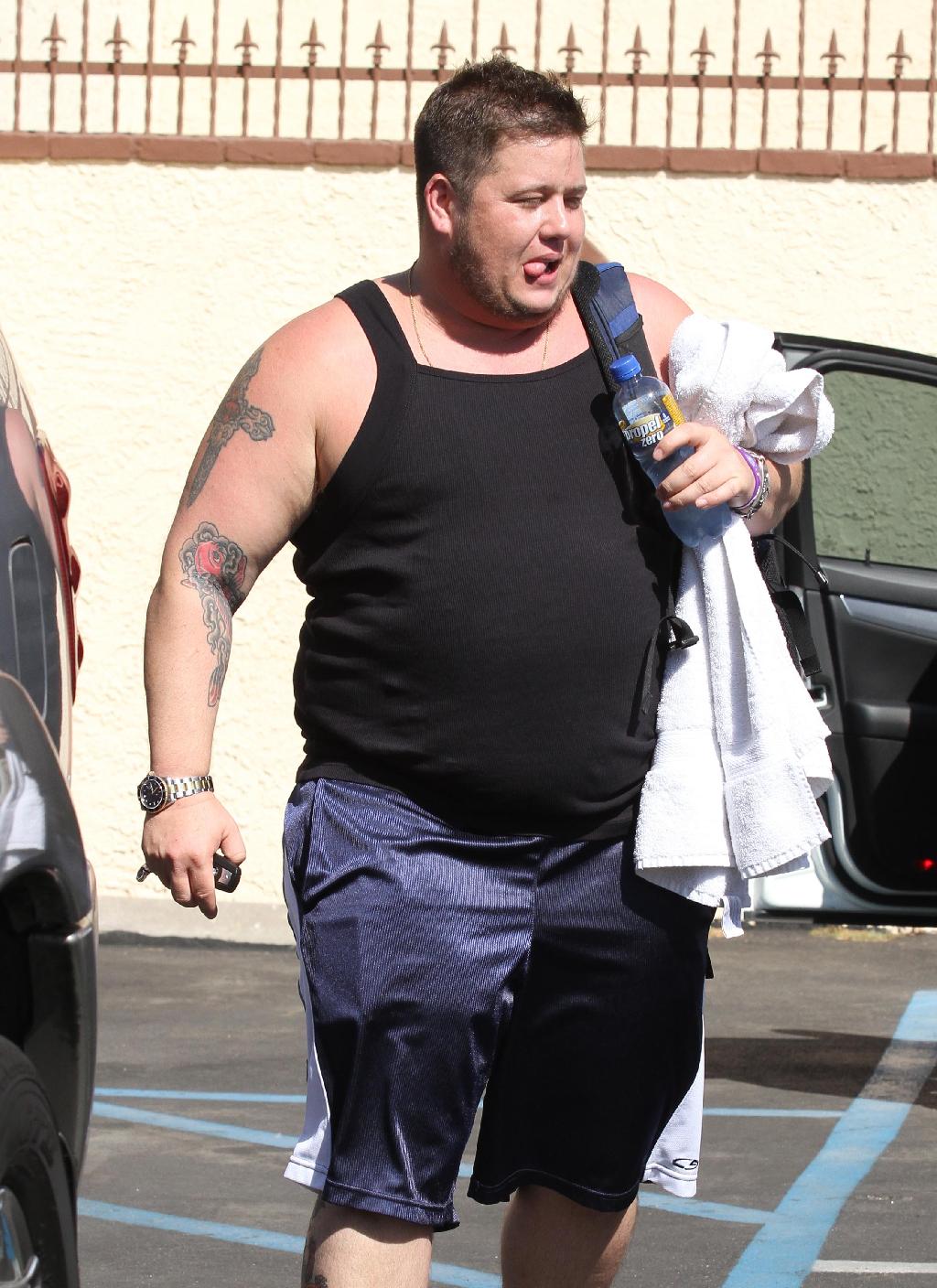
Chaz Bono announced his aim to drop 50 lbs in weight in November and thanks to a new and improved eating plan he just might get there.
Chaz Bono, 43, has showed off the results of his 43 lb weight loss after making the commitment at the end of last year with Dr. Travis Stork on an episode of The Doctors.
He started off weighing 250lbs.
Chaz Bono told People magazine: “I’ve been sticking to a really strict diet. It’s not any type of starvation thing. I’m just cutting out a lot of stuff and eating primarily protein and vegetables and fruit.”
Now he has upped his goal to dropping a total of 80 lbs.
The transgender star made a TV appearance on which he made the pledge when he was at the most uncomfortable size of his life.
Chaz Bono has showed off the results of his 43 lb weight loss after making the commitment at the end of last year with Dr Travis Stork on an episode of The Doctors
Chaz Bono lost his first portion of weight by exercising and using the easy Freshology delivered-meal plan.
He will feature in a catch-up episode of The Doctors on Wednesday.
Chaz Bono said about kick-starting his routine: “It hasn’t been that long, but when you’re a guy and you’ve got a lot of weight to lose, the initial stuff comes off pretty easily. You start to see results and you want to keep going.
“It’s not to say you don’t have cravings sometimes, but I’m very happy with how I’m looking and feeling. Especially when I’m traveling or I have to go out to eat or whatever, it’s actually kind of easier than I thought to [eat healthy], so that’s been good.”
He explained: “It’s getting harder. I’m just kind of at a little plateau right now, which I think is pretty normal, according to my doctor. The weight was falling off at first, and now it’s just coming off slower.
“The smaller you are, the harder it is to lose weight. The last 10 or 20 lbs. are really hard to get off. I would like to lose more than that. I’m still dropping, but I’m just not dropping like I was in the beginning, which was about 4 lbs. a week.”
Chaz Bono called off his engagement with fiancée, Jennifer Elia, after 12 years together in December 2011, which may not have helped any motivation to continue exercising after his celebrity ballroom dancing show participation.
Japanese shares have risen after finance ministers of the G20 group of nations avoided singling out Japan for criticism over the recent yen weakness.
The yen has dipped nearly 15% against the US dollar since November amid Japan’s efforts to stoke inflation.
There were concerns that a criticism from G20 may prompt Japan to alter its aggressive stance. The fears were that it would result in the yen rising again and hurt Japan’s plans to spur growth.
Japan’s Nikkei 225 index rose 2%.
Meanwhile, the Japanese currency continued to weaken. It fell 0.6% to 94.12 yen against the US dollar.
It also dipped 0.5% to 125.50 yen against the euro in early Asian trade.
“At the G20 meeting, there wasn’t as much criticism from emerging countries about the recent yen’s weakness as feared. That spurred yen selling,” said Kyoya Okazawa, head of global equities at BNP Paribas.
Japanese shares have risen after finance ministers of the G20 group of nations avoided singling out Japan for criticism over the recent yen weakness
Analysts say the G20 communiqué at the end of its meeting in Moscow on Saturday was an endorsement for Japan’s recent monetary moves.
The policies have seen Japan’s central bank, the Bank of Japan, double its inflation target to 2% in attempt to spur domestic consumption.
The central bank has also expanded a key stimulus measure aimed at keeping long term interest rates low.
Analysts say that as Japan continues to pursue these policies, the yen is likely to weaken further.
“With Japan, as yet, using various measures to ease monetary conditions domestically, we do not expect a large international backlash against its efforts and look for the Japanese yen to continue to decline gradually as the easier monetary conditions feed through,” Barclays Capital said in a note.
A weak yen bodes well for the Japanese exporters and its economy on various fronts.
To begin with, it makes their goods more affordable to foreign buyers. It also helps boost the exporters’ profits when they repatriate their foreign earnings back home.
And as firms see their profits rise, they are likely to have a bigger cash pile to invest in research and development or expansion of their facilities.
Investment in research helps the firms become more competitive as they develop new products. Meanwhile, increased capital investment helps boost Japan’s overall economic growth.
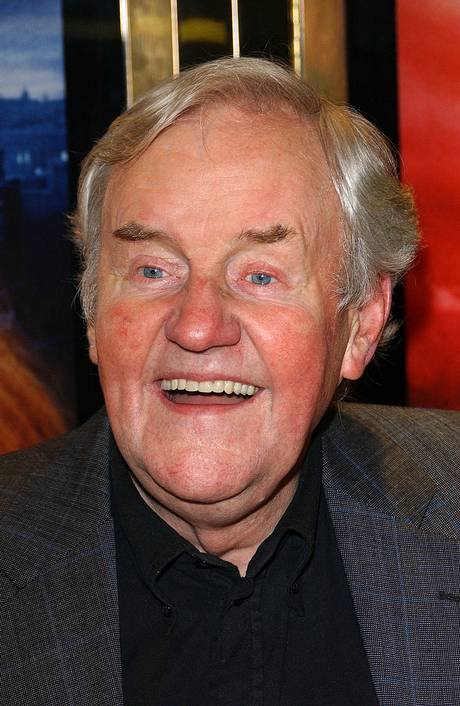
British actor Richard Briers, best known for his role in TV’s The Good Life, has died at the age of 79, his agent has announced.
Richard Briers, who was also an accomplished stage actor, had been battling a serious lung condition for several years.
He died “peacefully” at his London home on Sunday, his agent added.
Richard Briers recently blamed years of smoking for his emphysema.
“It’s totally my fault,” he said.
“So, I get very breathless, which is a pain in the backside. Trying to get upstairs… oh God, it’s ridiculous. Of course, when you’re bloody nearly 80 it’s depressing, because you’ve had it anyway.”
His agent, Christopher Farrar, said: “Richard was a wonderful man, a consummate professional and an absolute joy to work alongside.
“Following his recent discussion of his battle with emphysema, I know he was incredibly touched by the strength of support expressed by friends and the public.
“He has a unique and special place in the hearts of so many. He will be greatly missed. Our thoughts and deepest sympathy go to his family at this sad time.”
Richard Briers, best known for his role in TV’s The Good Life, has died at the age of 79
In 1970s BBC sitcom The Good Life, Richard Briers and Felicity Kendal played a married suburban couple who try a self-sufficient lifestyle.
Richard Briers also starred in shows including Marriage Lines, Ever Decreasing Circles, Monarch Of The Glen plus a role in Doctor Who and Torchwood.
He appeared in many films, most recently in British comedy film Cockneys versus Zombies, plus a cameo role in Run For Your Wife, based on Ray Cooney’s 1980s stage farce.
RichardBriers narrated the 1970s children’s cartoon series Roobarb And Custard and also provided the voice for the character of Fiver in the animated feature Watership Down (1978).
Rapper Azealia Banks has become embroiled in a bitter Twitter row with Perez Hilton after slapping her own verses over the top of DJ Baauer’s Harlem Shake.
Azealia Banks, 21, let rip in a bizarre foul-mouthed rant on Twitter after her version of the hit track was removed from Soundcloud – branding the New York producer a “f****t” and accusing him of “c**kblocking”.
The rapper’s fiery comments have divided fans, with blogger Perez Hilton taking offence, telling the rapper she is becoming known for her vitriolic rants rather than her music.
Hilton Perez wrote: “Classy as always! How does it feel to be better known for all your trash-talking than your music, Azealia?”
Electro hit Harlem Shake has inspired countless videos where one masked person dances alone ignored by those around them.
After Azealia Banks’ video was deleted she decided to post her version of on Twitter.
Since the feud started Azealia Banks, who is openly bisexual, has been accused of being homophobic – something the 212 strenuously denies.
Taking to Twitter the rapper wrote: “Men in hip-hop beef and say f****t and all kinds of other craziness but I get shunned for doing it.”
She added: “Here we go again. Everyone pretending to be so shocked and moved by the word faggot. It’s like society is so bored with itself it needs to hold on to these outdated rules of what you can say and cannot say.”
Azealia Banks has become embroiled in a bitter Twitter row with Perez Hilton after slapping her own verses over the top of DJ Baauer’s Harlem Shake
This situation is a perfect example of how difficult it is to be a female who raps.
“Art is supposed to be inspiring. If you’re mad at someone for being excited and inspired by your art then you’re doing it wrong.”
One fan added: “The fact that people sweat @AZEALIABANKS about rapping over a beat shows how intimidated they are by her talent and skill.”
The Harlem Shake began as a dance in the 1980s but the latest version featured on a flood of online videos is an electronic dance track by 23-year-old Brooklyn DJ Baauer who released the single last year with the record label Mad Decent.
The video starts with one person, often masked, dancing while everyone else in the room pays no attention but when the chorus kicks in they all join in, usually wearing crazy costumes or with props like blow-up giraffes or bicycles.
YouTube said the craze appeared to have started with a posting by a blogger and spread quickly, with more than 12,000 Harlem Shake videos posted from the start of the month to mid-week watched up to 44 million times.
Harlem Shake has a way to go to top Gangnam Style which made history last December when it became the first ever video on YouTube to reach 1 billion views.
Despite being in her seventies and suffering from arthritis, Jane Fonda remains a keen advocate of fitness for women of all ages – but has learnt from personal experience that it isn’t always easy as you get older.
Jane Fonda, now aged 75, has found she’s had to adapt her own fitness regime to the capabilities of her ageing body. And she has found yoga to be a perfect fit because it can build up muscle strength and tone without being too physically demanding.
“I knew that yoga would make me flexible but was surprised to find that it could also keep me aerobically fit as well as strong,” Jane Fonda said.
Jane Fonda has been doing yoga since the mid-1990s but found as age took its toll, she wasn’t as capable of certain moves.
“As I got older, my osteoarthritis made it difficult to do the same demanding postures,” the actress said.
As a result, Jane Fonda has now come up a yoga routine, aimed at those aged 50 and over, which provides a gentle but effective introduction to the popular form of exercise.
“Having had a knee and hip replacement in the last 10 years as well as back surgery, I needed to find a yoga routine that was safe and effective. I knew that one day I would create a yoga program for folks like me. Well, here it is,” Jane Fonda said of her DVD, AM/PM Yoga For Beginners, which will be released next month.
Jane Fonda has now come up a yoga routine, aimed at those aged 50 and over, which provides a gentle but effective introduction to the popular form of exercise
The workout is aimed specifically at keeping older generations active and includes morning and evening sessions users can choose to follow on any given day.
The morning workout is designed to help participants feel rejuvenated and energized while the evening versions aim to promote relaxation and relieve tension and stress.
Jane Fonda revealed how she fits yoga into her own day: “I do one 10-minute segment in the morning to get me revved up and ready to go and one 10-minute segment in the evening to chill me out. Sometimes with Richard, my honey.”
It seems that the women who have grown up following Jane Fonda’s fitness advice remain as resolute as her to stay active.
A survey commissioned to celebrate the release of the DVD found that 60% of 60-69 year olds agreed that fitness was still important in their lives. An admirable 68% of 70-79 year olds said they continued to exercise regularly.
And those in their 80s said they didn’t want to sit around in their slippers either – with 25% saying they wanted to keep in shape and continue to include fitness in their weekly routine.
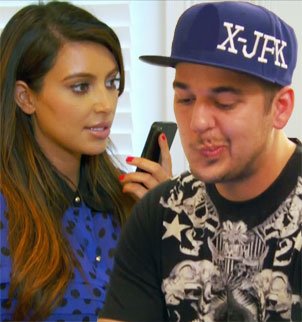
On the latest episode of Kourtney & Kim Take Miami Rob Kardashian’s siblings tried to help him deal with his split from singer Rita Ora.
Kourtney, Kim and Khloe Kardashian chimed in as Rob and Rita Ora embarked on a Twitter war and tried to give him advice.
They told Rob he needed to cut communication for a while.
Eldest sister Kourtney Kardashian warned: “She’s the one that’s in the wrong but she’ll probably try to make it like you’re in the wrong.”
Kim Kardashian shared her opinion: “Don’t post anything else. Everyone has problems.”
But Rob Kardashian makes the point that he doesn’t want to leave it as it is because fans will think he has been spiteful.
“I don’t want people to think I’m being a bitch,” he shared.
Kim Kardashian thinks being nasty is not the answer, sharing with the camera that: “Ever since Rob has broken up with his girlfriend he has been dating all these girls that I don’t think are his type.”
Then things turn serious when she calls her mother to spill details of the rude conversation they had.
Kim Kardashian told Kris Jenner about him asking if Kanye West will do a song with his friend.
The reality star revealed: “He said: <<I hope your sex tape haunts you for the rest of your life and I’m going to publicly bash you and Kanye>>.”
Rob Kardashian’s anger as Kim refuses to sort rap gig with Kanye West
At dinner with Kanye West, Kourtney Kardashian and her son Mason, Rob calls to apologize and explains that he was simply angry over his heartbreak.
He said: “I wanted to apologize. Obviously the things I said to you in the text message, I was just being mean.”
Kim Kardashian replied: “I appreciate you being mature and calling me instead of dragging this fight out.”
His relatives were still worried about him though, as his behavior noticeably changed as he tried to cope with the pain becoming single again.
Kim Kardashian said: “I don’t know who he is hanging out with, but I feel like it’s not him. He has so much going on and he is depressed.”
But they thought his sock line launch at Neiman Marcus will cheer him up and he was happy to take his mind off the bad energy when he got to Miami.
Kim Kardashian said that she can especially identify with Rob not facing up to his feelings and lashing out at his loved ones as: “When I was in my last relationship I clearly wasn’t happy. Khloe called me out on it all the time.”
“I don’t want you to be taken advantage of by the lame girls out here.”
South African police are investigating if Paralympic athlete Oscar Pistorius may have shot dead Reeva Steenkamp in a fit of so-called “steroid rage” – an explosion of aggression caused by performance-boosting steroids.
Officers who searched Oscar Pistorius’ home in Pretoria after Reeva Steenkamp was killed are reported to have found steroids, according to The Sun.
Reeva Steenkamp, 29, was shot four times early on Thursday at Oscar Pistorius’ mansion in a secure housing estate on the outskirts of Pretoria.
This morning police refused to respond to the claim, but sources close to investigation had previously told a local paper that the steroid rage was one line of enquiry and that the star’s blood was being tested for drugs.
Police have rubbished speculation that Oscar Pistorius – who is known to have kept a pistol by his bed and a machine gun at his bedroom window – may have mistaken reeva Steenkamp of three months for an intruder.
As he awaits the result of his bail application tomorrow, it was reported this morning that Oscar Pistorius accidentally discharged a gun in a busy Johannesburg restaurant – and nearly hit his friend’s foot.
Oscar Pistorius visited a branch of the South African restaurant chain Tasha’s with group of friends which included girlfriend Reeva Steenkamp in January this year.
According to boxer Kevin Lerena, who was also part of the dining party, Oscar Pistorius was given the gun by someone else in the group.
He was examining the weapon when it suddenly went off, Kevin Lerena claimed.
“I got a huge fright, because the bullet hit the ground just centimetres from my foot,” Kevin Lerena told South Africa’s Beeld newspaper.
He went on: “I must emphasize that the gun belonged to one of Pistorius’ friends – I’m not going to mention his name.
“Oscar just wanted to look at the gun, and it sort of snagged on his pants, releasing the safety catch.
“A shot went off. I wouldn’t call him negligent, it was just an accident. He apologised to me for days afterwards.”
South African police are investigating if Oscar Pistorius may have shot dead Reeva Steenkamp in a fit of so-called steroid rage
The restaurant’s manager Jason Loupis has said that he heard a “loud bang” but that when he went to investigate, everyone on the table denied it was them.
“I went to investigate when I heard the shot, but they all denied it,” said Jason Loupis.
Jason Loupis said he did not inform the police as he could not be certain that a gun was fired.
Reeva Steenkamp will be buried tomorrow – the same day Oscar Pistorius appears before Pretoria chief magistrate Desmond Nair for the start of what is expected to be a two day long bail application.
Mike Steenkamp, who speaks for Reeva’s family, said: “For now, we are just focusing on getting over the funeral … on getting this part of the difficult journey behind us.
“We’re trying not to think about Oscar or the court appearance. We have deliberately not watched TV or listened to the radio. We just don’t want to think about it. We want to blank it all out and focus for now on the here and now.”
Reeva Steenkamp’s heartbroken mother has spoken of her pain for the first time and said that she wants “answers”.
“She had so much of herself to give and now all of it is gone,” June Steenkamp told a local newspaper.
“Just like that, she is gone … In the blink of an eye and a single breath, the most beautiful person who ever lived is no longer here.
“All we have is this horrendous death to deal with … to get to grips with. All we want are answers … answers as to why this had to happen, why our beautiful daughter had to die like this?”
Reeva Steenkamp’s flatmate Gina Myers, refused to comment on her friend’s relationship with Oscar Pistorius.
However, she echoed the call for “answers”, saying: “We want the truth to come out … everyone to be honest about what happened.”
South African police believe Oscar Pistorius may have beaten his girlfriend with a cricket bat before shooting her.
Yesterday it emerged that detectives are reported to have recovered a bloodied bat from Oscar Pistorius’ bedroom and to have established that model Reeva Steenkamp’s skull had been “crushed”.
This and other evidence – a smashed bathroom door, a 9mm pistol, the peculiar pattern of wounds on the body and reports of a row earlier in the evening – is said to have led them to believe the murder case against the athlete is “rock solid”.
Prosecutors have formally charged Oscar Pistorius with premeditated murder but the Blade Runner’s family says he firmly denies such a charge.
Oscar Pistorius is understood to have hired a heavyweight team of experts which include private detectives a pathologist who will conduct their own investigation into Reeva Steenkamp’s death.
Yesterday it emerged that Oscar Pistorius called his close friend Justin Divaris shortly after the killing – reportedly before the emergency services were alerted – and told him: “There has been a terrible accident, I shot Reeva.”
Tardigrade, known as water bear, is dubbed “nature’s greatest survivor”, being almost invincible.
Tardigrades are some of the most fascinating animals in world because they can live happily in the most extreme conditions.
While not the most attractive creatures, the small, segmented animals come in many forms – there are more than 900 species of them – and they’re found everywhere in the world, from the highest mountains to the deepest oceans.
Boil the 1 mm creatures, freeze them, dry them, expose them to radiation and they’re so resilient they’ll still be alive 200 years later.
Water bears can hack temperatures as low as -457 degrees, heat as high as 357 degrees, and 5,700 grays of radiation, when 10-20 grays would kill humans and most other animals.
Tardigrades can also live for a decade without water and even survive in space.
Tardigrade, known as water bear, is dubbed nature’s greatest survivor, being almost invincible
Argo and Zero Dark Thirty have won the top screenplay honors from the Writers Guild of America.
The Adapted Screenplay Award went to Chris Terrio for Ben Affleck’s Iran hostage drama Argo.
Mark Boal took the Original Screenplay prize for Kathryn Bigelow’s film chronicling the manhunt for Osama Bin Laden, Zero Dark Thirty.
Malik Bendjelloul won the Documentary Award for Searching for Sugar Man, about the 1970s musician Rodriguez.
The guild was the last of Hollywood’s major trade unions to hand out awards before next Sunday’s Oscars.
Argo and Zero Dark Thirty have won the top screenplay honors from the Writers Guild of America
Argo has emerged as the best picture favorite at the Academy Awards, after scooping the top prize at the BAFTAs and Golden Globes, in addition to awards from the Directors Guild of America, the Screen Actors Guild and the Producers Guild of America.
“I’ve never actually won a call-your-name award before,” Chris Terrio said backstage after winning his award.
Prizes for television writing were also handed out, with Breaking Bad winning Best Drama series.
The writers of Louis claimed the prize for comedy series and Lena Dunham’s Girls was named Best New TV series.
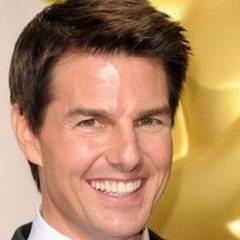
Tom Cruise’s visit to Hertfordshire curry house Veer Dhara has been turned into a film.
Last August, Tom Cruise ordered lobster and chicken tikka masala when he and eight companions visited the Veer Dhara in St Albans.
A friend settled the bill after the restaurant told Tom Cruise it did not accept American Express.
A video about Tom Cruise’s curry night has been entered into the inaugural St Albans Film Festival’s short-film competition.
Festival director Leoni Kibbey said: “Everyone in the film is wearing a Tom Cruise mask. It’s very funny.”
Leoni Kibbey said the festival – which runs from March 8 until March 10 – showcases the county’s historic links with the film industry.
Director Stanley Kubrick lived in the St Albans area, film pioneer Arthur Melbourne-Cooper was born in St Albans and the Pinewood and Elstree studios are nearby.
Tom Cruise was in Hertfordshire last August for the filming of All You Need Is Kill, which was shot at the county’s Leavesden Studios.
Tom Cruise’s visit to Hertfordshire curry house Veer Dhara has been turned into a film
Spanish airline Iberia workers have begun a five-day strike in protest at planned cuts to jobs and salaries.
Iberia has cancelled more than 400 flights out of 1,000 scheduled for this week, with cabin crew and baggage handlers staging the walk-out.
A lack of services at Spanish airports are expected to affect more than 1,000 flights from various airlines.
Iberia has announced plans to cut 3,807 jobs after it reported mounting losses last year.
In the first nine month of 2012 it lost 262 million euros ($349 million).
Unions are planning three separate five-day strikes in February and March.
Iberia workers have begun a five-day strike in protest at planned cuts to jobs and salaries
Iberia said 70,000 passengers would be affected by the first strike, though in a statement the company said 60,000 had been found seats on alternative flights.
It said 90% of long-haul flights would be operating, but domestic flights would be the worst affected, with more than half of flights grounded.
Analysts suggest 15 days of strikes could cost Iberia up to 100 million euros.
Iberia merged with British Airways in 2011 to create International Airlines Group, and the new management has been trying to cut costs.
Iberia has been hit by increased competition from low-cost carriers and a prolonged recession in its home market.
Venezuela’s President Hugo Chavez says he has returned home after receiving treatment for cancer in Cuba.
In three messages posted on Twitter, Hugo Chavez, 58, thanked Cuban President and ex-leader Raul and Fidel Castro.
Hugo Chavez also thanked Venezuelans for their support and said he would continue treatment in his home country.
He has been president for 14 years and was re-elected for another six-year term in October 2012, but his swearing-in was delayed because of his illness.
Hugo Chavez went to Havana for surgery on December 11, his fourth operation in an 18-month period for cancer first diagnosed in mid-2011.
Last week the first images of him since the operation were broadcast by Venezuela’s government.
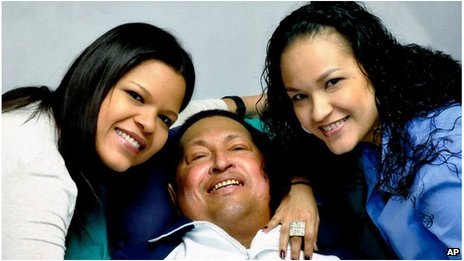
Hugo Chavez was pictured smiling as he lay in bed reading a newspaper, with his two daughters by his side.
Hugo Chavez says he has returned to Venezuela after receiving treatment for cancer in Cuba
He announced his return to Venezuela to his 3.9 million Twitter followers in a series of tweets that were bombastic in tone but short on detail.
“We have arrived back in the land of Venezuela. Thank you Lord!! Thanks to my beloved people! We will continue our treatment here.”
There was no information about when or why he returned, and no details about whether he would actively take up the duties of office.
Instead Hugo Chavez thanked Cuba’s leaders and people and said he had confidence in his doctors.
“Onwards to victory!! We will live and we will overcome!!!” Hugo Chavez wrote in his final tweet.
The extent of Hugo Chavez’s illness is shrouded in mystery, but it is understood to be serious.
During his treatment the Venezuelan leader is reported to have had tumors removed from his pelvic region.
Hugo Chavez has also undergone prior rounds of chemotherapy and radiation treatment.
Though there have been few details about the president’s exact treatment, Vice-President Nicolas Maduro described it as “extremely complex and tough”.
A Russian court has held a pre-trial hearing in the case against late anti-corruption lawyer Sergei Magnitsky.
The court said the trial would start on March 4. It is believed to be the first time in Soviet or Russian history a defendant has been tried posthumously.
Sergei Magnitsky was arrested in 2008 after accusing officials of tax fraud but was later himself accused of those crimes.
His death in custody a year later has led to a diplomatic dispute between Russia and the US.
Last year the US passed the Magnitsky Act, which blacklists Russian officials accused of human rights violations.
In response, Russian President Vladimir Putin signed a Russian law barring Americans from adopting Russian orphans.
Sergei Magnitsky represented London-based Hermitage Capital Management. He uncovered what he described as a web of corruption involving Russian tax officials, including the alleged theft of more than $200 million.
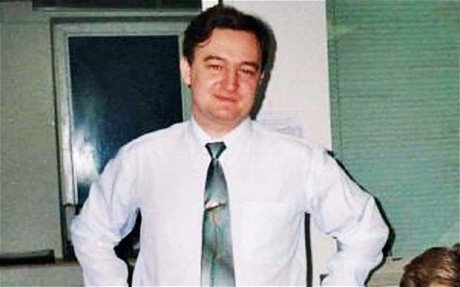
A Russian court has held a pre-trial hearing in the case against late anti-corruption lawyer Sergei Magnitsky
After reporting the allegations to the authorities, he was himself detained on suspicion of aiding tax evasion.
US-born fund manager Bill Browder, who runs Hermitage Capital, spearheaded efforts in the US to put pressure on Russia over the Magnitsky case. Bill Browder was a major investor in Russia before Sergei Magnitsky’s arrest.
In December, a Moscow court acquitted a prison doctor accused of negligence over Sergei Magnitsky’s death.
Sergei Magnitsky had pancreatitis, but an investigation by Russia’s presidential council on human rights concluded that he had been severely beaten and denied medical treatment.
South African police believe that Paralympic athlete Oscar Pistorius may have beaten his girlfriend Reeva Steenkamp with a cricket bat before shooting her.
Detectives are reported to have recovered a bloodied bat from Oscar Pistorius’ bedroom and to have established that model Reeva Steenkamp’s skull had been “crushed”.
This and other evidence – a smashed bathroom door, a 9 mm pistol, the peculiar pattern of wounds on the body and reports of a row earlier in the evening – is said to have led them to believe the murder case against the sprinter is “rock solid”.
Reeva Steenkamp, 29, was shot four times early on Thursday at Oscar Pistorius’ luxury mansion in a secure housing estate on the outskirts of Pretoria.
Police have rubbished speculation that Oscar Pistorius – who is known to have kept a pistol by his bed and a machine gun at his bedroom window – may have mistaken his girlfriend of three months for an intruder.
Prosecutors have formally charged Oscar Pistorius with premeditated murder but the Blade Runner’s family say he firmly denies such a charge.
Yesterday it emerged that he called his close friend Justin Divaris shortly after the killing – reportedly before the emergency services were alerted – and told him: “There has been a terrible accident, I shot Reeva.”
Justin Divaris rushed to the sportsman’s house, where he said Oscar Pistorius repeatedly told him: “My baba, I’ve killed my baba. God take me away.”
While no officials would comment publicly on the case, a disturbing – though disputed – picture of what may have happened in Oscar Pistorius’ home started to emerge.
Neighbors have said they heard shouting coming from the house at around 1.30 a.m. There were some suggestions, quickly denied, that the row may have been about Reeva Steenkamp’s friendship with a rugby player.
At around 3.20 a.m., four shots rang out – apparently not all at once. The first person Oscar Pistorius called was his father Henke, 59.
When Henke Pistorius arrived, he allegedly saw his son carrying his nightie-clad girlfriend down the stairs.
She had been shot in the head, hip, arm and hand. Pistorius – and later paramedics – struggled in vain to save Reeva Steenkamp’s life.
Police reportedly found the bloodied cricket bat in the bedroom. The en-suite bathroom door was riddled with holes, a pistol holster was found by oscar Pistorius’ bed and a gun cartridge was on the floor.
South Africa’s City Press quoted an unnamed police source as saying: “The suspicion is that the first shot, in the bedroom, hit her in the hip. She then ran and locked herself in the toilet.
“She was doubled over because of the pain. He fired three more shots. She probably covered her head, which is why the bullet also went through her hand.”
South African police believe that Oscar Pistorius may have beaten his girlfriend Reeva Steenkamp with a cricket bat before shooting her
The source said police are carrying out tests to establish whose blood is on the bat.
While one scenario is that Oscar Pistorius attacked Reeva Steenkamp with the wooden bat, it has also been claimed that the model may have used it to defend herself.
A third possibility is that Oscar Pistorius used it to break down the bathroom door. Those close to Oscar Pistorius have suggested that he may done so in a bid to “save” his dying girlfriend.
According to this theory, the athlete first shot Reeva Steenkamp by accident, whereupon she fled to the bathroom. He then shot at the door lock to try to get in, accidentally killing her.
Oscar Pistorius’ father appeared to suggest it is this version that he believes.
While he admitted that he had not talked to his son in detail about what happened, he said he had “zero doubt” that the sportsman thought Reeva Steenkamp was an intruder.
A more likely defence from Oscar Pistorius is to acknowledge that there was a row but that he did not intend to kill her.
Some in South Africa have speculated about the nature of Reeva Steenkamp’s friendship with Springbok rugby player Francois Hougaard, and whether this played a part in the tragedy.
Francois Hougaard, 24, was keen to distance himself from such reports at the weekend. His agent said: “This whole sad ordeal has got nothing to do with him.”
Last night Oscar Pistorius’ agent said he had withdrawn him from all planned races but insisted his sponsors were sticking by him.
The tragedy has also cast fresh light on Oscar Pistorius’ apparent attraction to danger and weaponry.
As well as owning a pistol and machine gun, at the time of Reeva Steenkamp’s death he reportedly had seven outstanding firearm licence applications.
One was for same type of assault rifle used in the recent Sandy Hook school massacre in the US.
Oscar Pistorius, who was charged with premeditated murder at a court appearance on Friday, spent the weekend in a police cell ahead of a second hearing planned for tomorrow at which his lawyers are expected to ask for bail.
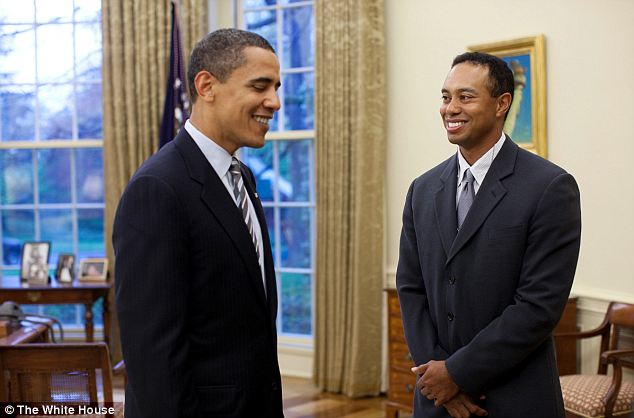
President Barack Obama played golf with Tiger Woods in Florida on Sunday as he took a break from work during President’s Day weekend.
The unexpected golf pairing came as Barack Obama enjoys a “boy’s weekend” away from his wife and daughters, making his decision to spend the afternoon with one of the world’s most notorious philanderers even more pointed.
Though it would be an intimidating round – undoubtedly for both parties – Barack Obama warmed up on Saturday by playing with Tiger Woods’ former coach Butch Harmon.
After getting pointers from Butch Harmon, Barack Obama must have been feeling good about his game as he played with the Masters’ Champion and Jim Crane, who owns The Floridian Yacht and Golf Club where they were seen playing.
Golf Digest reporter Tim Rosaforte reported that Barack Obama warmed up for the “historic” round with Tiger Woods and Jim Crane.
No photos of the trio have been released and the president’s normal pool reporter was barred from covering the event, but gossip is flying at the country club as members tried their best to get an insight into how the round was going.
“Not going to turn this into Tiger Tracker, but from pro shop at Floridian we received word TW holed out greenside bunker No. 1 for birdie,” Tim Rosaforte tweeted.
While this is the first time that Barack Obama has played golf with Tiger Woods- who has won the most titles in the storied sport- it is not the first time that they have met.
The disgraced golfer did a reading at one of the President’s inaugural festivities in 2009 and followed that up with a visit to the White House.
That visit took place five months before his long list of affairs was exposed so it is unclear whether or not Tiger Woods and barack Obama have spoken since. Their four hours on the course will leave them with plenty of time to talk, however.
During his round on Saturday, Barack Obama played with Jim Crane as well as Texas-based lawyer Tony Chase, U.S. Trade Representative Ron Kirk, utility executive Milton Carroll and the President’s close friend Eric Whitaker who he has known since he lived in Chicago.
Both Milton Carroll and Jim Crane have donated to Democratic campaigns, and Tony Chase hosted an Obama fundraiser during the presidential campaign last year.
Barack Obama played golf with Tiger Woods in Florida on Sunday as he took a break from work during President’s Day weekend
The Florida club is used to having some high-profile guests, as conservative radio host Rush Limbaugh talked about his times playing there during his show on Saturday.
“I was a proud and honored member of the Floridian,” he said.
“The president’s got himself a good, old-fashioned guys golf weekend.”
President Barack Obama is enjoying a break from his family this weekend after flying to Florida for a golf getaway, while the First Lady and daughters Sasha and Malia will be skiing in Aspen, Colorado, the White House confirmed on.
Tiger Woods’ old instructor Butch Harmon and his son, Claude III, are reportedly flying in to work with Barack Obama at the club’s new high-tech learning facility, which Harmon helped design.
“I’ve played golf with Ike, Nixon, Ford and President Bush 41,” Butch Harmon told Golf Digest.
“I never played with President Clinton. I met him in the Oval Office. It’ll be interesting. I know the president is a real keen golfer. I’m looking forward to it. It should be fun.”
“He’s a left-handed player, I’ve seen film of his swing before,” said Butch Harmon.
“It’ll be fun to get him down in the learning center, show him stuff in his golf game and see how he takes it to the course. He’s just like all of us that play golf. He wants to get better.”
Barack Obama was flying on Air Force One from an official event to promote his economic proposals in his adopted hometown of Chicago to West Palm Beach, Florida, for the weekend getaway.
“The president is looking forward to spending President’s Day weekend with some friends in Florida, and I’m sure they’ll take advantage of the opportunity to play some golf,” said White House spokesman Josh Earnest.
The Tom Fazio-designed private course and club is owned by Jim Crane, who also owns the Houston Astros baseball team.
According to the course website, members and guests also have the use of eight cottages, a deep-water marina, a 61-foot Viking Yacht, a boat and a private helicopter service, a spa and fitness center and a teaching facility.
Colorado is where Michelle Obama and first daughters have spent their past two Presidents’ Day weekends. In 2012, they went skiing at Buttermilk Mountain and stayed at the home of Aspen Ski Company owners Jim and Paula Crown, according to the Aspen Daily News. In 2011, they went skiing in Vail.
Vice President Joe Biden and his family, according to the White House, will also be in Colorado this weekend on vacation.
Country star Mindy McCready has killed herself on the same front porch where her boyfriend David Wilson was found dead one month ago.
Mindy McCready, 37, died from an “apparent self-inflicted gunshot wound”, Arkansas sheriff Marty Moss said.
The troubled singer had attempted to take her own life twice before and was known to have problems with prescription drugs and alcohol.
Mindy McCready’s death comes weeks after that of her boyfriend and father of one of her two sons, record producer David Wilson, whose death is being investigated.
The singer recorded five studio albums.
NBC reporter Andrea Canning tweeted: “Just got a call from Mindy McCready’s best friend that she shot and killed herself this evening.”
Police said they had found the body of Malinda Gayle McCready on the front porch of her home in Heber Springs. She was pronounced dead at the scene.
After the death of her partner in January, Mindy McCready had told NBC’s Dateline programme that she had “never gone through anything this painful.
“He didn’t just touch my heart, he touched my soul.”
Mindy McCready has killed herself on the same front porch where her boyfriend David Wilson was found dead one month ago
Mindy McCready denied any involvement in David Wilson’s death.
Her two boys – a six-year-old and a nine-month-old – were removed from her home earlier this month when she was ordered to undergo rehabilitation.
She was discharged last week for outpatient treatment, but her sons remained in foster care.
Mindy McCready had been arrested several times on drug charges. She also made headlines for claiming to have had a 10-year affair with former baseball star Roger Clemens that began when she was a teenager.
Her best-selling album was her 1996 debut Ten Thousand Angels which included the hit Guys Do It All The Time. Her fifth album, I’m Still Here, was released in 2010.
Mindy McCready:
Born November 30, 1975, in Florida
Moves to Nashville aged 18
Three years later has her first hit with Guys Do It All The Time
In 2006 gives birth to a son with Billy McKnight
Appears in TV show Celebrity Rehab with Dr. Drew in 2010
Son Zayne is born in April 2012
January 13, 2013 – her boyfriend David Wilson is found dead
February 17, 2013 – police find her dead at her home
Rafael Correa has been re-elected for a third term as Ecuador’s president with more than 50% of the vote.
His main challenger, Guillermo Lasso, has admitted defeat.
Addressing his supporters in the capital, Quito, Rafael Correa, 49, called for “another four years of revolution”.
First elected in 2007, the socialist leader is widely credited with bringing political stability to a nation that suffered decades of protests and coups.
But critics accuse Rafael Correa of being a dictator in the making.
Rafael Correa, a US-trained economist, has been accused of implementing policies that have served to strengthen his hold on power and erode the influence of political opponents and private media.
But his so-called “citizens’ revolution” has made him popular with many ordinary Ecuadoreans and has won him friends among other Latin American left-wing leaders.
Partial results give Rafael Correa 56.7%, ahead of 23.3% for his nearest rival, former banker Guillermo Lasso. The third-placed challenger was poised to take 6.6%, with four others trailing below 5%.
To avoid a run-off, the president needs to win 50% of the total vote or 40% plus a 10-point margin over the second-placed candidate.
Rafael Correa has been re-elected for a third term as Ecuador’s president with more than 50 percent of the vote
Speaking on TV after 40% of the votes had been counted, the head of the National Electoral Council said the final result would not be significantly larger or smaller.
President Rafael Correa was quick to claim victory.
“Nobody can stop this revolution,” he told a crowd of supporters gathered outside the balcony of the Carondelet Palace in Quito.
“The colonial powers are not in charge anymore, you can be sure that in this revolution it’s Ecuadoreans who are in charge.”
“We are here to serve you,” he added.
“Nothing for us, everything for you: the people who deserve the right to be free.
“This is not just a victory for Ecuador, this is a victory for the great homeland of Latin America.”
During his six years in power, Rafael Correa has expanded access to healthcare and education and improved thousands of miles of highways, creating many jobs in the process. Poverty rates have dropped significantly.
Critics say that, since coming to office, he has filled the courts and government positions with allies and stifled free speech by taking on the media.
They also complain he has restricted free enterprise with heavy taxation and regulatory changes and taken government spending to an unsustainable level.
Rafael Correa is close to Venezuela and Cuba and has sought to establish ties with Iran and China. Last year, he upset the US, Britain and Sweden by granting asylum to wanted WikiLeaks founder Julian Assange at the Ecuadorean embassy in London.
“I don’t recognize the current Correa. He is a different person. He is not the friend I used to have, that I used to love like a brother,” said Alberto Acosta, one of the co-founders of the Alianza Pais governing party and now an opposition candidate.
“He controls everything. He is a sort of Sun King of the 21st Century,” he said referring to France’s King Louis XIV.
Since 2007, Rafael Correa has re-written the country’s constitution: a move that allowed him to run for, and win, a new term in 2009. He is legally barred from running again after this election, the Associated Press reports.